Direct factory supply of specialized nonionic, anionic, and cationic polyacrylamide formulations engineered for severe industrial environments.
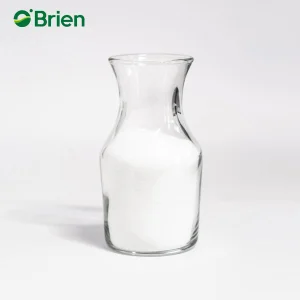
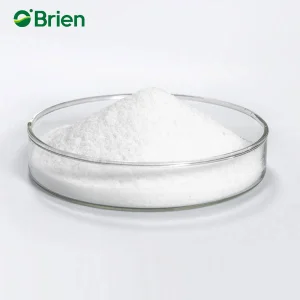
Analyzing the shift toward bio-catalytic polymers, stringent ESG mandates, and closed-loop industrial water treatment across global sectors.
The global market for organic cleaning chemicals and water-soluble polymers is undergoing an unprecedented structural transformation. Driven by stringent global environmental regulations—such as the EU Water Framework Directive, US EPA Clean Water Act standards, and China’s Zero Liquid Discharge (ZLD) policy—industrial conglomerates are rapidly transitioning from legacy inorganic coagulants (such as alum and ferric chloride) to high-efficiency organic polymers. Chief among these organic solutions is Polyacrylamide (PAM), a synthetic resin produced through the polymerization of acrylamide monomers.
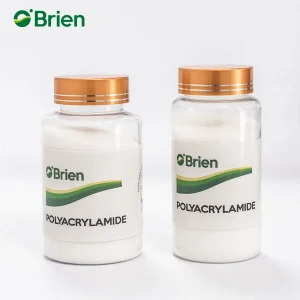
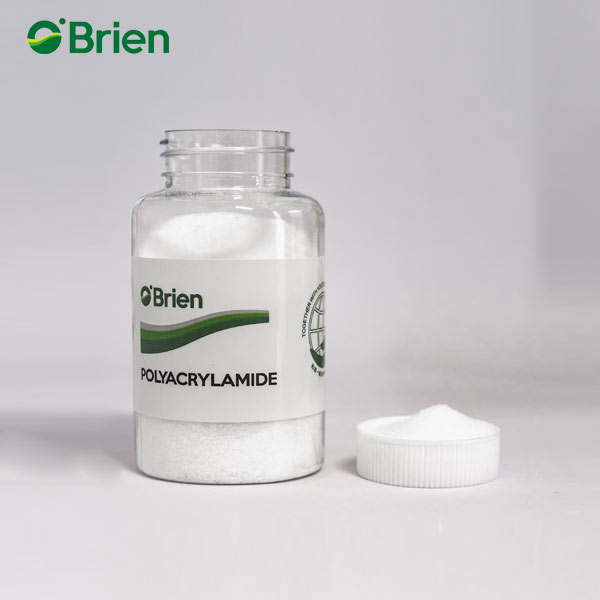
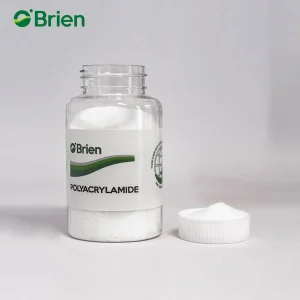
Polyacrylamide (CAS 9003-05-8) serves as the backbone of modern industrial liquid-solid separation, sludge dewatering, enhanced oil recovery (EOR), and eco-friendly process water clarification. Unlike traditional inorganic chemicals that generate massive sludge volumes laden with heavy metal residues, organic polyacrylamide operates at fractional dosages (often 1/10th to 1/100th of inorganic alternatives) while achieving rapid clarification, high-density flocs, and minimal secondary waste streams.
Oubo Chemical Co., Ltd was established in 2011, located in the Free Trade Zone of Qingdao, China. Operating under a comprehensive quality control system, Oubo has demonstrated consistent expansion with a business growth rate exceeding 10% per year over the past decade.
Qingdao Oubo Chemical Co., Ltd is deeply committed to operational quality, technical service, and environmental stewardship throughout polymer synthesis and application. By 2018, our annual production capacity of Polyacrylamide surpassed 50,000 Metric Tons, backed by full ISO 9001:2008 quality management certification.
Our flagship brand, O'brien, has achieved widespread global recognition across municipal water utilities, multinational mining consortia, paper manufacturers, and tier-1 oilfield service companies. We proudly stand behind every metric ton of chemical we engineer.
Comprehensive technical breakdown of physical forms, molecular weight spectrums, charge densities, and functional polymer matrices.
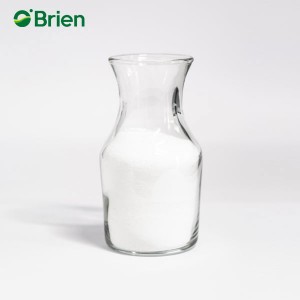
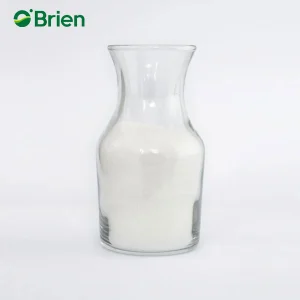
Synthesized via copolymerization of acrylamide and acrylic acid monomers. APAM carries a negative functional charge along its linear carbon chain, making it optimal for binding positively charged mineral slurries and inorganic solids.
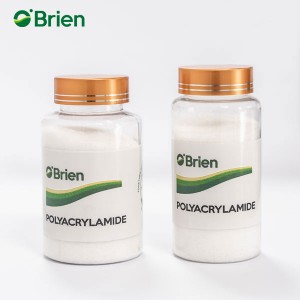
Copolymerized with cationic monomers such as DAC (Acryloyloxyethyltrimethyl ammonium chloride) or DMC. CPAM possesses positive charge centers that effectively neutralize negatively charged organic solids.
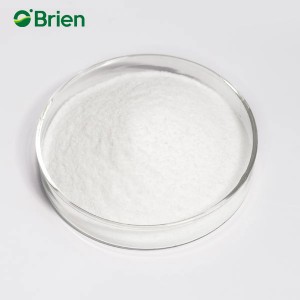
Homopolymerized pure acrylamide with minimal ionic charge functionality. NPAM relies on hydrogen bonding and bridging mechanisms to aggregate finely suspended particles under highly acidic or complex chemical conditions.
| Polymer Type | Appearance | Solid Content (%) | Molecular Weight (Million) | Dissolving Time (Mins) | Insoluble Matter (%) |
|---|---|---|---|---|---|
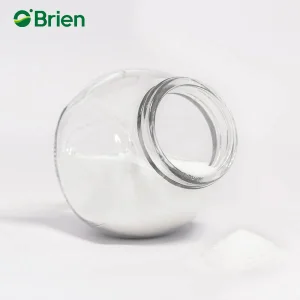
| Anionic (APAM) | White Granular Powder | ≥ 88% - 90% | 6 - 25 | ≤ 60 | ≤ 0.2% |
| Cationic (CPAM) | White Fine Beads / Powder | ≥ 89% | 8 - 14 | ≤ 60 | ≤ 0.2% |
| Nonionic (NPAM) | White Granular Powder | ≥ 88% | 3 - 12 | ≤ 90 | ≤ 0.2% |
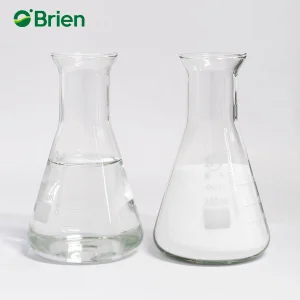
| Mannich Base | Viscous Liquid / Emulsion | ≥ 30% - 50% | 5 - 10 | Immediate | ≤ 0.1% |
How Oubo Chemical’s organic polymers optimize processes across water treatment, mining, paper, energy, and textiles.
As a master flocculating agent, polyacrylamide is central to solid-liquid separation processes including primary clarification, secondary sedimentation, and sludge thickener centrifuges. Stringent environmental standards worldwide push water treatment plants to minimize sludge cake moisture.
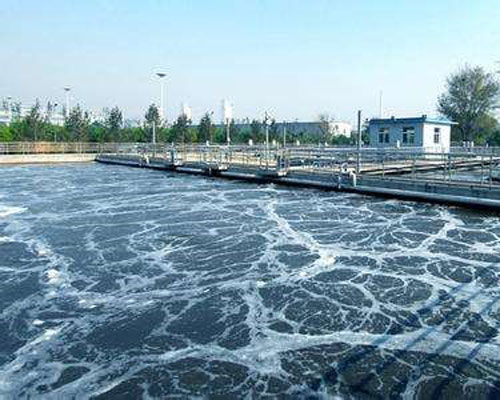
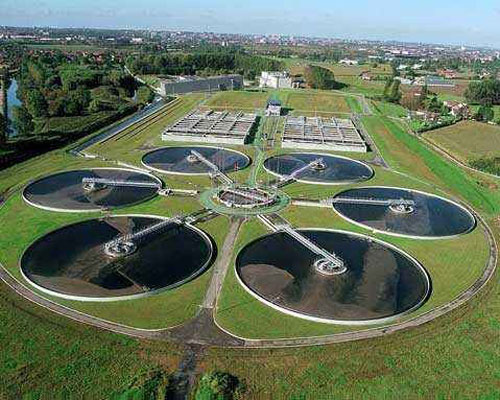
Sector Coverage: Urban sewage purification, tanneries, papermaking effluent, citric acid manufacturing, vegetable protein extraction, pharmaceutical processing, incense making, and chemical manufacturing wastewater.
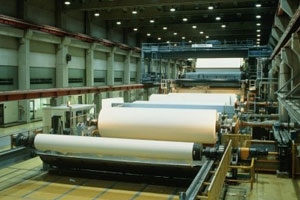
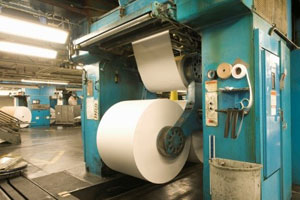
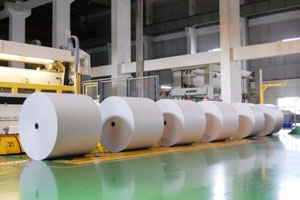
In papermaking, polyacrylamide serves multiple critical wet-end functions: dry-strength additives, retention aids, filter drainage aids, and white-water flocculants. Proper chemical dosing increases sheet physical tensile strength, reduces fiber loss, and enhances machine runnability.
Polyacrylamide polymers are indispensable across drilling, fracturing, profile control, and tertiary oil recovery. In EOR, high-molecular-weight APAM increases water phase viscosity, lowering mobility ratios to push trapped crude oil out of deep geologic formations.


Key Applications: Polymer flooding for EOR, friction reducers for hydraulic fracturing, fluid loss additives for drilling muds, shale stabilizers, bit lubricants, and oil sands tailings settling agents.
Mineral processing involves vast volumes of aqueous slurry. Oubo’s nonionic, anionic, and cationic PAM products enable ultra-fast solid-liquid separation during sedimentation, filtration, and tailings thickening for precious and base metals.

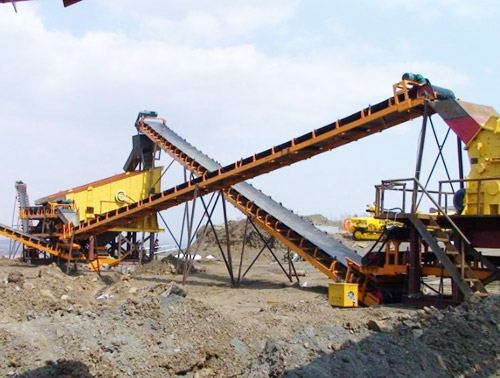

Mineral Focus: Coal washing slurry treatment, copper, iron ore, gold, silver, nickel, alumina red mud thickening, and mine shaft sealing pastes.
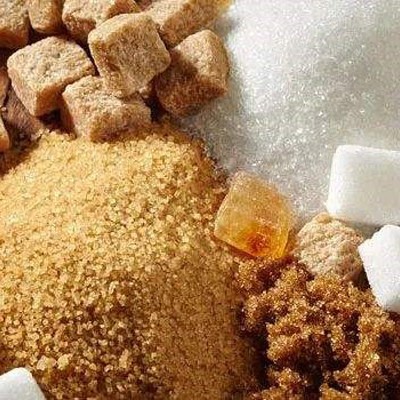
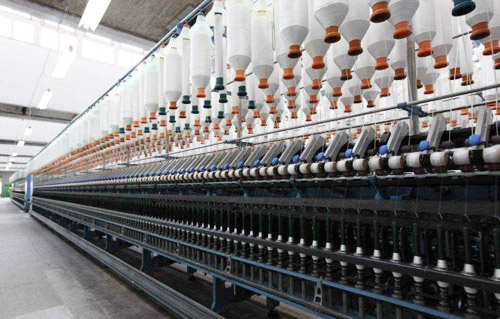
Specialized food-grade anionic polyacrylamide clarifies raw sugarcane and sugar beet juices, precipitating non-sugar impurities rapidly without residual chemical contamination. In textiles, PAM functions as a sizing agent, fabric treatement auxiliary, and high-efficiency dye wastewater decolorizing agent.

Standardized moisture-proof packaging configurations engineered for long-distance maritime transport and multi-tier warehousing.
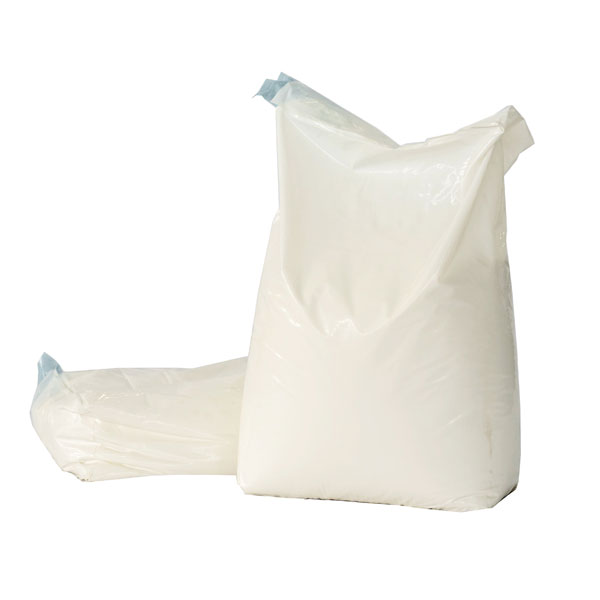
25kg multi-wall paper-plastic composite bags with inner PE moisture barrier liner. Ideal for private label distributors.
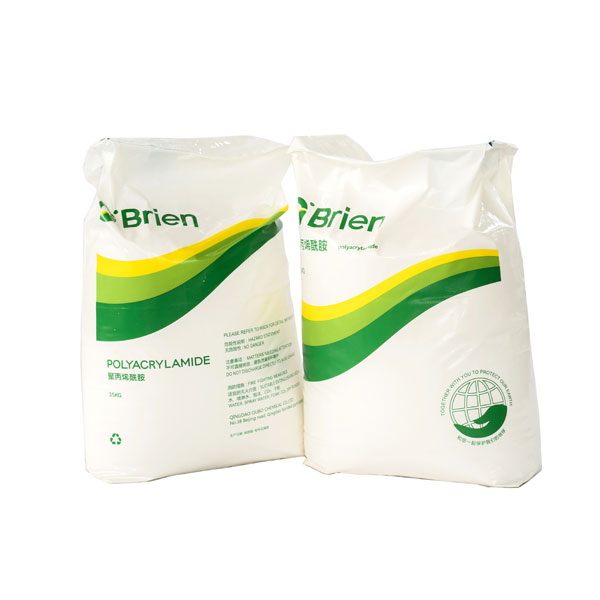
25kg branded O'brien tough craft bags detailing batch numbers, molecular weight specs, and ISO compliance tags.
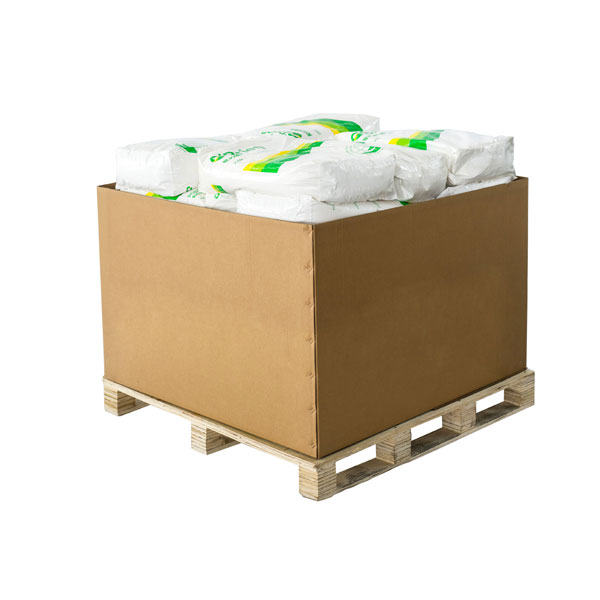
750kg – 1000kg heavy-duty woven FIBC bags with bottom discharge spouts designed for automated bulk dissolving systems.
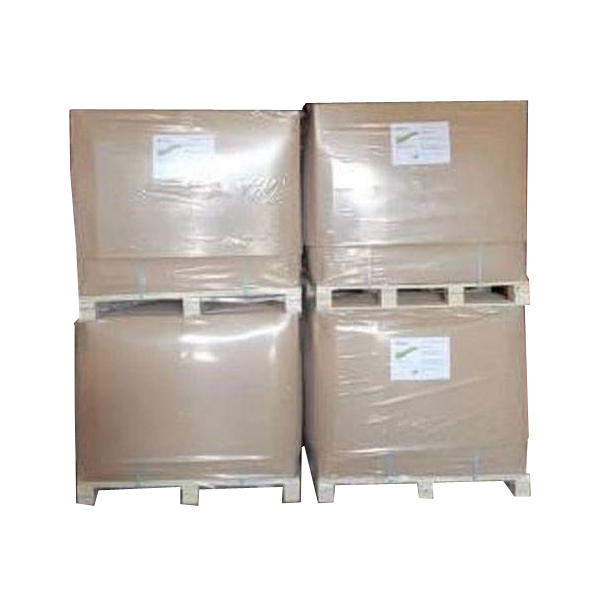
Fumigated wooden or plastic pallets (1.1t – 1.2t per pallet) secured with stretch film and heavy plastic strapping for container stability.
Explore specialized polymers engineered for high-shear, variable pH, and severe TDS industrial effluent challenges.
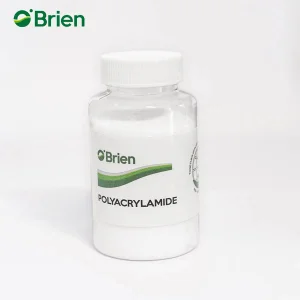
Technical guidance from Oubo Chemical’s application engineers regarding polymer selection, dissolution, and procurement logistics.
The primary distinction lies in the ionic charge of the polymer chain. Anionic PAM (APAM) contains negatively charged carboxylic acid groups, suitable for binding inorganic positively charged suspended solids (e.g., clay, mineral ores). Cationic PAM (CPAM) incorporates positively charged quaternary ammonium groups, highly effective for neutralizing negatively charged organic solids (e.g., municipal sewage, biological sludge). Nonionic PAM (NPAM) carries negligible charge and aggregates particles primarily through hydrogen bonding, performing well under acidic conditions.
Oubo Chemical utilizes bio-catalytic enzymatic technology to synthesize acrylamide monomer from acrylonitrile. Unlike older chemical routes using copper catalysts, bio-synthesis operates at mild temperatures with zero heavy metal (copper) residue. This yields ultra-pure acrylamide with higher reactivity, allowing us to polymerize ultra-high molecular weight products (up to 25 Million Daltons) with exceptional molecular chain linearity and minimal insoluble content.
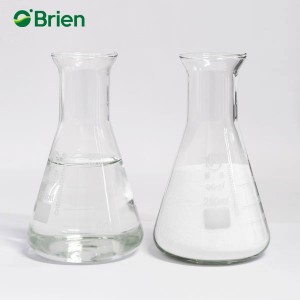
Polyacrylamide granules must be dissolved in clean water at a concentration between 0.1% and 0.3% (w/v). Ensure water temperatures are kept between 20°C and 40°C (avoid water above 50°C as thermal degradation occurs). Slowly feed the dry powder into the vortex of a mechanical stirrer operating at 200–400 RPM to prevent "fish-eye" agglomerates. Dissolution typically takes 40 to 60 minutes for complete molecular chain unwinding.
Each production batch undergoes 3 rigorous inspection stages: 1) Monomer Purity & Reactivity Testing, 2) In-Line Polymerization Viscosity & Degree of Hydrolysis/Charge Density Measurement, and 3) Final Product Solid Content, Dissolving Time, Residual Monomer (< 0.05%), and Insoluble Matter Analysis. All batches conform to ISO 9001:2008 standards.
When stored in original unopened, air-tight packaging in a cool, dry, well-ventilated warehouse below 35°C, dry polyacrylamide powder has a shelf life of 24 months. Aqueous solutions prepared from PAM should be consumed within 24 to 48 hours to avoid hydrolytic degradation and viscosity loss.
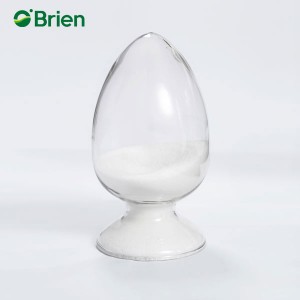
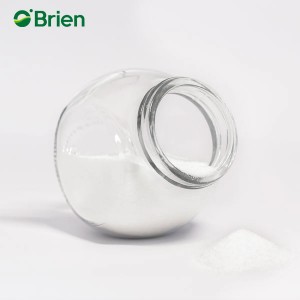
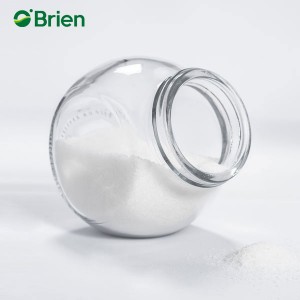
Ready-to-ship granular and powder polyacrylamide stocks housed at our Free Trade Zone warehouse in Qingdao Port.
 Oubo Chemical