Explore our core portfolio of Nonionic, Anionic, and Cationic Polyacrylamide formulations optimized for oilfield mud water systems and global industrial applications.
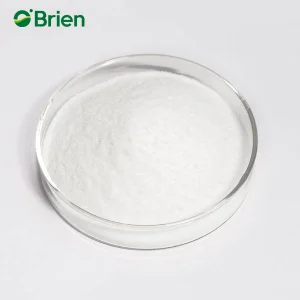
Qingdao Oubo Chemical Co., Ltd. (Brand: O'brien) delivers high-purity Polyacrylamide chemicals engineered specifically for complex oilfield mud water dynamics, drilling fluid stabilization, and industrial water treatment.
Established in 2011 within the Free Trade Zone of Qingdao, China, Qingdao Oubo Chemical Co., Ltd. has scaled into a global power-house for synthetic resin manufacturing. With a consistent annual business growth rate of over 10%, our facilities integrate patented biological synthesis methods to yield ultra-high molecular weight Polyacrylamide (PAM) variants.
In 2018, our annual PAM production capacity surpassed 50,000 Metric Tons. Operating strictly under the ISO 9001:2008 Quality Management System, Oubo Chemical enforces a 3-stage Quality Control testing regimen for every batch prior to dispatch. We source our monomeric raw materials exclusively from global energy giants such as SINOPEC and Eni, guaranteeing batch-to-batch chemical stability, low free-acrylamide content (<0.05%), and high shear resistance under subterranean thermal stress.
Unlike traditional chemical catalytic synthesis, Oubo utilizes enzymatic bio-catalysis for acrylamide monomer conversion. This eco-friendly process minimizes unwanted side-reactions, yields linear polymer chains with precise molecular weights (up to 25 Million Daltons), and significantly reduces greenhouse gas emissions during production.
Our corporate vision balances aggressive performance optimization with environmental responsibility. We actively develop low-ecotoxicity flocculants compliant with international marine discharge standardizations, assisting oilfield operators in meeting stringent discharge mandates.
Understanding the interplay between synthetic Polyacrylamide additives, bentonite clay particles, high thermal gradients, and saline subterranean environments in modern petroleum drilling operations.
Oilfield mud water (water-based drilling muds) requires precise rheological management. Polyacrylamide functions as a high-efficiency viscosifier and fluid loss reducer. By adsorbing onto clay platelets via hydrogen bonding, PAM forms a dense filter cake along the wellbore wall, preventing filtrate migration into sensitive hydrocarbon formations and stabilizing un-consolidated shale layers.
Hydration of reactive shale formations leads to wellbore collapse and pipe sticking. Partially Hydrolyzed Polyacrylamide (HPAM) encapsulates shale cuttings, preventing dispersion into the mud stream. Furthermore, its pseudo-plastic fluid properties ensure effective carrying capacity for drill cuttings at low shear rates while minimizing pressure drop inside the drill string at high shear rates.
In mature oil fields, injecting high molecular weight Anionic PAM increases the viscosity of displacement water. This decreases the water-to-oil mobility ratio, neutralizing viscous fingering phenomena, improving sweep efficiency across heterogeneous reservoir strata, and unlocking residual reserves trapped in micro-porous sandstone or carbonate rocks.
| Polymer Ionic Type | Molecular Weight (Million) | Charge Density (%) | Primary Oilfield Application | Performance Characteristics |
|---|---|---|---|---|
| Anionic PAM (APAM) | 16.0 – 25.0 | 10% – 40% (Medium-High) | EOR, Drilling Fluid Additive, Friction Reducer | High thermal stability, strong clay encapsulation, superior mobility control in reservoir flooding. |
| Cationic PAM (CPAM) | 6.0 – 12.0 | 10% – 80% (Customizable) | Oily Sludge Dewatering, Produced Water Treatment | Rapid charge neutralization of negatively charged oily emulsions, compact micro-floc formation. |
| Nonionic PAM (NPAM) | 8.0 – 15.0 | < 3% (Low Charge) | Acidic Water Treatment, Mineral Tailings, Salt-tolerant Mud | Insensitive to high salinity and heavy metallic ions, excellent stability in low pH environments. |
| Amphoteric PAM | 8.0 – 14.0 | Dual Positive/Negative | Complex High-Salinity Well Drilling, Profile Control | Self-adapting ionic charges, superior shear resistance under High-Temperature High-Pressure (HTHP) conditions. |
Beyond petroleum extraction, Oubo Chemical’s polyacrylamide formulations serve critical roles across municipal water infrastructure, mining, papermaking, and heavy manufacturing.
Polyacrylamide acts as an indispensable coagulant aid and flocculant in solid-liquid separation. By forming bridging networks between suspended colloidal particles, it accelerates sedimentation in clarification tanks and enhances filter press cake dryness during belt press or centrifugal sludge dewatering.
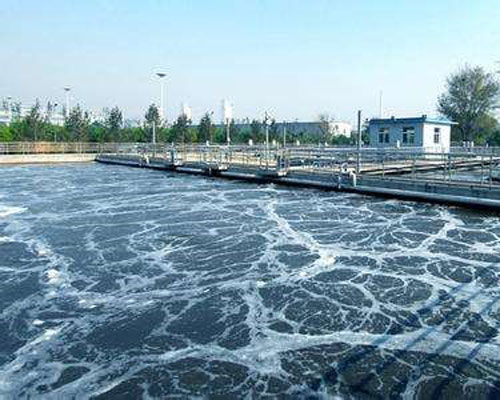
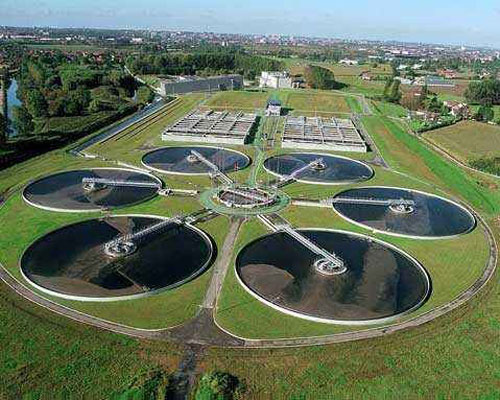
Primary sectors include: Municipal Sewage Clarification, Leather Tannery Effluents, Citric Acid Extraction, Chemical Dyeing, and Pharmaceutical Effluents.
In wet-end paper chemistry, PAM functions as a retention agent, drainage aid, and dry strength additive. It binds short fibers and mineral fillers (TAC/PCC) to the paper web, increasing structural tensile strength while optimizing white water recovery.
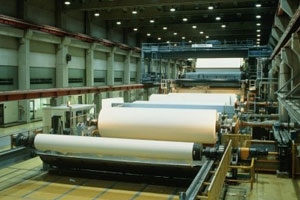
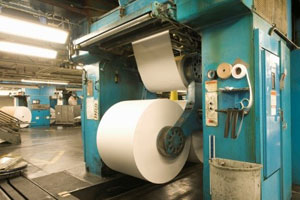
Key mechanisms: Anionic trash scavenging, hydrogen-bond enhancement, and fiber dispersion stabilization across variable pH spectrums.
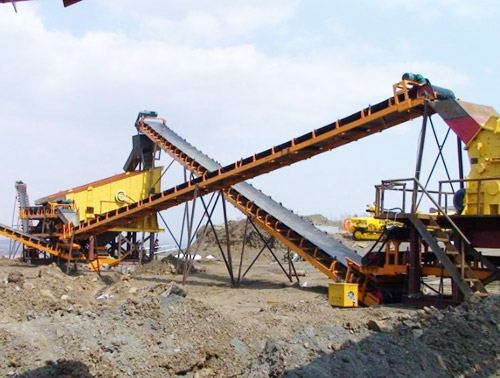
In coal washing and metallic ore beneficiation (Gold, Copper, Silver, Iron, Nickel), PAM speeds up tailing thickener settling rates and ensures clear water overflow recycling, significantly mitigating environmental slurry runoff.
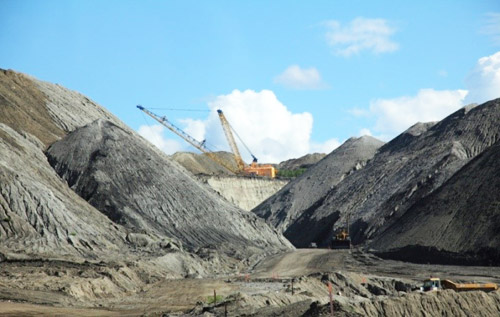
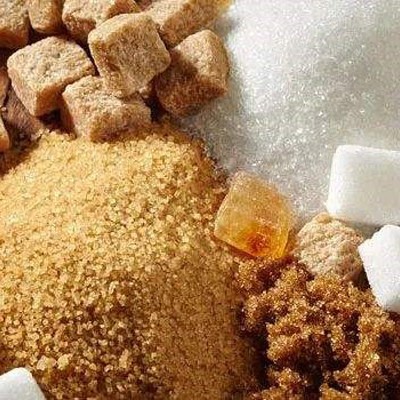
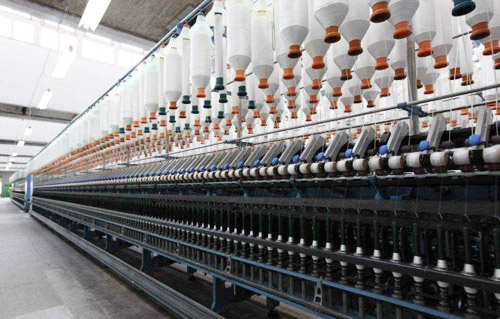
PAM serves as a warp sizing agent in textiles to prevent yarn breakage. In sugar manufacturing, food-grade APAM facilitates rapid clarification of raw sugarcane and sugar beet juices by agglomerating organic impurities.
Continuous chemical innovation designed to address ultra-deep offshore drilling, extreme thermal reservoir conditions, and global carbon reduction mandates.
Commercialization of thermo-thickening polymers designed to maintain solution viscosity at temperatures exceeding 120°C and total dissolved solids (TDS) up to 250,000 ppm.
Transitioning 40% of monomer synthesis to plant-derived bio-feedstocks, reducing scope 1 and 2 carbon intensity per ton of finished polymer powder by 35%.
Integration of automated field dosing skids equipped with turbidity, viscosity, and zeta-potential feedback sensors for optimized chemical consumption in real time.
Engineered for extended shelf-life, tropical humidity resistance, and efficient containerization across international freight routes.
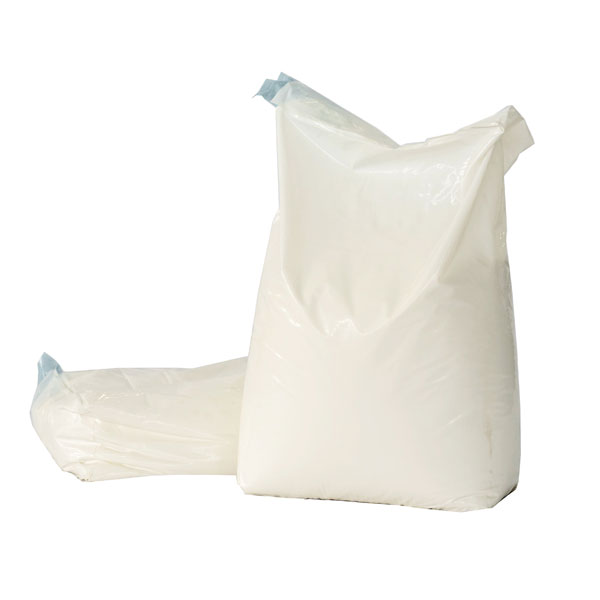
25kg multi-ply paper PE-lined bags designed for private label distributors.
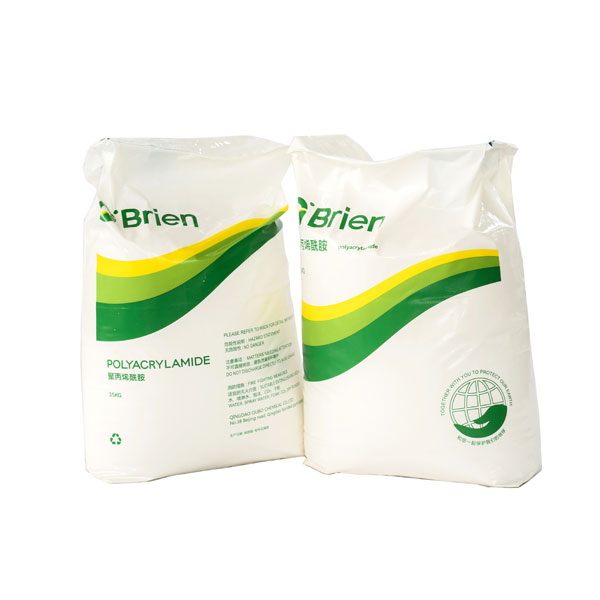
Heavy-duty craft paper with internal plastic film protection against ambient moisture.
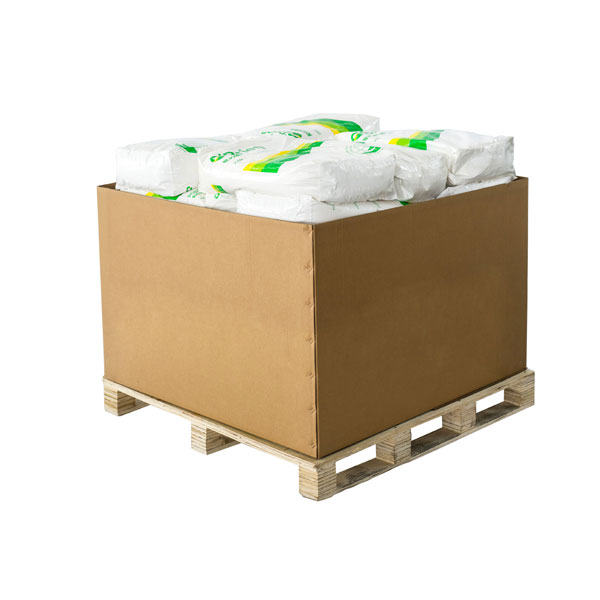
750kg – 1000kg FIBC jumbo bags fitted with bottom discharge spouts for oilfield hopper dosing.
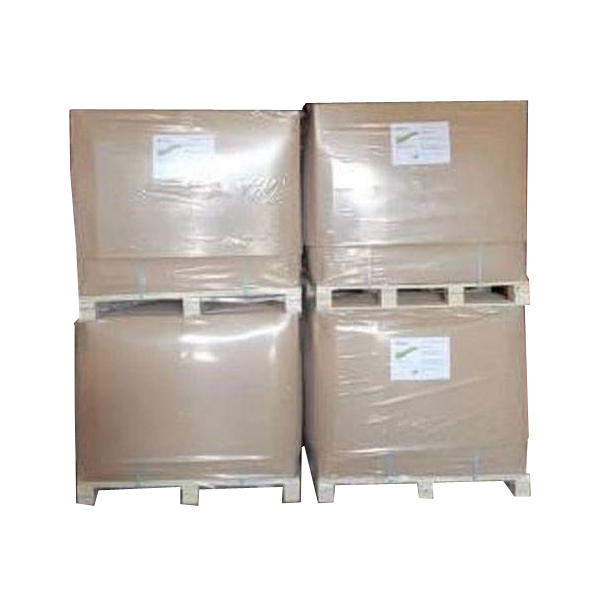
Fumigated wooden/plastic pallets with shrink-wrap thermal film securing 1.0 – 1.2 MT per pallet unit.
In-depth responses to common engineering queries regarding polymer selection, field mixing protocols, and performance troubleshooting.
Browse our complete catalog of tailor-made polyacrylamide grades for paper strength, sludge dewatering, mining, and oilfield applications.
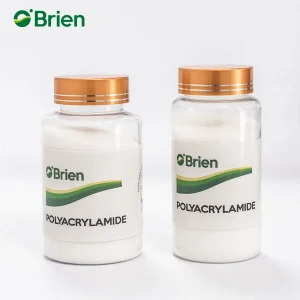
 Oubo Chemical