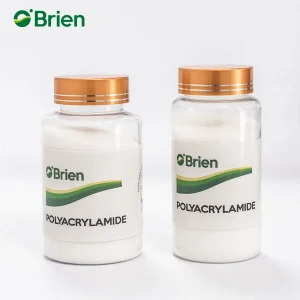
Explore our flagship polyacrylamide formulations tailored for extreme downhole drilling, wastewater clarification, and mineral processing.
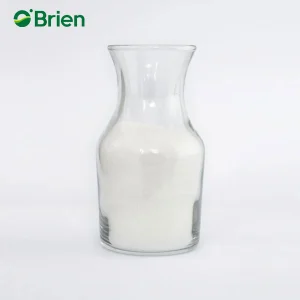
In modern energy exploration, the global oilfield sector faces unprecedented geological challenges. Drilling operations are descending into ultra-deep reservoirs characterized by High-Temperature and High-Salinity (HTHS) environments. In this demanding operational climate, **Polyacrylamide (PAM)** serves as an irreplaceable backbone chemical, driving Enhanced Oil Recovery (EOR), maintaining rheological control in drilling muds, reducing hydrodynamic drag during hydraulic fracturing, and guaranteeing structural shale stability.
Strategic Market Insight: China has emerged as the global epicenter for Polyacrylamide manufacturing, leveraging fully integrated upstream petrochemical feedstocks (Acrylonitrile / Acrylamide monomer synthesis), state-of-the-art bio-catalytic process technologies, and unmatched logistics through port infrastructure like the Qingdao Free Trade Zone.
Oubo Chemical Co., Ltd was established in 2011, located strategically within the Free Trade Zone of Qingdao, China. The Quality Control (QC) system of O'brien is strict and comprehensive. Over the past decade, our annual business growth rate has sustained a steady 10% year-on-year increase. Qingdao Oubo Chemical Co., Ltd is highly committed to quality, professional technical service, and pays deep attention to minimizing environmental impacts during polymer synthesis and field application.
Oubo specializes in supplying high-performance **Cationic Polyacrylamide (CPAM)**, **Anionic Polyacrylamide (APAM)**, and **Nonionic Polyacrylamide (NPAM)**. We operate advanced automated synthesis equipment and employ dedicated professional chemical engineers to ensure all products and technical services maintain exceptional international standards. Our annual production capacity of polyacrylamide broke through **50,000 Tons in 2018**, and our complete quality management system is fully certified by **ISO9001:2008**. We proudly stand behind our product purity and structural consistency.
Qingdao OUBO Chemical Co., Ltd is a world-leading manufacturer of Polyacrylamide. We utilize proprietary biological catalytic methods to produce acrylamide monomers and polyacrylamide polymers, backed by applied patents. We invest over €2 million annually into technical research for advanced chemical IP accumulation.
Robust global supply chain integration. Raw material feedstocks are sourced from top-tier chemical titans such as SINOPEC and Eni. Production lines are 100% automated. All products conform strictly to ISO9001, with every production batch subjected to 3 individual QC tests prior to shipment.
Dedicated exclusively to Polyacrylamide manufacturing with superior quality control and global competitive pricing. Our specialized technical team seamlessly participates across pre-sales evaluation, sales delivery, and post-sales optimization to ensure flawless application.
Our dedicated chemical application team assists global customers with precise product selection, jar testing, field dosage optimization, and ongoing technical support. We guarantee expert technical direction to ensure you select the optimal ionic charge and molecular weight.
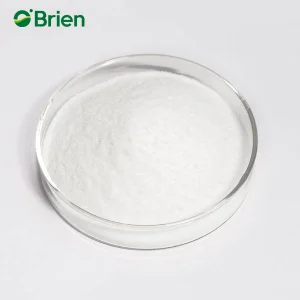
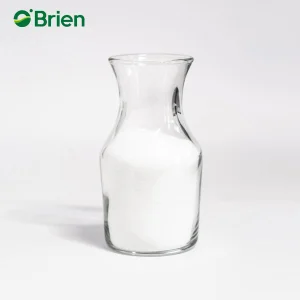
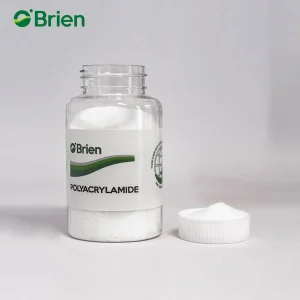
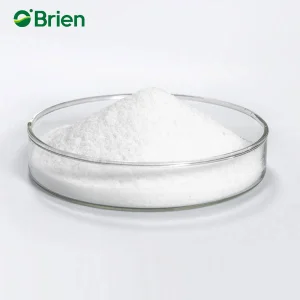
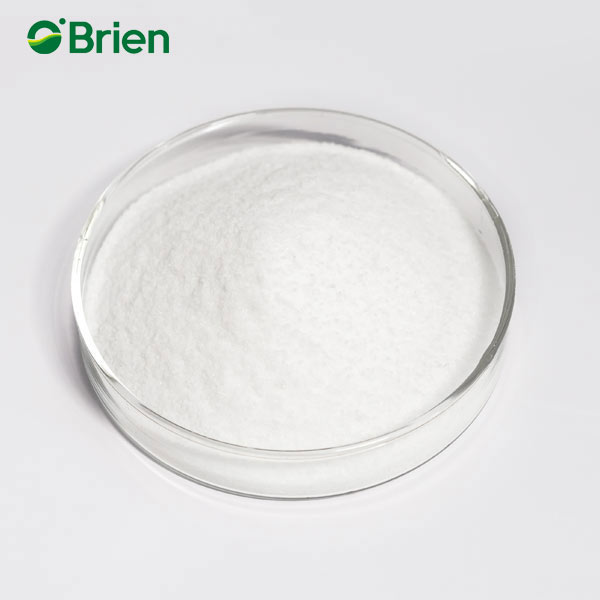
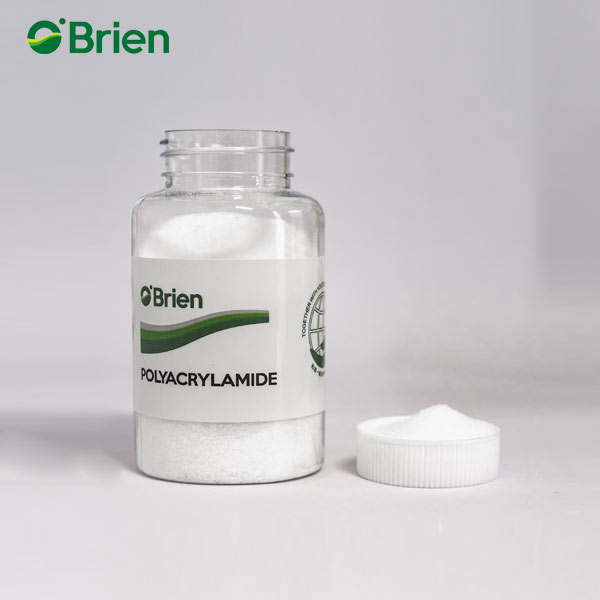
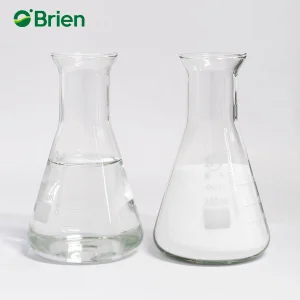
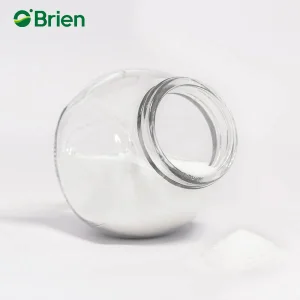
Polyacrylamide (PAM) is a versatile synthetic resin prepared through the polymerization of acrylamide monomers ($C_3H_5NO$). It exists as a white, solid powder or granular water-soluble polymer, working predominantly as a flocculant, thickener, rheology modifier, and fluid-loss control agent. Its chemical performance is dictated by its physical form, molecular weight (ranging from 3 Million to over 26 Million Daltons), and ionic classification (Nonionic, Anionic, Cationic, and Mannich modifications).
Produced via co-polymerization of acrylamide with acrylic acid monomers. APAM contains negatively charged carboxylate groups ($COO^-$). In oil drilling muds, APAM provides high viscosity enhancement, controls fluid filtration loss, encapsulates drill cuttings, and acts as a primary mobility control polymer during Enhanced Oil Recovery (EOR).
Synthesized as a homopolymer of pure acrylamide, bearing zero net ionic charge. NPAM exhibits extraordinary salt tolerance and thermal stability. It performs exceptionally well in highly acidic matrix acidizing fluid systems, high-salinity brine drilling muds, and mineral tailing flocculation where ionic interference must be minimized.
Formulated by co-polymerizing acrylamide with cationic monomers such as DAC or DMC (CAS 9003-05-8). CPAM carries positively charged quaternary ammonium groups. It excels at neutralizing negatively charged organic colloidal solids, making it the premier choice for sludge dewatering, oily wastewater treatment, and shale inhibition.
During deep drilling operations, drilling muds enriched with Oubo Polyacrylamide perform critical functions to safeguard well integrity and optimize drilling velocity:
Oubo Chemical provides tailored PAM formulations engineered specifically for major global industrial sectors.
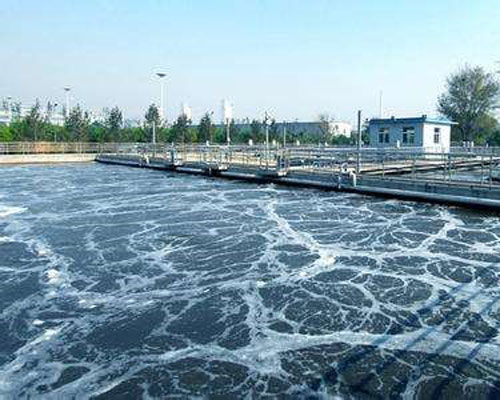
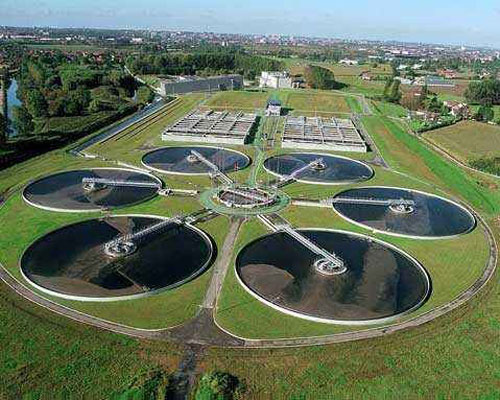
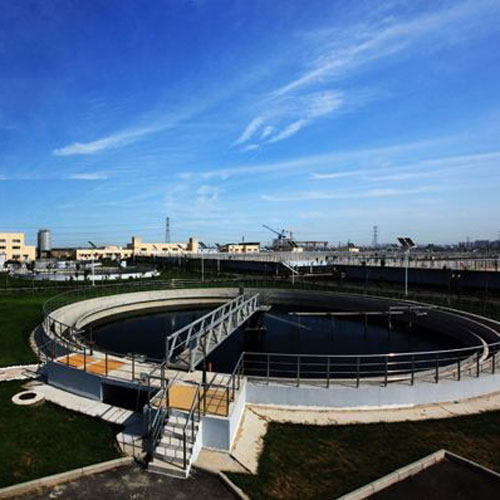
As a high-performance flocculating agent, polyacrylamide is primarily applied in industrial solid-liquid separation processes, including sedimentation, clarification, concentration, and mechanical sludge dewatering processes. Polyacrylamide plays an indispensable role in municipal sewage treatment and heavy industrial wastewater treatment. Increasingly stringent environmental regulations globally continue to accelerate the adoption of advanced water treatment polymers.
For the municipal sewage treatment sector, Oubo PAM is also widely applied across leather tanning, paper manufacturing, citric acid production, vegetable protein extraction, textile dyeing, pharmaceutical synthesis, and incense processing.
Primary Application Sectors: Urban Sewage Treatment, Paper & Pulp, Food Processing, Petrochemical Operations, Metallurgical Mineral Processing, Dyeing & Finishing, Sugar Refining, and all varieties of industrial wastewater purification.
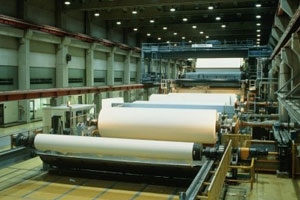
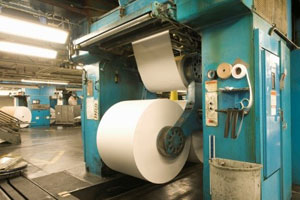
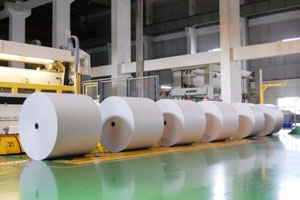
In the paper industry, polyacrylamide polymers serve as dry strength agents, retention aids, and drainage filter aids. They significantly enhance finished paper quality, elevate the physical structural strength of paper, and minimize fine fiber loss. Simultaneously, PAM is utilized in white water closed-loop recycling systems and provides strong flocculation during waste paper deinking processes.
1. Paper Retention Agent: Significantly improves the retention rate of short fibers, titanium dioxide, calcium carbonate fillers, and additives, while accelerating dewatering speeds to elevate paper sheet formation and reduce raw material unit consumption costs.
2. Anionic Garbage Capture Agent: Interacts with dissolved anionic trash and colloidal pitch contaminants to neutralize net anionic charges on fiber surfaces. This balances wet-end chemistry, reduces charge interference, and boosts retention of additives.
3. Paper Strength Agent: Fully ionized across the operational pH spectrum. Adsorbs directly onto cellulose pulp fibers to create robust ionic linkages and covalent amide hydroxyl bonds, vastly improving internal bond strength and burst resistance.
4. Paper Dispersant Agent: Promotes uniform fiber dispersion in thin stock suspensions, perfecting sheet formation, tactile softness, tensile toughness, and physical paper appearance.
Polyacrylamide is extensively utilized across petroleum exploration, reservoir profile control, water shutoff plugging agents, water-based drilling muds, and hydraulic fracturing fluid systems. It serves critical functions in controlling drilling fluid loss, clay flocculation, shale hydration inhibition, mud rheology dilution, wellbore sealing, drill bit cooling/lubrication, drill cutting transport, and primary well cementing operations.
Core Oilfield Operational Solutions:


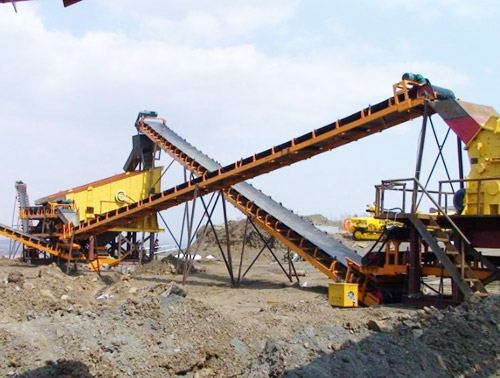
Polyacrylamide plays a vital role in heavy mining operations. Beyond solid-liquid separation of economic minerals from tailings slurries, PAM serves as an efficient flocculant for thickener overflow clarification and mining wash water recycling. It also provides excellent sealing properties for mine underground slurry pipes. Our full series of Nonionic, Anionic, and Cationic polymers cover variable molecular weights tailored for specific mineral chemistries:


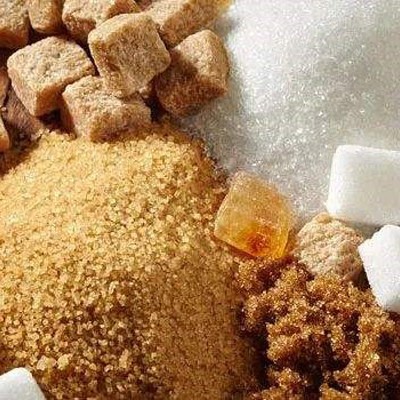
Polyacrylamide formulations are specialized for juice clarification, mud settling, and froth flotation in sugarcane and sugar beet processing mills, optimizing sucrose yield and juice clarity.
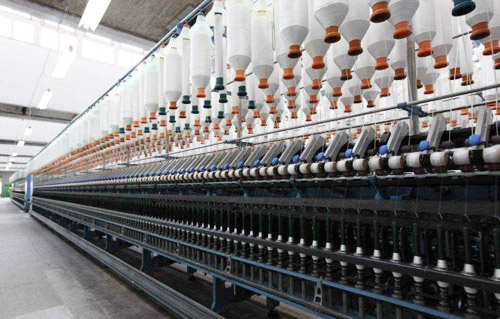
PAM is utilized as a durable textile warp sizing agent, fabric finishing auxiliary, anti-static agent, and soft protective coating, as well as clarifying intense dyeing wastewater discharge.

Export-grade moisture-proof packaging solutions customized for global sea freight and long-term warehouse storage.
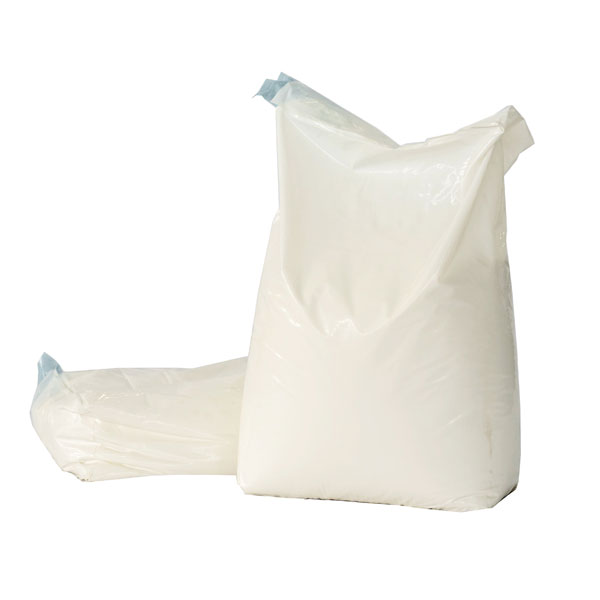
25kg multi-wall Kraft paper or PE bags with inner plastic lining. Neutral unprinted design for local OEM distributors.
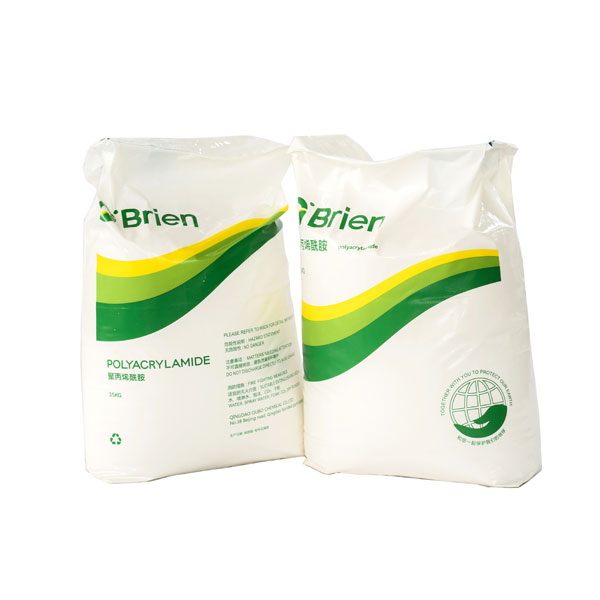
Standard O'brien branded export bags printed with molecular grade, batch codes, net weight, and safety hazard markings.
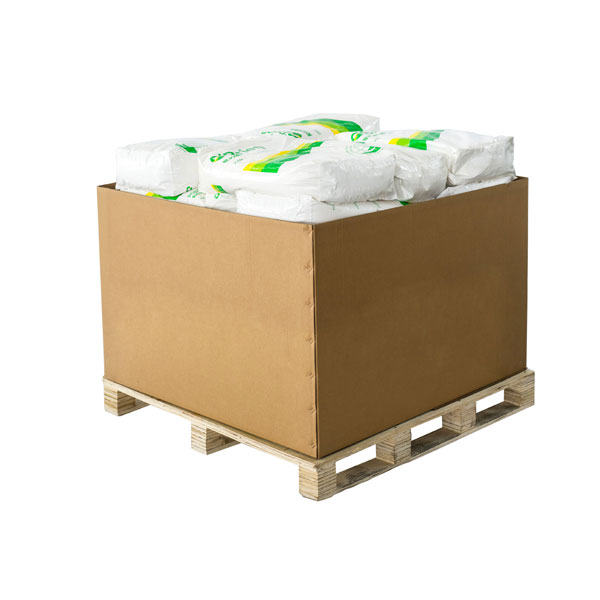
Heavy-duty woven polypropylene FIBC jumbo bags equipped with bottom discharge spouts for automated mixing hoppers.
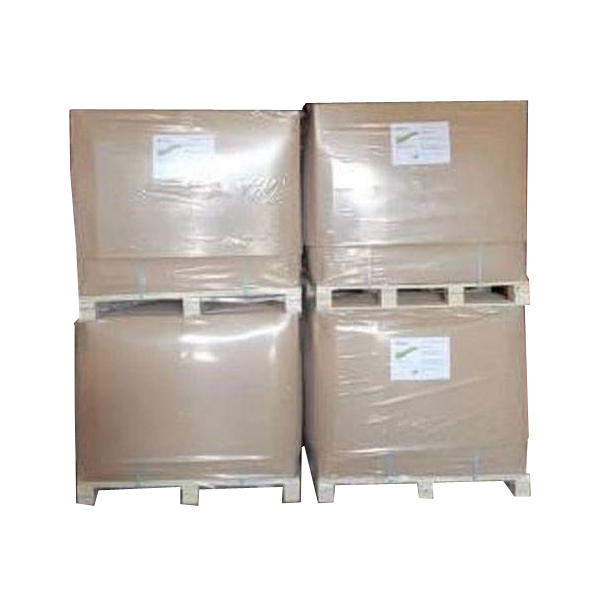
ISPM-15 compliant fumigated wooden pallets or plastic pallets, fully stretch-wrapped with protective top cover sheets.
Selecting the optimal polyacrylamide grade requires rigorous evaluation of operational chemistry parameters. To assist procurement engineering teams, Oubo Chemical recommends evaluating the following four critical parameters during lab testing:
Determines polymer chain length and floc size. Ultra-high MW (18M - 25M Daltons) is required for oilfield EOR and coal washing sedimentation. Medium MW (8M - 15M) is ideal for municipal sludge dewatering and paper retention.
Anionic charge (5% - 60%) dictates performance in mineral pulps and drilling muds. Cationic degree of conversion (10% - 80%) must match the specific zeta potential of municipal or industrial sludges.
Fast-dissolving dry powders (<45 minutes) prevent un-dissolved polymer "fish eyes" from clogging downhole injection pumps or fine filter media. Insoluble content must remain below 0.2%.
For deep oil reservoir EOR, polymers must maintain viscosity stability in water containing >50,000 ppm total dissolved solids (TDS) and bottom-hole temperatures exceeding 100°C.
Expert technical answers regarding polyacrylamide procurement, application, and chemistry.
China possesses a fully vertically integrated petrochemical value chain, from raw material Acrylonitrile (AN) production to bio-catalytic monomer synthesis. Factories like Oubo Chemical leverage 50,000+ metric ton automated facilities, dedicated port access in Qingdao Free Trade Zone, and continuous R&D investment to deliver world-class purity at optimized cost structures.
The core distinction lies in charge type and target substrate interaction: APAM carries a negative charge and binds positively charged inorganic mineral particles (oilfield drilling, tailings, paper strength). CPAM carries a positive charge and neutralizes negatively charged organic matter (sludge dewatering, sewage treatment). NPAM is neutral, offering stability in extreme pH or high-salinity brines.
All automated synthesis processes operate under ISO 9001 certified protocols. Raw materials are sourced from global leaders like SINOPEC and Eni. Furthermore, our dedicated QC laboratory performs 3 rigorous analytical tests on every single production lot—verifying molecular weight, degree of hydrolysis, dissolution time, and residual monomer content prior to dispatch.
Dry PAM granular powder must be slowly fed into a high-vortex water stream using a dedicated dry powder dosing unit to avoid agglomeration ("fish-eye" formation). The makeup water temperature should ideally be between 20°C and 40°C. Mechanical stirring should be maintained at low shear speeds (200-400 RPM) for 45 to 60 minutes until complete dissolution is achieved.
Oubo provides 25kg multi-layer paper-plastic bags (with neutral blank-bag printing or custom O'brien branding), 750kg-1000kg FIBC jumbo bags, and full pallet wrapping options with shrink film protection against humidity and sea breeze exposure during transit.
Review our extended line of specialty cationic, anionic, and nonionic polymers for industrial deployment.

 Oubo Chemical