Explore our certified range of polyacrylamide additives specifically designed for shale inhibition, viscosity modification, and industrial wastewater treatment.
Ultra-pure Nonionic PAM suitable for highly acidic wastewater streams and high-salinity drilling mud formulations.
Specialized high-molecular-weight nonionic polymer optimized for coal washing fine slurry clarification.
Food-grade safe and industrial Anionic PAM engineered for sugar refining, food processing, and oil clarification.
Robust polymer matrix engineered to maintain structural integrity in low pH and high-ionic-strength mineral effluents.
Ultra-high charge density Anionic PAM tailored for oilfield produced water and metallurgical effluent treatment.
High-charge cationic flocculant designed for organic sludge dewatering and textile dyeing wastewater flocculation.

Optimized retention and drainage agent enhancing fine fiber preservation and paper sheet mechanical strength.
Versatile Cationic Polyacrylamide powder for municipal bio-sludge dewatering centrifuges and belt presses.
In modern hydrocarbon exploration and extraction, the performance of water-based drilling muds (WBM), synthetic-based muds (SBM), and polymer-enhanced oil recovery (EOR) fluids dictates operational efficiency, wellbore stability, and environmental compliance. As exploration pushes deeper into ultra-deep reservoirs, high-pressure high-temperature (HPHT) formations, and unconventional shale plays, conventional mud additives often fail due to severe thermal degradation, mechanical shear breakdown, and electrolyte sensitivity.
Qingdao Oubo Chemical Co., Ltd., established in 2011 within the Qingdao Free Trade Zone, stands at the technological forefront of synthetic macromolecular chemistry in China. Utilizing state-of-the-art biological enzymatic monomer synthesis and computerized continuous polymerization lines, Oubo Chemical produces high-purity Polyacrylamide (PAM) compounds that redefine fluid rheology control, shale encapsulation, and filtration loss reduction.
The global drilling mud additives market is experiencing a profound paradigm shift towards environmentally compliant, water-soluble polymers capable of withstanding extreme downhole conditions. Polyacrylamide (PAM), represented by its anionic, cationic, nonionic, and partially hydrolyzed variants (HPAM), serves as the backbone of contemporary mud formulations. Through molecular weight tuning (ranging from 3 Million to over 22 Million Daltons) and targeted charge density customization, Oubo Chemical delivers bespoke additives that solve complex geotechnical challenges worldwide.
Polyacrylamide is a linear synthetic polymer composed of acrylamide subunits $\text{-(CH}_2\text{CHCONH}_2\text{)-}_n$. Its versatility in oilfield applications stems from the chemical modification of its functional backbone, allowing tailored interactions with subterranean clays, drill cuttings, and aqueous solvent matrices.
Formed via copolymerization with acrylic acid monomers or partial hydrolysis of polyacrylamide (HPAM). APAM introduces negative carboxylate carboxylate groups ($\text{-COO}^-$) along the polymer chain. In drilling fluids, APAM acts as an exceptional viscosifier and bentonite extender, creating a strong gel network via hydrogen bonding that elevates low-shear rate viscosity (LSRV) to carry drill cuttings to the surface effectively.
Synthesized by copolymerizing acrylamide with cationic monomers such as DAC (Acryloyloxyethyltrimethylammonium chloride) or DMC. CPAM possesses positive quaternary ammonium sites ($\text{-N}^+\text{R}_3$). In reactive shale formations, CPAM functions as a high-performance shale inhibitor by neutralizing the negative charge on clay platelets (smectite/illite), preventing clay hydration, swelling, and bit-balling.
Composed of uncharged acrylamide homopolymers containing abundant polar amide groups ($\text{-CONH}_2$). NPAM exhibits high salt tolerance and acid resistance. It is the premier choice for fluid-loss control in heavy brine environments, high-salinity completion fluids, and acidizing operations where ionic polymers would undergo salting-out precipitation.
During rotary drilling operations, the loss of fluid filtrate into permeable formations can destabilize the wellbore, cause formation damage, and trigger differential sticking. High-molecular-weight PAM additives form an impermeable micro-filter cake along the wellbore wall. The flexible polymer chains bridge the pores of the formation rock, while bound water molecules within the polymer network drastically reduce filter cake permeability according to Darcy's Law.
| Polymer Type | Molecular Weight (Million) | Ionic Degree (%) | Primary Drilling Function | Thermal Stability (°C) |
|---|---|---|---|---|
| PHPA (Partially Hydrolyzed) | 12 - 22 | 20 - 30 (Anionic) | Shale Encapsulation & Viscosification | Up to 160°C |
| High MW APAM | 16 - 25 | 15 - 40 (Anionic) | EOR & Drag Reduction | Up to 140°C |
| Low MW Encapsulant CPAM | 3 - 8 | 10 - 50 (Cationic) | Reactive Clay Swelling Inhibition | Up to 130°C |
| Brine-Tolerant NPAM | 5 - 12 | 0 - 3 (Nonionic) | Fluid Loss Control in Heavy Brines | Up to 180°C |
Beyond specialized oilfield mud formulations, Oubo Chemical’s polyacrylamide technology serves as a vital enabler across multiple heavy industries. Our advanced macromolecular products deliver high-efficiency performance tailored to diverse solid-liquid separation and rheology control requirements.
In upstream petroleum engineering, Oubo PAM serves as a friction reducer in hydraulic fracturing, a fluid loss agent in WBMs, and a mobility control agent in polymer flooding for Enhanced Oil Recovery (EOR). High MW HPAM increases sweep efficiency in heterogeneous reservoirs by altering water-oil mobility ratios, recovering up to 15-20% additional original oil in place (OOIP).
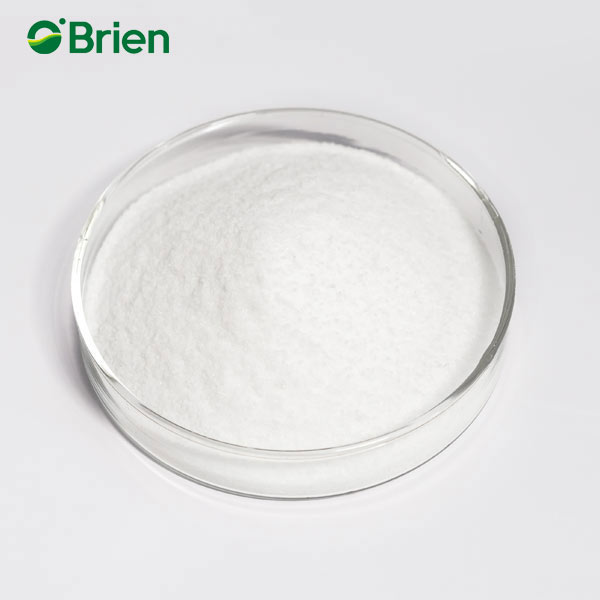

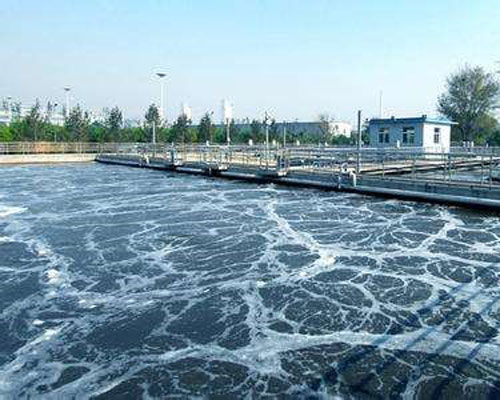
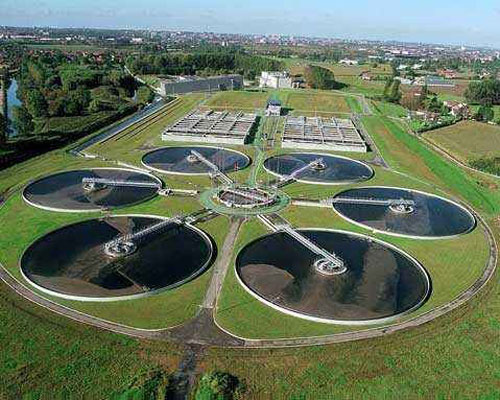
Oubo Cationic and Anionic PAM powders are industry standards for primary clarification, secondary sedimentation, and municipal sludge dewatering. Operating across centrifuges, belt filter presses, and chamber filter presses, our polymers aggregate suspended solids into dense, easily filterable flocs, drastically reducing sludge cake volume and lowering disposal costs.
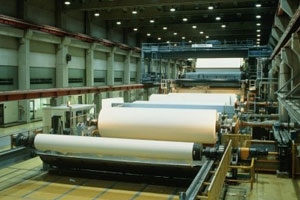
In paper wet-end chemistry, our specialized PAM polymers act as retention aids, drainage accelerators, and dry/wet strength additives. Ionic charge optimization allows maximum binding between pulp fibers and mineral fillers (PCC/GCC), enhancing sheet smoothness, tensile strength, and machine runnability while treating papermaking white water efficiently.

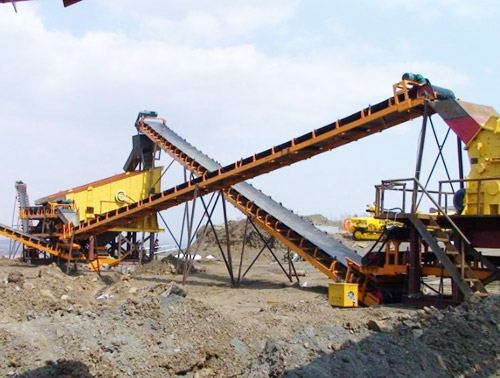
Oubo PAM products accelerate solid-liquid separation in coal washing, gold/silver hydrometallurgy, copper leaching, and iron ore processing. By speeding up thickener settling rates and dewatering mineral tailings, our polymers enable 95%+ water recycling efficiency in arid mining regions across global processing hubs.

Selecting a global chemical supplier requires absolute trust in product consistency, supply stability, and technical field support. Qingdao Oubo Chemical Co., Ltd. combines modern manufacturing infrastructure with rigorous Quality Control (QC) standards to guarantee peak performance in every bag delivered.
We utilize advanced enzymatic biological methods to produce acrylamide monomers, yielding higher chemical purity, lower monomer toxicity, and superior linear polymerization consistency compared to conventional chemical routes.
Raw materials are sourced globally from premier chemical majors including SINOPEC and Eni. Every production batch undergoes three rigorous quality verification checkpoints prior to export dispatch.
Oubo reinvests significantly into polymer chemical research and development annually. Our dedicated technical team continuously improves temperature endurance and salt resistance limits for harsh field conditions.
From laboratory mud testing and product selection to pre-sales screening, dosage optimization, and on-site field support, our engineers ensure seamless operational success.
To preserve product integrity during ocean transit and long-term field storage under high-humidity conditions, Oubo Chemical implements robust multi-layer industrial packaging options tailored to customer operational setups.
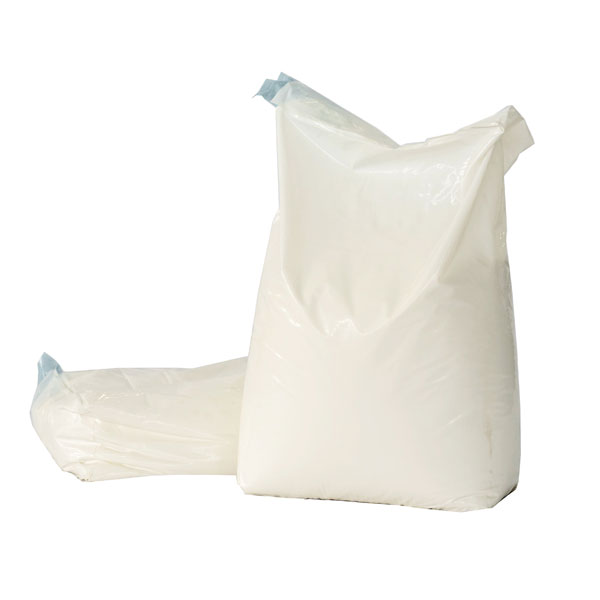
Unbranded 25kg kraft paper or PP woven bags with PE inner liner, ideal for private label distributors and custom blending houses.
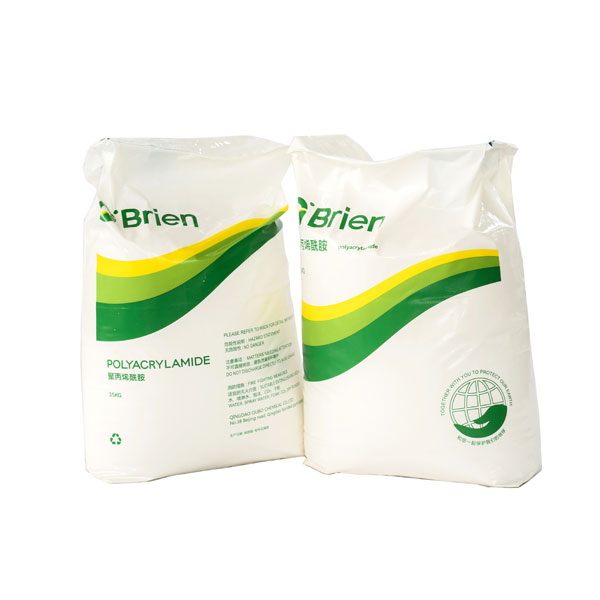
Standard O'brien branded multi-wall moisture-proof 25kg bags printed with multilingual safety specifications and batch numbers.
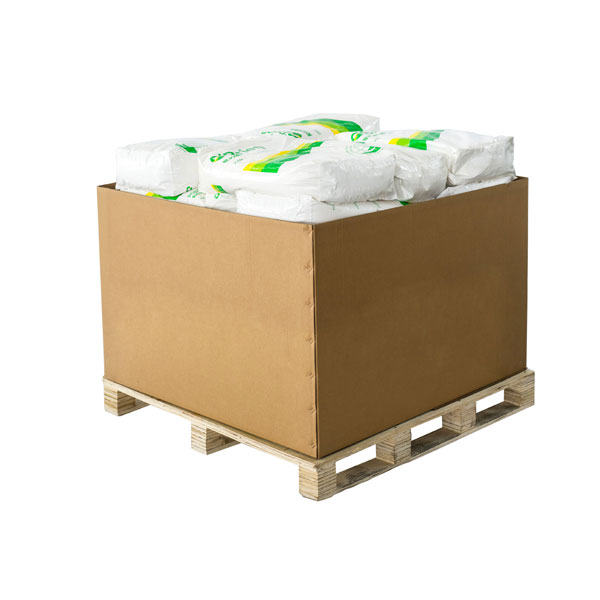
750kg and 1000kg bulk Super Sacks with bottom discharge spouts, designed for continuous automatic hopper mixing rigs.
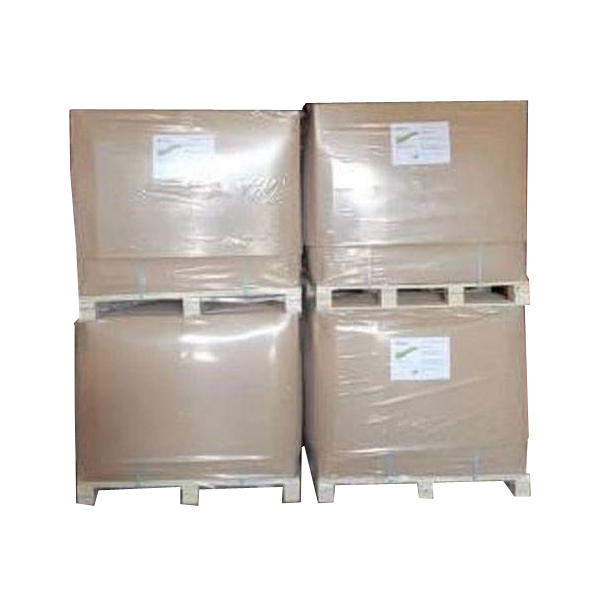
ISPM-15 compliant fumigated wooden or plastic pallets, shrink-wrapped with protective corner boards for ocean freight protection.
Navigating global regulatory landscapes requires chemical suppliers to adhere strictly to international standards. Oubo Chemical is dedicated to delivering green chemistry solutions that minimize environmental impact while maximizing operational productivity.
Our production facilities maintain ISO 9001:2008 certification, and our product line complies with international regulatory frameworks including REACH (EU), TSCA (USA), and API Spec 13A specifications for drilling fluid materials. Situated in the Qingdao Free Trade Zone, Oubo leverages fast customs clearance and direct sea routing via Qingdao Port—one of the largest shipping hubs in Asia—ensuring dependable delivery timelines to the Middle East, North America, Latin America, Europe, and Southeast Asia.
Modern offshore and onshore environmental regulations require strict control over residual monomer concentration and discharge toxicity. Oubo’s bio-acrylamide process guarantees residual monomer content below 0.05% ($\le 500\text{ ppm}$), significantly lower than conventional industrial grades. Furthermore, our R&D team actively develops non-toxic, eco-friendly drag reducers and shale inhibitors that undergo rapid natural breakdown without bioaccumulating in aquatic environments.
As hydrocarbon exploration moves into extreme ultra-deep reserves and high-salinity geothermal wells, traditional polyacrylamide structures face limitations. Oubo Chemical’s technical roadmap centers on three core innovations in polymer engineering:
Incorporating 2-Acrylamido-2-Methylpropanesulfonic Acid (AMPS) monomers into the polymer backbone introduces sulfonic acid groups ($\text{-SO}_3\text{H}$) that are highly resistant to divalent calcium ($\text{Ca}^{2+}$) and magnesium ($\text{Mg}^{2+}$) ions, extending thermal tolerance beyond 200°C in HPHT wells.
Integrating functionalized silica nanoparticles ($\text{SiO}_2$) within the polyacrylamide matrix creates crosslinked nanocomposite hydrogels. These hydrogels exhibit exceptional shear recovery, ideal for severe loss circulation control in fractured formations.
Developing temperature-responsive and shear-reversible polymer chains that dynamic-viscosify only under downhole thermal conditions, minimizing surface pumping pressure requirements while maximizing downhole transport capability.
PHPA functions through high-affinity adsorption onto the exposed polar surfaces of clay minerals. The anionic carboxylate groups ($\text{-COO}^-$) along the high-molecular-weight chain form multi-point hydrogen bonds and ionic linkages with the clay platelets. This forms a protective polymer film (encapsulation layer) around the cuttings, preventing water molecules from penetrating the shale matrix. As a result, clay hydration, swelling, dispersion, and bit-balling are significantly inhibited, preserving wellbore stability.
To avoid the formation of insoluble polymer lumps (often referred to as "fish eyes"), PAM dry powder must be slowly dispersed into a turbulent water stream using a specialized jet eductor or high-shear dispersion hopper. The typical recommended working concentration is 0.1% to 0.5% (w/v). Aging/dissolution time requires 45 to 60 minutes of low-speed stirring (100–300 RPM). Excessive shear mixing above 800 RPM should be avoided to prevent mechanical chain scission of high-molecular-weight molecules.
High concentrations of monovalent ions ($\text{Na}^+$, $\text{K}^+$) and especially divalent ions ($\text{Ca}^{2+}$, $\text{Mg}^{2+}$) compress the electrical double layer along the APAM chain. This shielding effect reduces charge repulsion between carboxylate sites, causing the extended random coil of the polymer to shrink into a compact structure. This reduces hydrodynamic volume and leads to a loss in solution viscosity. For high-salinity brines, Oubo recommends Nonionic PAM or AMPS-modified sulfonate copolymers.
Under dry, cool ($\le 35^\circ\text{C}$), and well-ventilated warehouse conditions in its original sealed moisture-proof packaging, dry PAM powder has a shelf life of 24 months. Once opened, bags should be tightly resealed to prevent ambient moisture absorption, which can cause caking over time.
Complete product catalog options engineered for specialized mining, paper strength, municipal wastewater, and oilfield viscosification requirements.
High-purity nonionic polymer designed for ore dressing settlement, leaching clarification, and heavy metal recovery.
Specialized Anionic PAM formulation enhancing inter-fiber covalent bonding and paper burst strength.
Versatile anionic polyacrylamide polymer for large-scale industrial effluent sedimentation and water recycling.
High performance settling agent engineered for municipal wastewater treatment plants and inorganic sludge thickening.
Brine-resistant thickener formulation maintaining rheological yield point under high salt downhole environments.
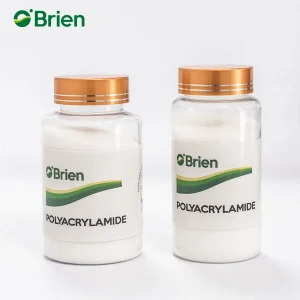
High-charge density cationic polymer maximizing cake solids dryness in centrifuge dewatering operations.
Super-high molecular weight APAM tailored for friction reduction and tertiary oil recovery injection fluids.
Rapidly dissolving Cationic PAM powder designed for chemical, pharmaceutical, and tannery effluent clarification.
 Oubo Chemical