High-purity synthetic polymers engineered for demanding downhole rheology, rapid clarification, and extreme sludge dewatering requirements.
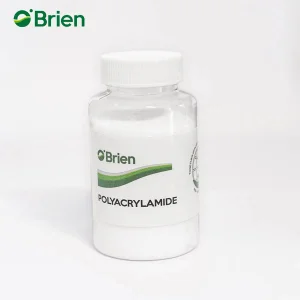
Pioneering Bio-Catalytic Polyacrylamide Manufacturing in China Free Trade Zone
Oubo Chemical Co., Ltd. was established in 2011 and is strategically headquartered in the Free Trade Zone of Qingdao, China. Operating at the global forefront of macromolecular polymer synthesis, Oubo Chemical maintains a rigorous Quality Control (QC) system designed to satisfy the demanding standards of international petroleum engineering, mining operations, and industrial environmental management. Over the past decade, our commitment to technological accumulation and customer-centric chemical engineering has yielded a continuous business growth rate exceeding 10% per year.
Qingdao Oubo Chemical Co., Ltd. is deeply committed to environmental stewardship, safety, and sustainable manufacturing practices. Our production facilities utilize state-of-the-art biological enzymatic synthesis methods to produce acrylamide monomers, a patented green process that minimizes carbon footprint and eliminates unwanted by-products (such as copper residue found in traditional catalytic routes). In 2018, our annual production capacity of Polyacrylamide (PAM) surpassed 50,000 Metric Tons. Certified under ISO 9001:2008, Oubo guarantees that every batch undergoes triple-point analytical testing before global dispatch.
To ensure unrivaled chain purity and structural consistency of our high-molecular-weight polymers, Oubo integrates a completely automated global supply chain. All key chemical precursors and monomers are sourced directly from tier-one global chemical conglomerates including SINOPEC and Eni. Our fully automated production lines coupled with dedicated technical sales teams ensure precision selection, pre-sales lab testing, downhole simulation, and reliable after-sales technical support.
Understanding Molecular Weights, Charge Densities, and Solution Rheology
Polyacrylamide (CAS Registry Number 9003-05-8) is a linear water-soluble polymer synthesized from acrylamide monomers ($\text{-CH}_2\text{-CH(CONH}_2\text{)-}$). Depending on the chemical functionalization introduced during polymerization, PAM exhibits unique physical forms and ionic characteristics categorized into four primary branches: Anionic (APAM), Cationic (CPAM), Nonionic (NPAM), and Amphoteric PAM.
Copolymerized with acrylic acid derivatives, APAM carries a negative functional charge. Available in molecular weights spanning from $6\text{ Million}$ to over $30\text{ Million Daltons}$. Essential for Enhanced Oil Recovery (EOR), drilling fluid viscosity building, clay shale suppression, paper dry-strength enhancement, and neutral-to-alkaline solid-liquid separation.
Synthesized by copolymerizing acrylamide with cationic monomers such as DAC (Acryloyloxyethyltrimethylammonium chloride) or DMC. CPAM exhibits high positive charge density ($10\% - 80\%$) designed for neutralizing negatively charged organic colloids in municipal sludge dewatering, belt filter pressing, centrifugal separation, and paper wet-end retention.
Homopolymerized acrylamide featuring neutral amide groups. NPAM forms powerful hydrogen bonds with mineral surfaces. It demonstrates supreme stability in acidic wastewater streams, highly saline environments, and mineral tailings beneficiation where ionic surfactants fail to bridge suspended solids.
Tailored Polymer Applications across Global Infrastructure and Resource Extraction
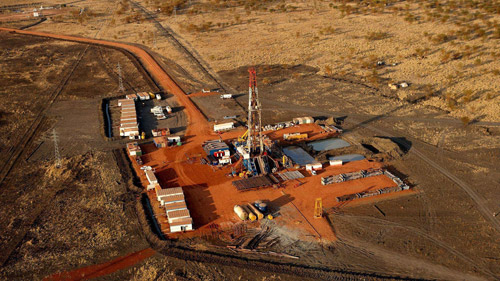
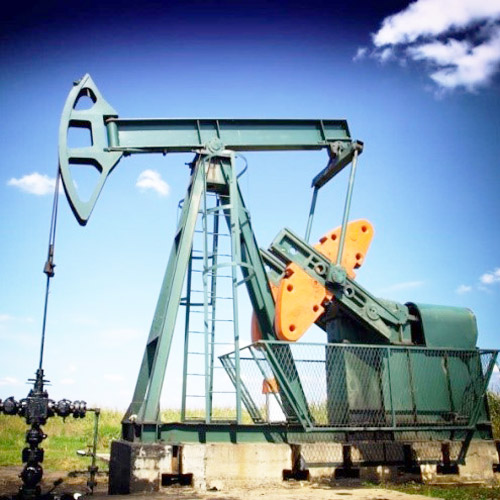
In upstream petroleum engineering, Polyacrylamide plays a foundational role in optimizing drilling dynamics and maximizing sweep efficiency during tertiary oil recovery:
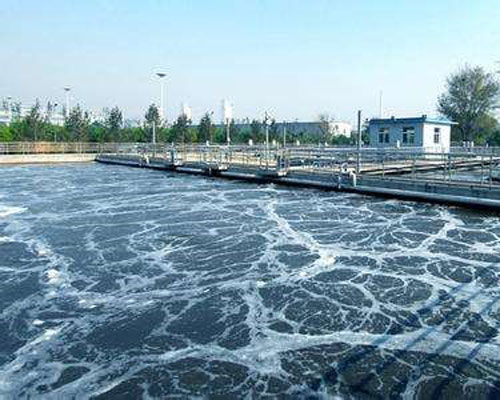
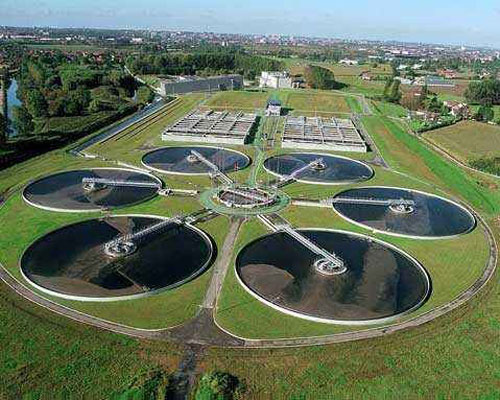
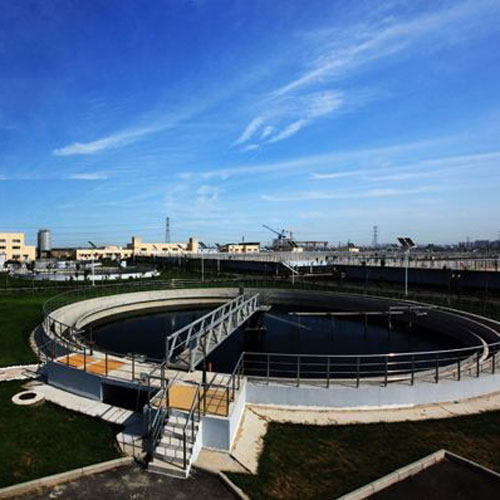
As industrial water reuse regulations tighten globally, PAM serves as an indispensable primary flocculant and sludge conditioner:
By bridging colloidal particles through charge neutralization and polymer-chain adsorption, Oubo Polyacrylamide accelerates solid-liquid settling rates in primary clarifiers and dissolved air flotation (DAF) units. In municipal sewage, petrochemical effluent, food processing wastewater, and pharmaceutical discharge, CPAM facilitates compact floc structure creation, reducing filter cake moisture content during belt-press, screw-press, and centrifugal sludge dewatering.
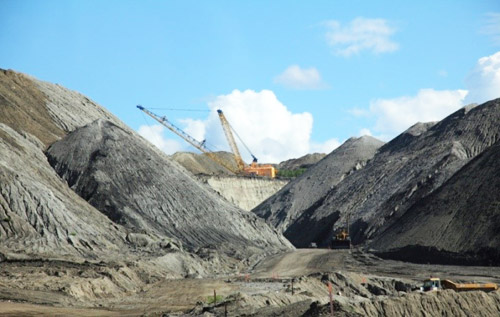
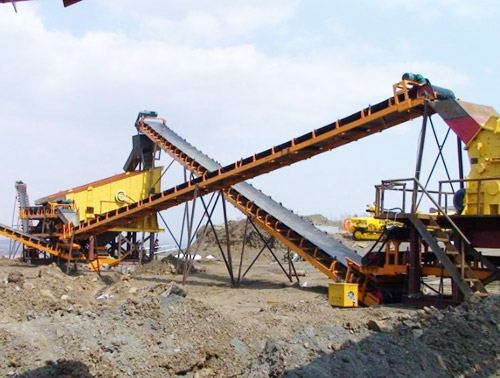
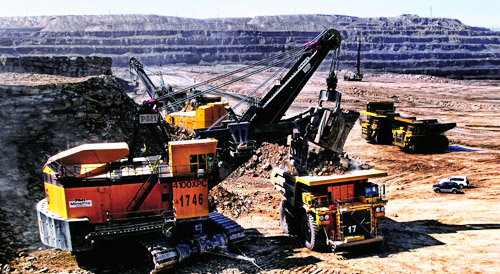
Efficient solid-liquid separation is crucial for tailings management and mineral recovery in coal, gold, silver, copper, iron, and nickel beneficiation:
In coal washing plants, high-molecular-weight APAM rapidly settles fine coal clay slurry in thickeners. In base metal hydrometallurgy, tailored NPAM and APAM grades ensure high overflow clarity and dense underflow slurry, facilitating cake filtration and preserving precious process water for circular mill reuse.
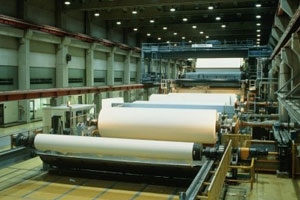
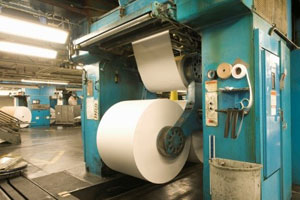
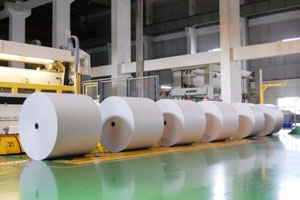
Polyacrylamide acts as a high-efficiency functional additive at the papermaking wet-end:
Beyond oil and water, specialized chemical grades cater to agricultural and textile manufacturing sectors:
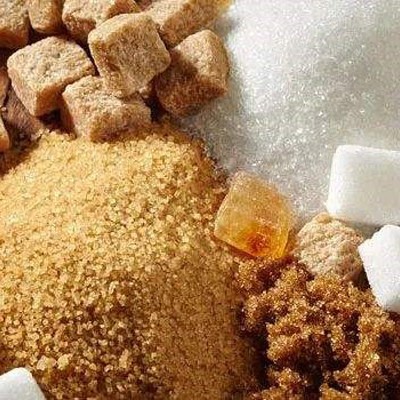
Food-grade anionic polyacrylamide facilitates rapid juice clarification and scum flotation during sugarcane and sugar beet extract processing, improving syrup purity and crystallization yields.
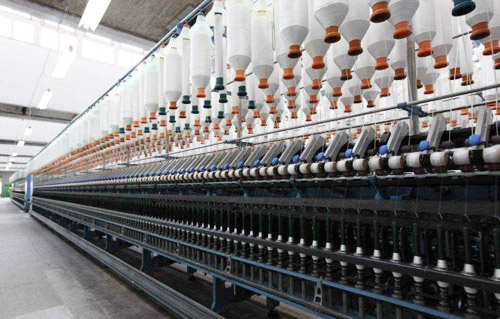
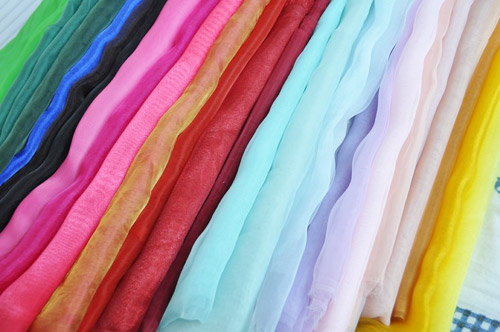
PAM serves as a warp sizing agent to prevent yarn breaks during high-speed weaving. In textile dye wastewater, CPAM decolors concentrated reactive dye streams effectively.

Standard Industrial Specifications across Anionic, Cationic, and Nonionic Product Lines
| Polymer Ionic Class | Molecular Weight (Million) | Charge Density / Hydrolysis | Solid Content (%) | Dissolution Time | Primary Field Application |
|---|---|---|---|---|---|
| Anionic (APAM) - High MW | $18.0 - 28.0\text{ Million}$ | $20\% - 30\%$ Hydrolysis | $\ge 88\%$ Powder | $\le 60\text{ Mins}$ | Enhanced Oil Recovery (EOR), Drilling Fluid Viscosifier |
| Anionic (APAM) - Ultra High MW | $25.0 - 30.0\text{ Million}$ | $15\% - 25\%$ Hydrolysis | $\ge 88\%$ Powder | $\le 50\text{ Mins}$ | Coal Washing Tailings, Mineral Settling, Flocculant |
| Cationic (CPAM) - Low Charge | $8.0 - 12.0\text{ Million}$ | $10\% - 30\%$ Cationicity | $\ge 89\%$ Powder | $\le 45\text{ Mins}$ | Paper Retention Aid, Inorganic Sludge Dewatering |
| Cationic (CPAM) - High Charge | $10.0 - 14.0\text{ Million}$ | $40\% - 80\%$ Cationicity | $\ge 89\%$ Powder | $\le 45\text{ Mins}$ | Municipal Sludge Dewatering (Centrifuge / Belt Press) |
| Nonionic (NPAM) | $6.0 - 15.0\text{ Million}$ | $< 3\%$ Hydrolysis | $\ge 88\%$ Powder | $\le 60\text{ Mins}$ | Acidic Industrial Effluent, High-Salinity Leaching |
Next-Generation Polymer Innovation for Extreme Reservoir & Environmental Demands
To conquer High-Temperature High-Salinity (HTHS) reservoirs ($>100^\circ\text{C}$, salinity $>100,000\text{ ppm}$), Oubo is commercializing Hydrophobically Associating Polyacrylamide (HAPAM) modified with thermal-resistant AMPS (2-Acrylamido-2-methylpropanesulfonic acid) monomers, ensuring zero shear degradation under extreme shear rates.
Advancing our proprietary microbiological catalytic technology, Oubo is lowering energy consumption by $35\%$ while achieving ultra-pure monomer feedstock. This eliminates residual copper ions and guarantees unbranched polymer chain growth with tight molecular weight distribution control.
Engineered for fragile offshore ecosystems and stringent European water directives, our R&D roadmap includes biodegradable ester-functionalized polymer backbones that degrade naturally in soil and marine environments post-treatment without leaving micro-plastic footprints.
Expert Guidance on Selection, Dissolution Protocols, and Operational Optimization
Standardized Moisture-Barrier Packaging Designed for International Ocean Transport
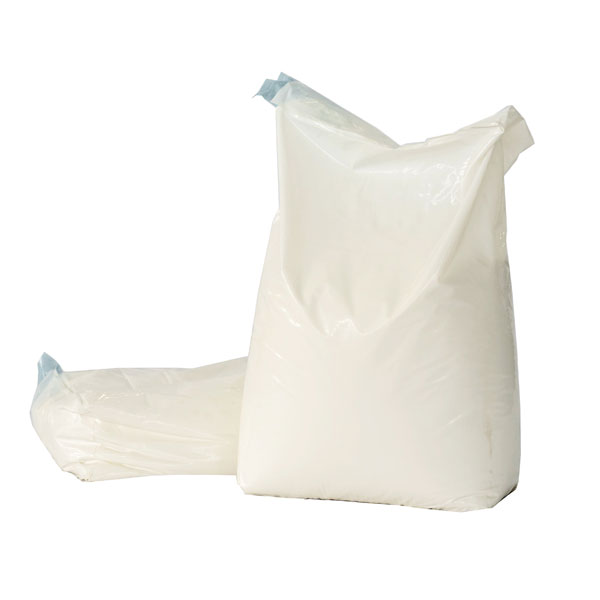
25kg PE/Kraft Paper multi-wall bags with inner plastic liner for OEM re-branding.
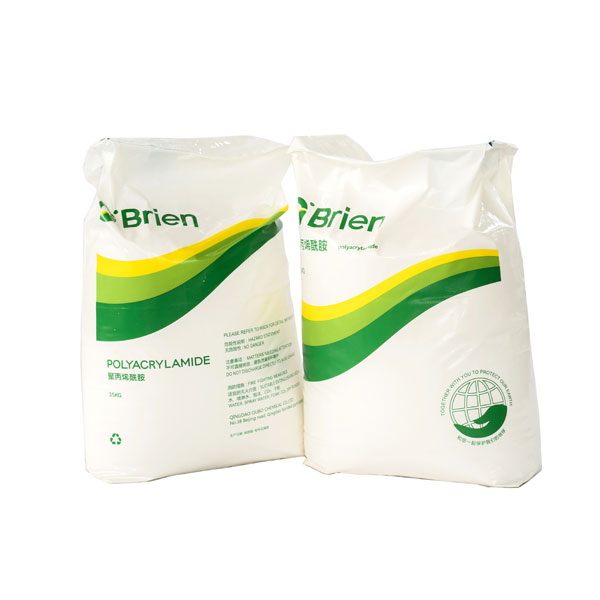
Standard heavy-duty branded export bags with technical specs and safety batch coding.
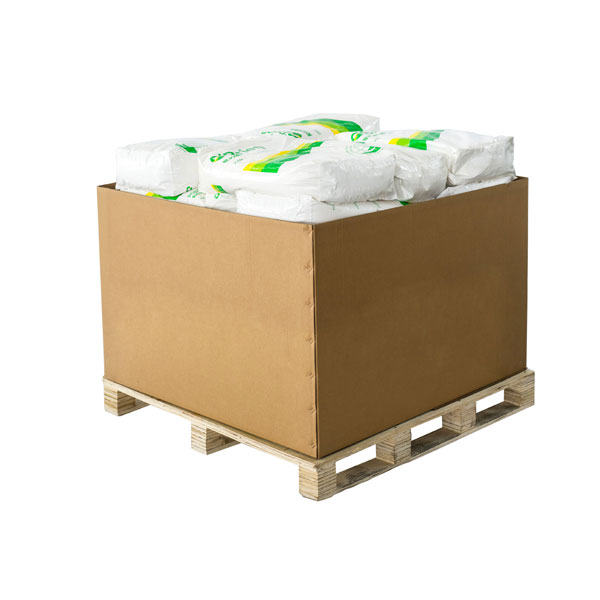
750kg - 1000kg Big Bags equipped with bottom discharge spouts for automated mining silos.
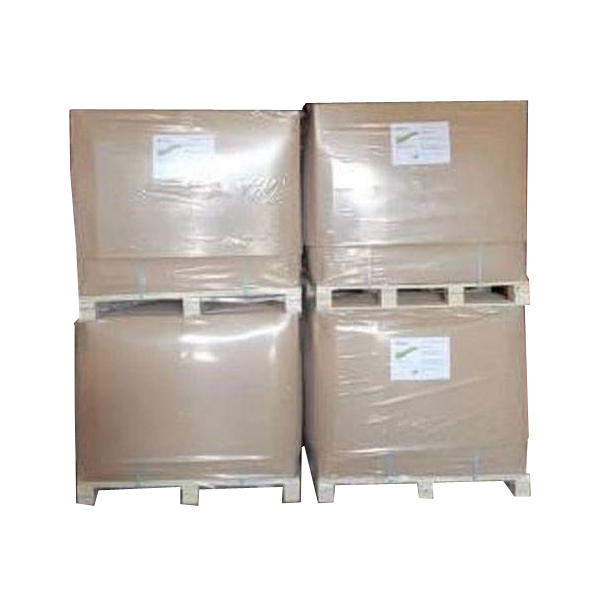
Fumigated wooden/plastic pallets, thermal shrink-wrapped for marine container security.
Explore our extended portfolio of nonionic, anionic, and cationic flocculants and coagulants.
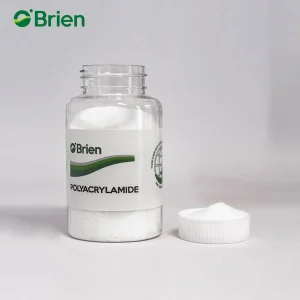
 Oubo Chemical