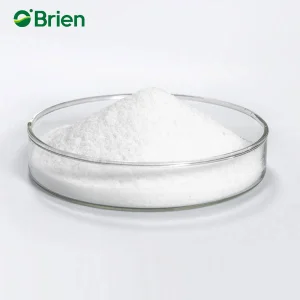
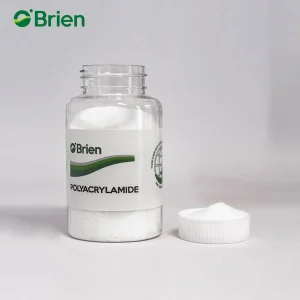
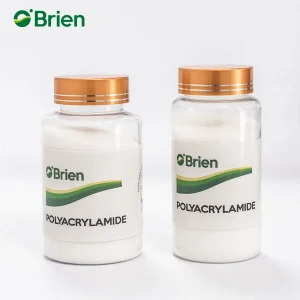
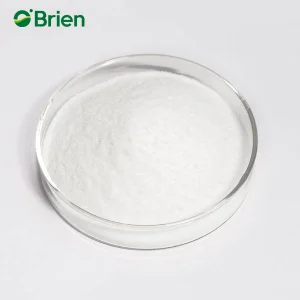
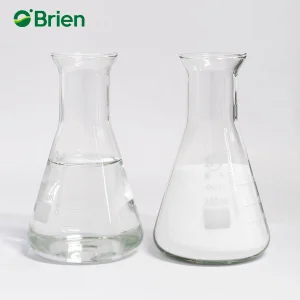
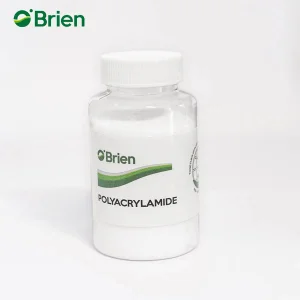
Premium grade flocculants, decoloring agents, and synthetic polymers engineered for high-efficiency solid-liquid separation and industrial effluent treatment.
An authoritative evaluation of chemical decoloring mechanisms, biological polymer synthesis, and global procurement strategies directly from Qingdao, China.
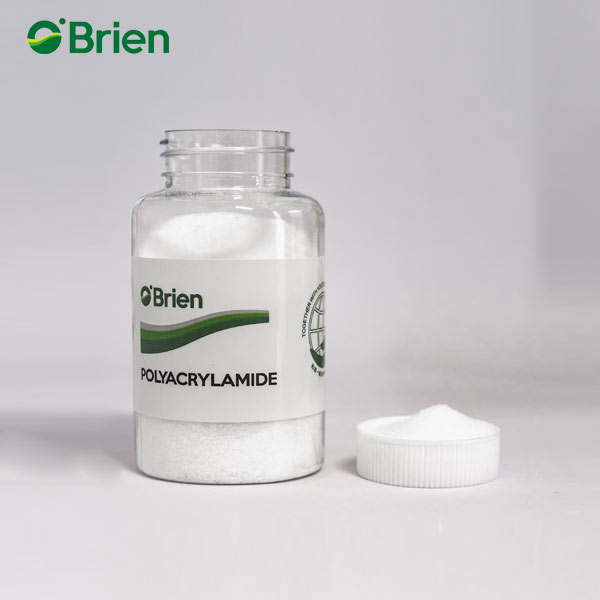
Industrial effluent decolorization and mineral/oil processing demand complex chemical interactions to strip suspended organic chromophores, emulsified hydrophobic lipids, and colloidal dyes. Polyacrylamide (PAM), synthesized through the polymerization of acrylamide monomers ($C_3H_5NO$), serves as the cornerstone synthetic macromolecule across these operations. Available in water-soluble ionic variations—Cationic (CPAM), Anionic (APAM), Nonionic (NPAM), and Mannich-modified derivatives—PAM alters molecular surface charges to collapse double-layer repulsions around suspended particles.
When deployed as an oil decoloring agent or secondary clarifier, specialized cationic polymers exhibit high charge density. These positively charged quaternary ammonium groups neutralize the negative zeta potential of emulsified oil droplets, organic dyes, and humic substances. This electrostatic charge neutralization causes rapid coagulation, allowing long-chain polymer bridges to form dense, easily filterable micro-flocs. Consequently, Chemical Oxygen Demand (COD), Biological Oxygen Demand (BOD), and total color units (ADMI/Pt-Co) drop dramatically.
Unlike traditional chemical hydrolysis methods that yield residual monomer impurities, Qingdao Oubo Chemical Co., Ltd utilizes a proprietary biological enzymatic method to produce high-purity Polyacrylamide. This patented process ensures ultra-high molecular weight retention (up to 22 Million Daltons), minimal monomer toxicity (acrylamide residual < 0.05%), and unprecedented thermal stability under harsh operational conditions.
The global market for water clarification chemicals and oil decoloring polymers is undergoing a profound structural shift driven by three primary vectors:
Established in 2011 inside the Free Trade Zone of Qingdao, China, Oubo Chemical Co., Ltd. leads global polymer manufacturing through rigorous QA/QC engineering and sustainable production.
Unmatched upstream raw material integration, state-of-the-art automated manufacturing lines, and strategic port logistics give Chinese manufacturers a definitive global edge.
Oubo Chemical secures core precursor raw materials globally and locally from tier-one energy giants like SINOPEC and Eni. Direct pipeline and bulk container feeding of high-purity acrylonitrile drastically reduces raw material variance and insulates procurement from global market volatility.
Situated strategically in the Qingdao Free Trade Zone, our facility offers rapid customs clearance, containerized consolidation, and direct deep-sea maritime shipping access. This cuts lead times to major ocean hubs in Europe, the Americas, Africa, and Southeast Asia by up to 7 days.
Quality assurance is paramount. Every single batch undergoes three distinct analytical tests conducted by our specialized QC engineers: raw material assay check, in-line biological polymerization monitoring, and final mesh-size viscosity testing prior to palletization and sealing.
Engineered chemical parameters for optimal performance across varied industrial substrates and pH spectrums.
| Ionic Type | Molecular Weight (Million) | Charge Density / Degree | Solid Content (%) | Primary Industrial Applications |
|---|---|---|---|---|
| Cationic (CPAM) | 8.0 - 15.0 | 5% - 80% (High/Med/Low) | ≥ 88% | Textile dyeing wastewater, municipal sludge dewatering, oily effluent clarification, paper retention. |
| Anionic (APAM) | 6.0 - 25.0 | 10% - 60% (High/Med/Low) | ≥ 88% | Coal washing tailings, oilfield EOR, municipal sewage settling, sugar refining clarification. |
| Nonionic (NPAM) | 5.0 - 12.0 | < 3% Hydrolysis | ≥ 88% | Acidic wastewater flocculation, mineral dressing, oilfield drilling mud loss prevention, soil stabilization. |
Tailored chemical treatments delivering optimal separation efficiency, cost savings, and regulatory compliance across major global industries.
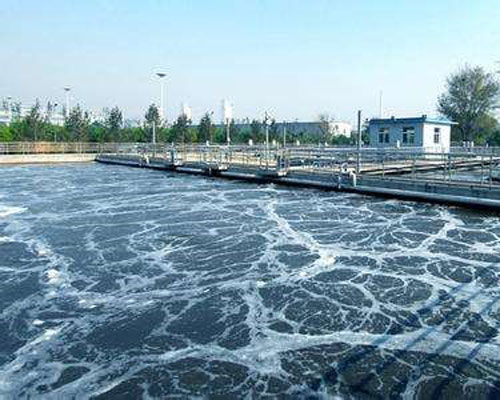
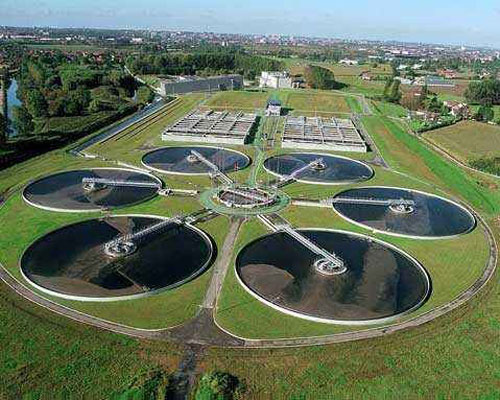
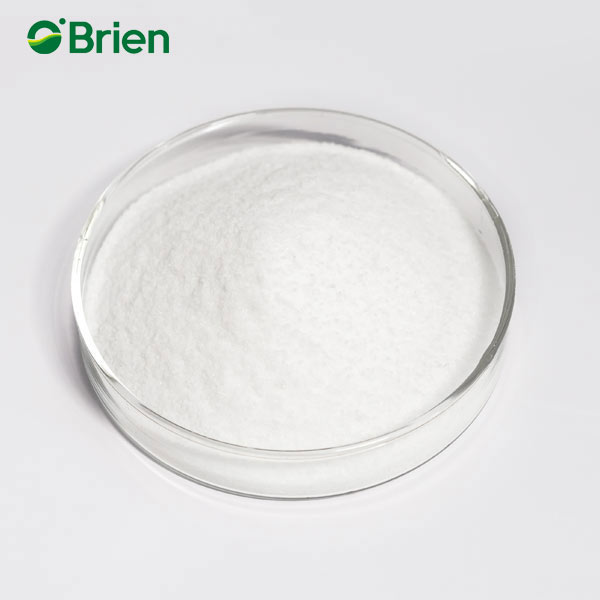
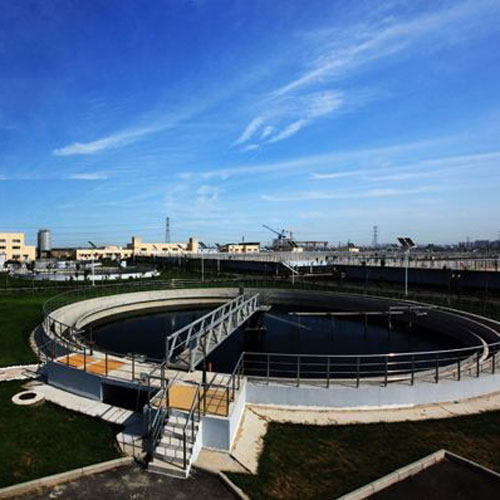
As a flocculating agent, mainly used in industrial solid-liquid separation processes, including settlement, clarification, concentration, and sludge dewatering. Polyacrylamide plays an important role in municipal sewage treatment and industrial wastewater treatment. Increasingly stringent environmental regulations promote the development of the water treatment industry.
For the municipal sewage treatment industry, it is also widely used in leather, paper making, citric acid, vegetable protein extraction, dyeing, pharmaceutical, incense, and all kinds of industrial effluent.
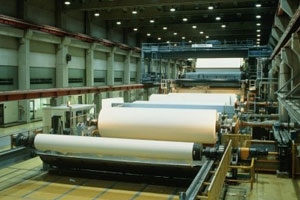
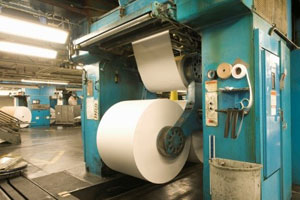
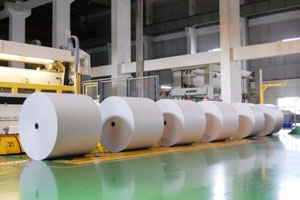
In the pulp and paper industry, PAM functions as a dry strength agent, retention agent, and filter aid. They greatly improve paper quality, enhance physical paper strength, reduce fiber loss, treat white water, and provide significant flocculation in deinking processes.

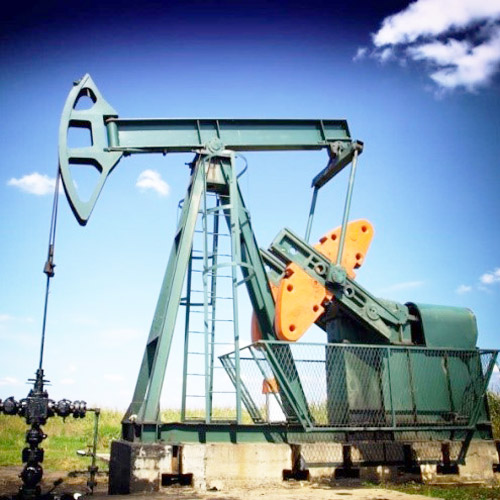
Polyacrylamide is widely used in oil exploration, profile control, plugging agents, drilling fluids, and fracturing fluids additives. Key applications include fluid loss reduction, shale inhibition, dilution, drill bit lubrication, cuttings transport, and well cementing.

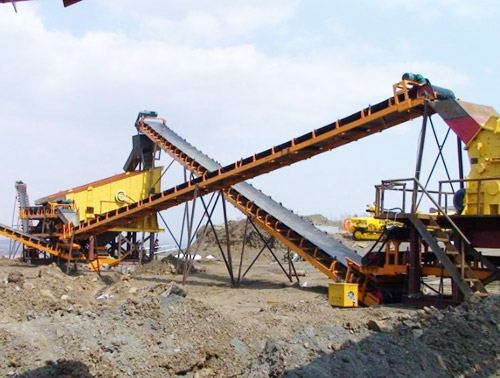

Used extensively to separate minerals and ore, treat washing wastewater, and seal mining conduits. Our full range of polymers suits varied mining requirements:
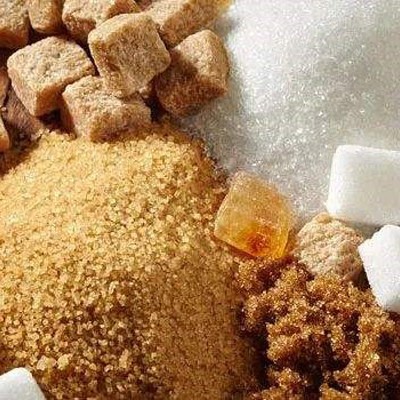
Polyacrylamide polymers are utilized in juice clarification and flotation processes during sugar manufacturing. APAM and NPAM grades ensure ultra-rapid mud settling, increased sugar juice clarity, and higher yield extraction in sugarcane and sugar beet refineries.
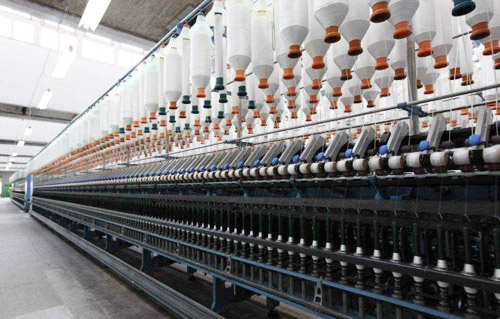

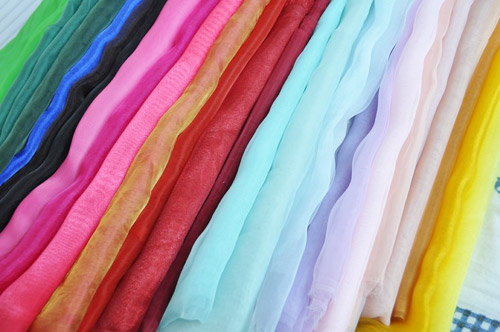
In textile manufacturing, PAM functions as a sizing agent, finishing agent, and fabric treatment component. In dyeing wastewater plants, specialized Cationic Polyacrylamide acts as an efficient decoloring flocculant, removing stubborn reactive and azo dye residues.
Customized OEM packaging formats designed for long-distance maritime export, moisture prevention, and automated dosing hoppers.
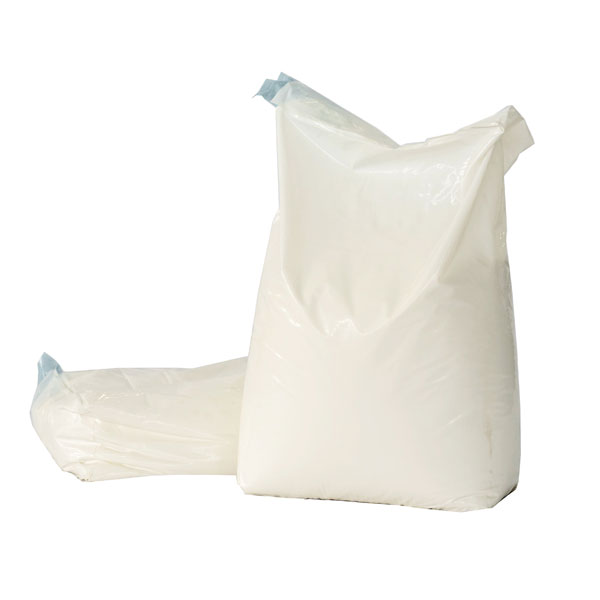
Neutral white multi-wall paper/PE bags, ideal for distributor private labeling.
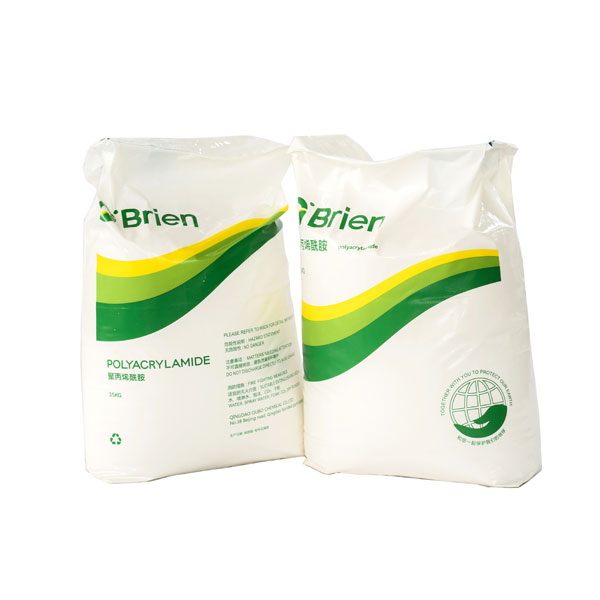
Standard Oubo enterprise branded 25kg valve bags with humidity barrier lining.
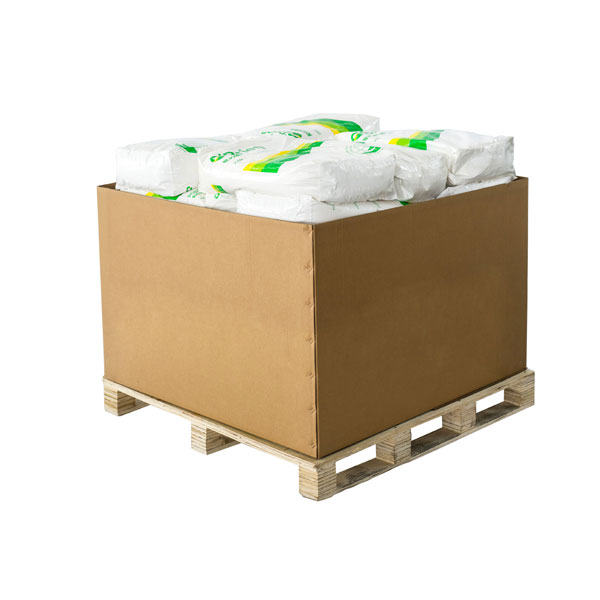
750kg – 1000kg Big Bags (FIBC) for high-volume automated industrial dissolution systems.
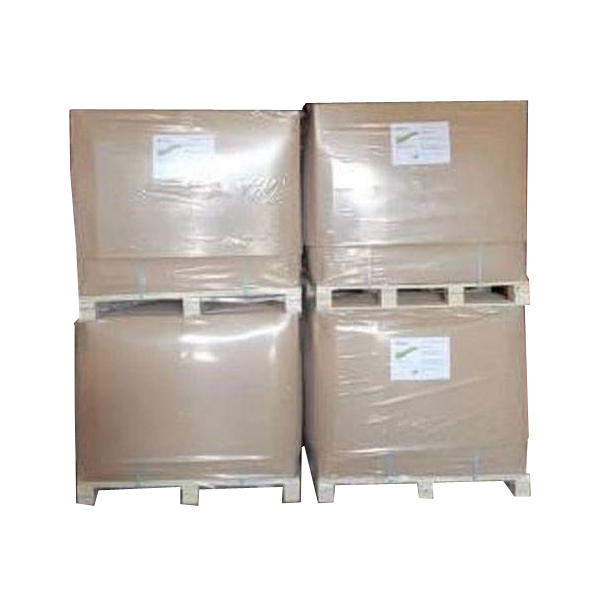
Fumigated wooden/plastic pallets wrapped with stretch film for sea freight stability.
Key considerations for international chemical buyers, plant managers, and municipal water procurement officers when selecting China polymer manufacturers.
Effective oil decoloring and flocculation start with precise bench-scale Jar Testing. Factors like water pH, total dissolved solids (TDS), charge density, and temperature determine whether an APAM or CPAM variant produces the fastest settling velocity and clearest supernatant liquid.
Synthetic polyacrylamide powders require precise hydration. Stock solutions should ideally be prepared at 0.1% to 0.5% concentrations using low-shear agitators to prevent mechanical chain-scission. Dissolution times typically range from 45 to 60 minutes.
PAM powders are hydroscopic. Dry storage under 35°C in sealed original packaging guarantees a shelf life of up to 24 months. Direct port loading from Qingdao Free Trade Zone guarantees reliable ocean logistics schedules worldwide.
Expert technical answers regarding Polyacrylamide, Oil Decoloring Flocculants, and Factory Procurement.
A: Decoloring agents work through dual mechanisms: electrostatic charge neutralization and polymer bridging. Industrial dyeing and oil emulsions carry negative colloidal charges. Cationic Polyacrylamide (CPAM) or specialized polymer color-removal resins introduce strong cationic charge fields that destabilize colored chromophores and emulsified droplets. Once neutralized, long-chain PAM polymers bridge the destabilized particles into large, dense micro-flocs that rapidly settle or float via Dissolved Air Flotation (DAF).
A: Biological enzymatic synthesis utilizes biocatalysts to convert acrylonitrile into acrylamide at ambient temperatures without harsh catalytic acids or heavy metals. This results in an ultra-pure polymer chain with significantly lower residual acrylamide monomer (under 0.05%), higher molecular weight potential (exceeding 20 Million Daltons), and enhanced environmental safety for potable and sensitive discharge applications.
A: Selection depends on slurry charge, pH, and solid composition:
A: Qingdao Oubo Chemical Co., Ltd surpassed an annual capacity of 50,000 Metric Tons in 2018. Located within the Free Trade Zone of Qingdao, standard export orders are processed, quality-inspected, and loaded onto vessel containers within 7 to 14 business days.
Discover our comprehensive collection of specialized PAM formulations for oil recovery, mining, papermaking, and environmental sanitation.
 Oubo Chemical