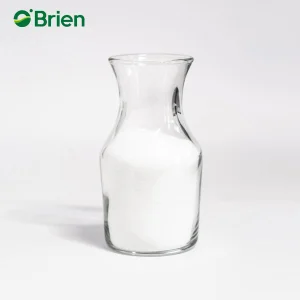
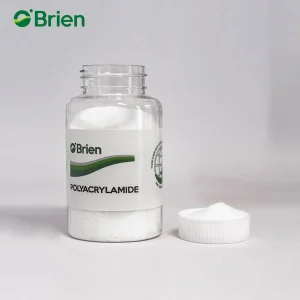
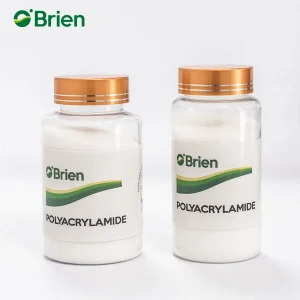
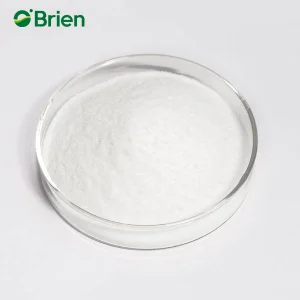
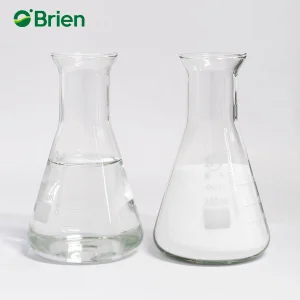
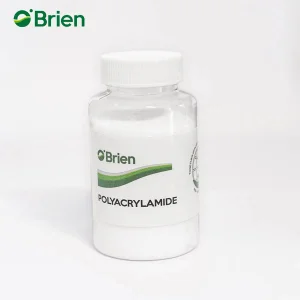
Explore our premium grade nonionic, anionic, and cationic polyacrylamide polymers tailored for extreme pH, high shear, and demanding municipal & industrial environments.
In modern industrial chemistry, Nonionic Polyacrylamide (NPAM) represents a vital class of water-soluble linear high-molecular polymers. Characterized by its neutral backbone and lack of ionic functional groups (such as carboxylate or quaternary ammonium charges), NPAM exhibits extraordinary hydrogen-bonding bridging capabilities. Unlike ionic derivatives—Anionic Polyacrylamide (APAM) and Cationic Polyacrylamide (CPAM)—NPAM operates almost independently of electrical double-layer suppression, making it the premier chemical agent for highly acidic, saline, or complex liquid-solid separation environments.
As global environmental regulations tighten—exemplified by the EU Industrial Emissions Directive, US EPA Clean Water Act standards, and China's 14th Five-Year Ecological Plan—industrial plants are forced to adopt ultra-efficient water recycling and dewatering solutions. China has established itself as the world's primary engine for advanced polyacrylamide manufacturing. Leading this transformation is Qingdao Oubo Chemical Co., Ltd. (operating under the global trademark O'brien), based in the Qingdao Free Trade Zone. By integrating biological enzymatic polymerization methods with automated continuous lines, China NPAM manufacturers provide the global market with unparalleled cost efficiency, chemical purity, and supply security.
In acidic suspensions (pH < 4.5), carboxylic groups on anionic polymers protonate and lose charge, causing molecular chains to coil and collapse. Cationic polymers often undergo hydrolysis or severe inter-molecular repulsion under extreme inorganic salt matrix conditions. NPAM relies on amide groups ($-CONH_2$) to form dense hydrogen bonds with hydroxylated particle surfaces, maintaining linear extension and robust flocculation bridging regardless of solution pH.
Established in 2011 within the strategic logistics hub of the Qingdao Free Trade Zone, Oubo Chemical Co., Ltd. has grown into an international leader in polymer synthesis and water treatment chemistry. Over more than a decade of dedicated chemical innovation, Oubo has maintained a consistent annual business growth rate exceeding 10%, scaling its annual polyacrylamide production capacity past 50,000 Metric Tons.
Unlike traditional chemical catalyst routes (such as copper-catalyzed hydration) which leave toxic heavy metal traces and side-products, Oubo utilizes state-of-the-art biological enzymatic conversion to yield ultra-pure Acrylamide monomer. This proprietary biological process ensures exceptionally high molecular weight linearity, a narrow molecular weight distribution, and residual monomer levels strictly under 500 ppm (0.05%).
Oubo operates fully automated continuous synthesis lines certified under ISO 9001:2008. Strategic raw materials are directly procured from tier-one global chemical conglomerates including SINOPEC and Eni. Every single production batch undergoes a mandatory 3-stage Quality Control testing regimen (raw material verification, in-process polymerization kinetics, and post-drying mesh/viscosity testing) before dispatch.
Leading global manufacturer using patented biological methods. Reinvesting up to €200M per year into technical accumulation and bio-polymer research.
Global supply chain backed by SINOPEC & Eni raw materials. Fully automated production lines with triple batch testing protocols prior to shipping.
Over 8–12 years of specialized focus on PAM synthesis. Highly competitive factory-direct pricing matched with superior chemical purity.
Dedicated chemical engineering team involved in pre-sales testing, jar tests, dosage optimization, and post-purchase plant integration.
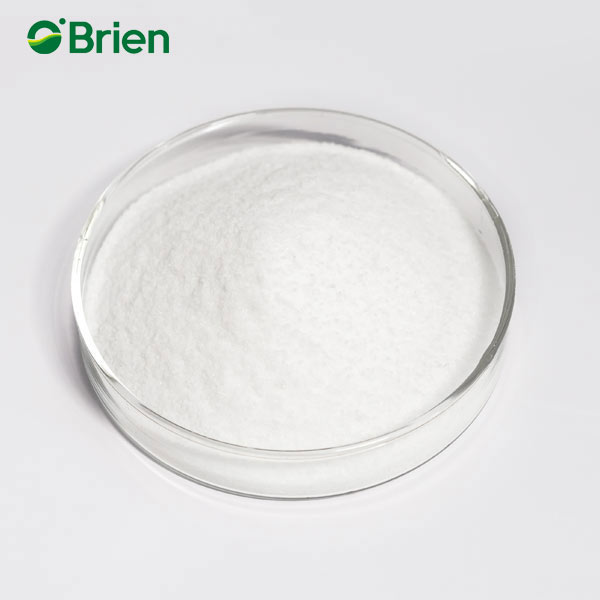
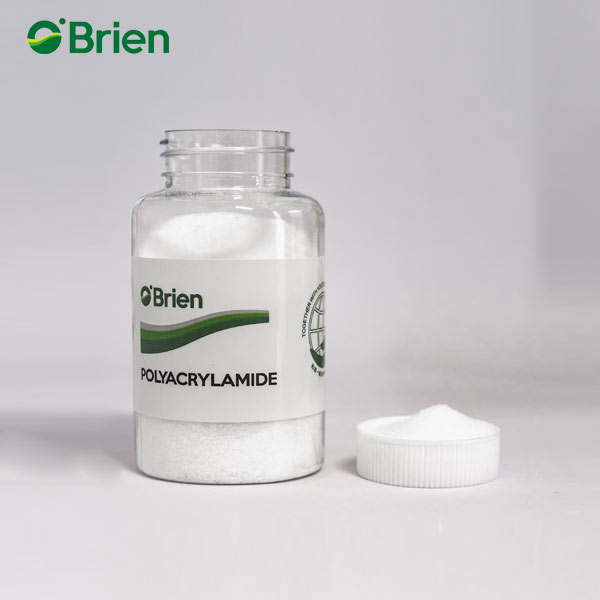
Polyacrylamide (PAM) $[-(CH_2-CHCONH_2)_n-]$ is a synthetic, water-soluble acrylamide polymer. Nonionic Polyacrylamide is produced through homopolymerization of acrylamide without hydrolysis modifications, retaining a neutral chemical structure with low degree of hydrolysis ($< 3\%$).
| Technical Parameter | Standard NPAM Grade | High Molecular Weight NPAM | Oilfield Drilling / Acidic Grade NPAM |
|---|---|---|---|
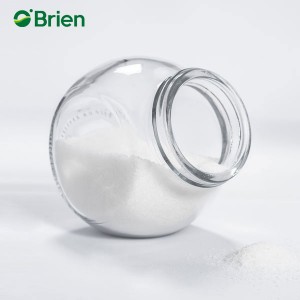
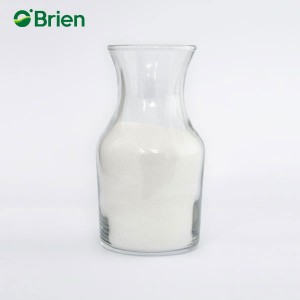
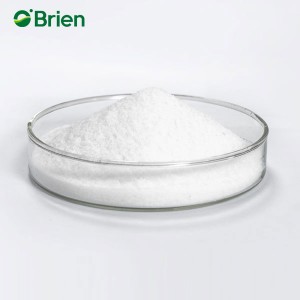
| Appearance | White Granular Powder | White Granular Powder | White / Off-white Powder |
| Molecular Weight (Mw) | 3 Million – 8 Million Daltons | 9 Million – 15 Million Daltons | 8 Million – 12 Million Daltons |
| Degree of Hydrolysis (HD) | ≤ 3.0% | ≤ 2.0% | ≤ 1.5% |
| Solid Content (%) | ≥ 88.0% | ≥ 89.0% | ≥ 90.0% |
| Dissolving Time (Mins) | ≤ 60 Mins (in 25°C Water) | ≤ 90 Mins (in 25°C Water) | ≤ 60 Mins |
| Insoluble Content (%) | ≤ 0.2% | ≤ 0.1% | ≤ 0.1% |
| Residual Monomer (%) | ≤ 0.05% (500 ppm) | ≤ 0.05% (500 ppm) | ≤ 0.03% (300 ppm) |
| Effective pH Range | pH 1.0 – pH 8.0 | pH 2.0 – pH 8.0 | pH 1.0 – pH 7.5 |
While anionic polymers rely on ionic bonding with positively charged metal cations ($Ca^{2+}, Mg^{2+}, Al^{3+}$) and cationic polymers neutralize negative colloidal surfaces, Nonionic PAM operates primarily through adsorption bridging and hydrogen bonding. The primary amide functional group ($-CONH_2$) contains a highly electronegative oxygen atom and a hydrogen-donor nitrogen group, which readily form hydrogen bonds with hydroxyl, silicate, and metallic oxide surfaces.
Long nonionic polymer chains extend far into the solution phase, capturing multiple suspended micro-particles simultaneously to form large, dense macro-flocs with rapid settling velocities.
Because the molecular chain carries zero net electrical charge, NPAM does not undergo chain coiling or charge neutralization failure when exposed to high-salinity brines or heavy mineral ion concentrations.
In low pH environments (e.g., sulfuric acid leach liquor at pH 1–2), ionic polymers lose charge density due to ion suppression. NPAM maintains its uncharged, linear backbone, ensuring optimal flocculation performance.
Oubo's O'brien brand Nonionic Polyacrylamide series provides engineered solutions tailored across vital global industries:
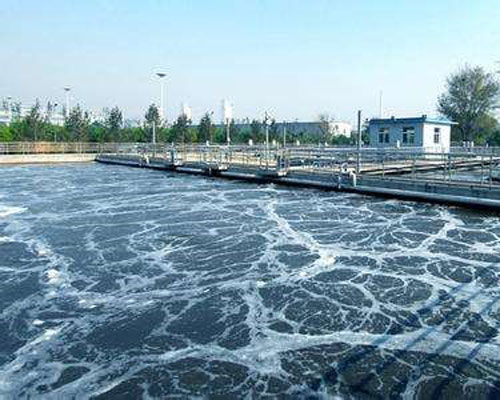
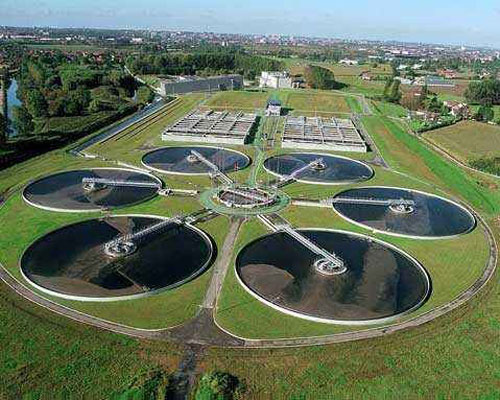
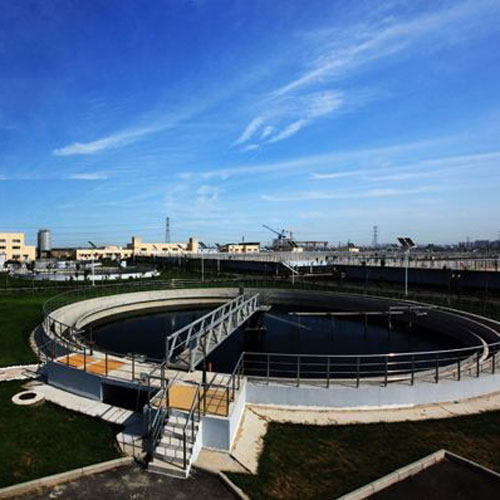
NPAM serves as a premier solid-liquid separation agent in municipal sewage treatment plants and complex industrial wastewater treatment processes including sedimentation, clarification, thickening, and sludge dewatering.
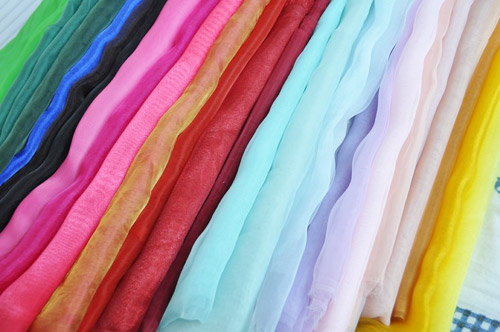
Municipal & Industrial Effluents: Particularly effective in treating acidic effluents produced by leather processing, citric acid extraction, incense manufacturing, vegetable protein extraction, pharmaceutical synthesis, and textile dyeing.
Sludge Dewatering Enhancement: When combined with inorganic coagulants (PAC or PFS), high molecular weight NPAM produces fast-dewatering flocs, reducing filter cake moisture content in belt filter presses and centrifuges.
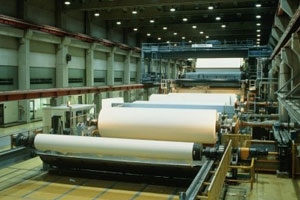
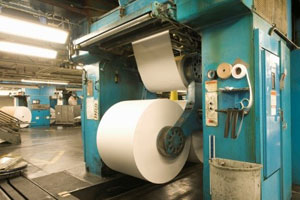
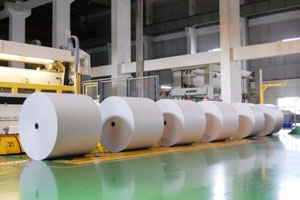
In paper and pulp processing, NPAM serves dual roles as a dry strength agent, retention aid, filter aid, and dispersant.
Significantly improves the retention rate of fine fibers, titanium dioxide, calcium carbonate, and mineral fillers while accelerating wire drainage speeds.
Interacts with pitch and organic debris in the wet-end system, balancing system charges and preventing deposit formation on papermaking felts.
Amide-to-fiber hydrogen bonds increase inter-fiber bond strength, enhancing tensile index, burst strength, and sheet uniformity during high-speed papermaking.
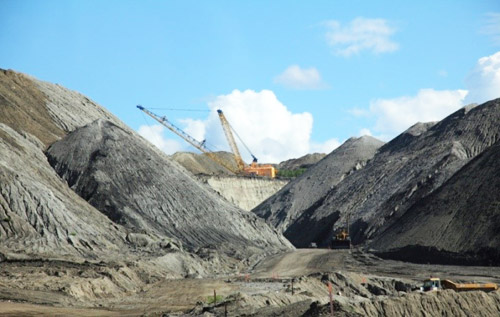
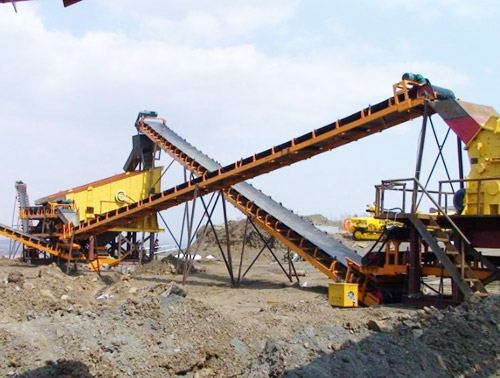
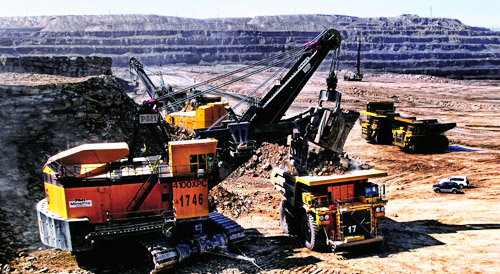
Mining extraction requires solid-liquid separation under severe conditions, including highly acidic leach fluids in hydrometallurgy. NPAM is globally recognized for mineral slurry thickening and tailings management.
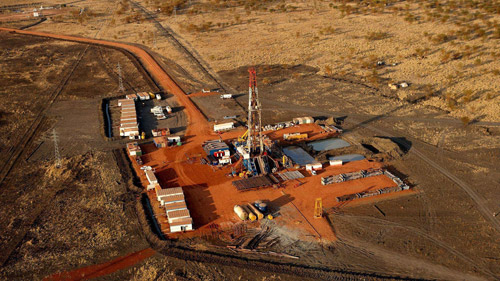
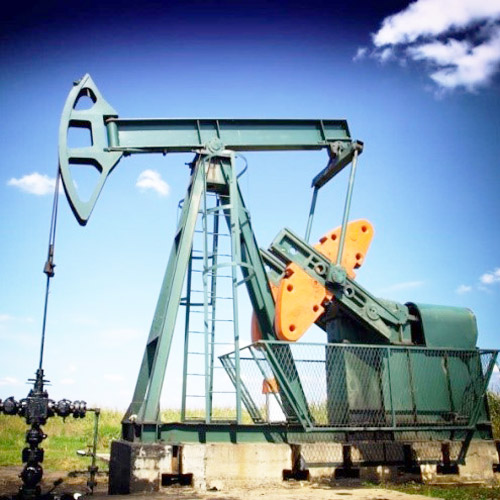
In oil exploration and production, NPAM acts as a versatile fluid loss reducer, shale stabilizer, and viscosity modifier.
Drilling Fluids Additive: Controls fluid loss into porous formations, lubricates drill bits, cools the drill string, carries drill cuttings, and prevents shale hydration and borehole collapse.
Enhanced Oil Recovery (EOR) & Profile Control: Maintains structural viscosity under high salinity brines and elevated formation temperatures, boosting sweep efficiency in secondary oil recovery.
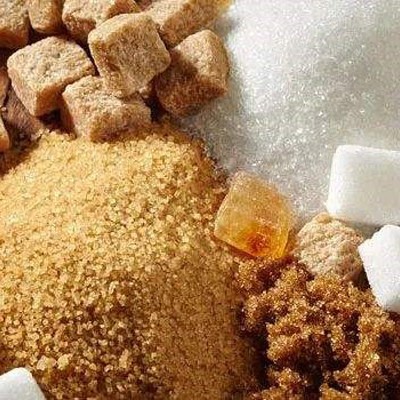
Accelerates cane juice and beet sugar syrup clarification, promoting floc flotation and impurity removal without imparting ionic residuals.
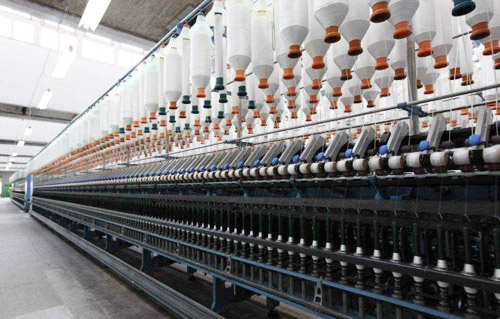
Serves as a warp sizing agent and finishing compound, imparting a smooth protective film on yarns to reduce loom breakage.

Acts as an anti-erosion soil stabilizer in agriculture and a thickening/rheology modifier in water-based latex paints and industrial coatings.
Polyacrylamide powder is hygroscopic and requires strict moisture barrier protection during ocean transit and long-term storage. Oubo provides heavy-duty, multi-layer export packaging:
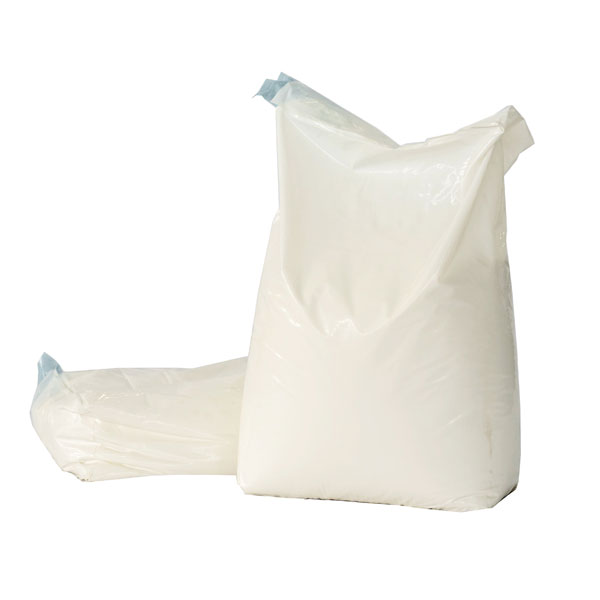
25kg craft paper or woven bags with inner PE anti-moisture liner. Neutral unbranded exterior for distributor re-branding.
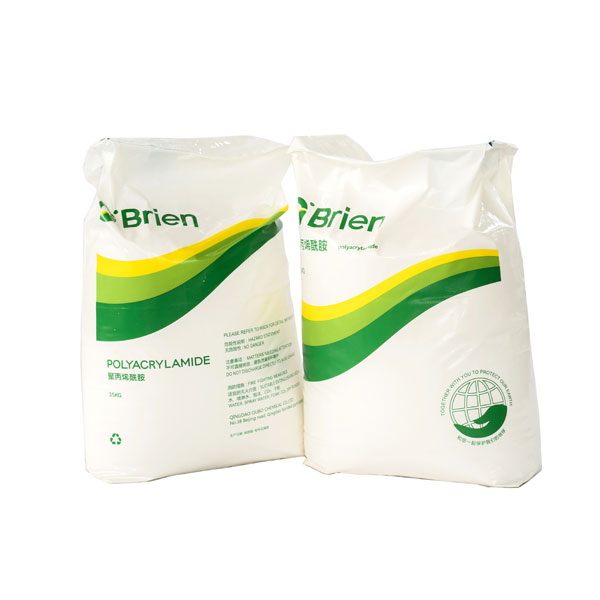
25kg standardized export bags featuring batch tracking codes, manufacturing dates, and international hazard/handling symbols.
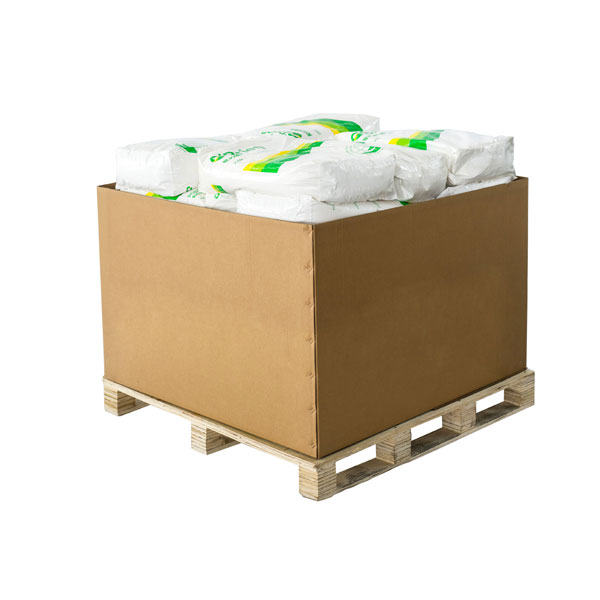
Heavy-duty bulk bags equipped with top loading spouts and bottom discharge valves designed for automated continuous dosing systems.
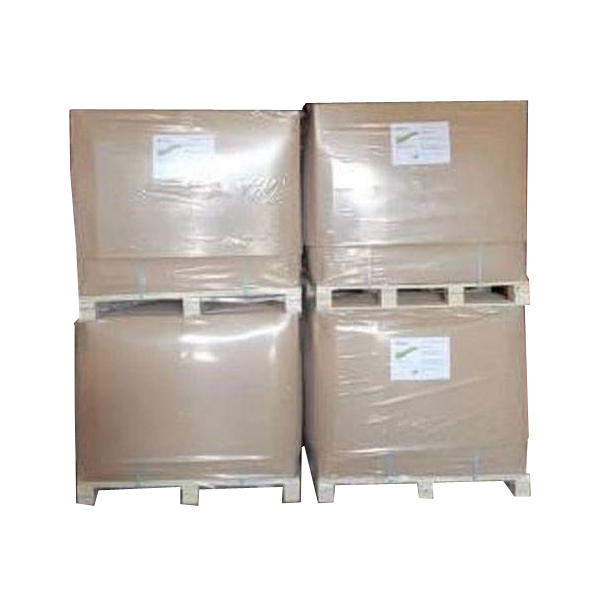
Fumigated wooden or plastic pallets (1.0–1.2 MT per pallet), reinforced with edge protectors and high-tension shrink wrapping for maritime protection.
As an international chemical supplier situated in the Qingdao FTZ, Oubo Chemical bridges manufacturing excellence in China with stringent international regulatory frameworks:
Fully compliant with EU REACH registration protocols for acrylamide monomers. Materials conform to strict environmental heavy metal limits (RoHS).
Oubo continuously optimizes energy consumption during bio-catalysis polymerization, reducing carbon intensity per ton by 18% over the past 5 years.
Offers worldwide sample testing, customized polymer selection reports, site jar testing assistance, and rapid logistics dispatch from Qingdao Port.
Looking toward the future of eco-friendly water treatment and specialized extraction chemistries, Oubo Chemical’s R&D department is pursuing several pioneering polymer engineering pathways:
Transitioning from petroleum-derived acrylonitrile feedstocks toward renewable bio-glucose substrates for enzymatic acrylamide conversion, targeting a 40% reduction in life-cycle carbon footprints.
Developing ultra-long chain nonionic polyacrylamides featuring micro-crosslinked shear-resistant structures, tailored for extreme depth oil recovery and high-speed centrifugal sludge dewatering.
Selection depends on slurry pH and particle surface charge. APAM relies on negative charges and is ideal for neutral to alkaline mineral slurries (pH 7-14) containing divalent cations. NPAM carries no net charge and is superior in acidic media (pH < 5.0), high-salinity brines, or slurries rich in organic hydro-colloids where charge repulsion renders APAM ineffective.
Dissolve NPAM in clean tap water at a concentration of 0.1% – 0.3% (w/v). Slowly sprinkle powder into the vortex of stirring water (400-600 rpm) to prevent clumping ("fish-eyes"). Continue low-shear agitation (200 rpm) for 45 to 60 minutes until completely dissolved. Avoid high-shear pumps or high-speed agitation to prevent polymer chain scission.
Dissolution water temperature should ideally be kept between 20°C and 40°C. Water temperatures above 60°C can induce thermal degradation of acrylamide chains, reducing molecular weight and flocculation efficacy. Stock solutions should be consumed within 24 to 48 hours for maximum performance.
Enzymatic catalysis converts acrylonitrile to acrylamide at ambient temperature and neutral pH without chemical side reactions or heavy metal copper catalysts. This yields ultra-pure monomers with higher linear polymerization capacity, lower residual toxicity, and superior molecular weight stability.
Browse our complete catalog of industrial polymer formulations for paper making, mineral tailings, acidic effluent, and municipal sludge processes.
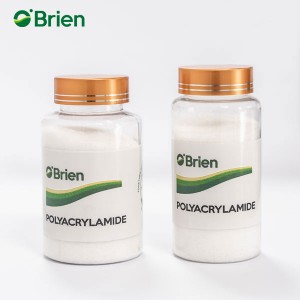
High charge density polymers optimized for municipal sludge dewatering and organic wastewater clarification.
Versatile carboxylated flocculants designed for neutral to alkaline mineral tailings settling and water reuse.
Neutral molecular backbones engineered for extreme acid leaching, high salinity fluids, and complex effluent treatment.
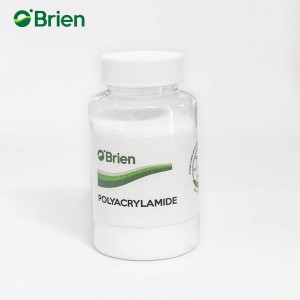
Tailored molecular weights for high-shear centrifugation and belt press dewatering operations.
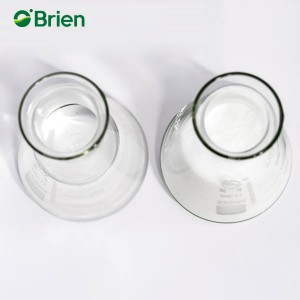
Ultra-high molecular weight formulations for red mud clarification and coal washing water loops.
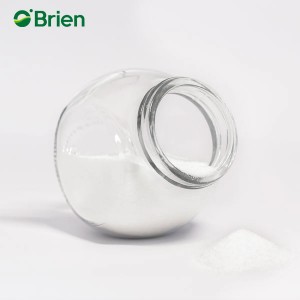
High purity polymer powders designed for drilling fluid filtration control and fiber retention.
 Oubo Chemical