Engineered for high-efficiency solid-liquid separation, acidic effluent flocculation, and enhanced industrial process optimization.
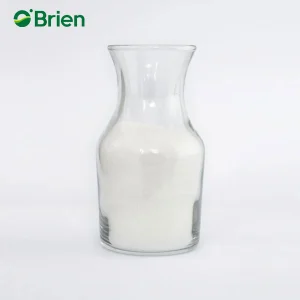
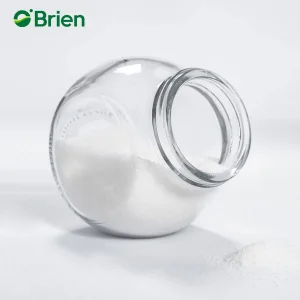
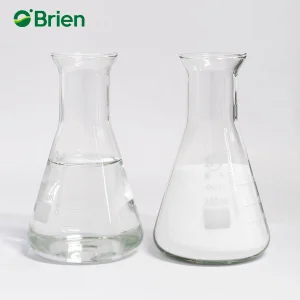
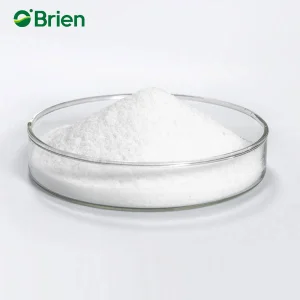
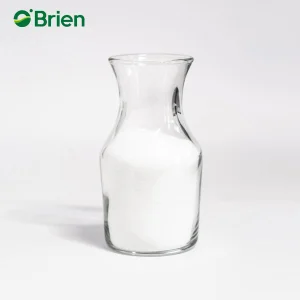
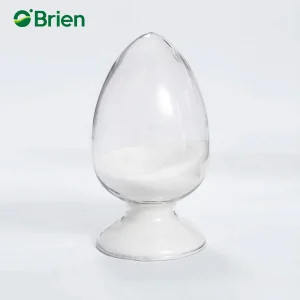
In modern industrial processing, water security, stringent discharge compliance, and resource recovery represent critical operational benchmarks. Nonionic Polyacrylamide (NPAM)—a water-soluble high polymer synthesized via free-radical polymerization of acrylamide monomers—stands at the forefront of chemical separation technologies.
Unlike its ionic counterparts (Anionic APAM and Cationic CPAM), Nonionic Polyacrylamide features a non-charged polymer chain backbone packed with highly polar amide groups (–CONH₂). This unique molecular architecture enables NPAM to form powerful hydrogen bonds with suspended particles possessing surface charges, neutralizing suspension repulsive forces without relying heavily on electrostatic charge matching.
As global regulatory bodies enforce strict limits on Total Suspended Solids (TSS), Chemical Oxygen Demand (COD), and heavy metal runoff, China has emerged as the premier manufacturing powerhouse for advanced water treatment polymers. Among key market leaders, Qingdao Oubo Chemical Co., Ltd. sets the benchmark for high-purity, custom-grade NPAM production.
Established in 2011 within the Qingdao Free Trade Zone, Oubo Chemical (O'brien) has grown at an average rate of 10% annually, becoming a global benchmark in polyacrylamide research, synthesis, and industrial application design.
Oubo Chemical utilizes patented biological catalytic processes to produce acrylamide monomers at ambient temperatures, reducing thermal degradation and yielding extremely high molecular weight polymers with pristine chain linearity. Raw material supplies are secured from tier-one global energy giants including SINOPEC and Eni, ensuring strict batch-to-batch consistency for complex municipal and industrial projects worldwide.
Select the ideal polymer grade engineered for your exact operational requirements.
| Polymer Parameter | Standard NPAM Grade | High-MW Acidic Grade | Oilfield/Drilling Grade | Mining/Tailings Grade |
|---|---|---|---|---|
| Appearance | White Fine Granules | White Granular Powder | White Granular Powder | White Powder / Granules |
| Molecular Weight (Million) | 8.0 – 12.0 | 10.0 – 14.0 | 12.0 – 16.0 | 9.0 – 15.0 |
| Degree of Hydrolysis | 0 – 3% Max | 0 – 2% Max | 0 – 5% Max | 0 – 4% Max |
| Solid Content (%) | ≥ 90.0% | ≥ 89.0% | ≥ 90.0% | ≥ 88.5% |
| Dissolution Time (Mins) | ≤ 60 Mins | ≤ 60 Mins | ≤ 45 Mins | ≤ 50 Mins |
| Insoluble Content (%) | ≤ 0.2% | ≤ 0.15% | ≤ 0.2% | ≤ 0.2% |
| Residual Monomer (AM) | ≤ 0.05% | ≤ 0.05% | ≤ 0.05% | ≤ 0.05% |
Oubo Chemical provides specialized polymer matrix dosing customized for diverse industrial wastewater, extraction, and papermaking workflows.
In electroplating, acid pickling, steel manufacturing, and chemical synthesis, wastewater streams often fall below pH 4. Conventional anionic flocculants lose their ionization under strong acidic conditions. Nonionic Polyacrylamide maintains complete structural integrity, inducing rapid flocculation, clear supernatant formation, and dense sludge cake compaction.
During coal washing, iron ore dressing, gold cyanidation, and aluminum refining, slurry tailings contain high concentrations of fine suspended clay minerals. Oubo NPAM speeds up settling velocity in thickeners, reduces filtrate turbidity, enhances press filtration cake dryness, and minimizes recycled water losses.
Utilized as a high-performance fluid loss control additive, shale inhibitor, and viscosifier in drilling muds. In Enhanced Oil Recovery (EOR), high-viscosity NPAM formulations adjust water-oil mobility ratios, preventing early water breakthrough in reservoirs and maximizing crude extraction rates.
Functions as a retention and drainage aid, dispersant, and dry strength agent. NPAM optimizes fiber dispersion in wet-end papermaking, increases short-fiber and filler retention rates, enhances tensile strength, and clarifies white water for closed-loop recycling systems.
In combination with inorganic coagulants (PAC or PFS), NPAM flocs complex organic dyestuff, sizing agents, and surfactants. It breaks emulsions and removes recalcitrant color compounds, facilitating smooth secondary biological filtration.
Serves as a clarified settling agent in raw sugar juice extraction and vegetable protein concentration. Food-grade ultra-low monomer NPAM accelerates juice clarification without imparting chemical impurities or toxic residues.
Oubo Chemical supports international buyers with localized technical engineering, OEM branding options, and seamless logistics out of Qingdao Port.
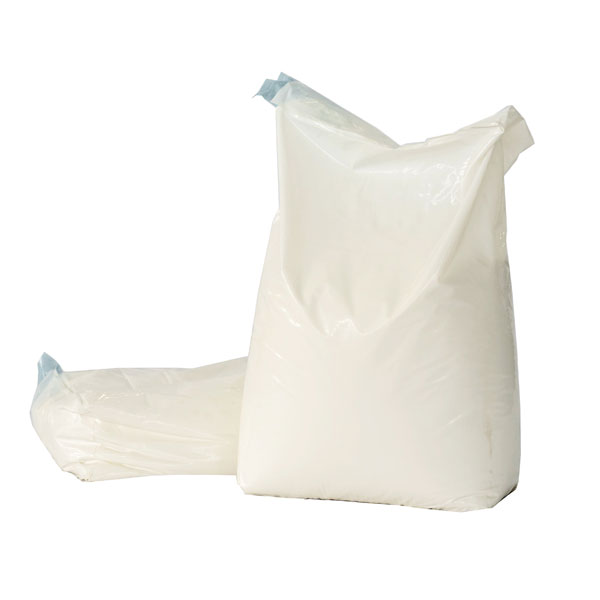
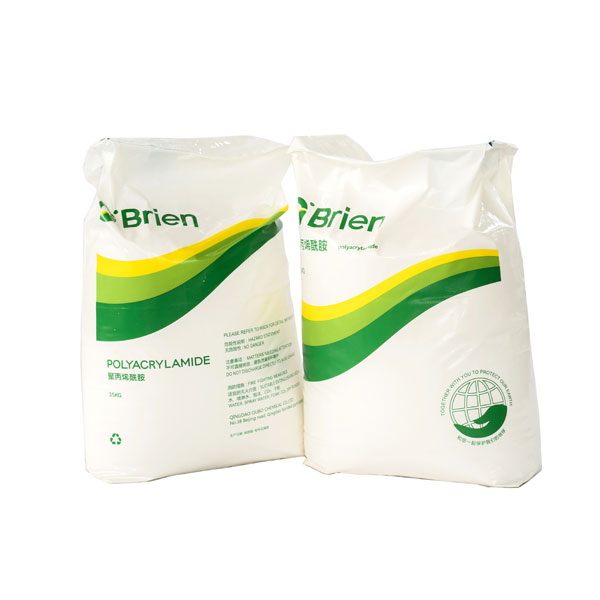
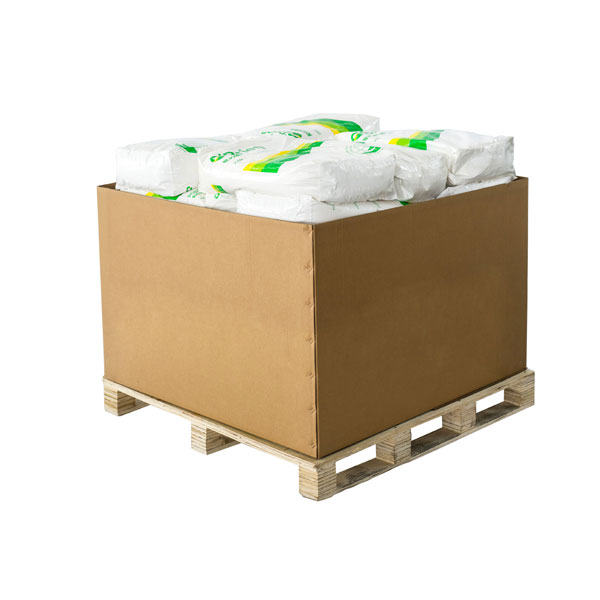
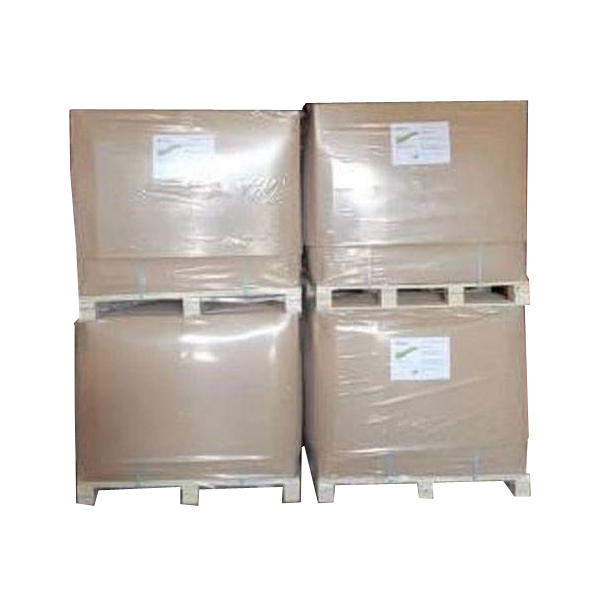
Every batch of Oubo Polyacrylamide undergoes three distinct testing checkpoints before export certificate issuance:
Selecting the precise molecular weight and charge density is paramount for cost efficiency. Oubo’s dedicated technical service team provides:
As global sustainability policies demand lower carbon footprints and non-toxic aquatic discharge, Oubo Chemical continues to pioneer advancements in green polymer chemistry.
Our 5-year technology roadmap focuses on zero-acrylamide-residual biological synthesis, ultra-high-temperature hydro-viscosifiers for deep drilling, and bio-degradable polymer backbones that decompose naturally in soil and aquatic environments after settling.
1. Zero-Energy Enzyme Synthesis: Utilizing third-generation enzyme biocatalysts to eliminate heat generation during monomer preparation.
2. High-Salinity Shear Resistance: Developing branch-structured NPAM variants that maintain floc strength in high-hardness mine waters.
3. Smart Dosing Algorithms: Partnering with automated treatment systems to optimize real-time polymer consumption by up to 25%.
Technical insight into procurement, handling, and application performance.
Anionic Polyacrylamide relies on carboxylate groups (–COO⁻) which become protonated (–COOH) in low pH (acidic) conditions, causing the molecule to collapse and lose its charge-bridging capability. NPAM relies on non-ionic amide groups (–CONH₂) that remain fully active regardless of low pH, maintaining stable polymer chain extension and high flocculation efficiency in acidic streams.
NPAM should be dissolved in clean water at a concentration between 0.1% and 0.3% (w/v). Slowly sprinkle the powder into a vortex created by a low-speed mechanical stirrer (200–400 RPM) to prevent "fish-eye" agglomeration. Allow 45 to 60 minutes of gentle maturation stirring until completely transparent before dosing into your process stream.
Stored in un-opened, original sealed bags in a cool, dry, well-ventilated warehouse below 35°C, dry powder NPAM has a shelf life of 24 months. Aqueous solutions should be consumed within 24–48 hours to prevent biological degradation and loss of viscosity.
Yes. Oubo Chemical’s R&D center can adjust reaction conditions to tailor molecular weights ranging from 5 Million up to 16 Million Daltons. Contact our engineering team with your slurry density and settling requirements to receive custom-formulated trial samples.
Explore our full suite of cationic, anionic, and nonionic polyacrylamide grades for global mining, paper, and wastewater operations.
 Oubo Chemical