Explore our industrial-grade PAM lineup engineered for mining, water treatment, paper manufacturing, and petrochemical applications.
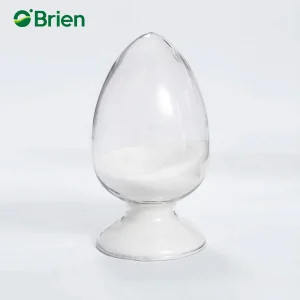
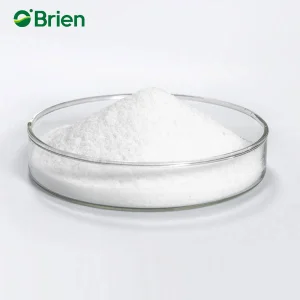
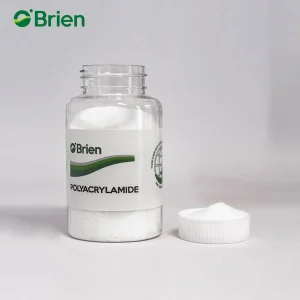
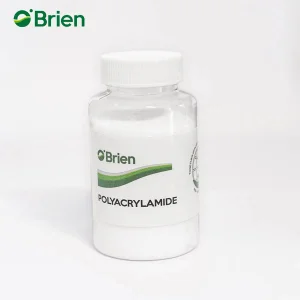
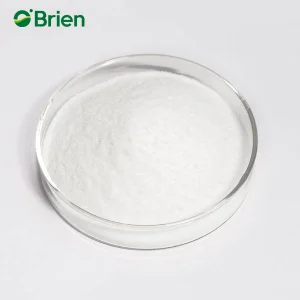
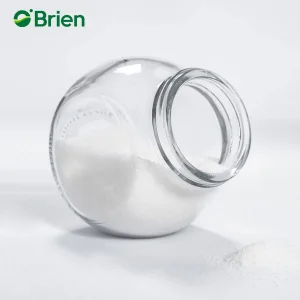
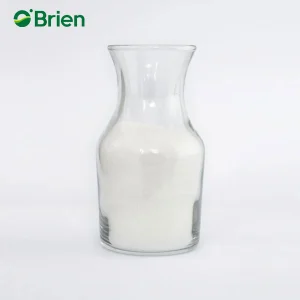
A comprehensive analysis of polymer chemistry, adsorption kinetics, and solid-liquid separation mechanics in modern mineral processing circuits.
In modern coal preparation plants (CPPs), the clarification of coal washing slurry and the efficient dewatering of fine tailings present critical operational and environmental challenges. Nonionic Polyacrylamide (NPAM), a high molecular weight synthetic linear polymer prepared by the homopolymerization of acrylamide (CAS 9003-05-8), serves as a cornerstone chemical reagent across global mineral processing industries. Unlike its charged counterparts—Anionic Polyacrylamide (APAM) and Cationic Polyacrylamide (CPAM)—NPAM exhibits zero net ionic charge along its backbone, endowing it with distinct physical-chemical properties indispensable in acidic or highly saline aqueous environments.
Nonionic Polyacrylamide functions primarily through powerful hydrogen bonding and van der Waals forces. When added to coal slurry fines suspended in water, the high-density amide groups (-CONH2) along the polymer chain bind to hydroxyl, silica, or clay mineral sites on the surface of coal particles. The long polymer chains extend into the liquid phase, capturing multiple particles simultaneously to form large, dense micro-flocs. This bridging mechanism accelerates settling velocity exponentially according to Stokes' Law.
Because NPAM lacks carboxylic acid or quaternary ammonium functional groups, its molecular conformation is virtually unaffected by elevated dissolved solids (TDS) or low pH conditions. In acidic coal tailings or heavy metal-laden acidic wastewater, APAM undergoes chain contraction due to protonation, losing its flocculation efficacy. NPAM maintains an expanded hydrodynamic volume across a broad pH spectrum (pH 1.0 to 8.0), delivering consistent settling performance.
Recent empirical data from industrial thickener operations indicates that controlling the degree of hydrolysis in NPAM to under 1.0% prevents chain degradation under high-shear pumping environments. For coal preparation plants operating deep-cone thickeners or chamber filter presses, low-hydrolysis NPAM achieves superior overflow clarity (under 50 NTU) while reducing cake moisture content by up to 3.5% compared to standard partially hydrolyzed polymers.
Optimized polymer dosing strategies across diverse coal washing and mineral extraction processes.
In closed-circuit coal washing systems, fine clay particles (<45 μm) accumulate rapidly in thickeners, impeding process water recycling. NPAM rapidly agglomerates ultra-fine gangue and kaolinite clays, forming fast-settling flocs that yield crystal-clear overflow water for immediate reuse in froth flotation and heavy-medium separation circuits.
For tailings sludge handling, NPAM acts as a primary filter aid. By conditioning fine coal slurry prior to recessed chamber filter presses or belt filter presses, NPAM enhances cake permeability, accelerates filtration rates, reduces cycle times, and minimizes cake adhesion to filter cloths.
Coal mines often generate highly acidic drainage containing heavy metals and sulfate ions. NPAM excels in settling hydroxide precipitates formed during neutralizer addition (limestone/lime treatment), achieving rapid liquid-solid separation where anionic polymers fail due to charge neutralization interference.
Beyond coal preparation, NPAM is extensively applied in gold cyanidation leaching pulp settlement, copper flotation tailings thickening, silver recovery, and iron ore fine slimes washing, providing robust performance in high-electrolyte pulp solutions.
In high-speed solid-bowl decanter centrifuges, NPAM provides high mechanical shear resistance, maintaining structural floc integrity under thousands of G-forces to deliver clear centrate and dry discharged solids.
Selection guide comparing Nonionic PAM with Anionic and Cationic variants for mining slurry treatment.
| Polymer Variant | Ionic Charge | Molecular Weight (Million) | Optimal pH Range | Primary Application in Mining | Key Advantage |
|---|---|---|---|---|---|
| Nonionic PAM (NPAM) | Neutral (0 to <1%) | 8 - 16 Million | 1.0 - 8.0 | Coal tailings, Acidic slurry, Metal leaching | Unaffected by low pH and high salt levels; strong hydrogen bonding |
| Anionic PAM (APAM) | Negative (5% - 40%) | 10 - 22 Million | 6.0 - 14.0 | Neutral/Alkaline coal slurry, Iron tailings | Rapid settling rate in neutral pH via electrostatic bridging |
| Cationic PAM (CPAM) | Positive (10% - 80%) | 6 - 12 Million | 3.0 - 10.0 | Organic sludge, Municipal dewatering | High charge density for neutralization of negative organic surfaces |
Next-generation polymer synthesis, bio-catalysis patents, and smart dosing systems shaping the future of mineral separation.
Traditional chemical synthesis of acrylamide monomer involves copper-catalyzed hydrolysis of acrylonitrile, which often leaves traces of copper ions and acrylic acid impurities. Qingdao Oubo Chemical utilizes an advanced biological enzymatic method (patented technology). Microbiological nitrile hydratase catalysts produce ultra-pure acrylamide monomer at room temperature without heavy metal catalysts. This yields high-molecular-weight NPAM with exceptional structural linearity and ultra-low free monomer residue (<200 ppm), vital for environmental compliance.
The industry is rapidly shifting toward automated, real-time closed-loop dosing systems. Integrating optical turbidity meters, streaming current monitors, and AI-driven predictive algorithms allows coal preparation plants to automatically adjust NPAM dosage in response to flushes of high-solids tailings. This reduces chemical consumption by 15-25% while maintaining zero-turbidity discharge standard.
As global environmental directives mandate lower carbon footprints for mining reagents, bio-derived monomer building blocks and micro-emulsion PAM technologies are emerging. Micro-emulsion NPAM offers instant dissolution times (<5 minutes compared to 45-60 minutes for dry powders), eliminating field dissolution aging tanks and dramatically lowering energy consumption on mine sites.
R&D initiatives at Oubo Chemical are advancing hyper-branched nonionic polymers. These branched structures provide elevated shear resistance within centrifugal hydrocyclones and deep-well thickeners, enabling coal washing operations to achieve unprecedented settling kinetics without floc breakage.
Empowering global mining enterprises with world-class production capacity, strategic port logistics, and total quality control.
Founded in 2011 inside the Free Trade Zone of Qingdao, China, Qingdao Oubo Chemical Co., Ltd. has grown into a world-leading manufacturer and global exporter of Polyacrylamide reagents. Operating under a steady 10% annual business growth rate, Oubo Chemical surpassed an annual PAM manufacturing capacity of 50,000 Metric Tons in 2018. By combining strategic geographic location with cutting-edge biological manufacturing, Oubo provides an unshakeable supply backbone for international mining conglomerates, paper mills, and industrial wastewater treatment operations.
Oubo Chemical maintains long-term strategic supply partnerships with global chemical leaders such as SINOPEC and Eni. By securing top-tier acrylonitrile raw materials, Oubo guarantees batch-to-batch polymer purity, high conversion rates, and superior molecular weight consistency.
Certified under ISO 9001:2008, Oubo enforces a rigorous QC protocol. Every production batch undergoes three separate laboratory tests: monomer conversion rate analysis, intrinsic viscosity/molecular weight determination, and real-world application performance simulation prior to release.
Located directly within the Qingdao Free Trade Zone, Oubo leverages seamless logistics infrastructure. Proximity to the deep-water port of Qingdao enables accelerated customs clearance, flexible containerized shipping options, and reduced global transit lead times.
Oubo Chemical’s senior technical engineering team actively participates across pre-sales, sales, and post-sales workflows. We provide customized laboratory jar testing, slurry settling velocity profiling, and polymer selection support tailored to your specific coal seam mineralogy, ensuring optimal dosage and minimized total cost of ownership (TCO).
Navigating global ESG requirements, safety standards, and regional market demand for water-soluble polymers.
The global market for coal washing chemicals and mineral processing flocculants is experiencing robust growth, driven by diminishing high-grade ore reserves and stringent zero-liquid-discharge (ZLD) environmental mandates. Key mining hubs in Australia, North America, South America, Indonesia, and South Africa require massive volumes of Nonionic Polyacrylamide to reclaim up to 95% of process water from tailings ponds.
Oubo Chemical’s PAM products conform to international health, safety, and environmental standards. Our nonionic polyacrylamide formulations meet global regulatory frameworks including EU REACH compliance, ISO guidelines, and regional environmental standards governing residual acrylamide monomer (AMD) in industrial effluent discharges.
Robust multi-ply packaging configurations designed for transoceanic transit and moisture protection.
Neutral unprinted multi-wall kraft paper bags with inner PE moisture barrier liner (25 kg capacity), ideal for private label distributors.
Standard O'brien branded 25 kg woven polypropylene bags with high-density inner plastic lining to prevent humidity ingress.
750 kg and 1000 kg heavy-duty FIBC ton bags equipped with top filling and bottom discharge spouts for automated mine dosing systems.
Fumigated wooden or plastic pallets, shrink-wrapped with protective film and plastic strapping for maximum maritime cargo stability.
Select from our broad portfolio of Nonionic, Anionic, and Cationic PAM polymers engineered for global industry.
Expert technical answers to common queries regarding Nonionic Polyacrylamide procurement and application.
In coal preparation plants operating under low pH conditions (acidic slurry) or high total dissolved solids (TDS) with heavy calcium, magnesium, or iron salt concentrations, Anionic PAM experiences charge suppression and coiled polymer chain shrinkage. Nonionic Polyacrylamide (NPAM) lacks charged carboxylate groups, rendering its molecular structure immune to ionic strength fluctuations. It operates purely via hydrogen bonding, maintaining an expanded chain conformation to achieve fast settling and ultra-clear thickener overflow.
Oubo Chemical employs a patented bio-enzymatic polymerization process using ultra-pure monomer supplied by Tier-1 partners like SINOPEC and Eni. Our fully automated production lines monitor polymerization temperature, initiator concentration, and reaction time in real time. Under our ISO 9001 quality management framework, every batch undergoes triple-stage QC testing (including intrinsic viscosity and screen factor testing) prior to shipment.
Dry NPAM powder should be dissolved in clean water at a concentration between 0.1% and 0.3% (w/v). To avoid chain shearing, mechanical agitation should be maintained at low speeds (200-400 RPM). NPAM requires an aging period of approximately 45 to 60 minutes to allow the macromolecular chains to fully uncoil. Dissolved stock solutions should be used within 24 to 48 hours to prevent biological degradation.
As of 2018, Qingdao Oubo Chemical Co., Ltd. surpassed an annual Polyacrylamide production capacity of 50,000 Metric Tons. Located in the Free Trade Zone of Qingdao, China, Oubo maintains continuous year-over-year growth backed by substantial annual R&D investment (€2.0 million), guaranteeing stable product supply for massive global mining operations.
Yes. Oubo Chemical provides comprehensive laboratory evaluation services. Our technical field team analyzes your slurry sample's particle size distribution, zeta potential, solids content, and water chemistry to tailor the optimal molecular weight (ranging from 8 Million to 16 Million Daltons) and granule size distribution for your specific thickener or filter press setup.
 Oubo Chemical