Explore our core industrial polyacrylamide lines engineered specifically for water treatment, paper pulp processing, mineral extraction, and specialized industrial fluid modification.
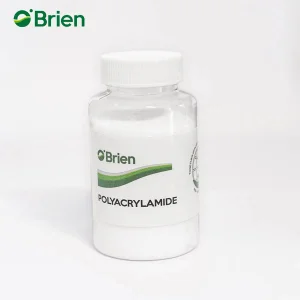
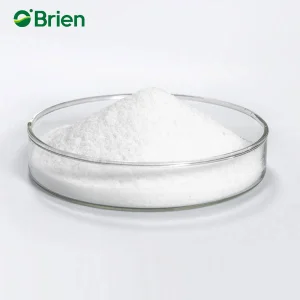
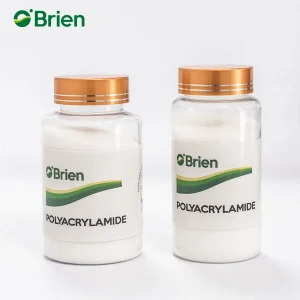
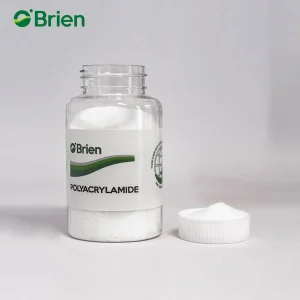
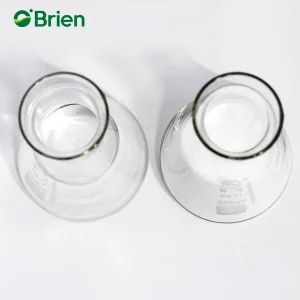
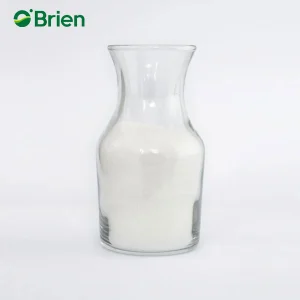
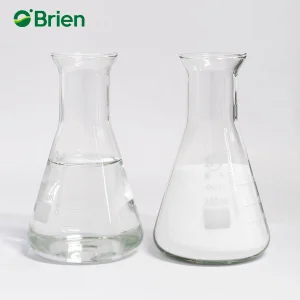
Nonionic Polyacrylamide (NPAM) represents a critical class of water-soluble high polymers synthesized via the homopolymerization of acrylamide monomers without ionic functional groups on the polymer chain backbone. In the modern global industrial landscape, NPAM serves as an indispensable chemical agent due to its unique neutral electric charge, remarkable hydrogen bonding capabilities, and exceptional stability across complex ionic and acidic aqueous environments.
Unlike Anionic Polyacrylamide (APAM) or Cationic Polyacrylamide (CPAM), which rely heavily on electrostatic charge neutralization to achieve flocculation, Nonionic Polyacrylamide operates predominantly through high-affinity adsorption and molecular bridging mechanisms. Because its linear polymer chains lack ionized carboxylate or quaternary ammonium groups, NPAM is virtually unaffected by elevated salt concentrations, variable divalent cations (such as $Ca^{2+}$, $Mg^{2+}$, $Fe^{2+}$), or severely low pH levels. Consequently, global market demand for NPAM has experienced aggressive expansion, driven by stringent international environmental regulations, complex mineral beneficiation projects, and deep reservoir enhanced oil recovery (EOR).
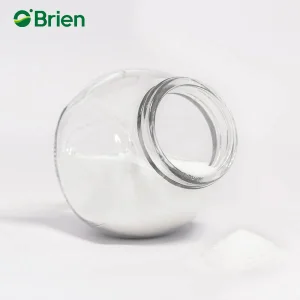
Polyacrylamide (PAM) is a solid, white, water-soluble synthetic polymer prepared by polymerizing acrylamide ($CH_2=CH-CONH_2$). Its physical efficacy is defined by its molecular structure, molecular weight (MW range from 2 million to over 15 million Daltons), and degree of hydrolysis. Nonionic Polyacrylamide retains an uncharged amide group ($-\text{CONH}_2$) across its polymer backbone.
The abundant amide functional groups form strong hydrogen bonds with hydroxyl, silicate, or metallic oxide surfaces on suspended solid particles. This enables rapid adsorption even in highly acidic liquid phases where ionic polymers lose solubility or charge efficiency.
Due to its ultra-high chain length, a single NPAM polymer chain adsorbs onto multiple suspended solid particles simultaneously. This creates massive micro-flocs that aggregate into dense macropackages, drastically speeding up sedimentation and filtration rates.
Because the polymer chain is non-ionized, it displays zero electrostatic repulsion or contraction in high-salinity brines. It maintains extended coil conformation in concentrated inorganic salt solutions, preserving viscosity and thickening capability.
| Polymer Class | Ionic Charge Type | Molecular Weight (Million) | Optimal Operating pH | Primary Industrial Application Sector |
|---|---|---|---|---|
| Nonionic Polyacrylamide (NPAM) | Neutral / Non-ionized | 3.0 - 15.0 Million | pH 1.0 - 8.0 (Acidic/Neutral) | Acidic Wastewater, Coal Washing, Ore Dressing, Soil Stabilization |
| Anionic Polyacrylamide (APAM) | Negative (Carboxylate) | 6.0 - 25.0 Million | pH 7.0 - 14.0 (Alkaline) | Municipal Sewage, Sand Washing, Neutral River Water, Paper Strength |
| Cationic Polyacrylamide (CPAM) | Positive (Quaternary Ammonium) | 5.0 - 12.0 Million | pH 3.0 - 10.0 | Sludge Dewatering, Belt Press Filtration, Textile & Dyeing Effluent |
Qingdao Oubo Chemical Co., Ltd was established in 2011 and is strategically situated within the Free Trade Zone of Qingdao, China. Over more than a decade of continuous technical evolution, Oubo Chemical has grown into a world-tier manufacturer of synthetic polymers, achieving a steady annual business growth rate of 10% and expanding annual polyacrylamide capacity past 50,000 Metric Tons in 2018.
Oubo utilizes state-of-the-art enzymatic bio-catalytic methods to produce high-purity acrylamide monomers, a patented process superior to traditional chemical catalytic routes. By eliminating copper ions and residual by-products, our biological process delivers exceptionally high chemical reactivity, ultra-high molecular weight consistency, and lower environmental toxicity during polymer production.
To guarantee absolute batch-to-batch consistency, Oubo partners directly with global petrochemical giants, sourcing key raw materials from SINOPEC, Eni, and top-tier global suppliers. All production lines are fully automated, equipped with real-time digital monitoring and triple-stage Quality Control (QC) inspection prior to dispatch.
Being located inside the Qingdao Free Trade Zone provides major operational efficiencies: streamlined customs clearance, direct access to deep-water maritime shipping routes, reduced logistics overhead, and rapid export turnaround times to over 80 countries worldwide. This allows Oubo Chemical to offer highly competitive pricing structures without compromising international quality standards.
Oubo Polyacrylamide solutions provide targeted engineering performance across diverse industrial verticals. The non-ionic character of NPAM makes it uniquely suited for challenging chemical media, aggressive filtration setups, and complex mineral tailings.
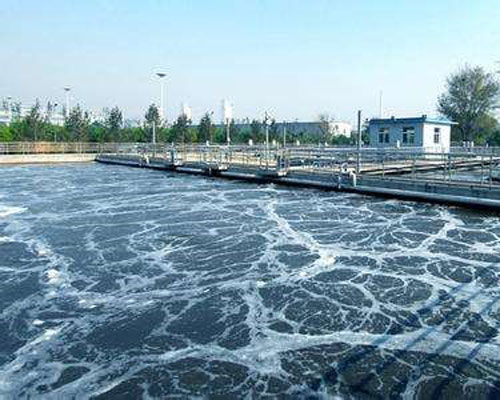
In solid-liquid separation processes, NPAM acts as a primary flocculant for acidic industrial effluent (such as electroplating, steel pickling liquor, and chemical plant wastewater). It excels in clarification, thickener settling, and municipal sewage treatment where low pH renders anionic flocculants ineffective.
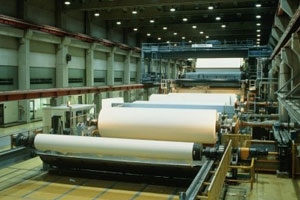
NPAM functions as an outstanding dry strength agent, retention aid, and filtration accelerator in papermaking. It boosts short fiber and filler retention rates, enhances paper tensile strength, reduces raw material loss, and clarifies white water during pulp recycling.
In oil & gas exploration, NPAM serves as a fluid loss control additive, shale inhibitor, and drilling mud thickener. It provides thermal stability, bit lubrication, cuttings carrying capacity, and profile control during Enhanced Oil Recovery (EOR) operations.

Crucial for coal washing, gold, silver, copper, iron, and nickel ore dressing. NPAM accelerates solid-liquid separation by filtration or centrifugation, seals mining pipelines, and clarifies mineral tailings wash water for circular reuse.
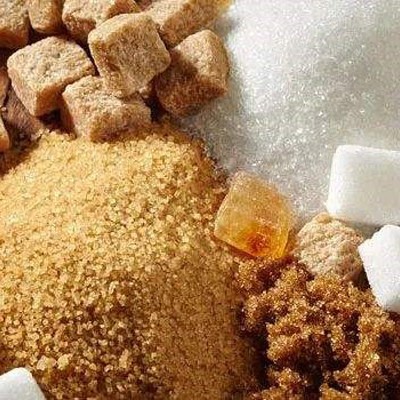
In sugarcane and sugar beet juice purification, NPAM promotes rapid precipitation of insoluble mud and organic impurities, maximizing sugar juice clarity and yield without introducing ionic chemical residues.
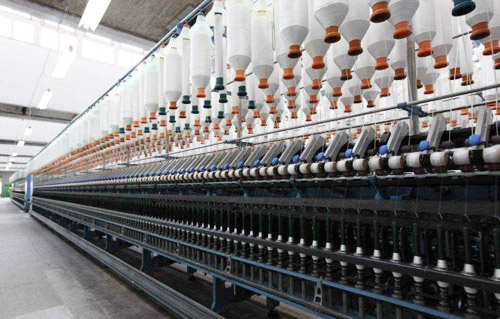
Functions as a high-efficiency textile sizing agent, fabric finishing agent, and protective layer. Furthermore, it efficiently decolorizes and flocculates complex organic dyes from textile wastewater streams.
Procuring polyacrylamide polymers at bulk enterprise scale requires rigorous technical matching between polymer specifications and site-specific slurry characteristics. Key operational parameters include:
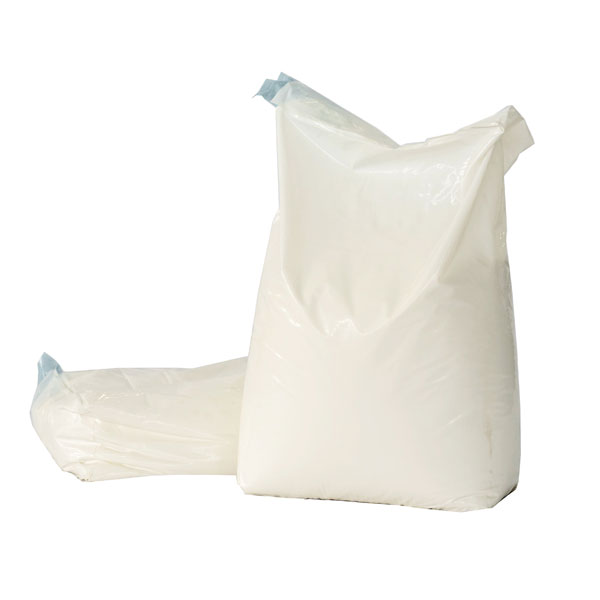
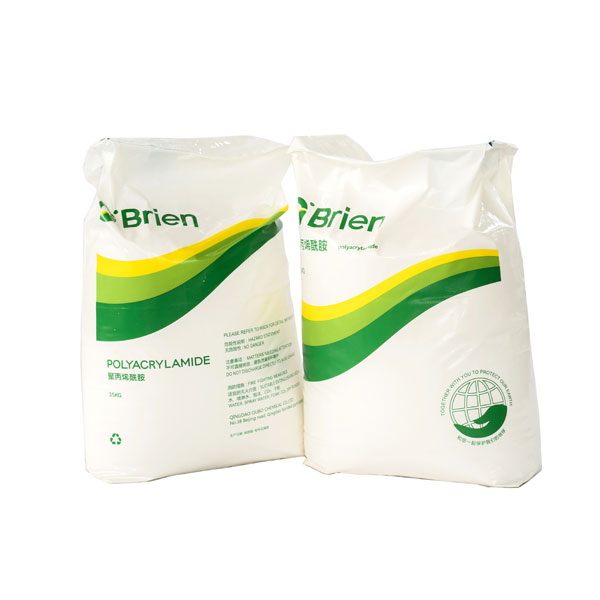
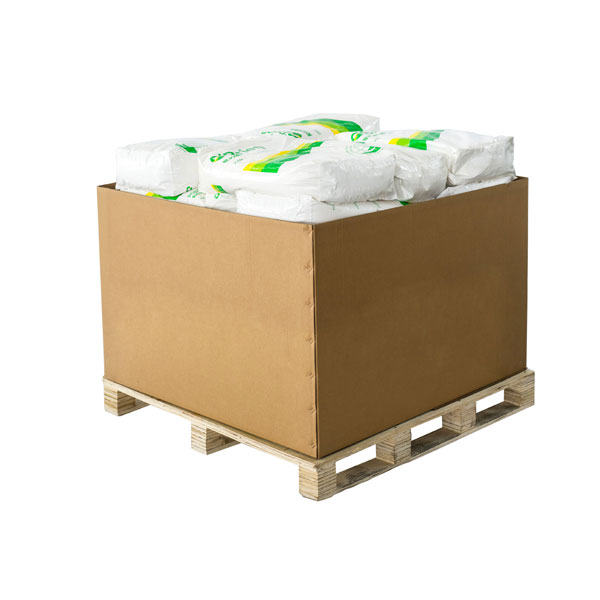
Oubo Chemical provides flexible OEM packaging solutions customized for sea freight and intermodal transport:
The global water treatment and chemical additives market is undergoing a major transformation towards sustainability, lower carbon footprints, and smart process control. Key technological vectors shaping the next decade of NPAM production include:
Transitioning from petroleum-derived acrylonitrile to bio-catalytic enzymatic synthesis significantly reduces carbon emissions during synthesis while delivering ultra-pure monomers with zero heavy metal contamination.
Modern industrial plants are adopting real-time turbidity and zeta-potential sensors combined with AI control algorithms to automatically adjust polymer dosage, preventing chemical waste and lowering plant operational expenditure by up to 22%.
R&D efforts are focused on engineering modified backbone chains that maintain extreme shear stability during application while enabling faster natural biodegradation once deposited in secure mine tailings storage facilities.
Oubo Chemical stands out as a world-leading manufacturer of Polyacrylamide through an unwavering commitment to quality, technological innovation, and environmental responsibility. Our brand O'brien is trusted across North America, Europe, the Middle East, and Asia-Pacific.
Over a decade of dedicated PAM manufacturing expertise. Patented biological monomer production with €2M annual technical R&D investment.
ISO9001:2008 certified facility. Raw materials sourced from global leaders like SINOPEC & Eni. 3-stage QC testing for every batch.
Direct factory pricing with unmatched chemical performance. Integrated pre-sales laboratory testing and rapid export delivery.
Dedicated technical engineers provide free laboratory jar-testing, polymer selection, and on-site dosage optimization support.
Nonionic Polyacrylamide (NPAM) carries negligible electrical charge on its molecular chain, functioning mainly via hydrogen bonding and adsorption bridging. Anionic PAM (APAM) carries negatively charged carboxylate groups suited for alkaline suspensions, while Cationic PAM (CPAM) carries positive charges ideal for organic sludge dewatering. NPAM is uniquely effective in highly acidic media and saline conditions where charged polymers lose efficacy.
NPAM powder should be dissolved in clean water at a concentration of 0.1% - 0.3% (w/v). Slowly sprinkle the dry powder into the vortex of stirring water (400-600 rpm) to avoid lump formation ('fish-eyes'). Continue gentle agitation for 45 to 60 minutes until completely dissolved. Avoid high-shear mechanical agitation to prevent breaking long polymer chains.
Primary factors include solution pH, suspended solids concentration, mixing intensity, water temperature, and dissolution water quality. While NPAM handles low pH exceptionally well, extremely high alkalinity or strong oxidizing agents can hydrolyze the amide groups into anionic carboxylate groups over time.
Qingdao Oubo Chemical achieved an annual polyacrylamide production capacity exceeding 50,000 Metric Tons in 2018. Operating inside the Qingdao Free Trade Zone, Oubo delivers reliable volume, steady supply, and fast international dispatch.
Yes. Our technical engineering team offers free pre-sales laboratory jar-testing. Clients can provide effluent specifications, and our laboratory will recommend the optimal molecular weight, dosage rate, and polymer series tailored to your operational budget.
Browse additional specialized polyacrylamide formulations manufactured by Oubo Chemical for global distribution.
 Oubo Chemical