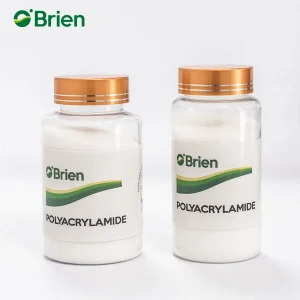
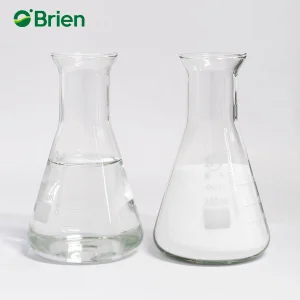
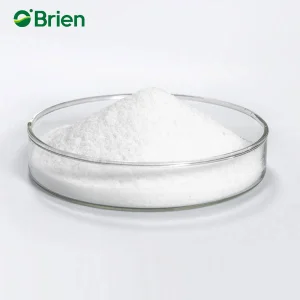
Executive Summary & E-E-A-T Insights: As global exploration for oil, gas, and mineral reserves penetrates deeper into complex geological formations—often characterized by high temperatures, extreme salinity, and acidic environments—the performance requirements for drilling fluids (drilling muds) have evolved dramatically. Nonionic Polyacrylamide (NPAM), synthesized through advanced biological monomer polymerization, has emerged as a mission-critical polymer. Unlike anionic or cationic counterparts, NPAM's electrically neutral polymer backbone grants it exceptional resistance to electrolyte interference, rendering it the gold standard viscosifier, fluid loss reducer, shale stabilizer, and selective flocculant in harsh drilling and industrial separation environments.
Established in 2011 within the Free Trade Zone of Qingdao, China, Qingdao Oubo Chemical Co., Ltd. has grown at a steady annual rate exceeding 10% for over a decade. Operating from a world-class strategic logistics hub, Oubo Chemical specializes in the development, synthesis, and global distribution of High-Molecular-Weight Nonionic Polyacrylamide, Cationic Polyacrylamide (CPAM), and Anionic Polyacrylamide (APAM).
In 2018, Oubo's annual production capacity exceeded 50,000 metric tons. Supported by an ISO 9001:2008 certified Quality Management System, Oubo supplies raw materials to major oilfield service companies, mining conglomerates, municipal water boards, and paper manufacturers across North America, Europe, the Middle East, and Asia-Pacific.
Oubo Chemical utilizes a patented biological method for acrylamide monomer synthesis, significantly reducing residual monomer content and thermal degradation products compared to traditional chemical synthesis. Our global supply chain integrates top-tier raw material partners such as SINOPEC and Eni, ensuring unprecedented chemical batch-to-batch consistency.
Every single batch of polyacrylamide produced in our automated facilities undergoes a rigorous triple-testing protocol by our internal QC laboratory prior to dispatch—testing intrinsic viscosity, charge density, degree of hydrolysis, insoluble matter, and molecular weight distribution.
Polyacrylamide (PAM) is a synthetic, water-soluble polymer produced by the polymerization of acrylamide monomers ($-(CH_2-CH(CONH_2))-n$). While Ionic Polyacrylamides (APAM and CPAM) rely on electrical charge interaction (electrostatic attraction/repulsion) to achieve dispersion or flocculation, Nonionic Polyacrylamide (NPAM) contains negligible ionic functional groups on its polymer chain. This structural neutrality yields unique thermodynamic and hydrodynamic advantages in complex fluids.
In drilling fluids containing high concentrations of NaCl, KCl, $CaCl_2$, or $MgCl_2$ (e.g., offshore drilling, salt bed penetration, or completion fluids), anionic polymers shrink and coil due to charge screening by cations. NPAM's uncharged amide groups ($-CONH_2$) form strong hydrogen bonds with water molecules without undergoing electrostatic compression, maintaining a extended random-coil molecular conformation even in saturated brine systems.
As a drilling mud additive, high-molecular-weight NPAM builds high yield stress and pseudoplastic shear-thinning rheology. Under high shear at the drill bit, the polymer chains align to minimize frictional pressure drops; under low shear in the annulus, NPAM forms a dense 3D network that suspends heavy weighting agents like barite ($BaSO_4$) and carries drill cuttings efficiently to the surface.
Water-sensitive clay shale formations readily hydrate and swell upon contact with water, leading to wellbore collapse, bit balling, and pipe sticking. NPAM adsorb onto clay surfaces via hydrogen bonding between amide hydrogens and oxygen atoms of silicates. This caps active swelling sites, encapsulating cuttings and forming a thin, impervious filter cake that seals micro-fractures.
| Parameter / Property | Standard Drilling Grade NPAM | High-Molecular Drilling Grade | Acidic Wastewater / Beneficiation Grade |
|---|---|---|---|
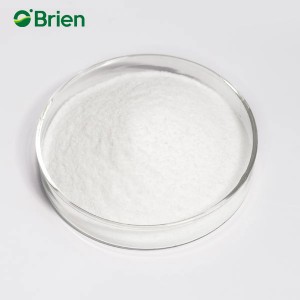
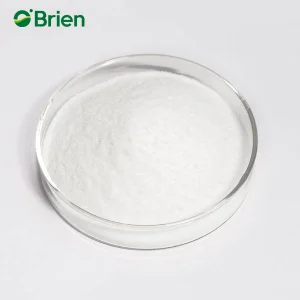
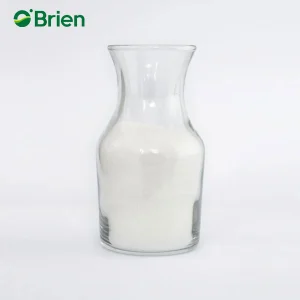
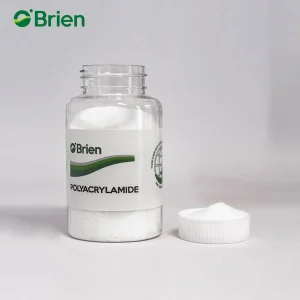
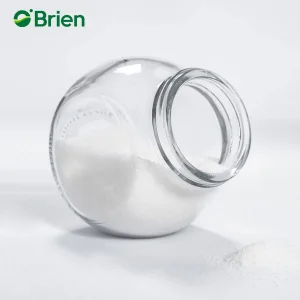
| Appearance | White Granular Powder | White Granular Powder | White Granular Powder |
| Molecular Weight (Million) | 6 - 10 Million | 10 - 15 Million | 8 - 12 Million |
| Degree of Hydrolysis | ≤ 3.0% | ≤ 2.0% | ≤ 4.0% |
| Solid Content (%) | ≥ 89% | ≥ 90% | ≥ 89% |
| Dissolution Time (Mins) | ≤ 60 mins | ≤ 90 mins | ≤ 60 mins |
| Insoluble Matter | ≤ 0.2% | ≤ 0.15% | ≤ 0.2% |
| Optimal pH Working Range | 1.0 - 8.0 | 2.0 - 9.0 | 1.0 - 7.0 (Acid Resistant) |
Global procurement teams face escalating risks from supply disruptions, volatile freight rates, and quality inconsistencies. Qingdao Oubo Chemical addresses these pain points through automated Industry 4.0 manufacturing processes and strategic positioning in China's prime chemical trade corridor.
Located in the Free Trade Zone of Qingdao, Oubo Chemical benefits from direct access to Qingdao Port—one of the largest deep-water container ports in the world. This location enables streamlined customs clearance, duty-free raw material processing, flexible warehousing, and direct vessel departures to major oilfield hubs including Houston, Rotterdam, Jebel Ali, and Singapore.
Traditional chemical synthesis of acrylamide requires heavy metal catalyst neutralizing steps and elevated temperatures, raising production costs and carbon footprint. Oubo’s patented biological enzymatic process produces ultra-pure monomer at ambient temperatures with near-zero chemical waste. Combined with bulk raw material contracts from Sinopec and Eni, we provide our partners with unmatched price stability and sustainability compliance.
NPAM is extensively deployed as a viscosifier, fluid loss control additive, shale inhibitor, and selective flocculant in water-based drilling muds, low-solid fluids, and brine drilling systems. It prevents hydration of reactive clays, lowers drilling torque, preserves bit sharpness, and minimizes formation damage in hydrocarbon-bearing zones.
In electroplating, acid pickling steel plants, chemical processing, and mining wastewater where pH levels drop below 4.0, conventional anionic flocculants become protonated and lose efficiency. NPAM maintains its hydrogen-bonding bridging capability, rapidly clarifying acidic liquors and accelerating solid-liquid sedimentation.
During coal washing, tailings dewatering, and mineral flotation for copper, gold, iron, and nickel, NPAM acts as a robust filtration aid and thickener. It aggregates ultra-fine mineral particles into dense flocs, speeding up thickener underflow clarity and reducing filter cake moisture content.
In paper mills, NPAM functions as a key dry strength agent, retention aid, and dispersant. It enhances fiber-to-fiber hydrogen bonding, improves short fiber filler retention, accelerates white water drainage on the wire, and optimizes paper sheet uniformity and softness.
In textile finishing, NPAM acts as a chemical sizing agent that increases fabric tensile strength and smooths yarn surfaces. In sugar mills, non-toxic grade NPAM facilitates the clarification and flotation of cane juice, settling suspended micro-impurities without altering liquor alkalinity.
In agricultural soil management and construction engineering, NPAM stabilizes soil structure against erosion, improves water retention in arid zones, and facilitates selective clay settlement without depleting trace minerals.
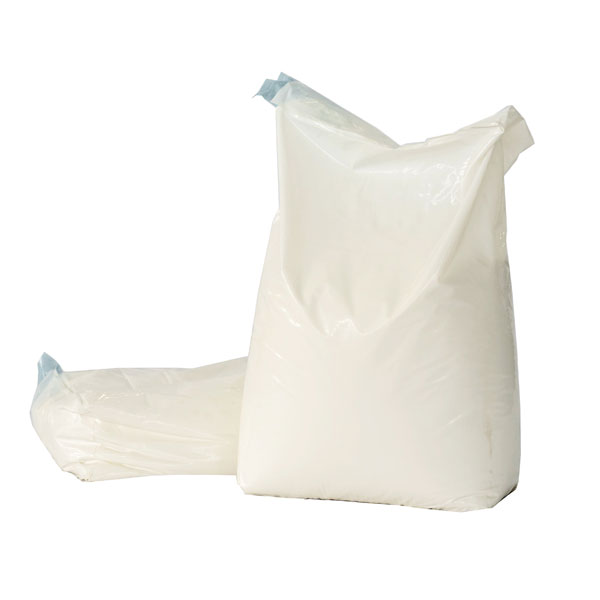
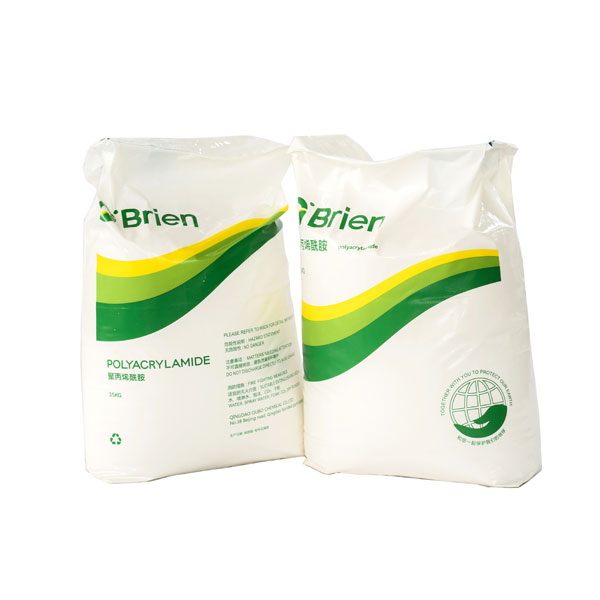
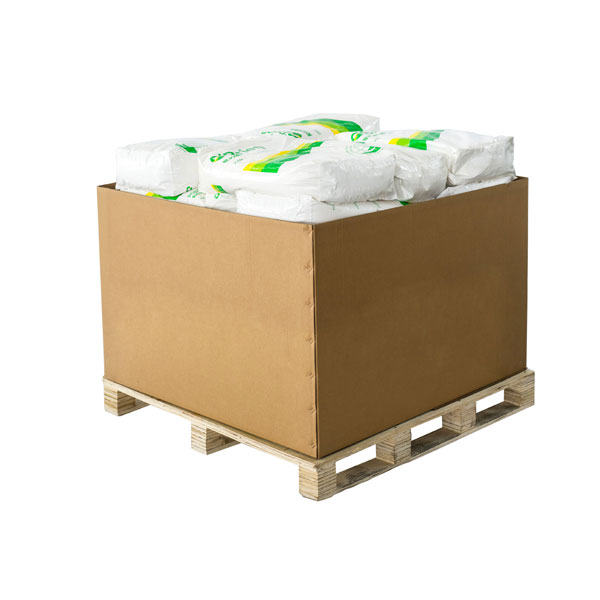
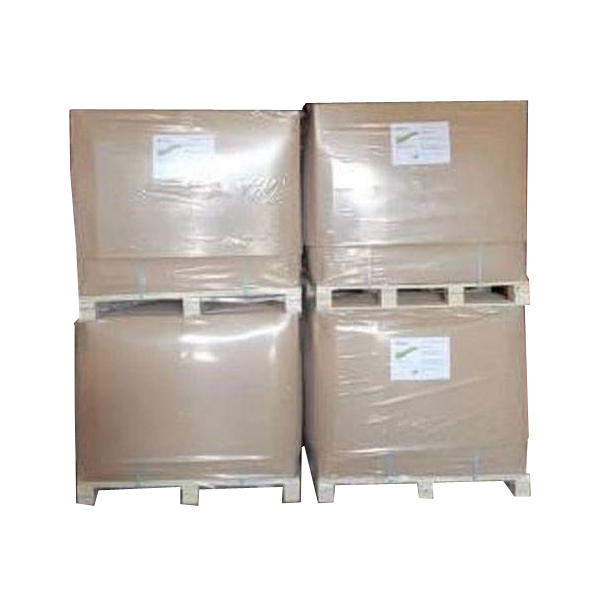
To prevent moisture absorption during maritime transit, Oubo Chemical supplies industrial-grade Polyacrylamide in moisture-proof 25kg multi-layer kraft paper bags or PE liner bags, palletized and shrink-wrapped according to international export specifications.
 Oubo Chemical