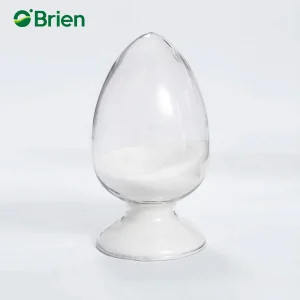
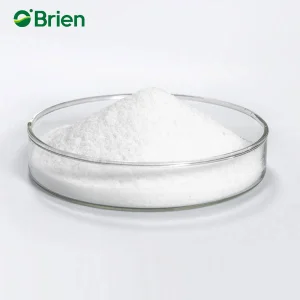
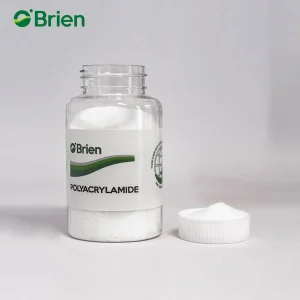
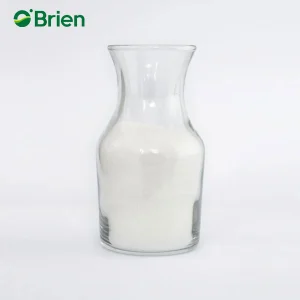
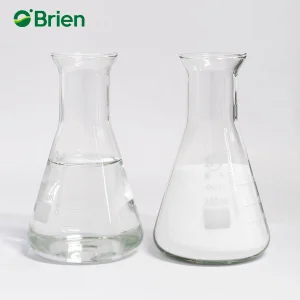
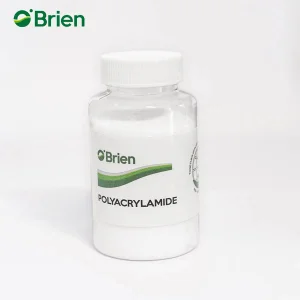
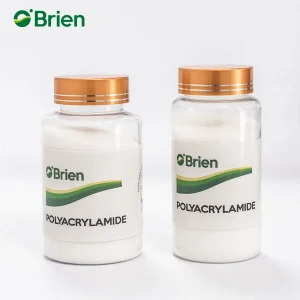
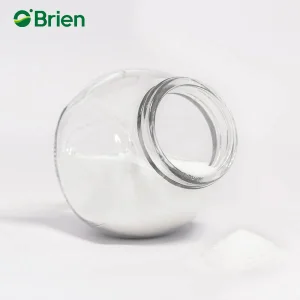
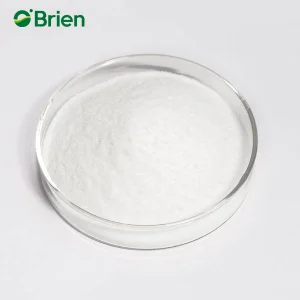
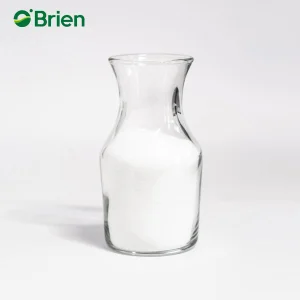
Explore our high-performance cationic, anionic, and nonionic polyacrylamide formulations engineered for global industrial applications.
Delivering high-purity Polyacrylamide solutions with uncompromised quality, advanced biopolymer research, and robust eco-conscious manufacturing.
Oubo Chemical Co., Ltd was established in 2011, strategically located in the Free Trade Zone of Qingdao, China. Over the past decade, our commitment to technical excellence has enabled a consistent annual business growth rate of 10% per year. Qingdao Oubo Chemical Co., Ltd is highly committed to quality, unparalleled customer service, and environmental stewardship throughout every phase of polymer synthesis and field application.
Specializing in the comprehensive production of Cationic Polyacrylamide (CPAM), Anionic Polyacrylamide (APAM), and Nonionic Polyacrylamide (NPAM), Oubo utilizes cutting-edge automated infrastructure and highly specialized chemical engineers. Our annual polyacrylamide production capacity officially breached 50,000 Metric Tons in 2018, backed by rigorous ISO9001:2008 Quality Management Certification. We proudly stand behind every batch of product shipped across the globe under our international brand, O'brien.
An authoritative guide on molecular architecture, reaction kinetics, and charge-independent flocculation mechanisms.
Polyacrylamide (CAS 9003-05-8) is a synthetic, high-molecular-weight, water-soluble linear polymer formed by the polymerization of acrylamide (AM) monomers. Depending on functional groups integrated into the polymer backbone, PAM products are categorized into four major ionic configurations: Nonionic (NPAM), Anionic (APAM), Cationic (CPAM), and Mannich PAM.
Nonionic Polyacrylamide (NPAM) is composed of homopolymerized acrylamide units without functional ionic groups. Because the polymer chain is neutrally charged, NPAM operates predominantly via hydrogen bonding and mechanical bridging rather than electrostatic charge neutralization. This unique zero-charge chemical structure allows NPAM to maintain exceptional adsorption capability and molecular integrity in extreme environmental conditions, such as high-salinity solutions, acidic effluents, and systems with complex ionic strengths where APAM or CPAM would precipitate or lose efficacy.
| Polymer Variant | Ionic Charge | Molecular Weight (Million) | Primary Flocculation Mechanism | Optimal Operating Conditions |
|---|---|---|---|---|
| Nonionic PAM (NPAM) | Neutral / Zero Charge | 3.0 – 15.0 Million | Hydrogen Bonding & Chain Bridging | Strong Acidic (pH 1-6), High Salinity, Inorganic Suspensions |
| Anionic PAM (APAM) | Negative Charge | 6.0 – 25.0 Million | Charge Neutralization + Bridging | Neutral to Alkaline (pH 7-14), Positively Charged Particles |
| Cationic PAM (CPAM) | Positive Charge | 4.0 – 12.0 Million | Electrostatic Attraction + Bridging | Organic Sludge, Municipal Sewage, Negatively Charged Solids |
| Mannich PAM | High Cationic Density | 1.0 – 5.0 Million | Dense Charge Neutralization | Refractory Micro-organic Suspensions, Oily Sludge |
Oubo Chemical manufactures an extensive portfolio of high-purity polymers designed to address rigorous industrial fluid-separation challenges:
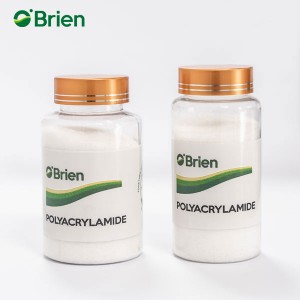
Why international enterprise procurement heads choose Qingdao Oubo Chemical as their long-term supply partner.
China hosts the world's most integrated petrochemical supply chain. Oubo leverages direct pipeline integration for Acrylonitrile (AN) monomer feedstock from leading suppliers such as SINOPEC. This upstream integration guarantees raw material purity and shields global buyers from volatile price fluctuations.
Unlike traditional chemical synthesis using copper catalysis which leaves trace heavy metals, Oubo utilizes patented biological enzymatic processes. This eco-friendly production method delivers higher molecular weight consistency, superior water solubility, and exceptionally low unreacted monomer levels (<0.05%).
With an annual output exceeding 50,000 Metric Tons, Oubo operates high-speed continuous polymerization lines. Economies of scale allow us to offer tier-1 global specification PAM at highly competitive direct-from-factory price points.
Quality assurance is embedded in our workflow. Raw materials undergo inline spectroscopic testing, continuous polymer chain monitoring occurs during synthesis, and every batch finished product undergoes triple laboratory testing before export approval.
From complex hydrometallurgy to municipal wastewater treatment, Oubo PAM formulations deliver measurable performance enhancements.
Polyacrylamide serves as a vital primary flocculant and coagulant aid in industrial solid-liquid separation processes, including sedimentation, clarification, thickening, and sludge dewatering. As environmental regulations become increasingly stringent globally, advanced water treatment technology is paramount.
Nonionic Polyacrylamide (NPAM) excels specifically in treating acidic industrial effluents originating from electroplating, chemical synthesis, and acid-pickling steel operations. Because NPAM does not rely on charge ionization, it maintains stable polymer chain extension in high pH flux conditions, facilitating rapid floc formation and crystal clear supernatant separation.
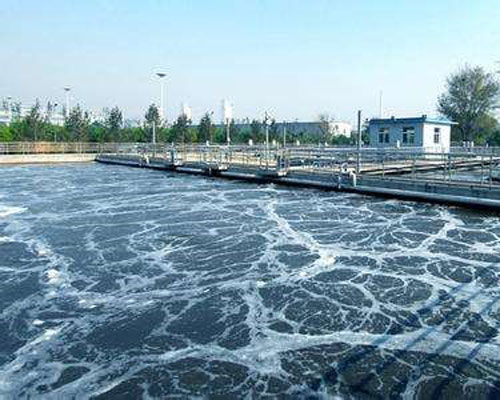
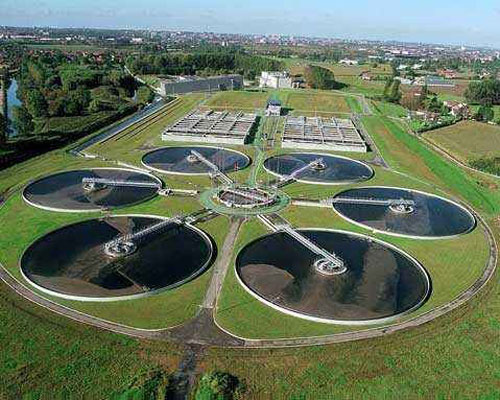
In municipal sewage systems, Oubo CPAM and APAM series handle primary settling tank enhancement and secondary digested sludge dewatering via belt filter presses, centrifuges, and screw presses, significantly reducing cake moisture content.

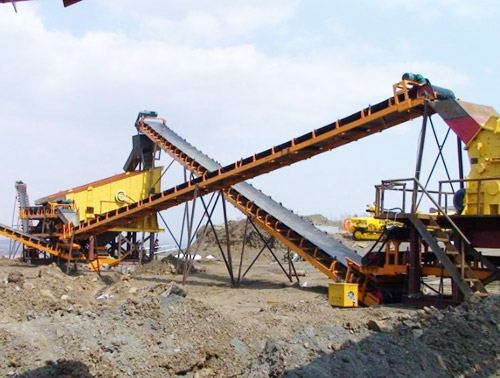
The mining sector demands immense volumes of water for ore dressing, mineral flotation, and slurry transport. Polyacrylamide is essential for separating valuable minerals from gangue solids and recovering process water in closed-circuit operations.
NPAM in Hydrometallurgy: During acid leaching of copper, gold, uranium, and nickel ores, the slurry pH often drops below 2. Standard anionic flocculants lose activity under such high hydrogen ion concentration. Oubo Nonionic PAM preserves its molecular weight structure, providing outstanding settlement velocity in acid leach thickeners.
Coal Washing & Tailings Dewatering: In coal washing plants, fine coal particles stay suspended in slurry. Oubo high-molecular-weight NPAM and APAM act as high-efficiency thickener additives, achieving rapid solid-liquid separation, clear overflow recycling, and dry tailing filtration.
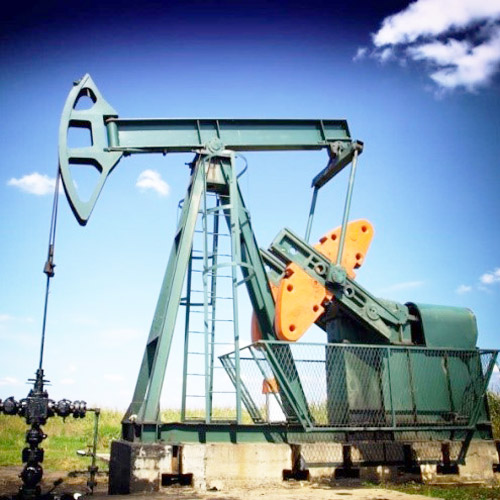
Polyacrylamide plays a mission-critical role across upstream oil and gas operations. In Enhanced Oil Recovery (EOR), tertiary recovery techniques inject polymer solutions to adjust water-oil mobility ratios, pushing residual crude out of subterranean rock matrices.
Drilling Fluid Additive & Shale Inhibitor: Oubo NPAM serves as a premium friction reducer, fluid loss control agent, and shale stabilizer. Its non-ionic structure minimizes chemical interaction with bentonite clay, maintaining fluid rheology, lubricating drill bits, cooling equipment, and efficiently transporting drill cuttings to the surface.
Profile Control & Water Shut-Off: Cross-linked NPAM gels seal high-permeability thief zones in mature oil reservoirs, directing waterdrive fluids into un-swept oil-rich zones to maximize barrel yields.
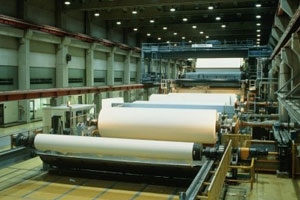
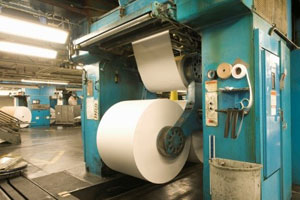
In modern paper production, polyacrylamide formulations are widely utilized as wet-end additives to elevate sheet quality, optimize machine speed, and lower operational overhead:
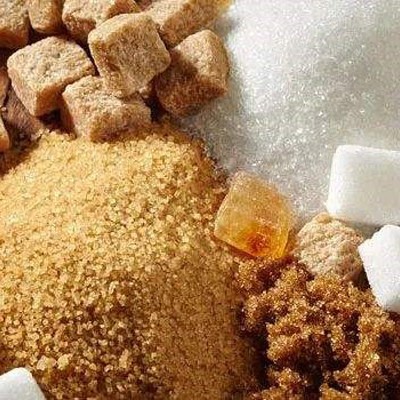
In sugarcane and sugar beet processing, specialized food-grade NPAM acts as a primary clarifier in juice extraction. It promotes rapid settling of mud suspended impurities, producing crystal-clear syrup for crystallization while preserving sugar yield purity.
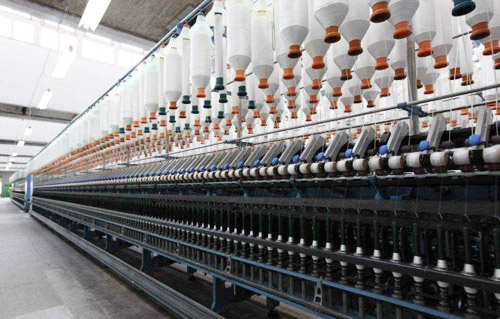
PAM is utilized as a warp sizing agent, textile finishing resin, and protective coating additive. In dyehouse effluent treatment, NPAM decolorizes complex reactive dye effluents and flocculates heavy metal sludge efficiently.
Flexible, moisture-proof, and transport-tested packaging solutions tailored for global oceanic shipping.
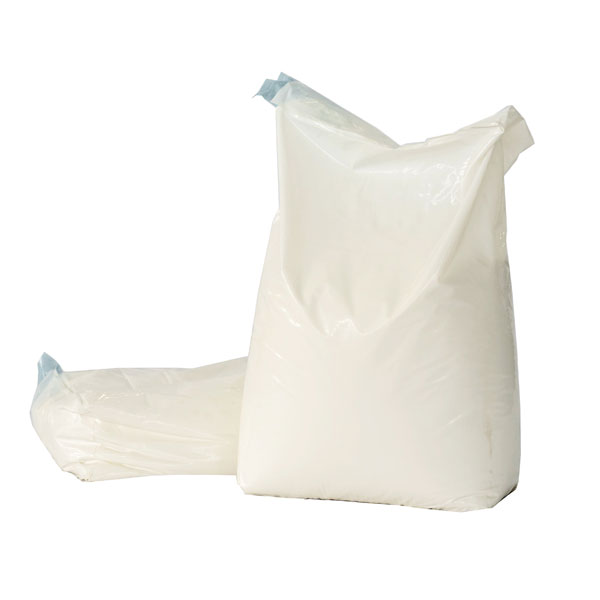
25kg multi-wall paper-plastic composite bags with inner PE liner. Ideal for private-label distributors.
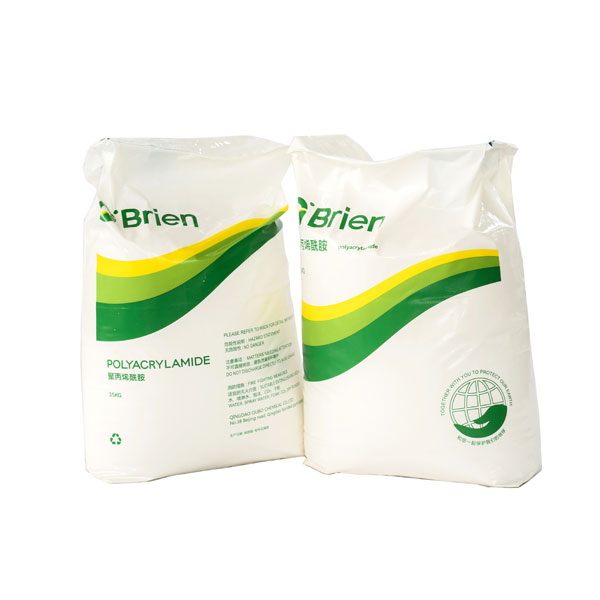
High-durability standardized O'brien branded packaging with full batch traceability and handling guidelines.
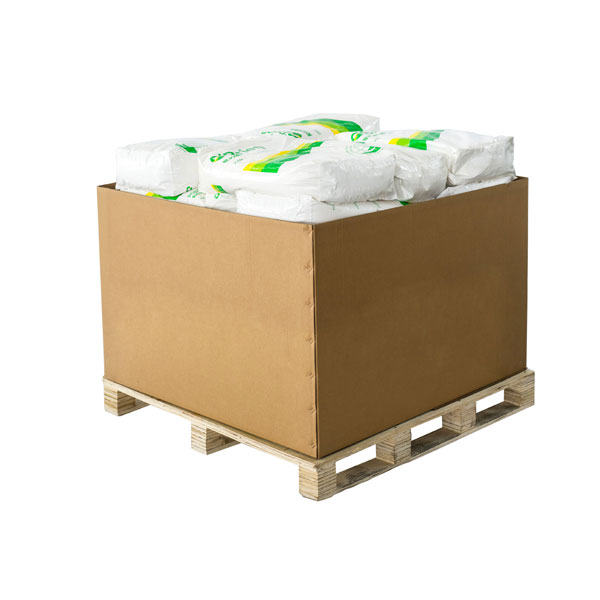
Customized multi-language branding, specialized barcoding, and tailored chemical hazard labeling.
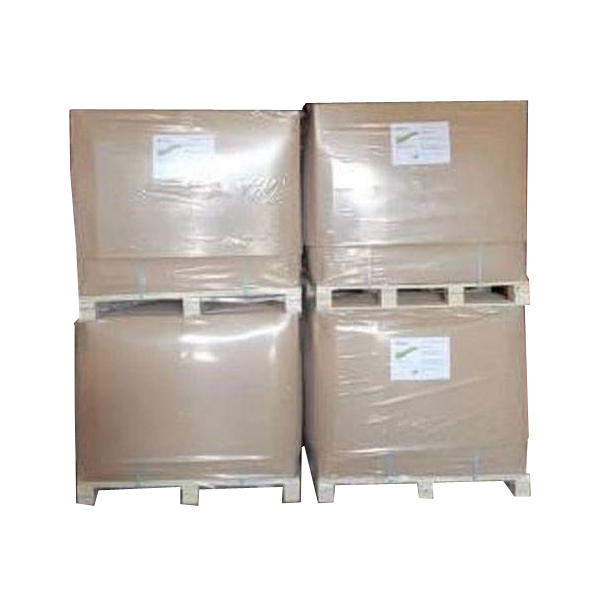
Fumigated wooden/plastic pallets shrink-wrapped with corner boards, plus 750kg jumbo bulk bags for high-volume users.
Key considerations for B2B chemical buyers and market technical forecasts.
When sourcing Nonionic Polyacrylamide from overseas suppliers, evaluation must extend beyond unit cost per metric ton. Essential technical performance indicators include:
The global polymer chemical industry is rapidly shifting toward sustainable, high-efficiency chemistry. Major developmental vectors include:
Expert technical answers regarding NPAM selection, chemistry, dosage optimization, and factory order execution.
Select specialized formulations below to view detailed technical specifications and request competitive factory quotation sheets.
 Oubo Chemical