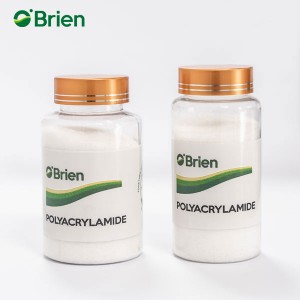
Explore our high-performance nonionic, anionic, and cationic polyacrylamide polymers tailored for severe industrial solid-liquid separation challenges.
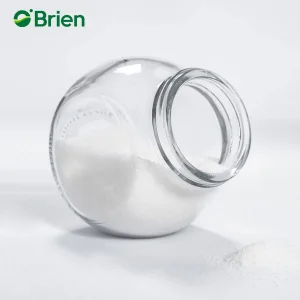
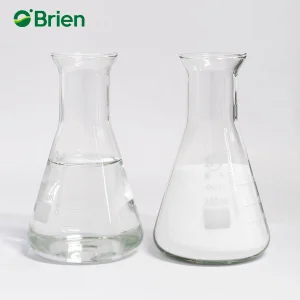
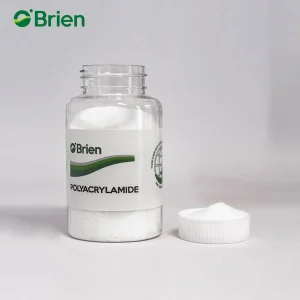
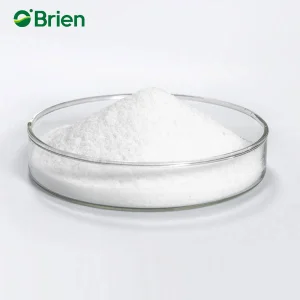
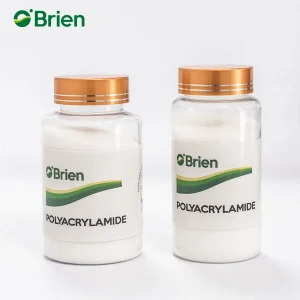
Bridging global industrial chemical demands with China's advanced polymer synthesis infrastructure.
Modern global industries face unprecedented challenges in water stewardship, driven by rigorous environmental discharge mandates, escalating raw water scarcity, and aggressive corporate ESG (Environmental, Social, and Governance) commitments. Within complex heavy manufacturing, oil extraction, mining operations, and municipal infrastructures, effective liquid-solid separation stands as the linchpin of operational efficiency and compliance. High-grade chemical water treatment formulations—specifically equivalent to world-class benchmark standards set by global giants like Nalco Water—have become critical assets across global supply chains.
As multinational enterprises seek cost-effective, highly reliable, and technically customizable alternatives to legacy chemical providers, China has emerged as the premier manufacturing powerhouse for synthetic water-soluble polymers. Leveraging advanced biological monomer synthesis, automated continuous polymerization lines, and robust raw material integrations, top-tier Chinese manufacturers now deliver world-class Polyacrylamide (PAM) chemistries that match and frequently exceed Nalco-grade operational parameters.
Tightening zero liquid discharge (ZLD) regulations globally force process industries to recycle up to 98% of plant effluent. Synthetic PAM flocculants act as crucial force multipliers in high-rate clarifiers and belt presses.
Direct backward integration with high-purity Acrylamide monomers sourced from petro-chemical giants (SINOPEC, Eni) ensures structural integrity, low residual monomer content (<0.05%), and unbroken global supply chains.
Transitioning to qualified Chinese manufacturing hubs allows industrial end-users to achieve 25% to 40% reduction in chemical procurement budgets while maintaining identical dosage rates and cake dryness levels.
Understanding the molecular mechanisms, ionic charge distribution, and structural variants of Polyacrylamide (PAM).
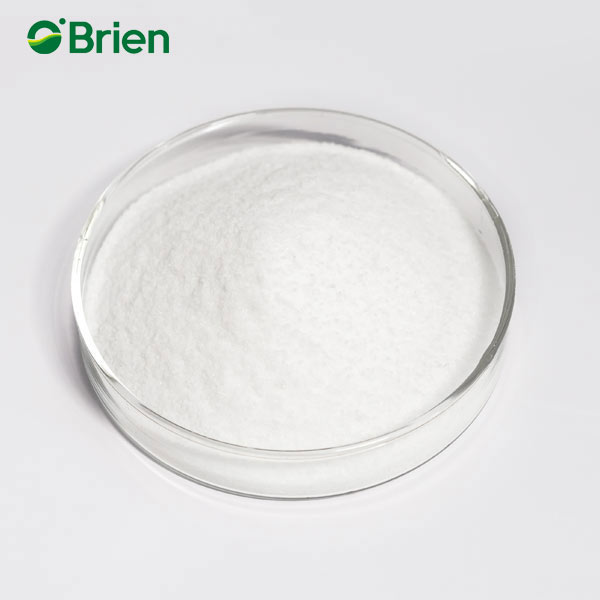
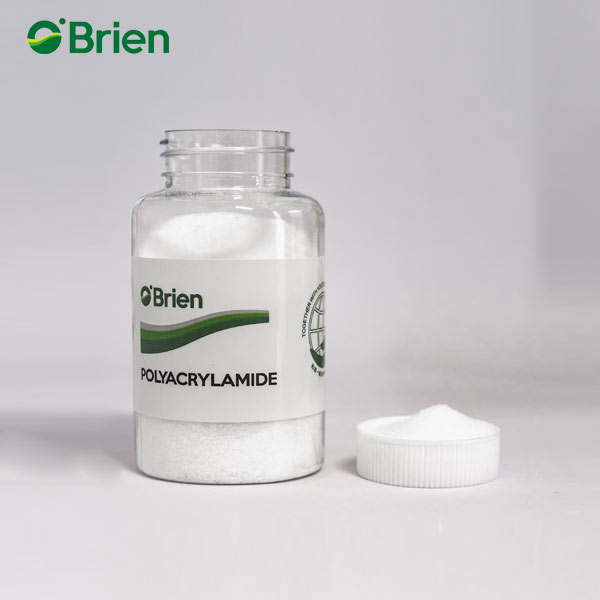
Polyacrylamide (CAS 9003-05-8) is a synthetic, linear water-soluble polymer derived from the polymerization of acrylamide monomers. Its primary industrial efficacy lies in its capability to bridge suspended particulate matter via chain adsorption and charge neutralization, forming robust, rapid-settling macro-flocs. The performance of Nalco-grade PAM chemical alternatives is governed by three critical chemical parameters: Molecular Weight (MW), Charge Type & Density (Mole %), and Polymer Morphology.
| Polymer Ionic Type | Molecular Weight (Million) | Charge Density Range | Primary Mechanisms | Core Industrial Applications |
|---|---|---|---|---|
| Anionic PAM (APAM) | 8.0 - 25.0 Mg/mol | 5% - 60% Hydrolysis | Bridging, Electrostatic Charge Neutralization | Municipal Raw Water, Mining Tailings, Paper Retention, Petrochemical Effluent |
| Cationic PAM (CPAM) | 5.0 - 15.0 Mg/mol | 10% - 80% DAC/DMAEA | Charge Neutralization, Micro-floc Agglomeration | Sludge Dewatering (Belt/Centrifuge), Textile & Dyeing Wastewater, Biological Sludge |
| Nonionic PAM (NPAM) | 3.0 - 12.0 Mg/mol | < 3% Hydrolysis | Hydrogen Bonding, Steric Bridging | Acidic Wastewater Filtration, Mineral Acid Leaching, High-Salinity Brines, Soil Stabilization |
When high molecular weight APAM or NPAM is dosed into aqueous suspension, long polymer chains extend beyond the electrical double layer of colloidal particles. Amide groups (–CONH2) form strong hydrogen bonds or electrostatic attraction with particle surfaces.
Organic sludge particles (such as activated sludge from biological treatment) carry strong negative Zeta potential. CPAM introduces quaternary ammonium positive charges that collapse the electric double layer.
A decade of pioneering bio-method polymer innovation, world-class QC standards, and high-capacity global supply capability.
Established in 2011 and strategically situated within the Free Trade Zone of Qingdao, China, Qingdao Oubo Chemical Co., Ltd. stands as an international leader in the manufacture and supply of high-grade Polyacrylamide products (brand name O'Brien). Over the past decade, Oubo Chemical has maintained a consistent annual growth rate exceeding 10%, breaking through an annual production capacity of 50,000 Metric Tons in 2018.
Operating under a certified ISO 9001:2008 Quality Management System, Oubo Chemical leverages patented biological synthesis methods to manufacture ultra-high-purity acrylamide. Unlike traditional chemical catalytic methods, biological synthesis eliminates undesirable side contaminants, yielding polymers with ultra-high molecular weights and exceptional water solubility.
Tailored Nalco-equivalent chemical solutions delivering tangible operational efficiency across vital industries.
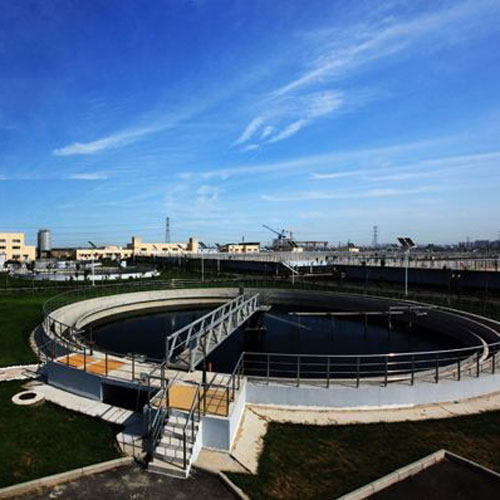
Increasingly strict discharge mandates require high efficiency in municipal sewage and heavy industrial wastewater purification (leather, paper, citric acid, pharmaceuticals, dye houses, and protein extraction). Oubo PAM polymers serve as ultimate solid-liquid separation aids in sedimentation, clarification, and sludge dewatering operations.
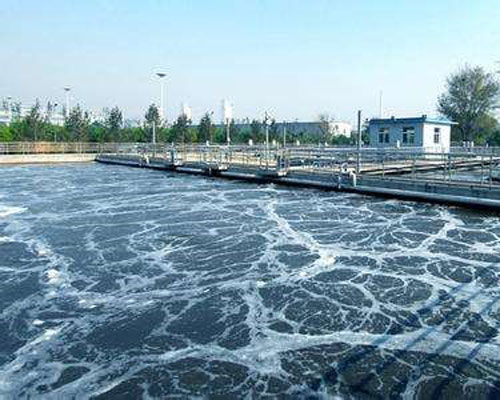
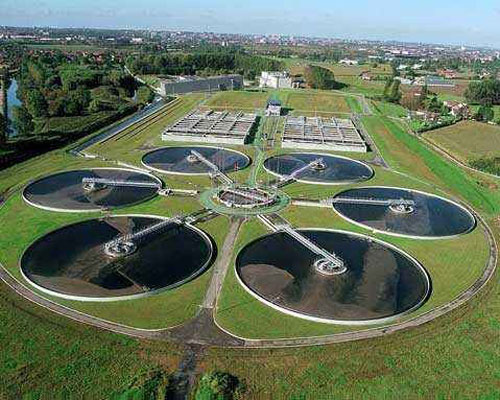
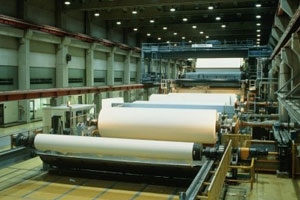
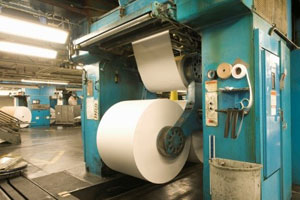
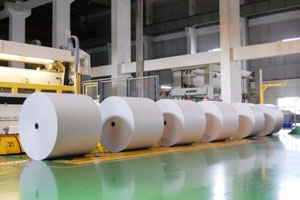
In high-speed paper machinery, Oubo anionic and cationic acrylamide polymers perform vital wet-end functions:
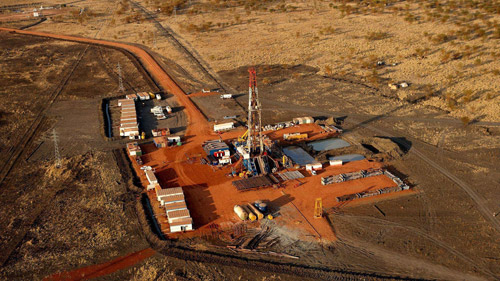
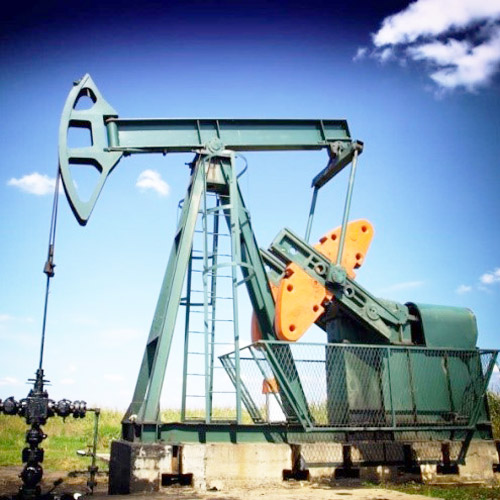
Polyacrylamide plays a central role in secondary and tertiary oil recovery. High molecular weight APAM acts as a mobility control agent, increasing water sweep efficiency in oil reservoirs. Furthermore, PAM additives regulate drilling fluid viscosity, encapsulate drill cuttings, inhibit shale hydration, and minimize fluid loss during hydraulic fracturing operations.
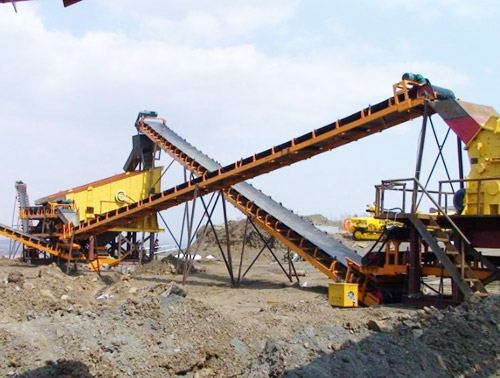
In coal preparation plants and precious metal extraction facilities (Gold, Silver, Copper, Nickel, Iron), high molecular weight PAM polymers accelerate solid-liquid separation during leaching, tailings thickening, and vacuum filtration:


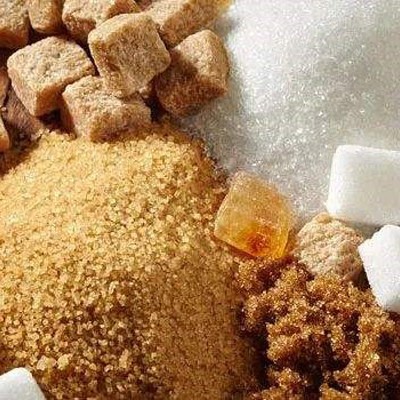
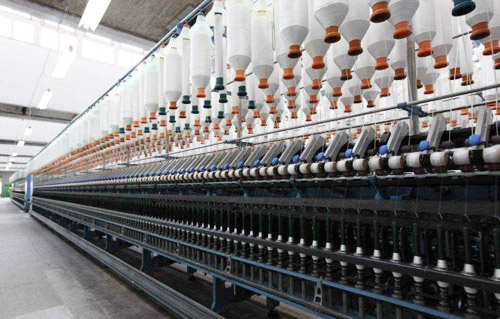
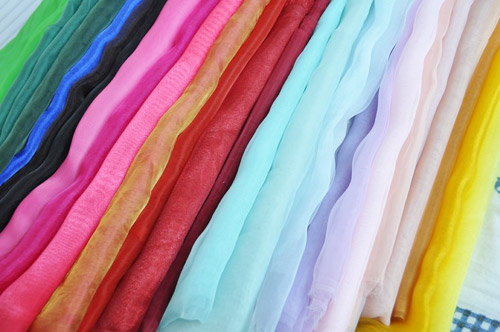
Specialized food-grade anionic polymers clear impurities during raw sugar juice clarification, maximizing yield. In textile manufacturing, PAM functions as a high-shear sizing agent and effluent color-decolorizing coagulant.

Advancing next-generation chemical formulations with superior thermal, shear, and bio-degradable properties.
Developing ultra-high molecular weight APAM copolymers capable of maintaining structural viscosity at reservoir temperatures exceeding 120°C and high salinity (>200,000 ppm TDS) for harsh EOR environments.
Pioneering enzymatic purification pathways that reduce unreacted acrylamide monomer residuals to less than 100 ppm, exceeding strict European and North American drinking water standards.
Integrating chemical supply chain logistics with automated online viscosity and Zeta-potential metering systems, providing automated real-time dosage optimization for end-users.
Moisture-proof, robust packaging options optimized for international sea freight and long-term storage.
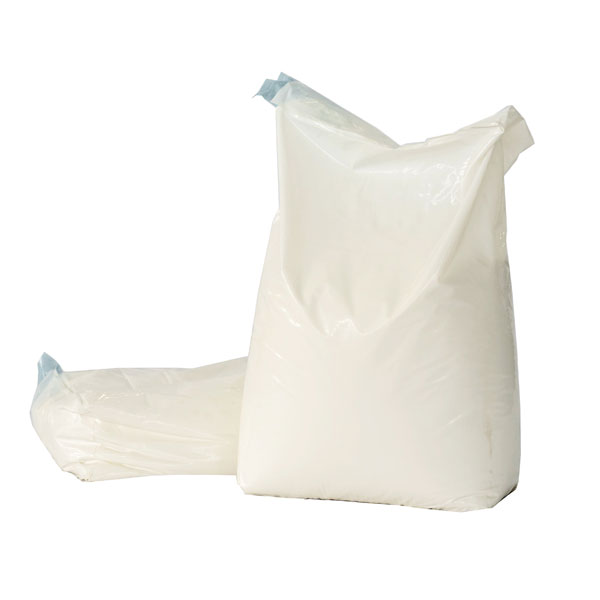
Neutral multi-wall kraft paper or PE bag with inner moisture barrier, customizable for private labeling.
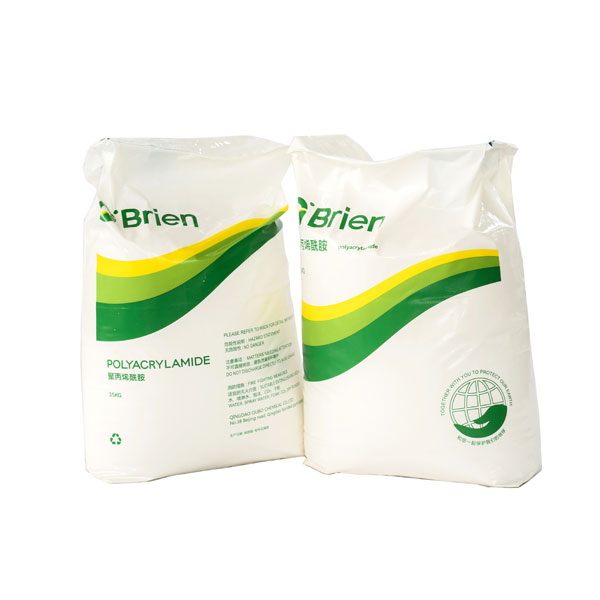
Standardized O'Brien branded heavy-duty woven polypropylene bag with PE inner liner.
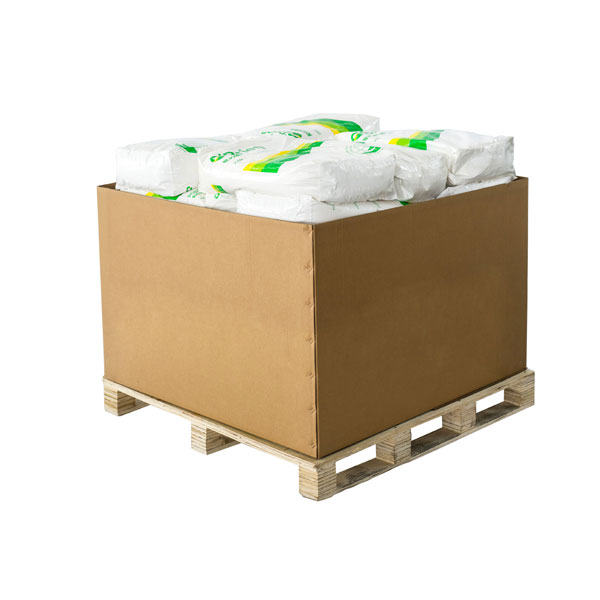
High-capacity bulk bag equipped with bottom discharge spout for automated bulk dissolution systems.
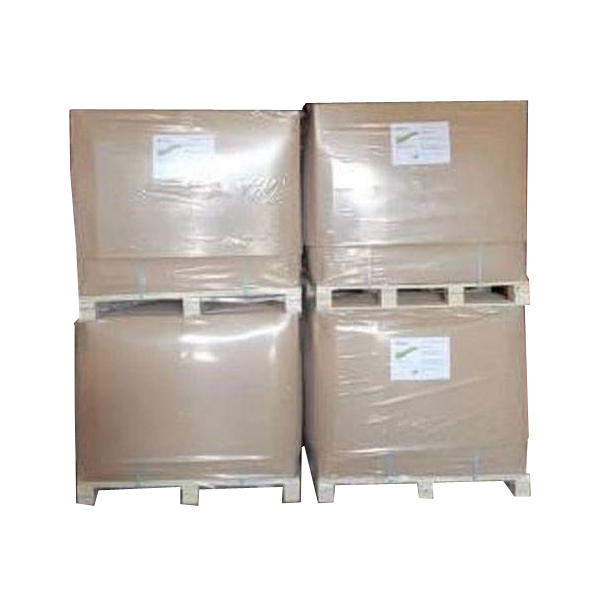
ISPM-15 compliant fumigated pallets with heavy-duty stretch film wrap for full container loads (FCL).
Explore additional high-grade chemical variants designed for specific process parameters.
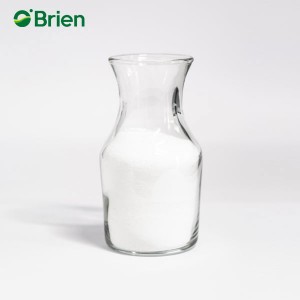
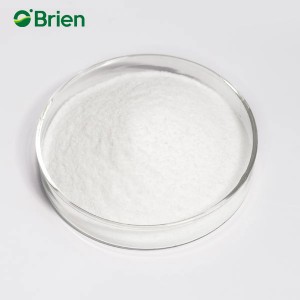
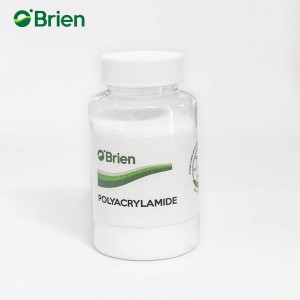
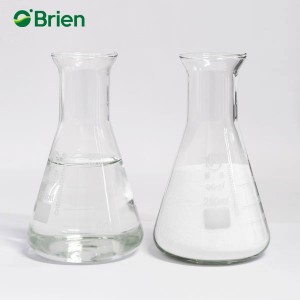
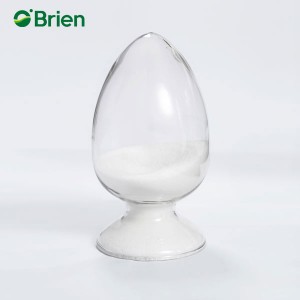
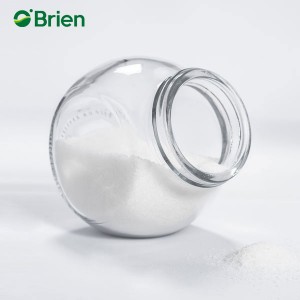
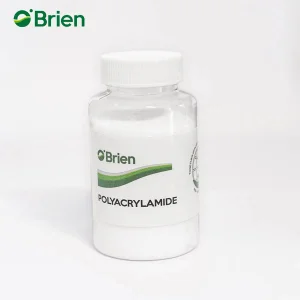
Direct factory supply of application-specific polyacrylamide polymers with guaranteed quality and technical support.
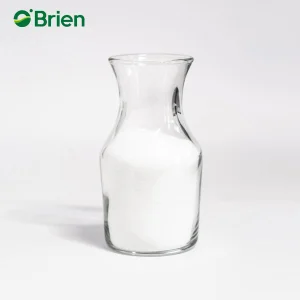
Expert insights regarding chemical substitution, dosage, quality assurance, and global logistics.
 Oubo Chemical