Premium Synthetic Zeolites, Molecular Sieves, and High-Performance Specialty Polymers Engineered for Clean Energy & Industrial Fluid Separation
The Pivotal Role of Synthetic Molecular Sieves in the Clean Energy Transition
As the global energy paradigm aggressively transitions toward zero-emission economies, molecular sieves for hydrogen production have positioned themselves as critical chemical catalysts and physical adsorbents in modern gas purification infrastructure. Hydrogen ($H_2$) is widely regarded as the ultimate clean energy carrier for hard-to-abate heavy industries, long-haul transportation, chemical refining, and energy storage. However, raw hydrogen generated via industrial pathways—including Steam Methane Reforming (SMR), Coal Gasification, Coke Oven Gas (COG) recovery, and Water Electrolysis—contains undesirable impurities such as nitrogen ($N_2$), carbon monoxide ($CO$), carbon dioxide ($CO_2$), methane ($CH_4$), hydrogen sulfide ($H_2S$), and water vapor ($H_2O$).
To reach ultra-high purity levels—specifically 5N Grade (99.999%) fuel cell-grade hydrogen specified by ISO 14687-2 and SAE J2719—industrial facilities rely on Pressure Swing Adsorption (PSA) systems packed with specialized synthetic zeolites. China's chemical manufacturing ecosystems, supported by sophisticated advanced material clusters, have emerged as the world's primary supply hub for high-performance molecular sieves, delivering unprecedented adsorption kinetics, hydrothermal resilience, and cost efficiency to EPC engineering firms and industrial gas majors worldwide.
Information Gain Insight: Modern hydrogen PSA units utilize multi-bed configurations where lithium-exchanged (Li-X) and calcium-exchanged (5A) zeolites achieve dynamic $N_2/H_2$ and $CO/H_2$ selectivity ratios exceeding 6.5:1. This enables recovery rates beyond 88% while operating under working pressures up to 35 bar.
Comparing Pore Architectures, Cation Exchange, and Thermodynamic Selectivity
The performance of a hydrogen purification bed is governed by the crystallographic structure, pore aperture diameter, framework silica-to-alumina ratio ($SiO_2/Al_2O_3$), and extra-framework cation substitution within the synthetic zeolite lattice. The primary molecular sieves used in hydrogen production include:
| Adsorbent Type | Pore Diameter (Å) | Bulk Density (g/ml) | Crush Strength (N) | Primary Target Impurities | Regeneration Temp (°C) |
|---|---|---|---|---|---|
| Zeolite 5A (Ca-A) | 5.0 | 0.68 - 0.74 | ≥ 45 (Spherical) | $CO_2$, $CH_4$, $CO$, $N_2$, $C_2H_6$ | 200 - 280 |
| Li-X Zeolite (High Cation Exchange) | 7.4 | 0.62 - 0.68 | ≥ 38 (Spherical) | $N_2$, $CO$, Trace Hydrocarbons | 180 - 240 |
| Carbon Molecular Sieve (CMS-H2) | 3.2 - 4.0 | 0.65 - 0.70 | ≥ 65 (Extrudate) | $O_2$, $N_2$, Trace Aromatics | Pressure Swing Ambient |
| Activated Alumina Guard Layer | Macro/Mesoporous | 0.70 - 0.80 | ≥ 140 | $H_2O$ (Dew Point -70°C), Liquid Aerosols | 150 - 250 |
Why Global Industrial Gas Giants & EPC Contractors Partner with Chinese Factories
China's dominance in the global market for molecular sieves and chemical process aids stems from a fully integrated industrial ecosystem, ultra-large-scale continuous calcination facilities, and raw material self-sufficiency. Chinese suppliers maintain complete vertical integration from natural kaolin clay hydro-thermal synthesis, sodium aluminate precipitation, and precise cation exchange processing to automated bead forming and high-temperature rotary kilns.
Direct sourcing of strategic mineral precursors (silicates, lithium salts, aluminum hydroxides) ensures consistent chemical stoichiometry and eliminates supply chain bottlenecks for global buyers.
State-of-the-art continuous extrusion and spherical agglomeration lines maintain tight particle size distribution (1.6-2.5 mm, 3.0-5.0 mm) with zero dust generation and high crush resistance.
Every production batch undergoes dynamic adsorption testing, X-ray diffraction (XRD) phase purity analysis, and attrition loss verification certified under ISO 9001:2008 standards.
World-Class Chemical Manufacturing, Advanced Materials, & Global Service Excellence
Oubo Chemical Co., Ltd was established in 2011, located in the Free Trade Zone of Qingdao, China. The QC system of O'Brien is strict and comprehensive; over the past decade, our business growth rate has consistently reached 10% annually. Qingdao Oubo Chemical Co., Ltd is highly committed to quality, customer service, and environmental sustainability during raw chemical production and industrial application.
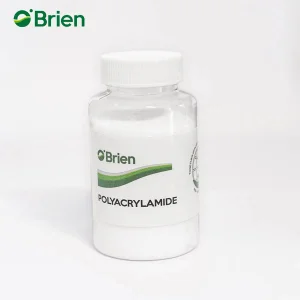
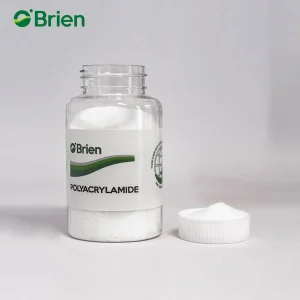
Oubo specializes in supplying high-performance Cationic Polyacrylamide, Anionic Polyacrylamide, Nonionic Polyacrylamide, and associated chemical auxiliary solutions. We utilize advanced production equipment and employ a highly skilled professional staff to ensure all products and technical services meet exact international specifications. Our annual polymer capacity surpassed 50,000 Tons in 2018, and our quality management system is fully certified by ISO 9001:2008. We proudly stand behind our complete product portfolio.
Qingdao OUBO Chemical Co., Ltd is a recognized leader in specialized polymer and chemical manufacturing. Utilizing patented biological production methods, we reinvest heavily in ongoing technical development to maintain our market leadership.
Our raw materials are ethically sourced from tier-one global suppliers including SINOPEC and Eni. Automated production lines ensure every single batch undergoes triple-testing by our dedicated QC team prior to shipping.
Our expert engineering team participates in pre-sales analysis, pilot testing, and post-installation optimization. We guide engineering teams to make the perfect material selection tailored to their specific system dynamics.
Deploying Molecular Sieves & Chemical Auxiliaries Across Global Processing Sectors
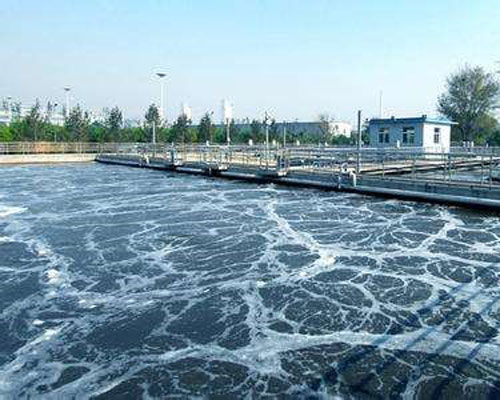
Critical solid-liquid separation, clarifying, and sludge dewatering for municipal plants, chemical refineries, and hydrogen production runoff under strict environmental discharge regulations.
Enhanced Oil Recovery (EOR), drilling fluid additives, shale stabilization, and offshore refining off-gas hydrogen separation and recovery systems.
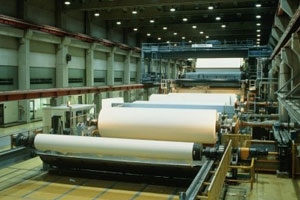
High-efficiency retention aids, dry strength agents, anionic trash catchers, and dispersants improving sheet formation and water loop recycling.
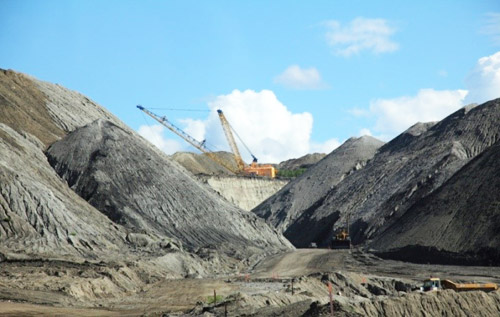
Flocculation, tailings dewatering, and solid-liquid separation in coal washing, gold, silver, iron, copper, and nickel extraction circuits.

Specialized flocculating agents designed for cane and beet juice clarification, syrup flotation, and color precipitate separation.
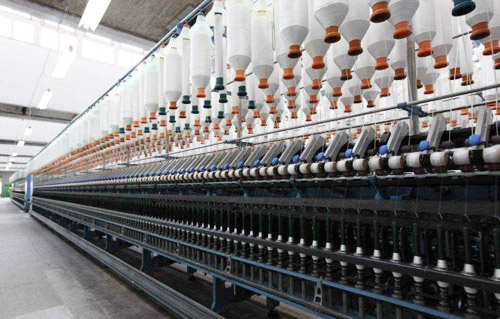
High-efficiency textile sizing agents, fabric finishing treatments, and wastewater color removal flocculants for sustainable textile production.
Hermetically Sealed Protection Guaranteed for Long-Distance Ocean Freight
Synthetic zeolites and specialized chemical polymers are highly hygroscopic. Exposure to ambient moisture during transport degrades adsorption working capacity. Chinese factories adhere to rigid export packaging protocols, utilizing nitrogen-purged airtight steel drums, aluminum foil lined multi-wall bags, and heavy-duty shrink-wrapped pallets.
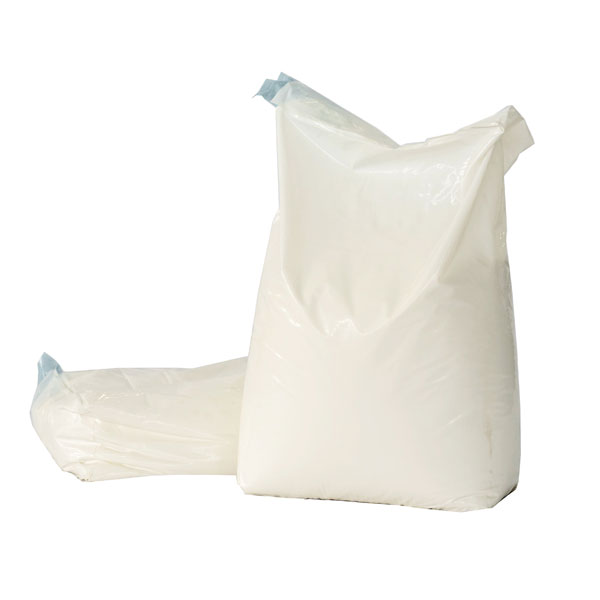
Custom unbranded 25kg moisture-proof woven bags with PE inner liners.
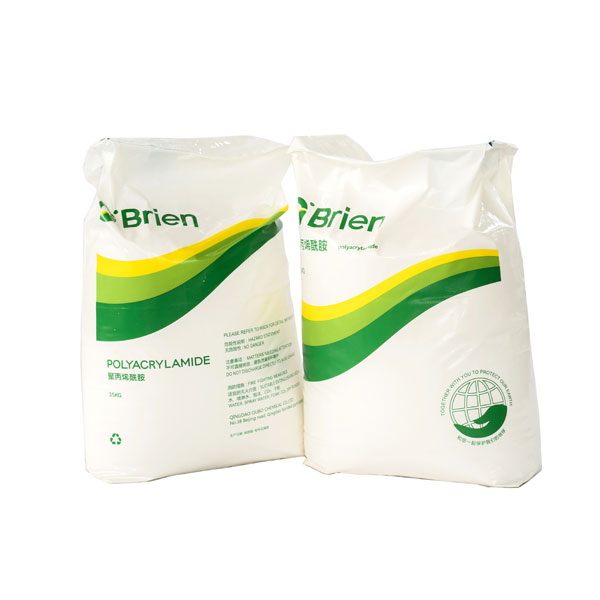
Heavy-duty multi-ply kraft paper and polymer composite packaging.
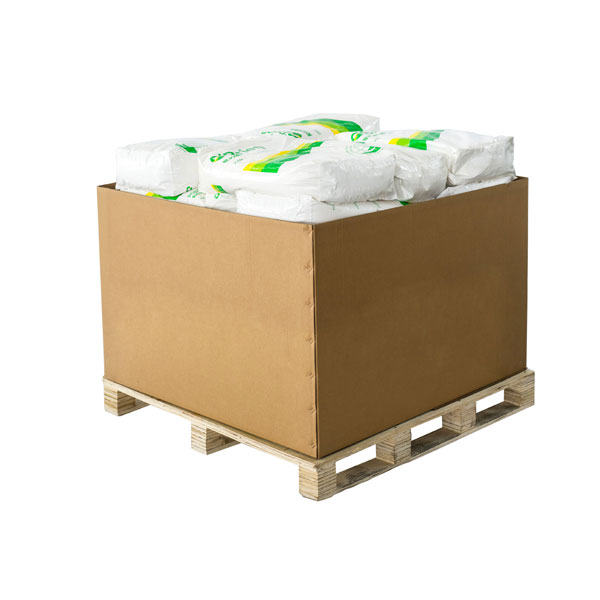
Top-spout bulk bags engineered for direct loading into industrial adsorber vessels.
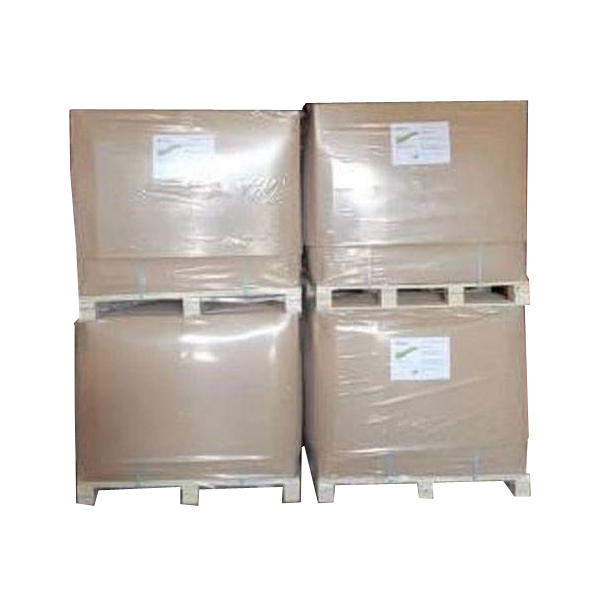
ISPM-15 compliant palletization with full stretch-wrap weatherproofing.
Navigating the Green Hydrogen Era, Low-Pressure PSA, & Carbon Neutrality
The global molecular sieve market for hydrogen applications is undergoing significant technological transformations driven by three key industry macro-trends:
While traditional SMR hydrogen production requires removal of $CO_2$ and $CO$, green hydrogen produced via PEM or Alkaline electrolysis requires deep dew-point reduction (down to -70°C) and trace $O_2$ removal. Chinese factories are producing hybrid molecular sieve formulations that integrate deoxo catalysts directly with 3A/5A zeolite beds to perform simultaneous catalytic deoxygenation and moisture drying.
To reduce parasitic compressor energy consumption in large-scale PSA plants, engineering firms are specifying low-attrition, highly spherical beads (1.6-2.5 mm). Uniform bead sphericity reduces fluidization risks and differential pressure ($\Delta P$) across 50-meter vertical column vessels.
Global EPC buyers are shifting procurement strategies away from high-margin traditional Western suppliers toward verified tier-1 Chinese manufacturers like Qingdao Oubo Chemical. Purchasing direct from factory networks yields direct material savings of 35% to 50% without compromising breakthrough capacity or bed operational longevity (5 to 8 years lifetime).
Expert Engineering Guidance on Molecular Sieve Loading, Operation, & Sourcing
Under optimal operating conditions—with effective upstream guard beds protecting against liquid water and heavy hydrocarbon fouling—high-quality Chinese 5A and Li-X molecular sieves achieve operational lifespans of 5 to 8 years (or over 1,500,000 pressure-swing cycles).
Li-X zeolites offer significantly higher $N_2$ adsorption capacity at ambient pressures due to the intense electrostatic field of lithium cations. This allows plant engineers to shrink PSA bed dimensions by up to 25% or increase hydrogen recovery rates by 2-4% compared to standard 5A beds.
Thermal regeneration (TSA mode) typically requires hot dry purge gas at temperatures between 200°C and 280°C. Heating must be applied gradually to prevent hydrothermal degradation of the crystal lattice structure.
Industrial PSA vessels experience rapid pressure fluctuations (0.5 to 35 bar) multiple times per hour. Low crush strength leads to particle attrition, dust accumulation, channel formation, increased pressure drops, and premature plant shutdown.
Yes. Oubo Chemical provides comprehensive OEM/ODM solutions including customized particle sizing, specialized binders, custom bulk bag packaging, and technical field assistance for initial vessel packing.
Every single production lot undergoes rigorous triple-stage QA testing in our ISO 9001 certified laboratory, including X-ray Diffraction (XRD), static water/gas adsorption, bulk density verification, and mechanical crush testing.
Explore Our Extended Catalog of Industrial Flocculants, Coagulants, & Specialty Process Agents
 Oubo Chemical