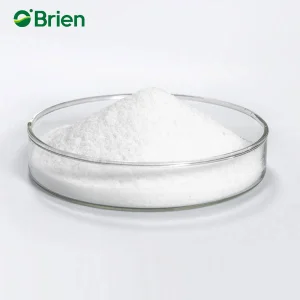
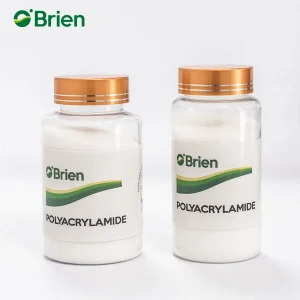
Established in 2011 within the state-level Free Trade Zone of Qingdao, China, Qingdao Oubo Chemical Co., Ltd. (operating globally under the flagship brand O'brien) has transformed into a world-class premier manufacturer and supply chain integrator of water-soluble synthetic polymers. Built upon a foundation of relentless continuous improvement, rigorous Quality Assurance (QA) protocols, and environmentally conscious chemical synthesis, Oubo Chemical has achieved a decade-long sustained annual growth rate of 10%, delivering specialized polymer matrix solutions to over 60 countries and regions worldwide.
In 2018, Oubo Chemical surpassed a major industrial milestone as annual polyacrylamide production capacity broke through 50,000 Metric Tons. Certified under ISO 9001:2008 management system standards, our manufacturing infrastructure utilizes state-of-the-art biological enzymatic synthesis technology—a green chemical reaction pathway for converting acrylamide (AM) monomers into ultra-high molecular weight polymers without thermal degradation or toxic side-reaction contaminants.
To maintain absolute supply chain integrity and unparalleled product stability, Oubo sources raw material feeds exclusively from tier-one global chemical conglomerates including SINOPEC, Eni, and top-tier global chemical suppliers. Every step of our production line is fully automated, operating under computerized PLC dynamic feedback loops. Our internal QC laboratory performs 3-stage empirical testing (Raw Material Feed, Inline Polymerization Viscosity, and Post-Drying Sieving Analysis) for every single batch prior to warehouse clearance, assuring global buyers of zero-defect chemical performance.
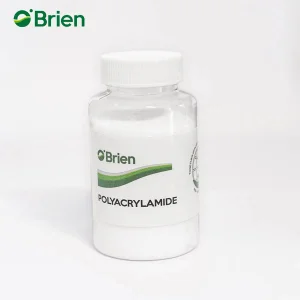
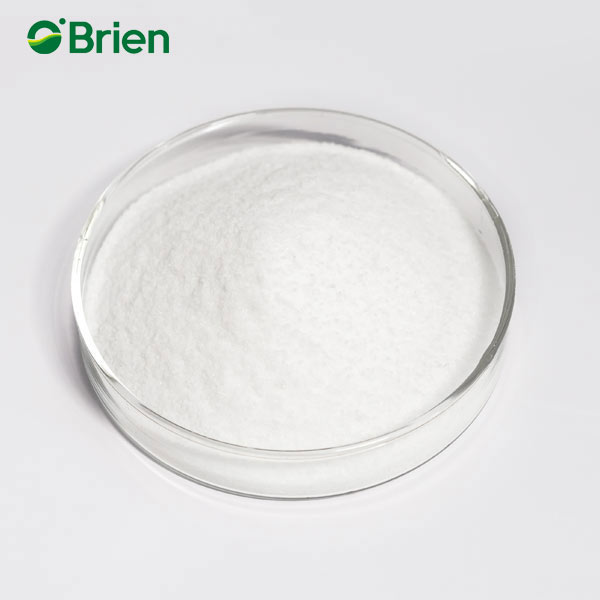
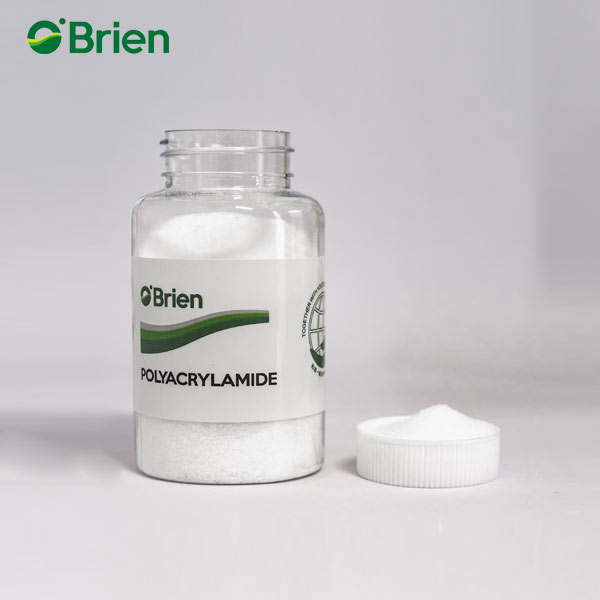
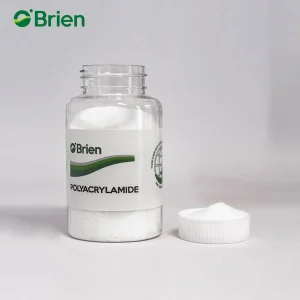
Polyacrylamide (PAM, CAS Registry No. 9003-05-8) is a synthetic linear resin synthesized via free-radical polymerization of acrylamide monomers. In its pure form, PAM is a non-hazardous, water-soluble high polymer. Its unique chemical architecture—characterized by repeating carboxamide functional groups (-CONH2)—allows for extensive modification via copolymerization, functionalization, or ionic mixing to generate tailored molecular structures optimized for specific solid-liquid separation dynamics.
Synthesized by copolymerizing acrylamide with cationic monomers such as DAC (Dimethylaminoethyl Acrylate Methyl Chloride) or DMC. CPAM possesses positive charge densities ranging from 10% to 80% and molecular weights from 6 to 12 million Daltons. It excels in neutralizing negatively charged organic colloidal suspended solids in municipal sludge dewatering and organic-heavy food/industrial effluents.
Produced via copolymerization of acrylamide with acrylic acid (AA) or sodium acrylate. APAM carries negatively charged carboxylate groups along its hydrocarbon backbone, available in hydrolysis degrees from 5% to 60% and molecular weights up to 22 million Daltons. It functions through charge neutralization and inter-particle bridging for inorganic suspended solids (e.g., mineral tailings, sand washing, metal oxides).
NPAM is a homopolymer of acrylamide with near-zero ionicity, engineered for highly acidic environments (pH 1–5) or complex saline media. Mixed Polyacrylamide Systems (including amphoteric PAM and customized multi-polymer matrix blends) combine both cationic and anionic active sites within the same polymer matrix or co-dosing system, establishing high structural stability against shear and osmotic variations.
| Polymer Type | Ionic Charge / Degree | Molecular Weight (M Daltons) | Primary Flocculation Mechanism | Optimum pH Range |
|---|---|---|---|---|
| Cationic (CPAM) | Positive (10% – 80%) | 6.0 – 12.0 | Charge Neutralization & Micro-floc Coagulation | 6.0 – 10.0 |
| Anionic (APAM) | Negative (5% – 60%) | 8.0 – 22.0 | Intermolecular Polymer Bridging | 7.0 – 14.0 |
| Nonionic (NPAM) | Neutral (< 1%) | 5.0 – 15.0 | Hydrogen Bonding & Physical Adsorption | 1.0 – 8.0 |
| Mixed / Amphoteric PAM | Dual Cationic/Anionic | 8.0 – 18.0 | Isoelectric Coacervation & Dynamic Bridging | 2.0 – 12.0 |
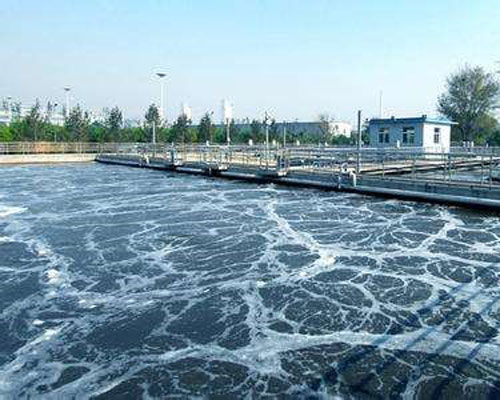
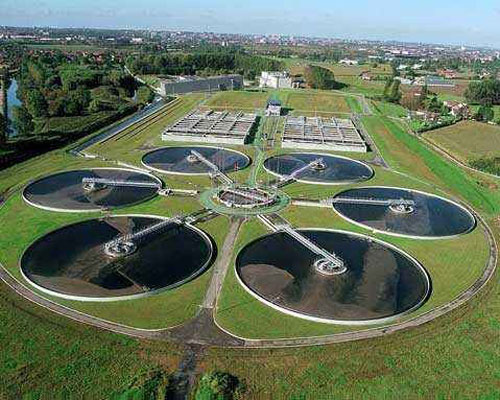
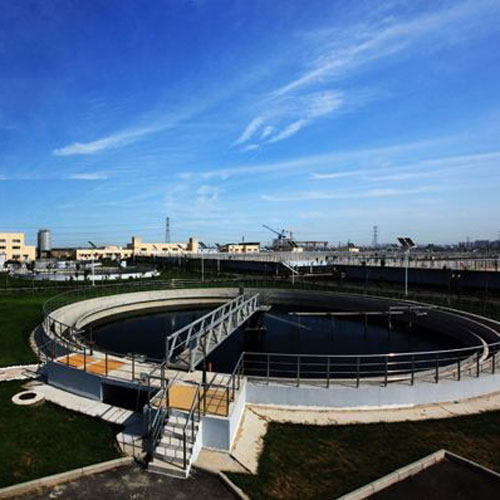
In solid-liquid separation processes for municipal and industrial wastewater management, polyacrylamide functions as an essential primary coagulant aid and dewatering flocculant. Municipal sewage sludges contain high concentrations of organic biological solids with high negative zeta potentials. Applying high-charge cationic polyacrylamide (CPAM) neutralizes charge barriers, forcing microscopic particles to collapse into tightly bound hydrophobic micro-flocs.
For mechanical sludge dewatering systems—including belt filter presses, decanter centrifuges, and screw presses—Oubo’s specialized polymer grade yields dense, shear-resistant flocs that drain water rapidly under high mechanical compression. This drastically reduces cake moisture content, lowers transport and disposal costs, and clarifies filtrate water for reuse.
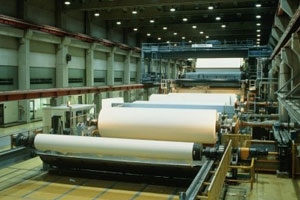
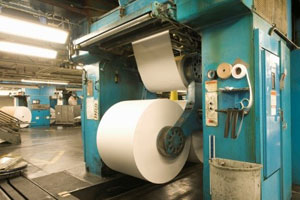
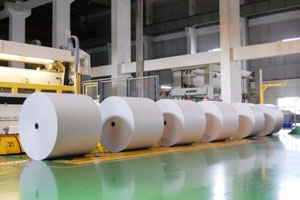
Modern paper production requires multi-functional wet-end chemical additives to increase machine speed, enhance paper strength, and optimize retention efficiency. Polyacrylamide serves four core functions in paper mills:
In upstream oilfield operations, polymer flooding represents one of the most commercially proven Tertiary Recovery methods (EOR). High molecular weight partially hydrolyzed polyacrylamide (HPAM) increases swept volume by increasing injected water viscosity, reducing water mobility, and improving the oil-water mobility ratio in subterranean reservoirs.
In drilling fluids, specialized Nonionic and Anionic PAM grades serve as effective fluid loss control additives, shale hydration inhibitors, viscosifiers, and friction reducers for horizontal hydraulic fracturing. These formulations tolerate high temperature, high shear, and high salinity (HT/HP/HS) sub-surface formations.


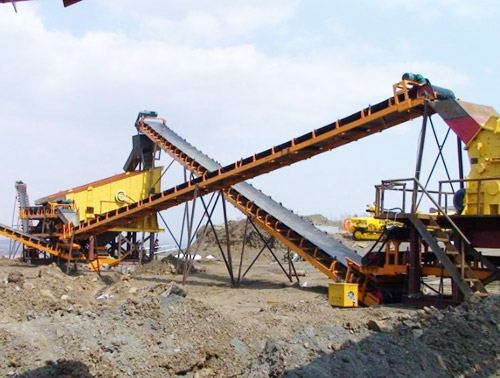
Extractive metallurgy and mineral processing require large volumes of water for ore grinding, mineral flotation, and hydrometallurgical separation. Polyacrylamide polymers settle mineral solids quickly in thickeners and clarifiers, enabling rapid zero-discharge process water recycling.
Oubo’s heavy-duty anionic and non-ionic formulations are engineered for specific mineral slurries, including coal washing slurry settling, iron ore slime thickeners, alumina Bayer process red mud settling, gold/silver leaching tailings filtration, and copper-nickel hydrometallurgy solid-liquid separation.


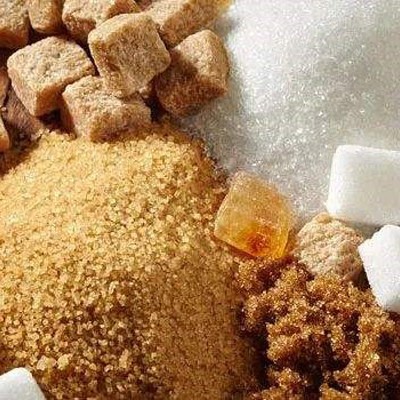
In cane and beet sugar extraction, Food-Grade Anionic PAM acts as a flocculant in juice clarifiers and floatation cells, rapidly settling organic impurities, bagasse insolubles, and colloidal solids without leaving toxic residual acrylamide monomers in refined food-grade sugar syrup.
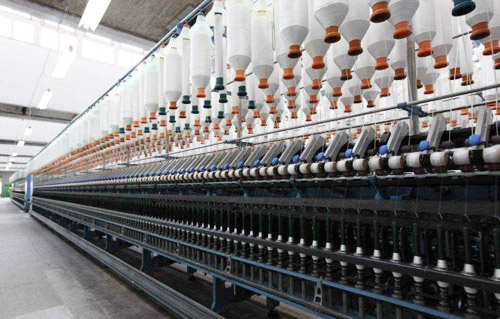
PAM serves as a protective sizing agent for yarn, reducing warp breakage during high-speed weaving. In textile printing and dyeing wastewater, CPAM/Amphoteric blends flocculate reactive and azo dye pigments, breaking emulsion stability to yield high-clarity effluent.

Driven by tightening global environmental regulations, net-zero carbon mandates, and increasingly complex industrial wastewater matrices, Oubo Chemical leads advanced polymer R&D through targeted strategic initiatives:
Developing hyper-branched macro-molecular architectures that resist viscosity loss under extreme total dissolved solids (TDS > 200,000 ppm) and high divalent salt conditions ($Ca^{2+}, Mg^{2+}$), designed specifically for deep offshore oil recovery and zero-liquid-discharge (ZLD) industrial crystallizer pretreatment.
Replacing fossil-fuel-derived nitrile precursors with third-generation enzymatic biotransformation pathways. This cuts scope 1 and 2 manufacturing carbon footprints by 35% while maintaining polymer purity, non-detectable residual acrylamide (<0.01%), and exceptional linear chain lengths.
Integrating real-time hydrodynamic optical sensor feedback with machine learning algorithms. AI-calibrated PAM dosing systems adjust polymer concentration automatically in response to fluctuating wastewater influent turbidities, reducing chemical consumption by 15-25% for treatment plants.
Located directly adjacent to Qingdao Port—one of the world's top seven container hubs—Oubo Chemical delivers unmatched international shipping response times and reduced freight costs. Our specialized free trade zone warehousing supports flexible export options, custom OEM branding, and rapid dispatch of containerized polymer consignments.
Polyacrylamide is a hygroscopic polymer that breaks down when exposed to ambient moisture. To preserve long-term storage shelf life (24 months minimum), Oubo provides multi-layer moisture-proof barrier packaging options designed to withstand long ocean transits:
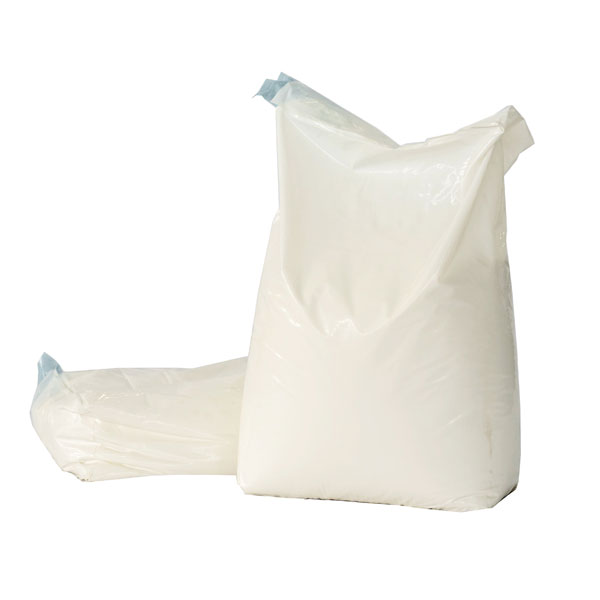
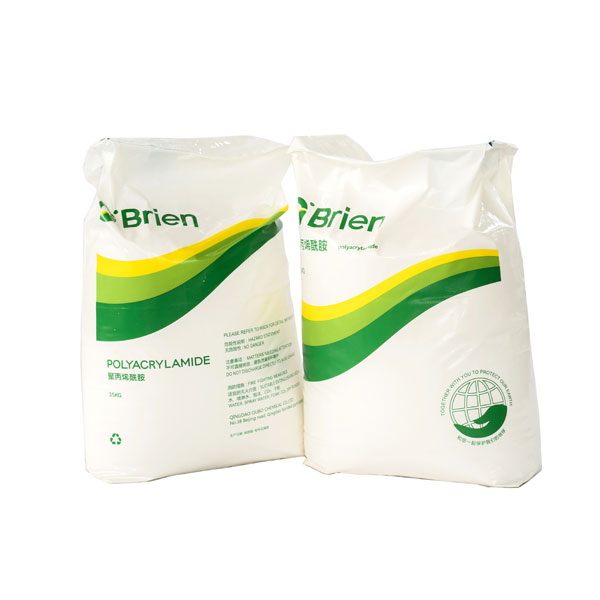
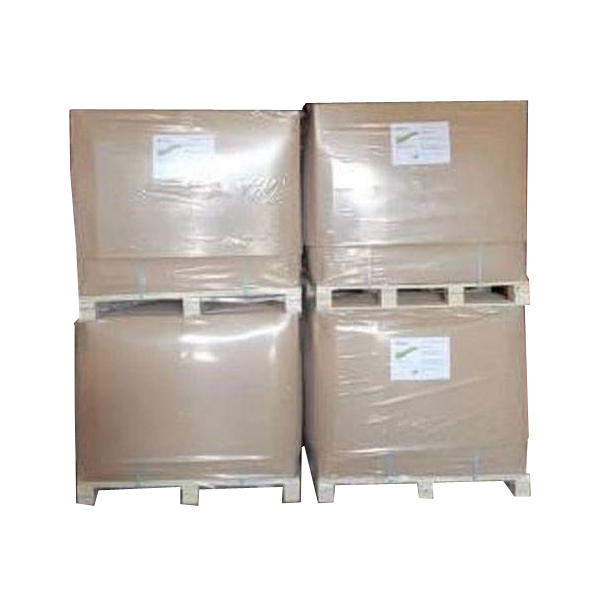
25kg multi-wall paper-plastic composite bags or pure PE valve bags with internal PE lining. Custom client branding, multilingual warning labels, UN compliance codes, and chemical safety icons printed per buyer specification.
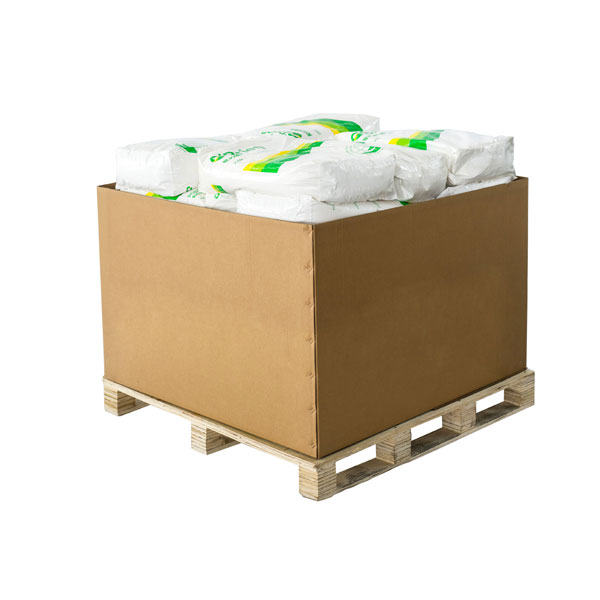
750kg and 1000kg FIBC heavy-duty bulk jumbo bags fitted with bottom discharge spouts for automated bulk dosing units. All pallets are heat-treated, fumigated ISPM-15 compliant, fully shrink-wrapped, and strapped for rough sea transport.
Selecting the correct polyacrylamide formulation requires careful evaluation of slurry characteristics, particle charge dynamics, fluid shear, and equipment design. A mismatched polymer choice can result in excessive chemical consumption, poor solids capture, equipment blinding, and elevated operational costs.
Oubo Chemical’s technical field engineering team supports global buyers through every stage of application development:
Clients ship wastewater or pulp samples directly to our Qingdao R&D center. Our engineers run standard jar test protocols to identify the optimal polymer ionic charge density, molecular weight, dynamic sedimentation velocity, and dosage rate (ppm).
Our technical specialists assist with full-scale plant trials, optimizing polymer dissolution system aging time, water hydration quality, pump shear reduction, and injection point selection for maximum flocculation efficiency.
All Oubo polyacrylamide products strictly comply with international environmental and chemical safety standards, including ISO 9001:2008 Quality Management, European Union REACH registration, and standard SDS/MSDS technical documentation.
 Oubo Chemical