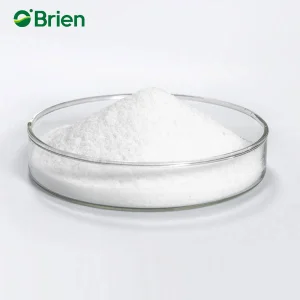
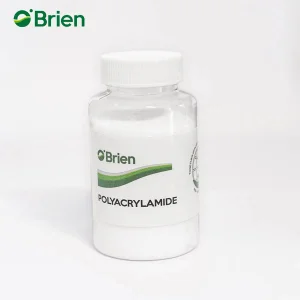
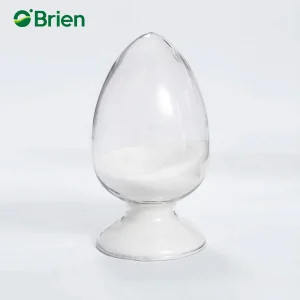
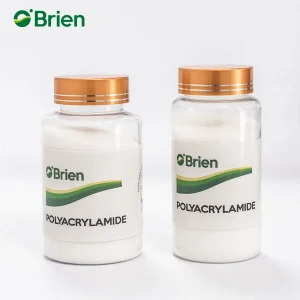
Explore our high-performance Cationic, Anionic, and Nonionic Polyacrylamide formulations engineered for maximum molecular weight stability and precise charge density.
Qingdao Oubo Chemical Co., Ltd — Global Pioneer in Biological Bio-Catalyzed Polyacrylamide Polymer Synthesis
Established in 2011 within the Qingdao Free Trade Zone, China, Oubo Chemical Co., Ltd (operating globally under the premier O'brien brand) has expanded into a world-leading manufacturer and technical innovator of synthetic water-soluble polymers. Leveraging state-of-the-art biological enzyme catalysis technology, Oubo delivers unprecedented purity, ultra-high molecular weight consistency, and minimal environmental impact throughout the polymer lifecycle.
Our quality control architecture is rigorously audited to ensure batch-to-batch repeatability. With an annual production output exceeding 50,000 Metric Tons, our supply chain integration spans global monomer giants such as SINOPEC and Eni, ensuring complete vertical security from raw material procurement to final delivery.
Every industrial batch produced across our automated synthesis lines undergoes a mandatory 3-tier Quality Control protocol before release:
Comprehensive Technical Analysis of Cationic, Anionic, and Nonionic Polymer Configurations in Liquid Emulsion and Solid Granular Formats.
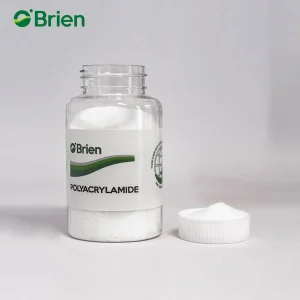
Polyacrylamide (CAS 9003-05-8) is a synthetic resin synthesized from acrylamide subunits. As a versatile water-soluble polymer, its functionality is governed by three primary structural properties: Molecular Weight (MW), Charge Density (Ionicity), and Physical State (Powder vs. Liquid Emulsion). Oubo Chemical customizes these parameters to engineer precise flocculation, coagulation, drag reduction, and rheological modification for diverse industrial fluids.
| Polymer Ionic Type | Active Monomer Matrix | Molecular Weight (Million Da) | Charge Density (%) | Primary Industrial Functions |
|---|---|---|---|---|
| Cationic (CPAM) | Acrylamide / DAC or DMC Co-polymer | 6.0 – 15.0 | 10% – 80% High/Med/Low | Sludge Dewatering, Organic Wastewater Flocculation, Paper Retention Aid |
| Anionic (APAM) | Acrylamide / Acrylic Acid Hydrolysis | 8.0 – 25.0 | 5% – 60% Tailored | Mineral Processing, Municipal Water Clarification, EOR (Oilfield Flooding) |
| Nonionic (NPAM) | Pure Homopolymer Acrylamide | 3.0 – 12.0 | 0% – 5% Neutral | Acidic Wastewater Flocculation, Soil Conservation, Tailings Dewatering |
| Liquid Emulsion (PAM) | Inverse Emulsion Polymer Phase | 5.0 – 20.0 | Full Cationic/Anionic Range | Rapid Dissolution Automated Dosing, Friction Reduction, Real-time Injectivity |
Formed by copolymerizing acrylamide with cationic monomers like dimethylaminoethyl acrylate methyl chloride (DAC). CPAM carries positive electrical charges along its polymer backbone, making it extraordinarily efficient at neutralizing negatively charged organic colloids found in sewage sludge, municipal wastewater, and paper pulp.
Produced via partial hydrolysis of polyacrylamide or copolymerization with acrylic acid. APAM exhibits strong negative charge sites that form robust ionic bridge linkages with inorganic suspended solids, silt, clay, and metallic hydroxides in industrial process water.
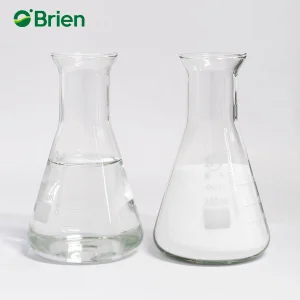
While granular powder offers economical shipping, Oubo's Liquid Polyacrylamide Emulsion features rapid dissolution times (3–5 minutes vs. 60 minutes for powder), eliminating polymer "fish-eyes", reducing equipment maintenance, and enabling automated continuous inline chemical dosing.
From municipal sludge dewatering to high-salinity oil reservoirs, Oubo Chemical tailors high-performance liquid and granular polymer matrices to optimize fluid dynamics and separation efficiency.
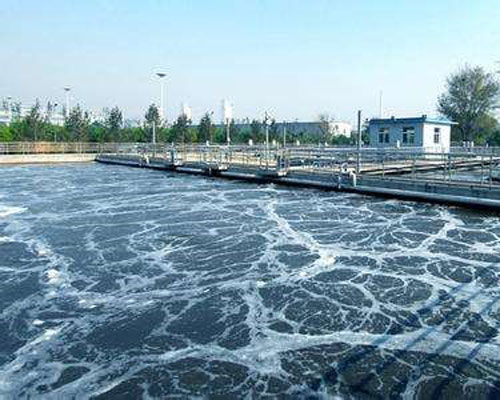
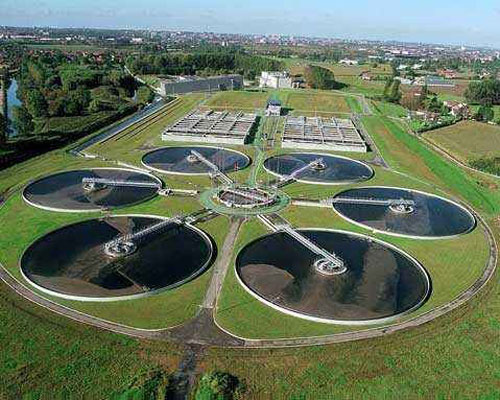
Water scarcity and regulatory discharge limits require extreme solid-liquid separation efficacy. Oubo PAM acts as a high-density flocculant in clarification, sedimentation, and sludge dewatering operations.
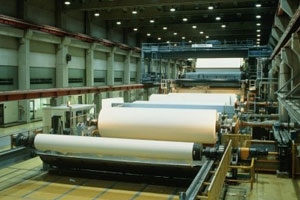
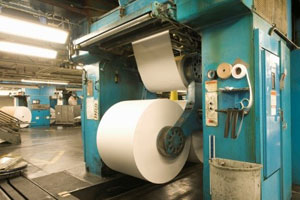
In modern high-speed paper machinery, Oubo wet-end polymers optimize drainage rate, fiber retention, and structural tensile strength.

Oubo’s ultra-high molecular weight polyacrylamides withstand extreme shear, high temperature, and elevated salinity in oilfield operations.

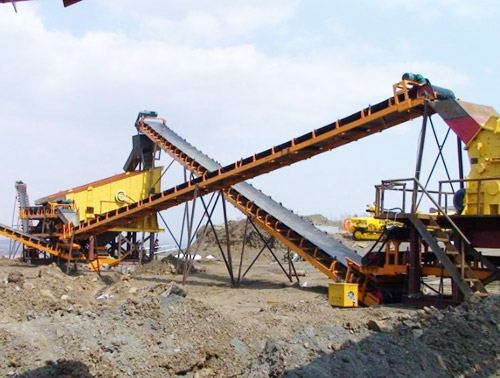
High-efficiency solid-liquid separation is critical for mineral slurry thickening and tailings recycling.
Food-grade polyacrylamide accelerates the flotation and clarification of raw sugar cane juice and beet liquor, trapping micro-impurities without contaminating sugar crystals.
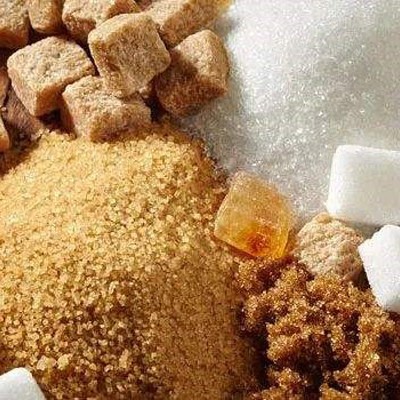
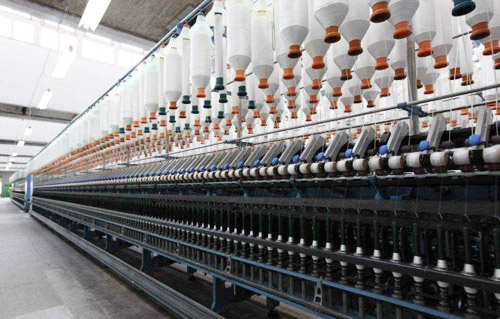
Functions as a sizing agent to prevent yarn breakage during weaving, while acting as a color removal coagulant for highly concentrated dye effluent.
Prevents soil erosion, improves water infiltration rates, and acts as an anti-crusting agent in arid farmland, optimizing crop water usage efficiency.

Engineered for international transit integrity. Oubo provides customizable packaging options compliant with maritime safety regulations.
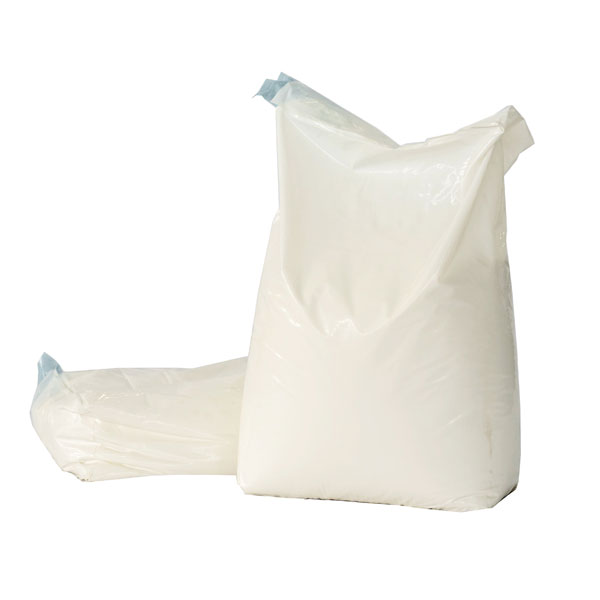
Unbranded 25kg multi-wall Kraft paper bags with internal PE moisture-barrier lining. Ideal for regional distributors and OEM private label branding.
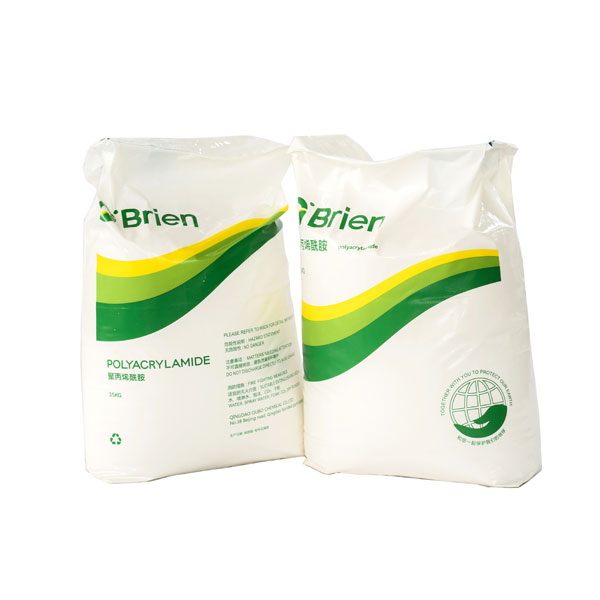
Standard O'brien branded export 25kg bags featuring multi-language storage instructions, hazard classification, and batch tracking QR codes.
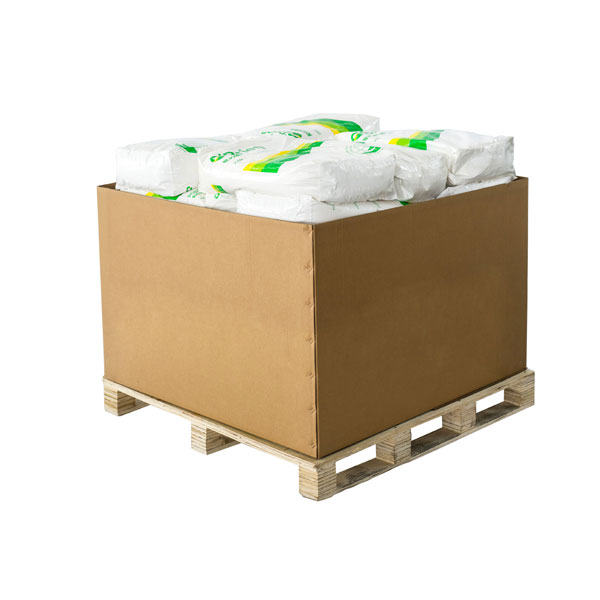
Heavy-duty woven polypropylene bulk sacks designed for high-volume mining and municipal applications, fitted with discharge spouts.
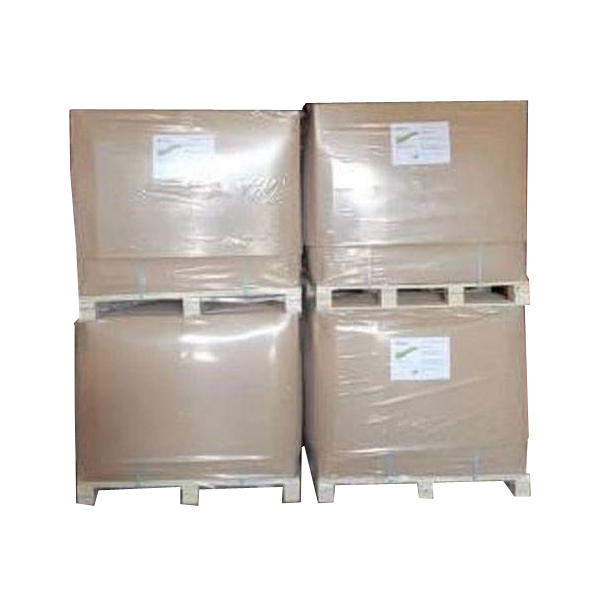
Fumigated wooden or plastic pallets wrapped with shrink-film. Liquid PAM emulsions are supplied in 200L drums or 1000L IBC totes.
Advancing Next-Generation Polymer Engineering with Focus on Biodegradability, Thermal Stability, and AI-Driven Dosing System Integration.
Transitioning raw material feedstocks toward renewable bio-acrylamide derived from enzymatic fermentation, reducing carbon footprint by 40% while preserving ultra-high molecular weight capabilities.
Engineering cross-linked hydrophobic modification PAM polymers capable of maintaining structural shear stability in reservoir temperatures above 120°C and TDS levels exceeding 200,000 ppm.
Collaborating with global water authorities to pair our fast-dissolving Liquid Polyacrylamide with real-time turbidity and charge-neutralization sensors for automated adaptive dosage control.
Expert responses to critical engineering questions regarding polyacrylamide selection, dissolution procedures, and dosage optimization.
Selection is determined by the surface electrical charge of the suspended solids in your wastewater. Organic slurries (such as municipal sewage sludge or biological waste) generally carry negative charges and require Cationic Polyacrylamide (CPAM). Inorganic suspended solids (clay, mineral ores, metal oxides) are best coagulated with Anionic Polyacrylamide (APAM). In complex high-acid environments or neutral mineral streams, Nonionic Polyacrylamide (NPAM) provides optimal performance.
Granular PAM powder must be dissolved in clear water at a concentration of 0.1%–0.3% (w/v) with gentle mechanical stirring (400–600 RPM) for 45 to 60 minutes to avoid shear degradation. Liquid Polyacrylamide Emulsion, however, inversions occur almost instantly; it dissolves completely in 3 to 5 minutes, allowing inline direct injection into automated feed lines.
High-shear mixing blades, centrifugal pumps, and tight restriction valves can break the long molecular chains of high molecular weight PAM, dramatically reducing flocculation performance. To prevent shear degradation, use progressive cavity pumps or diaphragm dosing pumps, keep mixing speeds below 600 RPM, and add the polymer solution near the point of separation.
Dry powder polyacrylamide has a shelf life of 24 months when stored in unopened, cool, dry, ventilated surroundings. Liquid polymer emulsions have a shelf life of 6 to 12 months. Diluted aqueous polymer solutions should be consumed within 24 to 48 hours for optimal flocc strength.
Yes. Oubo Chemical’s products strictly comply with international ISO 9001 quality standards and European REACH regulations. Our residual monomer content (unreacted acrylamide) is carefully maintained below 0.05% (500 ppm), meeting environmental compliance limits for industrial discharge and effluent recycling.
Select from our specialized line of high molecular weight polymers tailored for petrochemical, metallurgical, municipal, and industrial applications.
 Oubo Chemical