High-purity Nonionic Polyacrylamide, Cationic/Anionic PAM, and Hydroxypropyl Methylcellulose formulations optimized for rigorous industrial applications.
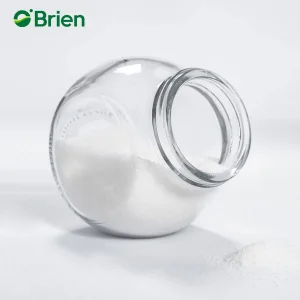
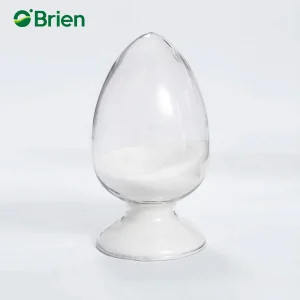
An In-Depth Whitepaper on Etherification, Polymerization, and Interfacial Surface Physics for Modern Chemical Procurement.
Hydroxypropyl Methylcellulose (HPMC / CAS: 9004-65-3) is a non-ionic, water-soluble cellulose ether synthesized from natural alkali cellulose via controlled etherification. Reacting purified wood pulp or cotton linters with sodium hydroxide, methyl chloride, and propylene oxide yields precise substitutions. Degree of Substitution (DS) for methoxyl groups (19–30%) and Molar Substitution (MS) for hydroxypropoxyl groups (4–12%) dictate thermal gelation points (55°C to 85°C), water retention dynamics, and enzymatic resistance.
Polyacrylamide (PAM / CAS: 9003-05-8) is a synthetic linear polymer formed by acrylamide monomer polymerization. Utilizing advanced bio-catalytic routes, monomer purity exceeds 99.9%. PAM variants are configured based on charge density and molecular weight (3 Million to 22 Million Daltons): Cationic (CPAM), Anionic (APAM), and Nonionic (NPAM). They act as precise bridging flocculants, thickeners, and friction reducers across severe shear conditions.
Established in 2011 within the Qingdao Free Trade Zone, China, Qingdao Oubo Chemical Co., Ltd operates under ISO9001:2008 certifications. Boasting an annual synthesis capacity exceeding 50,000 metric tons, Oubo utilizes patented biological methods and automated reactor control. Raw materials are sourced from global chemical giants including SINOPEC and Eni, guaranteeing 3-stage QC verification for batch-to-batch consistency.
Leveraging Qingdao Port Logistics, Fully Automated Etherification Systems, and Strategic Chemical Raw Material Procurement.
Our modern chemical production lines utilize closed-loop distributed control systems (DCS). Etherification temperature profiles, pressure cycles, and monomer introduction are monitored in real time, preventing molecular chain degradation and delivering narrow molecular weight distribution for consistent viscosity (from 400 mPa.s to 200,000 mPa.s).
Located inside the Qingdao Free Trade Zone, Oubo Chemical benefits from direct access to one of the world's largest deep-water shipping terminals. Containerized shipments achieve reduced transit times, zero inland transfer tax overheads, and rapid customs clearance for international buyers across Europe, the Americas, Middle East, and Southeast Asia.
Each batch undergoes triple analytical testing: 1) Incoming monomer/cellulose purity verification; 2) In-line viscosity and rheology analysis during synthesis; 3) Final product Certificate of Analysis (COA) audit checking active content, degree of substitution, residual monomer level (<0.05%), and heavy metals.
Pioneering Next-Generation Eco-Friendly Polymers and High-Performance Hydroxypropyl Methylcellulose Matrix Systems.
Developing bio-etherification routes to minimize volatile organic compounds (VOCs) and reduce fossil carbon intensity in mortar construction additives by 35%.
Engineered synthetic polyacrylamide capable of maintaining structural stability under high-salinity and high-temperature conditions exceeding 150°C for EOR operations.
Encapsulated micro-particulate cellulose ethers that dynamically dissolve based on hydration timeline, extending open-time in premium dry-mix tile adhesives.
Implementing full water recirculation and solvent recovery systems across all production lines to achieve zero discharge liquid waste by 2028.
Tailored Polymer Chemistry for Construction, Wastewater Treatment, Energy, Paper, Mining, and Process Industries.
Hydroxypropyl Methylcellulose (HPMC) acts as an indispensable water-retention agent, thickener, and anti-sagging additive in tile adhesives, skim coats, wall putties, self-leveling compounds, and EIFS/ETICS mortar systems. It drastically increases open time, prevents thermal cracking, improves slip resistance, and guarantees maximum bond strength on concrete substrates.
Oubo Polyacrylamide polymers serve as primary flocculants and sludge dewatering coagulants in municipal sewage plants and diverse industrial effluent treatment facilities (textile dyeing, sugar refining, food processing, citric acid extraction). They rapidly neutralize colloidal charges and create large, compact flocs for filtration.
In secondary oil recovery and hydraulic fracturing, high-molecular weight PAM and specialized viscosity modifiers control fluid loss, stabilize shale formations, lubricate drill strings, and act as profile control and plugging agents under subterranean pressure.
Polyacrylamide acts as a crucial retention aid, filter aid, and strength enhancer in paper manufacturing. It neutralizes anionic garbage, improves fine fiber retention rates, and significantly enhances dry/wet bursting strength while accelerating white water dewatering.
Utilized extensively in coal washing, tailings dewatering, and solid-liquid separation during gold, silver, copper, nickel, and iron ore extraction. Polymers ensure rapid sedimentation of fine mineral solids and facilitate continuous filtration cycles.
Functions as a smooth textile sizing agent and fabric finishing treatment, enhancing warp thread breaking strength. In sugar mills, PAM accelerates cane juice clarification and mud settling, yielding ultra-pure sugar syrup crystal formation.
Engineered Packaging Solutions for Moisture Prevention, Long-Distance Sea Transport, and Custom Private Labeling.
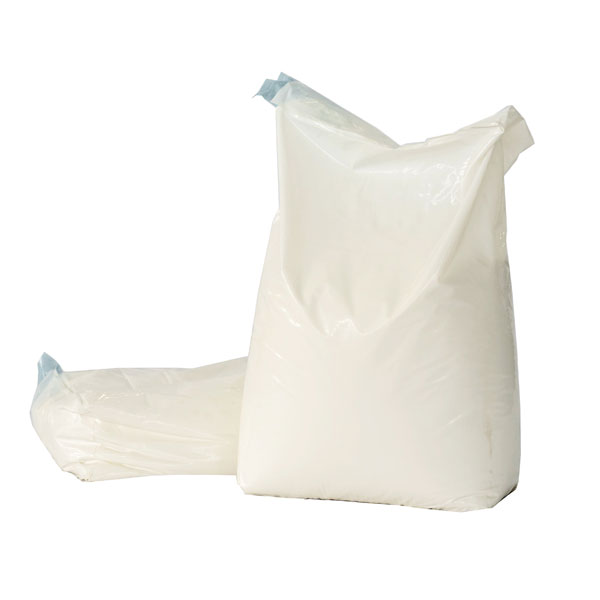
Unbranded multi-wall paper-plastic composite bags with PE inner liner (25kg), ideal for OEM chemical distributors.
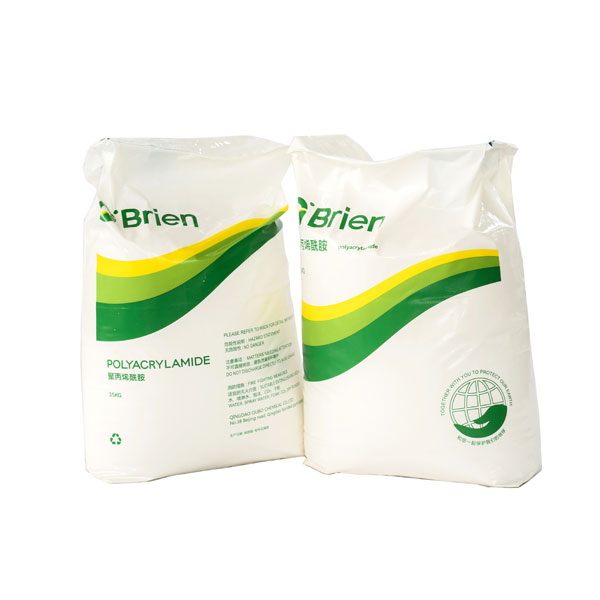
Factory standard heavy-duty printed bags showing complete technical parameters, lot numbers, and compliance markers.
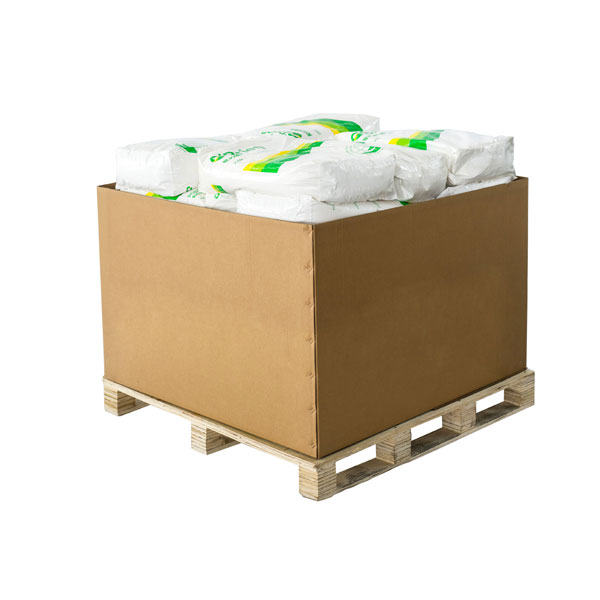
750kg – 1000kg FIBC heavy duty ton sacks designed for high-volume automated industrial dosing plants.
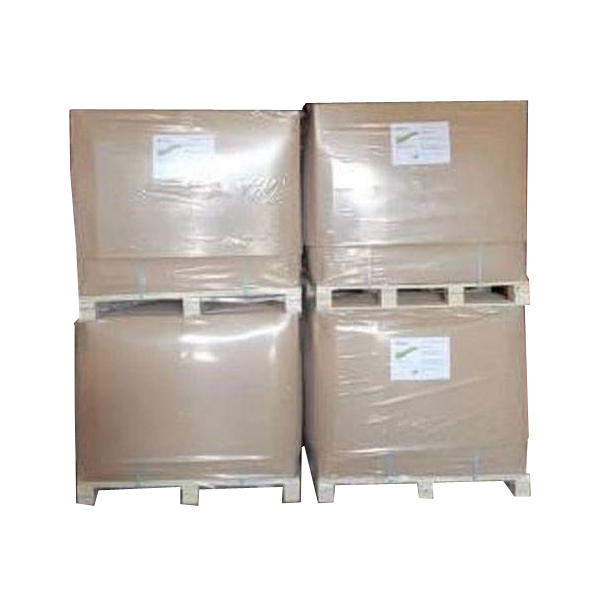
Fumigated wooden or plastic pallets fully wrapped with protective shrink film and strapping for oceanic safety.
Dedicated Polymer Chemists Assisting Your Formulation Testing, Laboratory Jar Tests, and Factory Scale-Up.
Our chemical engineers assist overseas clients by conducting customized jar tests on raw wastewater samples or dry-mix mortar samples. We optimize polymer dosage, charge density selection, and viscosity specifications prior to full production runs.
Whether requiring modification of HPMC thermal gel points or matching specific CPAM cationic charge ratios (10% to 80%), our R&D center provides custom synthesis tailored to regional climate variations and substrate requirements.
Our technical support team guarantees continuous communication, helping industrial plants adjust mixing speeds, dissolution tank residence times, and automated chemical feeder pump calibration to maximize field efficacy.
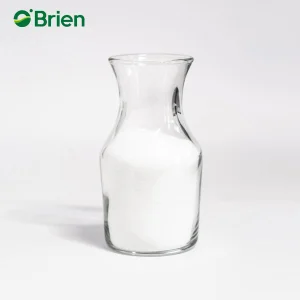
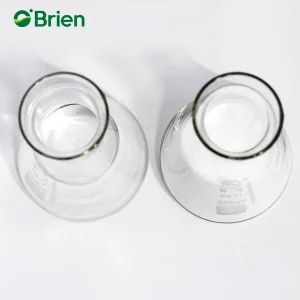
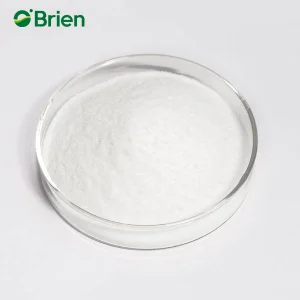
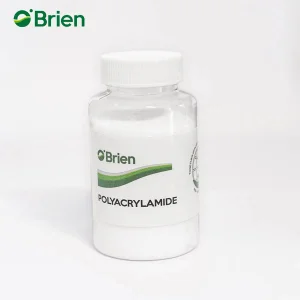
Explore Our Full Range of Certified Anionic, Cationic, and Nonionic Polyacrylamide and Ether Products.
Expert Answers on Hydroxypropyl Methylcellulose (HPMC), Polyacrylamide Chemistry, Selection Criteria, and Supply Logistics.
HPMC provides three critical functions in dry-mix cementitious and gypsum mortars: 1) Water Retention – prevents moisture loss to porous masonry substrates, ensuring complete cement hydration and high bond strength; 2) Thickenning & Rheology Control – enhances shear-thinning behavior, improving workability and trowelability; 3) Anti-Sagging Performance – enables heavy tile installation without vertical slippage on vertical walls.
Selection depends on the electrical charge of suspended solid particles in water: Anionic PAM (APAM) features negative charges, ideal for inorganic mineral suspensions (sand, clay, coal tailings, steel plant wastewater); Cationic PAM (CPAM) carries positive charges, designed for organic sludge dewatering in municipal sewage, food processing, and paper mills; Nonionic PAM (NPAM) works across neutral to acidic suspensions where charge neutralization is secondary to hydrogen-bonding polymer bridging.
HPMC viscosity is typically evaluated at a 2% aqueous solution concentration using Brookfield RVT or NDJ-1 rotational viscometers at 20°C (ranging from 400 mPa.s up to 200,000 mPa.s). PAM molecular weight is measured via intrinsic viscosity (Ubbelohde viscometer) in 1M NaCl solution, yielding molecular weight values between 3 Million and 22 Million Daltons.
Qingdao Oubo Chemical operates under ISO9001:2008 Quality Management System certification. Every production batch undergoes triple-stage analytical verification (raw materials, in-process reactor control, finished product Certificate of Analysis). All items comply with international environmental and health standards, ensuring minimal residual monomer content (<0.05%).
Both HPMC and PAM powder products have a shelf life of 24 months from the manufacturing date when stored in original unopened packaging. Products should be kept in a cool, dry, well-ventilated warehouse away from direct sunlight, ambient moisture, and thermal sources.
 Oubo Chemical