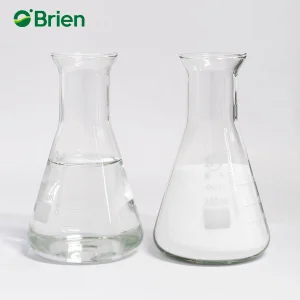
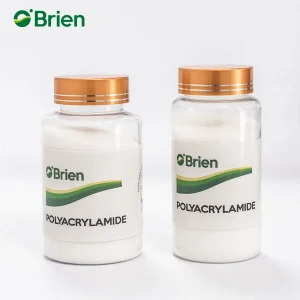
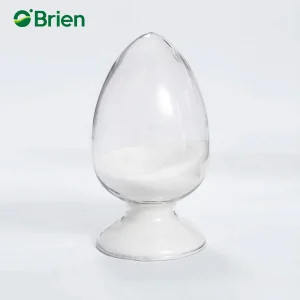
Explore our premium-grade synthetic polymers tailored for wastewater clarification, Enhanced Oil Recovery (EOR), paper manufacturing, and mineral processing.
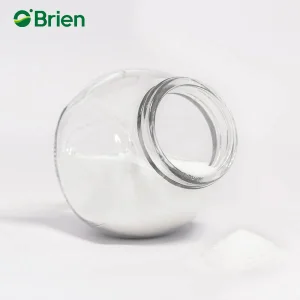
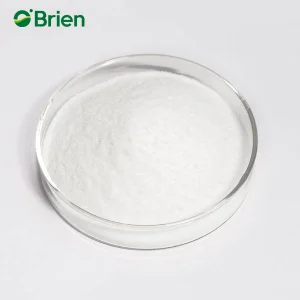
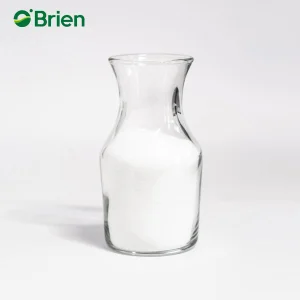
Oubo Chemical Co., Ltd. was established in 2011, strategically located in the Free Trade Zone of Qingdao, China. Operating under a rigorous, comprehensive quality control (QC) infrastructure, Oubo has maintained a consistent annual business growth rate of over 10% for more than a decade. We are deeply committed to chemical quality, customer technical support, and environmental stewardship throughout polymer synthesis and field execution.
Specializing in Cationic Polyacrylamide (CPAM), Anionic Polyacrylamide (APAM), and Nonionic Polyacrylamide (NPAM), Oubo utilizes cutting-edge bio-catalytic polymerization equipment and high-precision monitoring. By 2018, our annual PAM production capacity eclipsed 50,000 Metric Tons. Certified under ISO 9001:2008, Oubo proudly stands as an authoritative technical partner for industrial enterprises worldwide.
Understanding the synthesis kinetics, molecular weight distribution, and ionic hydrolysis dynamics that dictate polymer performance in extreme environments.
HPAM is produced via the partial hydrolysis of polyacrylamide homopolymers using sodium hydroxide ($NaOH$) or copolymerization of acrylamide with sodium acrylate. The conversion of neutral amide groups ($-CONH_2$) into negatively charged carboxylate groups ($-COO^-$) generates electrostatic repulsion along the backbone, resulting in chain expansion and enhanced solution viscosity.
In aqueous solution, HPAM displays pronounced non-Newtonian pseudoplastic flow. Under high shear rates in field injection nozzles, polymer chains align to lower operational pressure losses. Once inside low-shear reservoirs or settling tanks, the molecular coils re-expand, restoring micro-viscosity for maximal sweep efficiency or rapid floc formation.
Oubo Chemical utilizes patented biological enzyme catalysis for monomer synthesis rather than traditional chemical nitrile hydration. This eco-friendly route prevents toxic trace copper impurities, ensures ultra-pure acrylamide building blocks, and yields ultra-high molecular weight polymers (>25-30 Million Daltons) with exceptional chain linearity.
Comprehensive safety parameters compliant with GHS standards, OSHA HCS 2012, and EU REACH regulations for global procurement and safe handling.
| MSDS Section | Technical Parameter / Safety Requirement | Operational Protocol & Compliance Guidance |
|---|---|---|
| Section 1: Identification | Product Name: Hydrolyzed Polyacrylamide (HPAM) CAS No: 9003-05-8 |
Industrial water treatment flocculant, oilfield EOR polymer, paper strength aid. Supplied by Qingdao Oubo Chemical Co., Ltd. |
| Section 2: Hazard Identification | GHS Hazard Class: Non-Hazardous Substance. Physical Hazard: Extremely slippery when wet. |
No severe health toxicity. Spilled dry powder rapidly turns into an ultra-slippery hydrogel upon contact with water. Spill mitigation requires dry sweeping. |
| Section 3: Composition & Ingredients | Anionic/Hydrolyzed Polyacrylamide (>88%) Residual Acrylamide Monomer (<0.05% / <500 ppm) |
Free monomer content strictly controlled via advanced post-polymerization extraction, meeting potable water dosing safety guidelines. |
| Section 4: First-Aid Measures | Inhalation, Skin Contact, Eye Contact, Ingestion | Flush eyes with copious water for 15 mins. Wash skin with soap. If inhaled, move to fresh air. Non-toxic via oral exposure under normal industrial handling. |
| Section 5: Fire-Fighting Measures | Auto-ignition Temperature: >150°C Extinguishing Media: Water spray, Dry chemical, CO2 |
Thermal decomposition emits carbon oxides ($CO, CO_2$) and nitrogen oxides ($NO_x$). Avoid high-pressure water streams on loose powder to prevent severe slipping hazards. |
| Section 6: Accidental Release | Personal Precautions & Clean-up Procedures | Do not wash away spills with water! Sweep up dry powder immediately using vacuum or absorbent sand. Dispose in accordance with local environmental regulations. |
| Section 7: Handling & Storage | Storage Temp: 5°C – 35°C Shelf Life: 24 Months in sealed bags |
Store in a cool, dry, well-ventilated warehouse. Keep containers sealed to protect against atmospheric humidity absorption and caking. |
| Section 8: Exposure Controls & PPE | Engineering Controls & Personal Protection Equipment | Use local exhaust ventilation to control airborne dust. Wear protective safety goggles, dust masks (N95 rated), and chemical-resistant nitrile gloves. |
| Section 12: Ecological Information | Ecotoxicity: LC50 (Fish, 96h) > 100 mg/L Biodegradability: Slow natural degradation |
High molecular weight polymers exhibit low aquatic toxicity due to non-bioaccumulative chain size. Low impact on municipal sludge digestion systems. |
Tailored polyacrylamide formulations designed to optimize performance across critical global sectors.
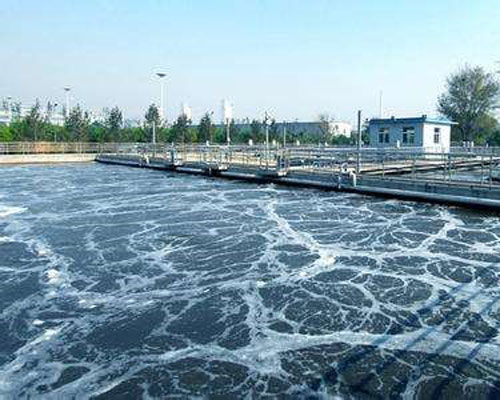
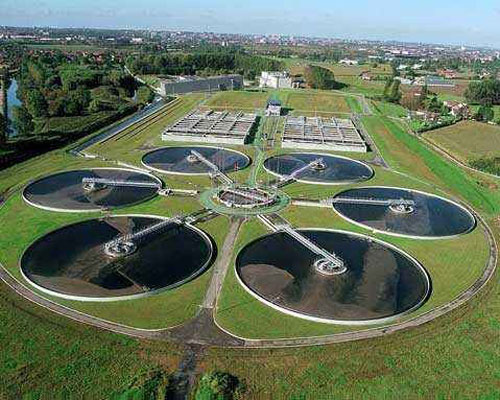
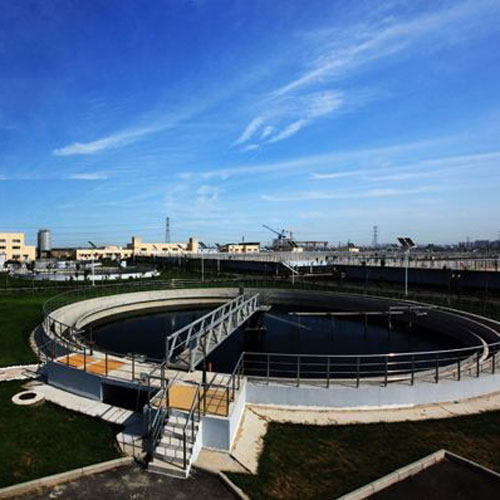
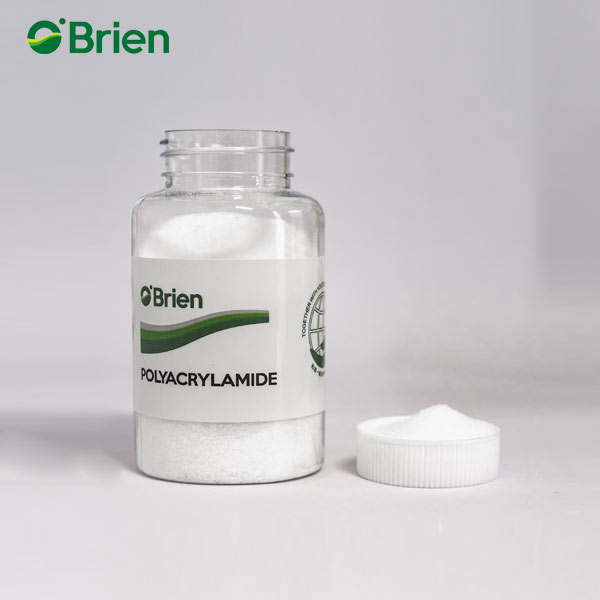
As a high-performance flocculating agent, Oubo PAM is widely deployed in industrial solid-liquid separation processes, including primary settlement, clarification, liquor concentration, and mechanical sludge dewatering. Increasingly stringent global environmental regulations drive the demand for our high-purity cationic and anionic polyacrylamide range. Widely used across leather, paper making, citric acid, vegetable protein extraction, dyeing, pharmaceutical, and incense manufacturing wastewater treatment.
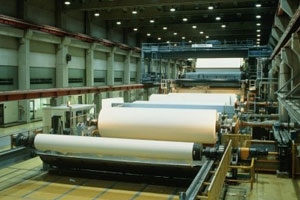
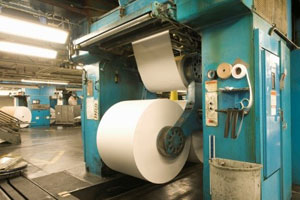
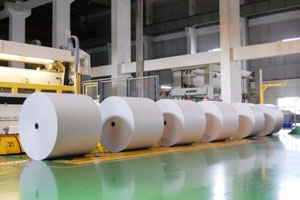
In the paper industry, Oubo PAM serves as a dry strength agent, wet retention aid, and filtration aid. By optimizing wet-end chemistry, our polyacrylamide significantly enhances finished paper physical strength, minimizes fine fiber losses, clears process white water, and accelerates pulp dewatering during deinking and sheet formation.
Improves retention of short fibers and mineral fillers, enhancing sheet formation while reducing raw material losses.
Neutralizes charge interference from dissolved organic contaminants in closed-loop water systems.
Forms covalent and hydrogen bonds with cellulose hydroxyl groups to boost tensile and burst indices.
Promotes uniform fiber dispersion in long-fiber paper grades, enhancing sheet look and softness.
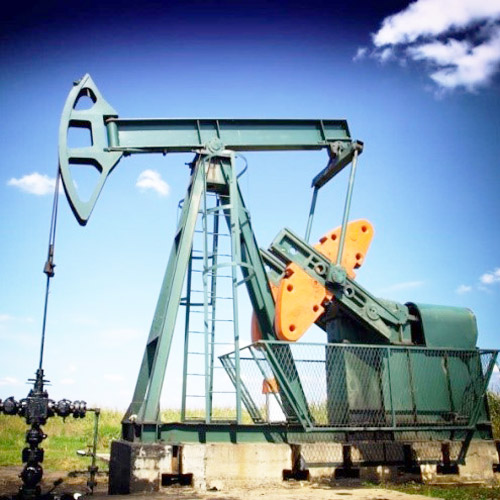
Polyacrylamide plays a mission-critical role in crude oil exploration, profile control, fluid loss reduction, well-plugging, drilling mud viscosity control, and friction reduction in hydraulic fracturing fluids. High molecular weight Hydrolyzed Polyacrylamide (HPAM) increases water phase mobility control, raising volumetric sweep efficiency in tertiary oil recovery operations.

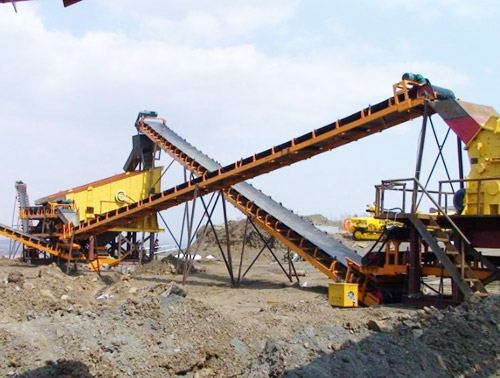
Oubo non-ionic, anionic, and cationic PAM series are heavily utilized across coal washing, tailings thickener management, centrifugation, and slurry solid-liquid separation. Essential for gold, silver, iron, copper, alumina, and nickel refining plants to maximize water recovery and clean discharge compliance.


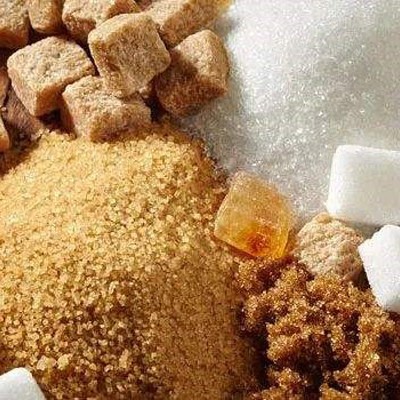
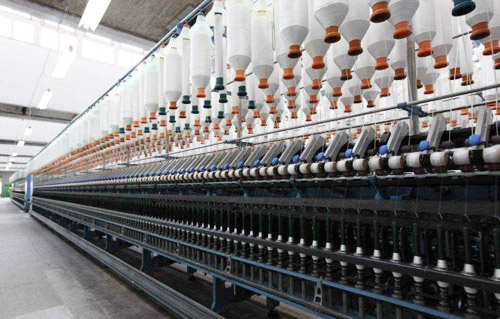
In sugar processing, food-grade anionic PAM accelerates juice clarification and flotation. In textile production, PAM functions as a high-efficiency sizing agent, fabric finishing additive, and flocculant for color removing in complex dye house wastewater streams.
Unmatched technical depth, automated global supply chain integrity, and dedicated client engineering support.
Qingdao OUBO Chemical Co., Ltd. is a global leader in Polyacrylamide synthesis. We leverage patented biological catalytic methods, investing over €200M in long-term chemical research for deep technical accumulation.
Global supply chain integration. Monomers sourced from tier-1 suppliers like SINOPEC and Eni. Fully automated lines certified ISO 9001, with every production batch tested 3 times by our internal QC laboratory.
Focused exclusively on Polyacrylamide manufacturing for over a decade. Our technical engineers join pre-sales, testing, and after-sales support to select optimal molecular parameters for your exact setup.
Custom jar testing, polymer dissolution optimization, viscosity profiling, and MSDS/SDS localization to guarantee compliant and cost-effective operational deployment across all continents.
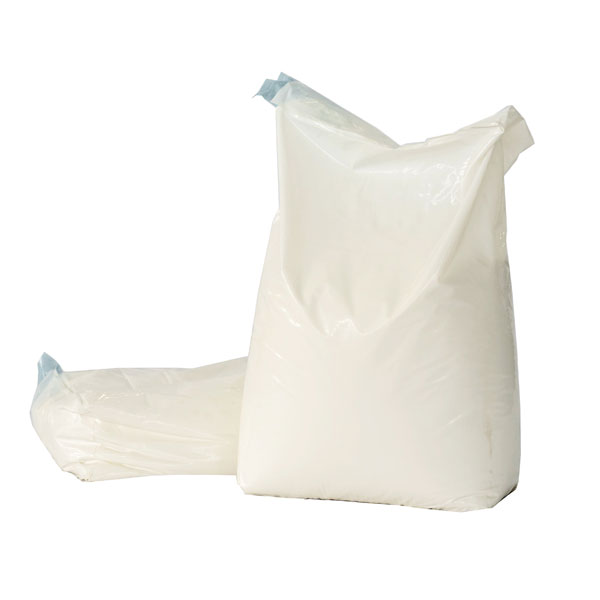
Robust moisture-proof packaging options tailored for international maritime export and long-term warehouse storage.
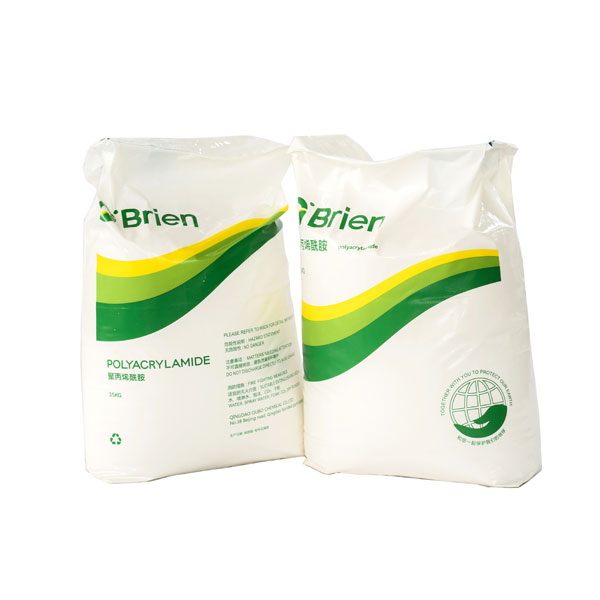
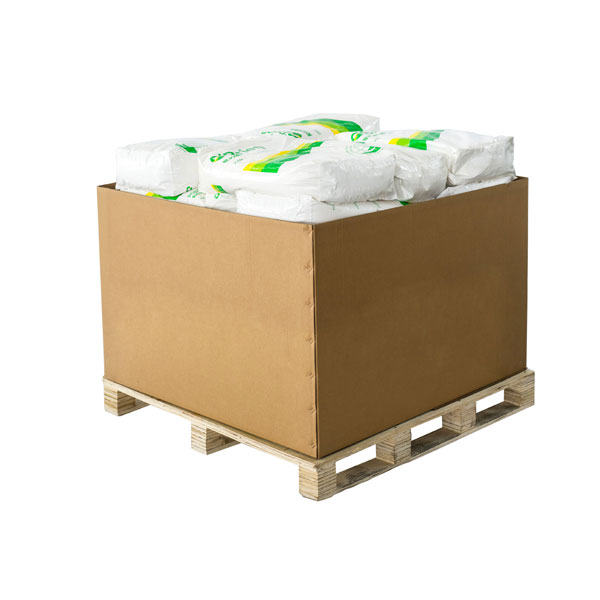
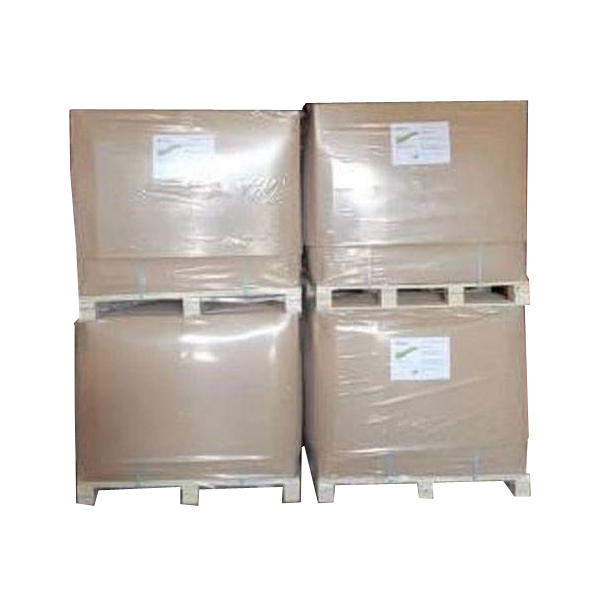
Browse our complete ionic spectrum of cationic, anionic, and non-ionic polymers for dedicated industrial applications.
Ideal for organic sludge dewatering in municipal and industrial treatment units.
Explore CPAM Series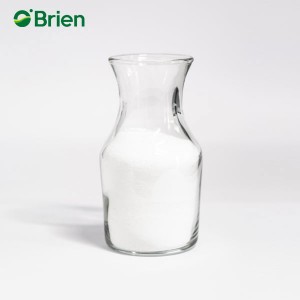
High molecular weight polymer for mineral tailings, EOR, and surface water clarification.
Explore APAM Series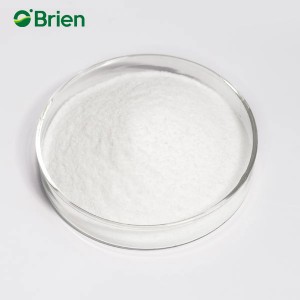
Superior performance in highly acidic wastewater and complex mineral pulps.
Explore NPAM Series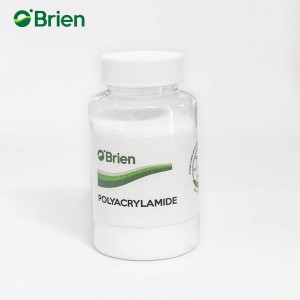
Engineered specifically for high-speed belt filter presses and centrifuges.
Explore High-Charge CPAM
25M+ MW formulation designed for Enhanced Oil Recovery mobility control.
Explore High MW APAM
Optimized for low-pH industrial effluents and leaching applications.
Explore Acid NPAM
Enhances machine speed, wet-end retention, and energy efficiency.
Explore Retention Aids
High decolorization efficiency for complex reactive dye streams.
Explore Dyeing PAMAccess technical data sheets, batch specifications, and RFQ forms directly from our manufacturing division.
Addressing core procurement inquiries, MSDS safety metrics, and polymer application engineering.
Under GHS guidelines, solid Hydrolyzed Polyacrylamide (HPAM) is classified as non-hazardous and non-toxic. However, residual monomer content (acrylamide) must be strictly controlled (typically <0.05%). Eco-toxicity studies indicate low acute toxicity to aquatic organisms (LC50 > 100 mg/L). The primary physical hazard is extreme slipperiness when dry powder contacts water.
Selection depends on target suspended solid charges. Anionic Polyacrylamide (APAM) works best on inorganic suspended solids (e.g., clay, tailings, sand). Cationic Polyacrylamide (CPAM) is designed for organic slurries and biological sludge dewatering (municipal sewage, food waste). Nonionic Polyacrylamide (NPAM) excels in complex, highly acidic, or mineral-rich environments.
Recommended stock solution concentrations range between 0.1% and 0.3% (w/v). Dry powder should be slowly dispersed into water under gentle mechanical agitation (200-400 RPM) for 45 to 60 minutes to prevent high-shear degradation of the long polymer chains.
Dry powder Polyacrylamide has a shelf life of 24 months when stored in original sealed moisture-proof bags at temperatures between 5°C and 35°C. Aqueous stock solutions should be consumed within 24 to 48 hours to prevent viscosity loss due to natural polymer chain relaxation.
 Oubo Chemical