Engineered for High-Performance Solid-Liquid Separation, Industrial Dewatering, and Rheology Modification
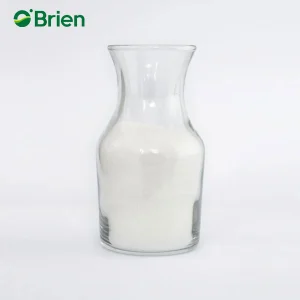
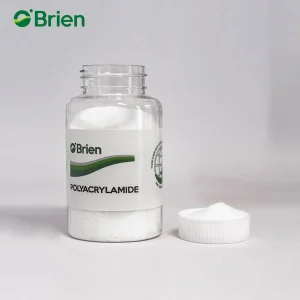
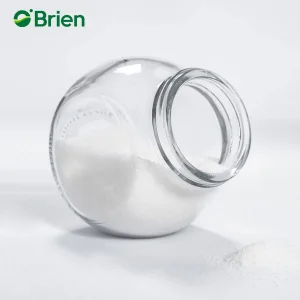
Oubo Chemical Co., Ltd was established in 2011, located strategically within the Free Trade Zone of Qingdao, China. Over more than a decade of focused innovation, Oubo Chemical has grown into a globally recognized leader in the synthesis, formulation, and distribution of water-soluble polymers. The quality control system of O'brien is strict and comprehensive. In the past 10 years, our business growth rate has sustained a steady 10% per year. Qingdao Oubo Chemical Co., Ltd is highly committed to quality, professional technical service, and environmental stewardship throughout every stage of polymer production and downstream application.
Oubo specializes in supplying high-performance Cationic Polyacrylamide (CPAM), Anionic Polyacrylamide (APAM), and Nonionic Polyacrylamide (NPAM). Equipped with modern automated production lines, advanced analytical instrumentation, and a dedicated team of chemical engineers, we ensure all products and services meet rigorous international standards. The annual capacity of polyacrylamide broken through 50,000 Tons in 2018, backed by an ISO9001:2008 quality management system certification. We proudly stand behind our product purity, molecular consistency, and operational safety.
Bio-Catalytic Engineering Advantage: Unlike traditional chemical synthesis routes that risk high residual monomer concentrations, Oubo Chemical utilizes proprietary biological enzymatic methods for monomer synthesis. This green process significantly reduces energy consumption, minimizes environmental footprint, and yields high molecular weight Anionic Polyacrylamide with superior chain linearity and controlled charge density.
Understanding Molecular Architecture, Charge Hydrolysis, and Polymerization Kinetics
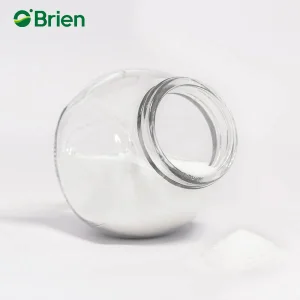
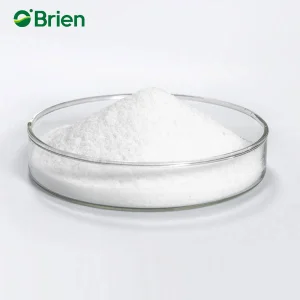
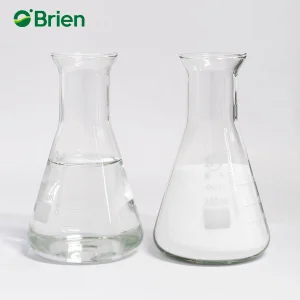
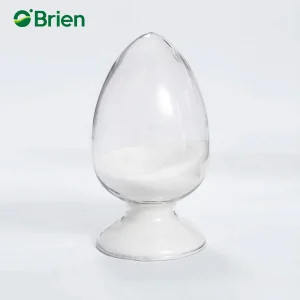
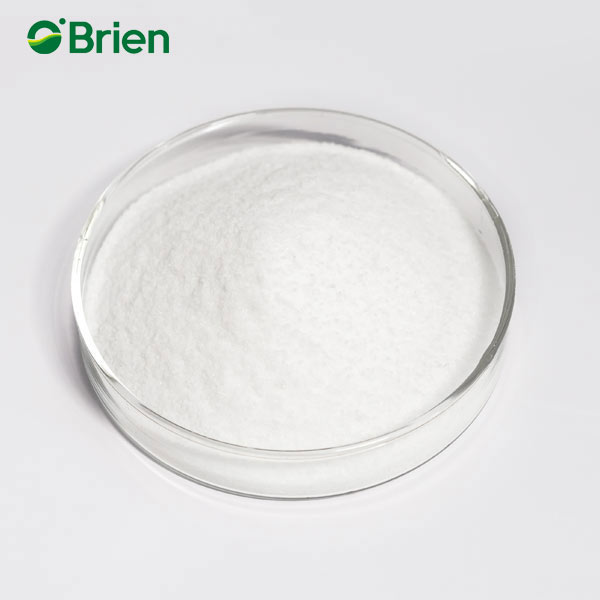
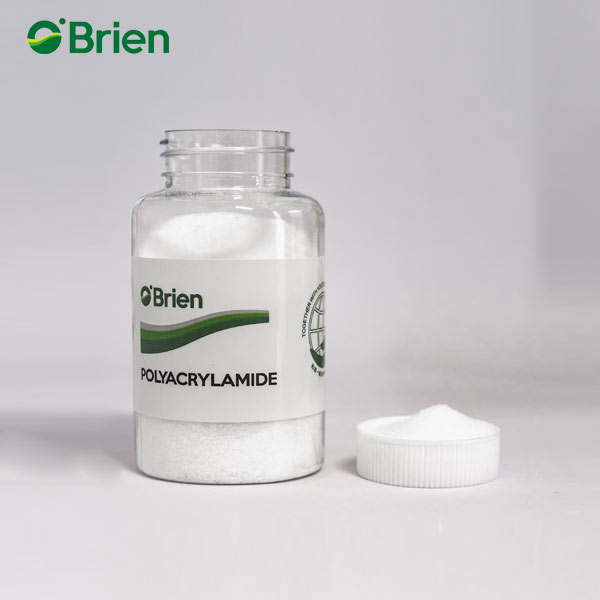
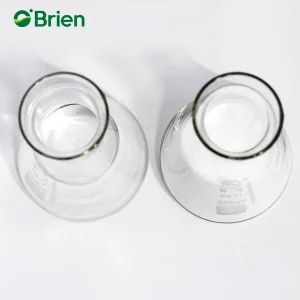
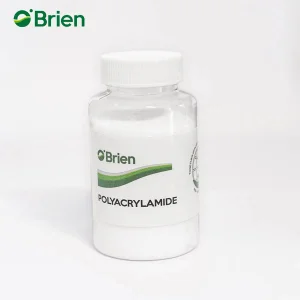
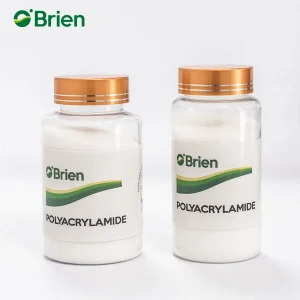
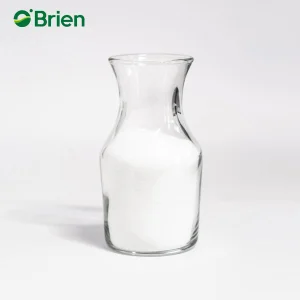
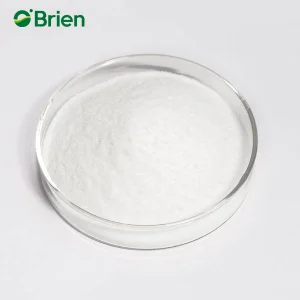
Polyacrylamide (PAM) is a synthetic, water-soluble resin formed by the polymerization of acrylamide monomers. It presents physically as a white, free-flowing granular powder or highly concentrated emulsion. The versatility of PAM stems from its customizable ionic charge (nonionic, anionic, cationic, and Mannich modified) and broad spectrum of molecular weights (ranging from 3 Million to over 30 Million Daltons).
High Solid Content Anionic Polyacrylamide (APAM) is produced by copolymerizing acrylamide with acrylic acid or sodium acrylate monomers, or via the controlled post-hydrolysis of polyacrylamide. The resulting polymer chain features negative carboxylic acid groups (-COO⁻) spaced along the hydrocarbon backbone. In aqueous solutions, these negative charge sites expand the polymer coil through electrostatic repulsion, maximizing the effective radius of gyration and facilitating high-efficiency bridging flocculation.
Long macromolecular chains extend into solution, binding simultaneously to multiple suspended particles to form dense, fast-settling micro-flocs.
Negatively charged carboxylate functional groups compress the electrical double layer of positively charged mineral particles, eliminating colloidal stability.
Oubo's high-solid synthesis creates optimized chain entanglements that maintain structural integrity under high-shear pumping environments.
Comprehensive Water Treatment, Extraction Enhancement, and Resource Recovery Technologies
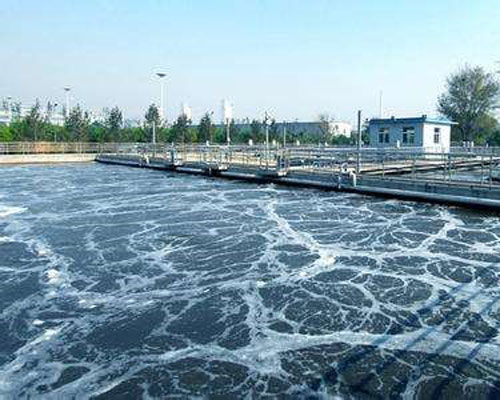
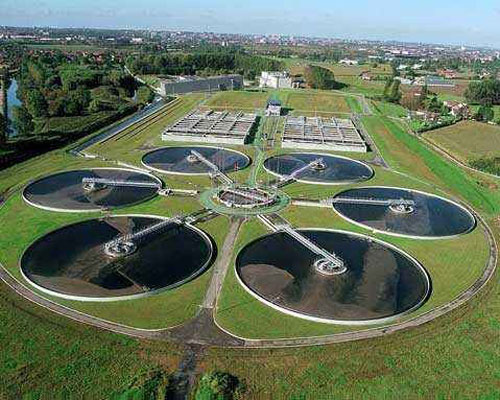
As an essential flocculating agent, APAM is primarily utilized in solid-liquid separation processes, including sedimentation, clarification, thickening, and mechanical sludge dewatering. Stringent environmental regulations worldwide drive the continuous upgrading of municipal sewage facilities and heavy industrial effluent treatment plants.
Major municipal and industrial sectors served include urban wastewater plants, leather tanneries, paper mills, citric acid manufacturing, vegetable protein extraction, textile dyeing complexes, pharmaceutical factories, and incense production.
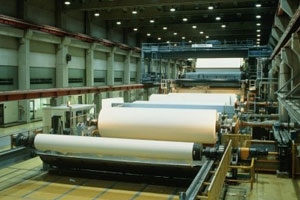
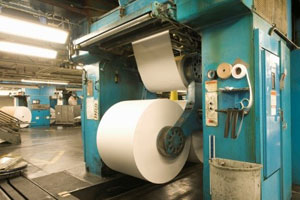
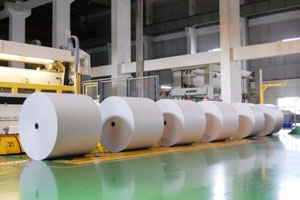
In modern high-speed paper manufacturing, APAM functions as a dry strength agent, retention aid, filter aid, and wet-end dispersant. It substantially improves paper sheet physical metrics, reduces fine fiber loss, and optimizes white water closed-loop recycling.
Key mechanisms include Anionic Trash Neutralization, Fiber Retention Improvement, and Strength Enhancement via ionic linkages and covalent bonding between polymer amide groups and cellulose hydroxyl groups.
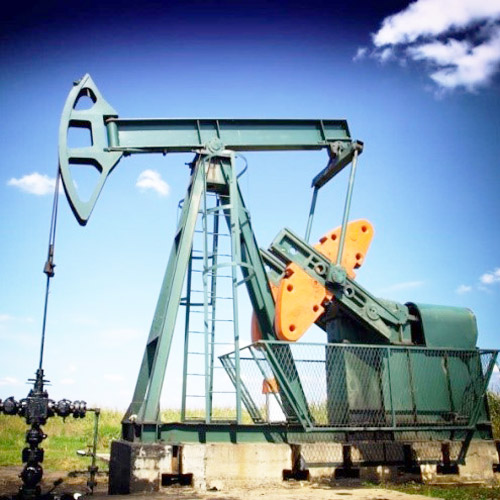
Polyacrylamide plays a critical role in tertiary oil recovery (Enhanced Oil Recovery - EOR), profile control, well plugging, friction reduction in hydraulic fracturing, and drilling fluid stabilization. It controls fluid loss, inhibits shale swelling, lubricates bit assemblies, and improves sweep efficiency in high-salinity oil reservoirs.

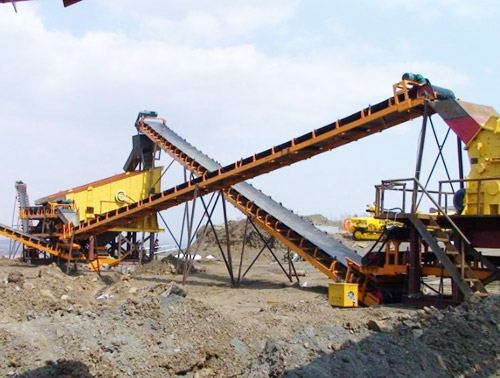
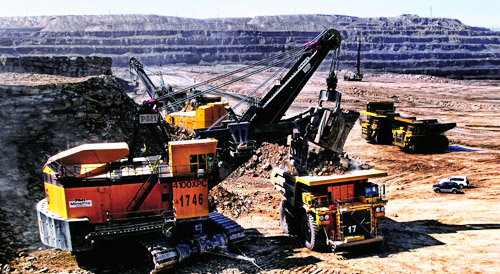
Our complete range of anionic, non-ionic, and cationic polymers ensures precise solid-liquid separation in coal washing, tailings dewatering, and mineral extraction (Gold, Silver, Iron, Copper, Nickel, Alumina). High-speed sedimentation reduces thickener footprint and yields clear overflow water for immediate mill reuse.

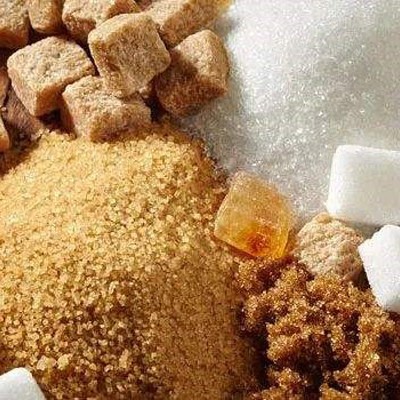
Used extensively in juice clarification and scum flotation during cane and beet sugar processing. Food-grade low-monomer APAM enhances settling rates, yields crystal-clear syrup, and accelerates mud filtration.
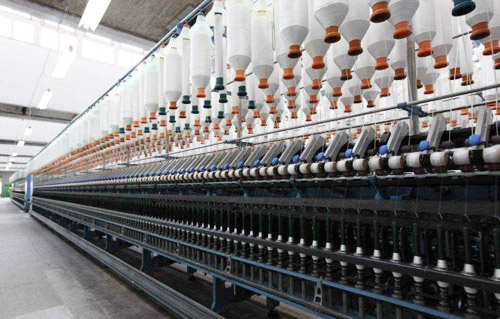
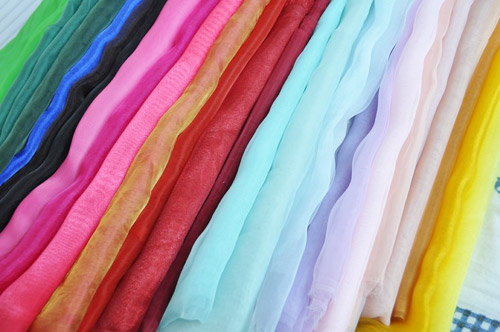
Serves as a high-performance sizing agent, finishing auxiliary, and fabric treatment component. It establishes a smooth, protective surface film on yarns, reducing breakage during high-speed weaving while clarifying concentrated dye effluent.

Four Pillars of Manufacturing Excellence, Global Quality Control, and Technical Expertise
Qingdao OUBO Chemical Co., Ltd is a globally recognized manufacturer of Polyacrylamide. We utilize biological enzymatic synthesis methods (patented technology) and re-invest over €2.0 Million annually into R&D for continuous molecular optimization.
Integrity across our global supply chain. Raw materials are sourced from world-tier suppliers like SINOPEC and Eni. Our fully automated lines operate under ISO9001, with every batch tested 3 times by our QC team prior to dispatch.
With over a decade of concentrated focus on polyacrylamide manufacturing, we deliver superior quality at direct-from-factory pricing. Our technical engineers partner with clients through pre-sales, testing, and system tuning.
Comprehensive technical support from initial polymer selection, laboratory jar testing, and field dosage optimization to full OEM/ODM packaging customization. We promise to help you make the absolute right choice.
Industrial Packaging Protocols Engineered for Moisture Protection and Overseas Transit
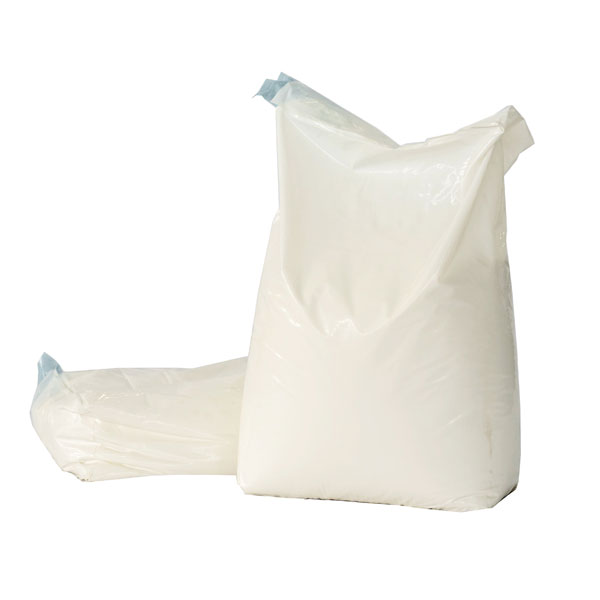
Unbranded 25kg multi-wall paper-plastic composite bags with inner PE liner for OEM distribution.
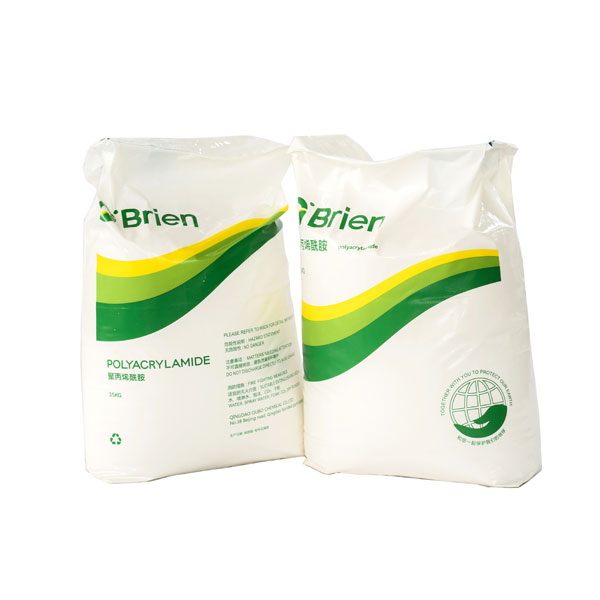
Standard export 25kg printed craft bags equipped with vapor barrier PE inner linings.
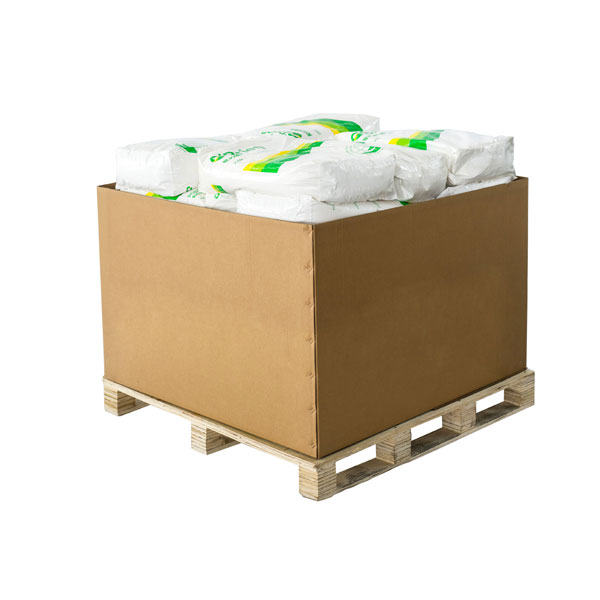
750kg and 1000kg heavy-duty bulk ton sacks designed for automated continuous dosing systems.
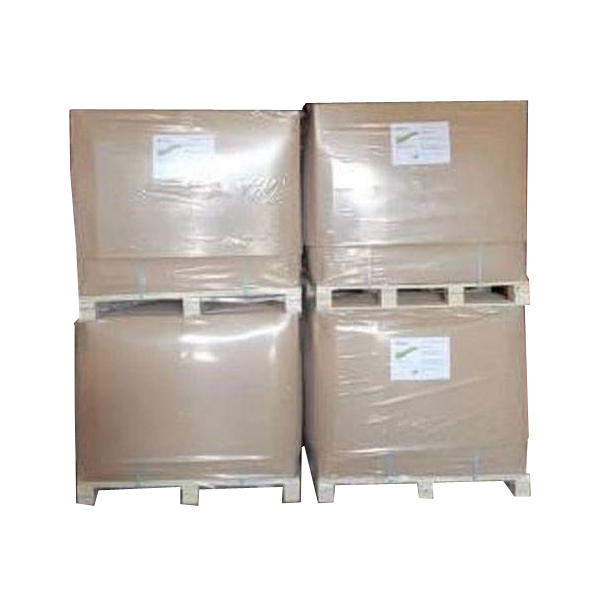
Fumigation-free ISPM-15 wooden or plastic pallets, fully stretch-wrapped for maritime security.
Pioneering Sustainable Macromolecules for a Carbon-Neutral Chemical Future
Developing ultra-long macromolecular chain architectures that achieve rapid settling velocities at 20-30% lower dosage rates compared to conventional commercial polymers.
Transitioning from petroleum-derived acrylamide to zero-carbon bio-acrylamide substrates sourced from agricultural enzymatic conversion, cutting Scope 1 & 2 carbon footprints.
Liquid inverse-emulsion formulations providing instantaneous dissolution (dissolving within 3-5 minutes) while offering superior resistance to high shear forces during field pumping.
Expert Clarifications on Selection, Dissolution Protocols, Storage, and Global Logistics
Selection depends on slurry pH, solid concentration, and particle surface charge. High molecular weight with medium hydrolysis (20-30%) is typically optimal for neutral mineral slurries. For highly alkaline or high-solids muds, higher charge hydrolysis (30-50%) provides stronger electrostatic repulsion and faster clarification. Our technical engineering team conducts laboratory jar tests to customize precise parameters.
APAM granular powders should be dissolved in clean water at a concentration of 0.1% to 0.3% (w/v). Ensure continuous mechanical agitation (200-400 RPM) during slow powder addition to prevent the formation of un-dissolved "fish eyes." Dissolution typically completes within 45 to 60 minutes at room temperature (20°C - 30°C).
Our biological enzymatic process utilizes specific microbial catalysts to convert acrylonitrile to acrylamide at ambient temperatures. This eliminates copper catalyst impurities, prevents unwanted side-reactions, yields ultra-pure monomers, and produces polymers with significantly higher linear molecular weights and reduced environmental toxicity.
In un-opened original packaging, dry APAM powder maintains full chemical activity for 24 months when stored in a cool, dry, well-ventilated warehouse away from direct sunlight, moisture, and extreme heat (preferably below 35°C).
Yes, we provide full OEM/ODM manufacturing services, including custom brand bag printing, specific net weights (25kg, 50lb, 750kg, 1000kg), neutral blank bags, and specialized palletization wrapping tailored to regional port regulations.
Explore Our Comprehensive Range of Specialized Anionic, Nonionic, and Cationic PAM Formulations
 Oubo Chemical