Select tailored chemical formulations engineered for maximum liquid-solid separation efficiency.
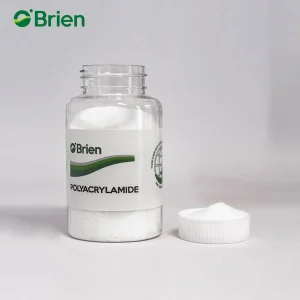
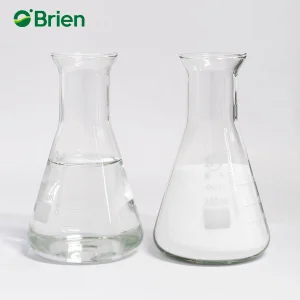
An in-depth technical analysis of bio-acrylamide synthesis, supply chain economics, and global procurement trends.
Polyacrylamide (PAM) is a water-soluble synthetic resin produced through the polymerization of acrylamide (AM) monomers. Historically synthesized via chemical catalysis, the modern chemical manufacturing sector in China—spearheaded by advanced entities like Qingdao Oubo Chemical Co., Ltd.—has transitioned to third-generation microbiological enzymatic synthesis methods.
This biotechnological breakthrough utilizes specific bacterial enzymes (such as nitrile hydratase) to convert acrylonitrile into acrylamide at ambient temperatures. The resulting monomer achieves unprecedented purity (>99.9%) with zero organic impurities or toxic by-products. Consequently, downstream polymerization yields high-molecular-weight polymers (exceeding 25 million Daltons) with superior linearity, ultra-low residual acrylamide content (<500 ppm), and optimal water dissolution rates.
China has established an unbeatable ecosystem for polymer production due to complete upstream industrial integration. Primary raw materials—such as acrylonitrile (ACN) sourced directly from petrochemical giants like SINOPEC and Eni—are piped directly into automated synthesis reactors in free trade logistics zones like Qingdao. This proximity guarantees raw material quality, minimizes logistical overhead, and stabilizes supply chains against market volatility.
Furthermore, offering comprehensive Free Sample Evaluation Protocols allows overseas procurement teams, municipal water boards, and mine operators to eliminate risk prior to issuing purchase orders. Samples are dispatched directly from dedicated laboratory testing facilities to perform benchtop jar tests, establishing precise dosage rates (ppm) and dewatering efficiency metrics.
Comprehensive breakdown of Anionic (APAM), Cationic (CPAM), and Nonionic (NPAM) ionic structures.
Polyacrylamide functionality is dictated by its ionic charge, molecular weight, and hydrolysis degree. Selecting the correct chemistry is vital for maximizing flocculation velocity, flocs clarity, and cake dryness.
| Polymer Type | Ionicity / Hydrolysis Range | Molecular Weight (Million) | Primary Application Focus | Dissolution Time |
|---|---|---|---|---|
| Anionic Polyacrylamide (APAM) | Hydrolysis: 10% - 40% (Medium to High) | 12.0 - 25.0 Million | Municipal wastewater clarification, coal tailings dewatering, sand washing, paper dry strength. | 40 - 60 Mins |
| Cationic Polyacrylamide (CPAM) | Charge Density: 10% - 80% (Low to Ultra-High) | 8.0 - 12.0 Million | Sludge dewatering (Belt filter, Centrifuge, Screw press), organic industrial effluent, paper retention. | 45 - 60 Mins |
| Nonionic Polyacrylamide (NPAM) | Degree of Hydrolysis: < 5% | 6.0 - 15.0 Million | Acidic wastewater treatment, soil stabilization, mineral dressing in low pH environments, textiles. | 60 - 90 Mins |
| Amphoteric PAM | Balanced Anionic/Cationic Ratio | 8.0 - 10.0 Million | Complex industrial sludge with high salinity and fluctuating pH values. | 50 - 75 Mins |
PAM works primarily through two physical-chemical mechanisms:
A decade of excellence in water-soluble polymer manufacturing, innovation, and environmental stewardship.
Established in 2011 and situated within the strategic Free Trade Zone of Qingdao, China, Qingdao Oubo Chemical Co., Ltd. has grown to become a recognized international authority in polyacrylamide production. Operating under the globally respected brand name O'brien, our organization maintains a strict quality control system that has driven an annual business growth rate of over 10% for the past decade.
Our state-of-the-art facility reached a critical benchmark in 2018 by surpassing an annual production capacity of 50,000 Metric Tons. Certified under ISO 9001:2008 management guidelines, Oubo Chemical integrates automated production lines with rigorous analytical testing, ensuring every bag of PAM delivered to global port destinations satisfies contract specifications.
Oubo leverages proprietary biological enzymatic synthesis to produce pure acrylamide monomers. Our chemical engineers accumulate technical patents yearly, backed by continuous multi-million euro R&D investments.
Raw materials are strictly procured from verified top-tier petrochemical leaders including SINOPEC and Eni. Fully automated production lines monitor temperature, viscosity, and polymerization stages 24/7. Every production batch is tested 3 times by our QA staff before releasing shipping clearance.
Our dedicated chemical engineering team participates across all operational phases: pre-sales water testing, on-site jar testing, dosage calibration, and post-sales optimization to ensure flawless plant integration.
Tailored polyacrylamide formulations designed for high-stress operational environments.
Acts as an indispensable primary coagulant aid and sludge dewatering flocculant in both municipal sewage plants and heavy industrial facilities (leather, citric acid, dyeing, pharmaceutical, vegetable protein, incense). Promotes fast settling in primary clarifiers and maximizes cake dryness in belt filter presses, centrifuges, and screw press dewatering equipment.
Serves multiple wet-end functional roles:
Extensively applied across drilling, production, and enhanced recovery phases:
Facilitates rapid solid-liquid separation across diverse mineral circuits including coal washing, copper, gold, iron ore, silver, and alumina production. Accelerates tailing sedimentation, reduces thickener overflow turbidity, and enables water recycling to comply with Zero Liquid Discharge (ZLD) environmental mandates.
Specially refined, food-grade APAM polymers assist in the clarification and flotation of raw sugarcane juice and sugar beet liquor, removing suspended impurities without leaving harmful chemical residues.
Functions as a warp sizing agent, fabric finishing additive, and high-performance flocculant to decolorize complex organic dye house wastewater containing reactive, direct, and disperse dyes.
Maximize performance by testing target samples under laboratory conditions prior to full-scale commercial trials.
To eliminate procurement guesswork and establish exact unit operational costs (cost-per-ton of dry solids treated), Oubo Chemical dispatches complimentary 250g-500g product samples worldwide. We encourage plant chemists to utilize the following standard jar testing sequence:
Engineered packaging ensures moisture-proof integrity during long-distance transoceanic transit.
Polyacrylamide powder is hygroscopic and must be safeguarded against ambient humidity to prevent caking and performance degradation. Oubo Chemical provides four customized packaging configurations engineered for industrial end-users and wholesale distributors:
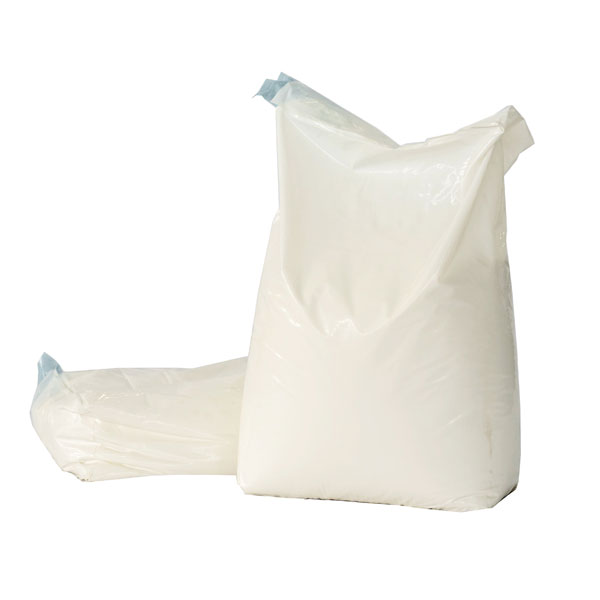
Unbranded 25kg Kraft paper / PE inner bag for local re-branding.
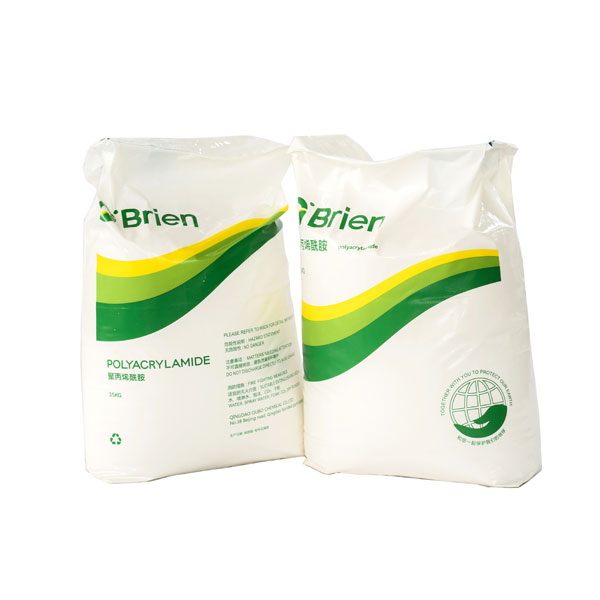
25kg high-tensile PP woven bag with double-layer anti-moisture liner.
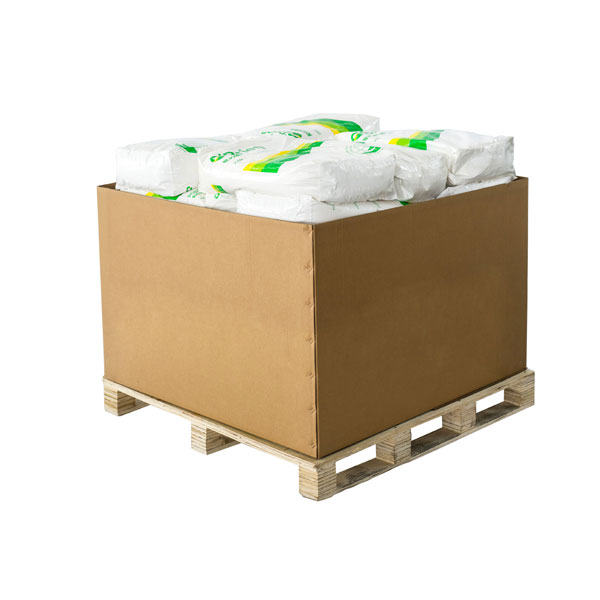
750kg – 1000kg heavy-duty bulk bags designed for automated dosing hoppers.
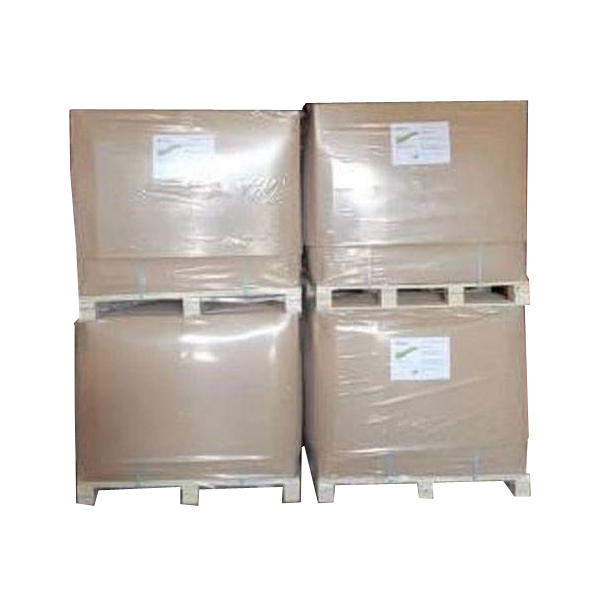
Fumigated wooden/plastic pallets with protective shrink-wrap films.
Expert answers regarding chemical selection, dissolution mechanics, shelf life, and free sample dispatch.
Simply navigate to any product link on this page or contact our customer support team directly. Specify your application industry, target wastewater/sludge type, current flocculant brand, and preferred shipping address. Samples (250g-500g) are packaged and dispatched via air courier (DHL/FedEx) within 24–48 hours.
When stored in its original unopened packaging in a cool, dry, and ventilated warehouse below 35°C, Oubo Polyacrylamide dry powder maintains complete stability for 24 months. Once dissolved into aqueous solution, the liquid solution should be consumed within 24 to 48 hours to prevent chain degradation.
Fish-eyes occur when dry polymer powder is dumped too rapidly into water, creating gel-coated lumps. To prevent this, use an automated mechanical powder feeder or manually sift the powder slowly into the vortex of agitated water. Water temperature should ideally be between 20°C and 40°C.
APAM carries a net negative charge due to carboxylate functional groups, making it ideal for inorganic, high-density mineral suspensions (sand, coal, metals). CPAM carries a positive charge due to quaternary ammonium groups, making it ideal for organic municipal and industrial bio-sludge dewatering.
Qingdao Oubo Chemical Co., Ltd. operates under strict ISO 9001:2008 quality management certification. Our products comply with international REACH standards and undergo 3-tier pre-shipment quality assurance testing for molecular weight, charge density, purity, and dissolution time.
Yes. Our laboratory can perform analytical benchmark testing on any target polymer sample (e.g., SNF Flopam, Kemira KemSep, BASF Zetag equivalencies) to create a precise match in molecular weight, hydrolysis %, and particle grain size at lower factory-direct pricing.
Explore specialized PAM grades for paper strength, oilfield drilling, and industrial effluent flocculation.
 Oubo Chemical