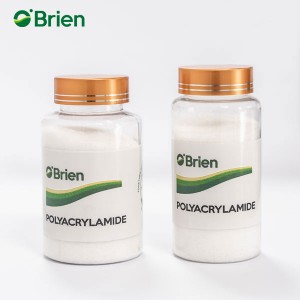
High-performance synthetic polyacrylamide formulations engineered for rapid clarification, dewatering, and industrial fluid stabilization.
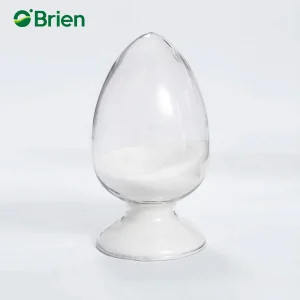
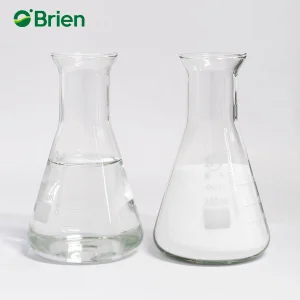
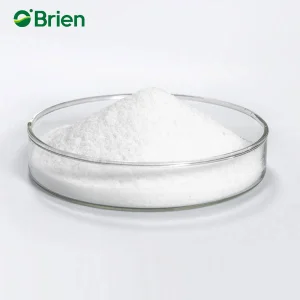
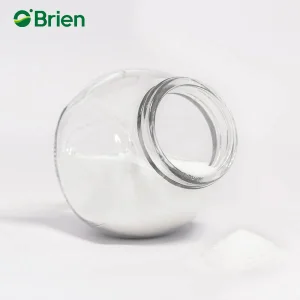
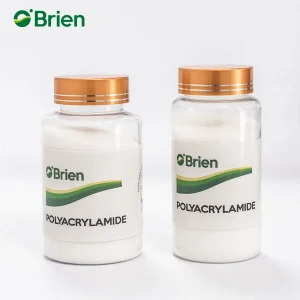
An authoritative analysis of chemical moisture control, synthetic polymer demand, and supply chain transformations driven by ESG regulations and Industry 4.0 modernization.
The modern industrial chemical landscape is experiencing an unprecedented structural shift. Municipalities and mega-industrial conglomerates are demanding hyper-efficient desiccant systems, high-molecular-weight polyacrylamides, and specialized coagulation agents. As global environmental norms tighten under strict zero-liquid-discharge (ZLD) mandates, procurement teams require solutions that minimize dosage footprints while maximizing water extraction efficiency.
China has established itself as the world's primary engine for high-purity Polyacrylamide (PAM) and industrial desiccant production. By combining deep raw material Integration with automated continuous synthesis, Chinese manufacturers offer global buyers unparalleled cost-to-performance metrics, structural moisture absorption performance, and reliable bulk delivery timelines.
A key vector driving the modern polyacrylamide market is the transition from conventional chemical conversion to patented biological enzymatic synthesis. Biological methods drastically reduce trace monomer toxicity (acrylamide residues), yielding higher molecular weights and superior linearity in cationic, anionic, and nonionic polymers.
Advanced desiccant and flocculant formulations now incorporate low-carbon footprint processing, aligned with global circular economy goals. Industrial buyers in North America, Europe, and Asia-Pacific prioritize chemical suppliers who maintain robust ISO 14001 and ISO 9001 certifications, ensuring compliance across sensitive applications like municipal drinking water and food-grade sugar clarification.
Inside Qingdao Oubo Chemical Co., Ltd. — Harnessing Qingdao Free Trade Zone advantages to deliver world-class polymer technologies.
Oubo Chemical Co., Ltd was established in 2011, strategically located within the Free Trade Zone of Qingdao, China. Operating at the intersection of international logistics channels and cutting-edge chemical manufacturing hubs, Oubo Chemical has achieved a consistent business growth rate of over 10% annually over the past decade.
Our commitment to global chemical standards is anchored by our state-of-the-art automated manufacturing infrastructure. In 2018, Oubo's annual production capacity of Polyacrylamide (PAM) broke through the milestone threshold of 50,000 Metric Tons. Certified under ISO9001:2008 quality management standards, Oubo seamlessly integrates raw material procurement from global energy titans such as SINOPEC and Eni, ensuring raw material purity and complete batch-to-batch consistency.
Qingdao OUBO Chemical Co., Ltd. is a premier global producer utilizing patented biological methods to synthesize acrylamide monomers. This low-temperature bio-catalytic process yields polymers with higher structural integrity and extreme molecular weights.
Quality control is non-negotiable. Every batch undergoes a rigorous 3-stage testing protocol by our dedicated QC team—evaluating active content, degree of hydrolysis, viscosity, and dissolution rates prior to dispatch.
Our specialized chemical engineering team participates across pre-sales analysis, lab Jar Testing, dynamic trials, and post-sales optimization to guarantee precise dosage selection for maximum operational cost-efficiency.
Understanding the molecular mechanics of water-soluble polymers, charge densities, and functional desiccant performance.
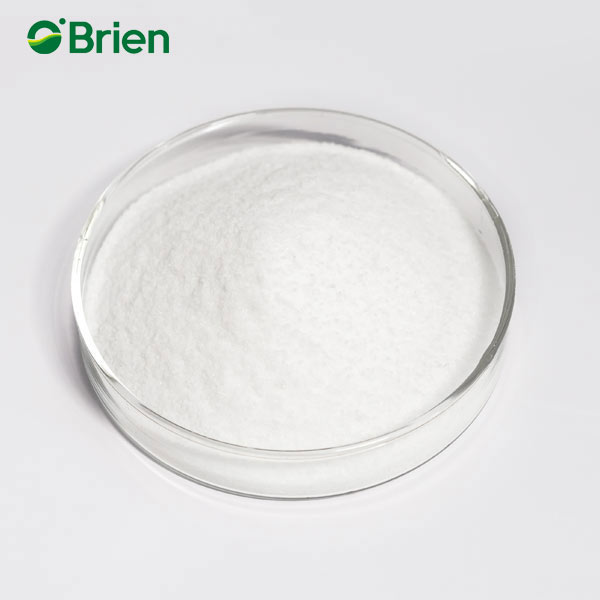
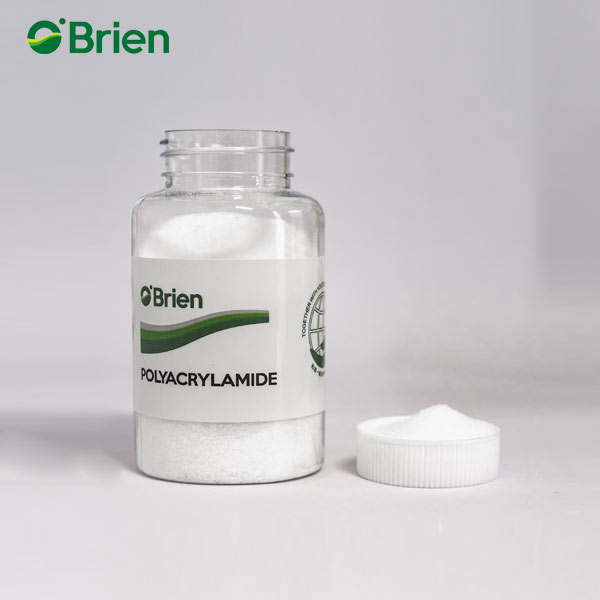
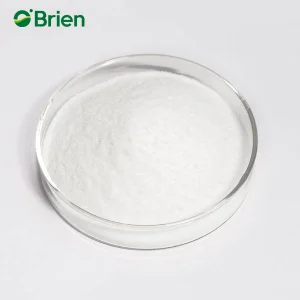
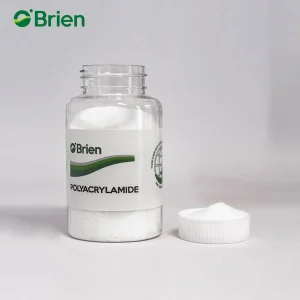
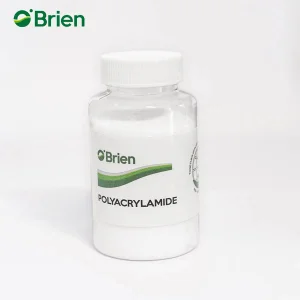
Polyacrylamide (PAM) (CAS 9003-05-8) is a linear synthetic resin formed via the polymerization of acrylamide monomers. As a highly versatile water-soluble polymer, PAM acts as a powerful flocculant, coagulant, rheology modifier, and filtration aid across an extensive industrial spectrum. Its functionality is primarily dictated by its charge character (ionic type) and molecular weight distribution.
Formulated by copolymerizing acrylamide with cationic monomers (such as DAC or DMC), CPAM carries a positive charge in aqueous solutions. It excels in neutralizing negatively charged colloidal particles prevalent in organic wastewater and municipal sludge.
Containing carboxylate groups, APAM presents a negative ionic charge in solution. Designed with ultra-high molecular weights (up to 22 Million Daltons), APAM creates robust chemical bridges between inorganic suspended solids.
NPAM is a neutral homopolymer with minimal ionic charge. It relies primarily on hydrogen bonding via its dense amide groups to bind particles in acidic environments or high-salt brines where ionic polyacrylamides fail.
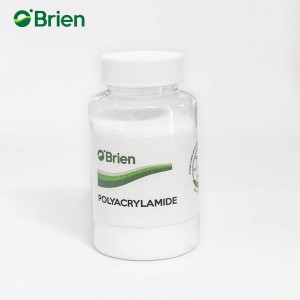
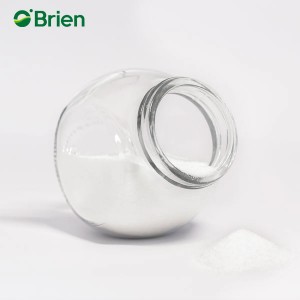
Customized polymer engineering solving critical liquid-solid separation and moisture management challenges globally.
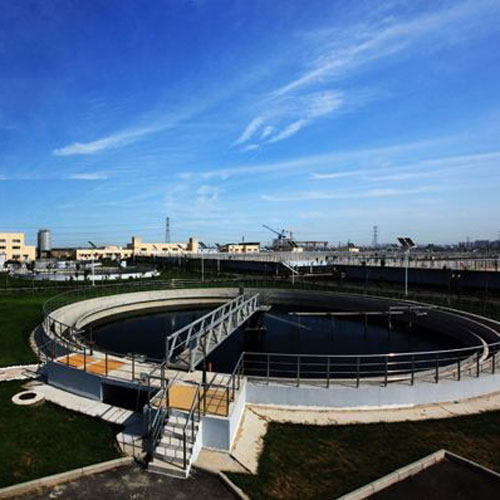
As a premier flocculating agent, Polyacrylamide is heavily utilized in industrial solid-liquid separation processes, including sedimentation, clarification, thickening, and mechanical sludge dewatering. Rapid urbanization and increasingly stringent global environmental regulations promote the continuous technical evolution of the water treatment sector.
For municipal sewage plants and diverse industrial sectors—including leather, papermaking, citric acid production, vegetable protein extraction, pharmaceutical manufacturing, and incense crafting—Oubo's tailored PAM polymers accelerate flocs formation and increase filter cake dryness.
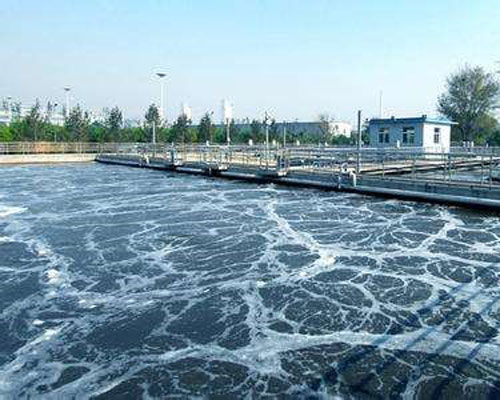
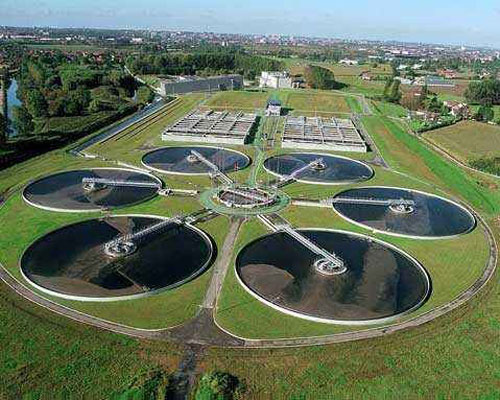
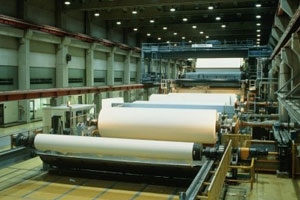
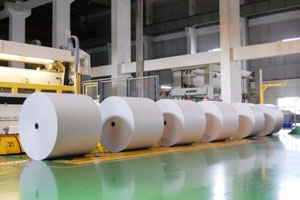
In paper manufacturing, Polyacrylamide functions as a high-performance dry strength agent, retention aid, and drainage promoter. It drastically elevates paper sheet quality, enhances structural physical strength, and minimizes fine fiber loss. It is simultaneously deployed in white water closed-loop recycling and de-inking flotation processes.

Polyacrylamide serves as a foundational component in oil exploration, profile control, fluid loss reduction, well-plugging, drilling muds, and hydraulic fracturing fluids. By controlling rheology, inhibiting shale hydration, and lubricating bit strings, PAM enhances extraction yield under severe high-temperature and high-salinity conditions.


In mineral beneficiation, Polyacrylamide facilitates the rapid sedimentation of tailings and mineral slurry separation. Oubo provides nonionic, anionic, and cationic polymers covering variable molecular weights tailored specifically for coal washing, mineral thickening, and tailings filtration across Gold, Silver, Iron, Copper, and Nickel extraction circuits.



Used extensively during juice clarification and flotation stages in cane and beet sugar refineries, promoting high-clarity syrup output.

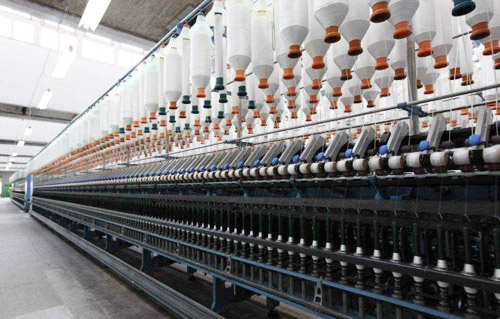
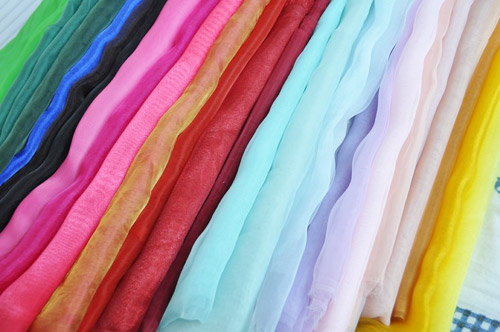
PAM functions as an efficient sizing agent, finishing agent, and fabric treatment component while treating complex high-color textile wastewater.

Four core structural pillars ensuring unmatched stability, technical precision, and direct manufacturer value for global chemical buyers.
Qingdao OUBO Chemical Co., Ltd is a world-leading manufacturer of Polyacrylamide. Utilizing patented biological production methods, we invest €200 million into technical research annually to build robust synthesis capabilities.
Connected to a reliable global supply chain with raw materials sourced from leading chemical giants like SINOPEC and Eni. Fully automated lines compliant with ISO9001, featuring triple-batch testing before dispatch.
8+ years of dedicated Polyacrylamide production delivering superior quality at highly competitive factory-direct pricing. Technical engineers are engaged throughout pre-sales, testing, and post-sales support.
Our dedicated chemical engineering team provides hands-on laboratory evaluation, dosage calculations, dynamic trials, and customized packaging selection to maximize client operational efficiency.
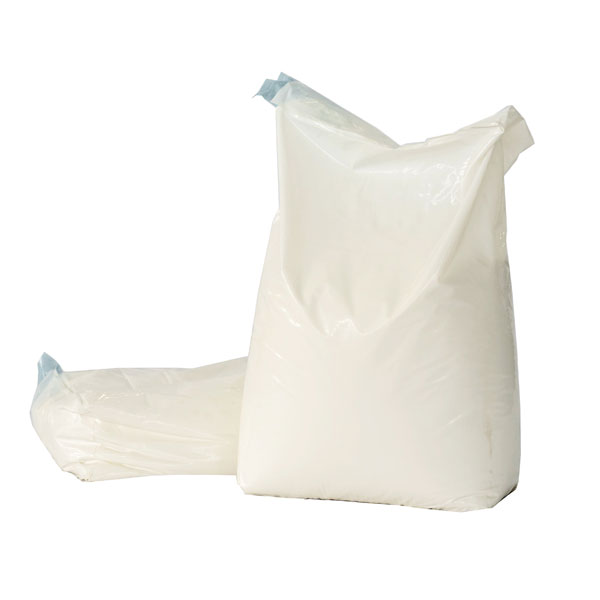
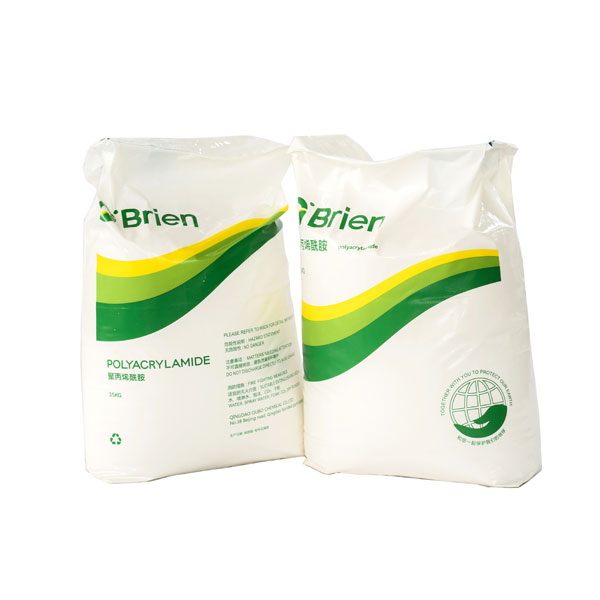
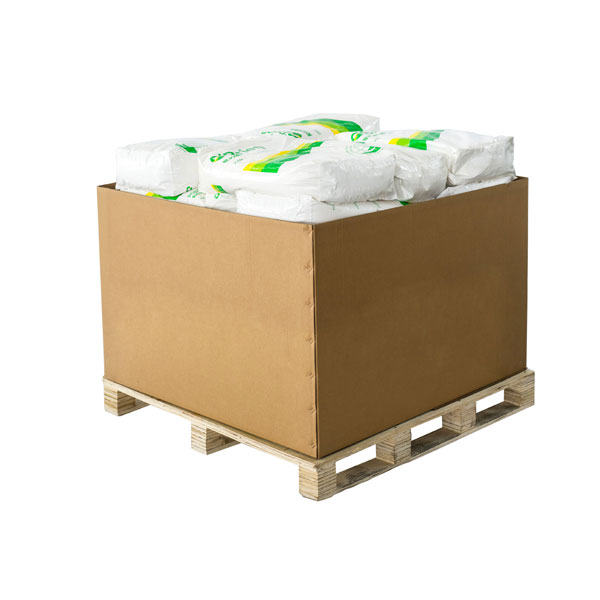
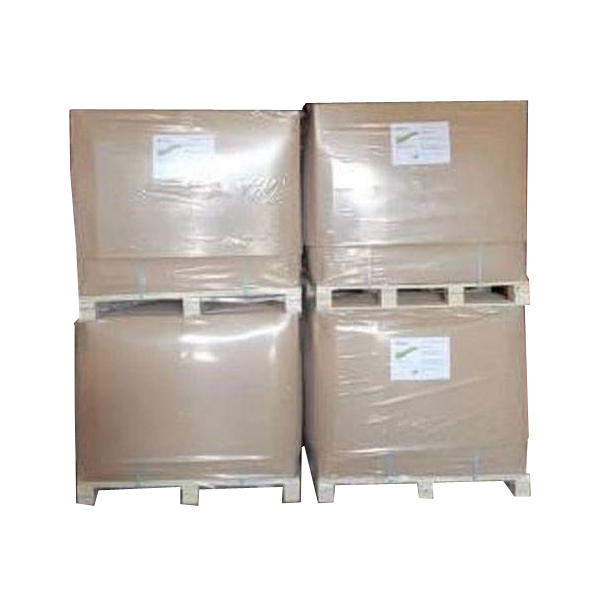
Moisture-proof, reinforced packaging options engineered to preserve polymer stability during transoceanic transit.
Explore our full spectrum of specialized polymer solutions for enhanced oil recovery, mining tailings clarification, and paper pulp retention.
Expert technical insights regarding Polyacrylamide chemistry, ionic selection, storage, and global shipment logistics.
 Oubo Chemical