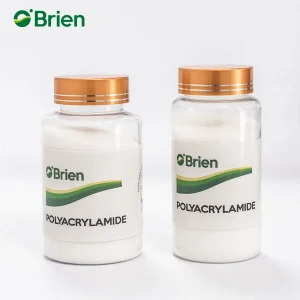
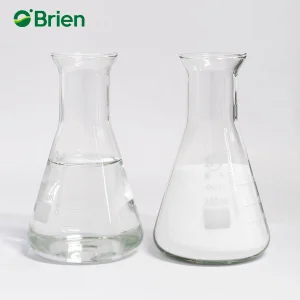
High-efficiency Cationic, Anionic, and Nonionic polymer solutions engineered for industrial and municipal applications.
Established in 2011 within the Free Trade Zone of Qingdao, China, Qingdao Oubo Chemical Co., Ltd has emerged as a globally recognized leader in the synthesis and industrial formulation of Polyacrylamide (PAM). Operating under the prestigious O'brien brand, our manufacturing ecosystem combines cutting-edge biological polymerization technology with strict Quality Control (QC) frameworks to deliver high-purity water treatment polymers worldwide.
Our infrastructure operates under an ISO 9001:2008 certified quality management system, delivering an aggregate annual capacity surpassing 50,000 metric tons in 2018 and continuing to expand. By integrating advanced biological enzymatic conversion methods—for which proprietary patents have been applied—we ensure maximum acrylamide monomer purity, minimal structural branching, and precise control over molecular weight distribution. Our strategic raw material supply chain relies on partnerships with international energy giants such as SINOPEC and Eni, guaranteeing uncompromised chemical consistency from precursor monomers to bulk polymer powders.
"Oubo Chemical is deeply committed to sustainable environmental stewardship. Our advanced bio-catalyzed synthesis reduces energy consumption and chemical byproducts, ensuring our cationic and ionic flocculants perform flawlessly while reducing environmental footprints across global industrial supply chains."
Understanding charge density, molecular weight kinetics, and flocculation mechanisms in cationic polyacrylamide (CPAM).
Cationic Polyacrylamide (CPAM) is synthesized by copolymerizing acrylamide (AM) with cationic monomers such as DAC (Dimethylaminoethyl Acrylate Methyl Chloride) or DMAEMA. Our proprietary polymer chains range from 5 Million to over 15 Million Daltons, engineered specifically to enhance micro-floc formation and shear stability under high centrifugal stress.
We supply cationic flocculants featuring customized charge densities from 10% to 80%. This wide range allows precise matching with the zeta potential of colloidal suspensions, effectively neutralizing negative electrical double layers in organic sludge, digestate, and municipal wastewater matrixes.
Moving away from traditional chemical catalysis, Oubo utilizes biological enzymatic processes to convert acrylonitrile to acrylamide monomer. This results in ultra-low free monomer residuals (<0.05%), higher polymer linear linearity, and dramatically enhanced water solubility without insoluble gel particles.
Standard grade benchmarks for Oubo Chemical Cationic Polyacrylamide (CPAM) series:
| Polymer Grade Type | Charge Density (%) | Molecular Weight (Million) | Solid Content (%) | Dissolution Time (Min) | Primary Application Focus |
|---|---|---|---|---|---|
| CPAM Low Charge | 10% – 20% | 10 – 14 M | ≥ 88% | ≤ 60 | Paper retention aids, inorganic slurry dewatering |
| CPAM Medium Charge | 25% – 45% | 8 – 12 M | ≥ 88% | ≤ 50 | Municipal sludge dewatering, belt filter press |
| CPAM High Charge | 50% – 60% | 6 – 10 M | ≥ 88% | ≤ 45 | Centrifugation of high-organic biological sludge |
| CPAM Ultra-High Charge | 65% – 80% | 5 – 8 M | ≥ 88% | ≤ 40 | Oily wastewater, tannery & slaughterhouse dewatering |
Versatile ionic spectrum engineered to solve distinct liquid-solid separation challenges across diverse industrial pH levels.
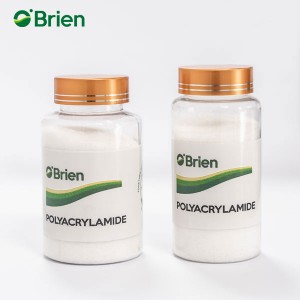
Cationic Polyacrylamide (CPAM)
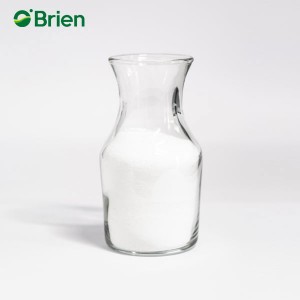
Anionic Polyacrylamide (APAM)
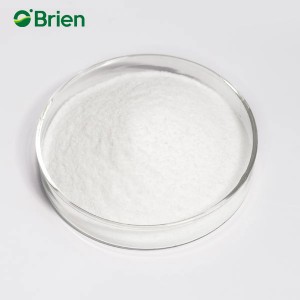
Nonionic Polyacrylamide (NPAM)
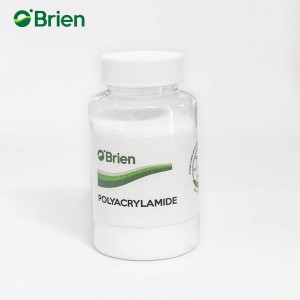
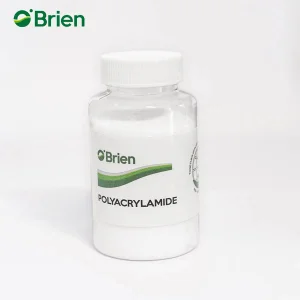
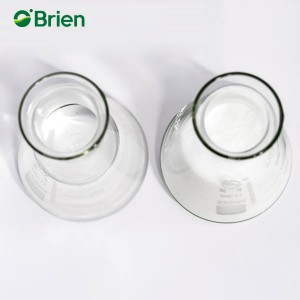
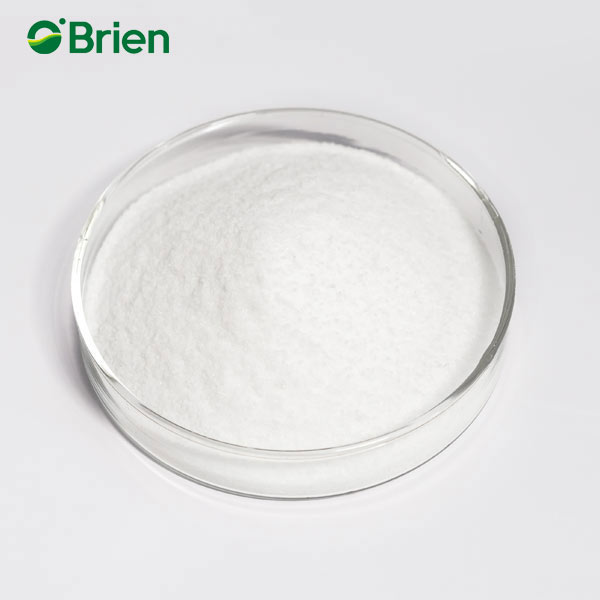
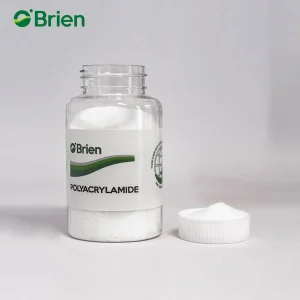
High-Density Cationic Powder
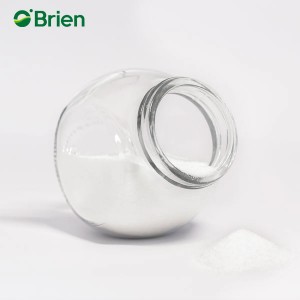
High MW Anionic Flocculant
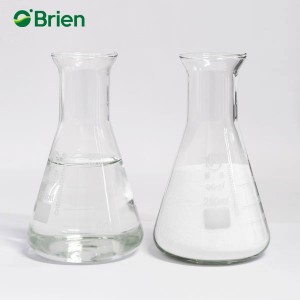
Acidic-Resistant NPAM
Industrial Grade APAM
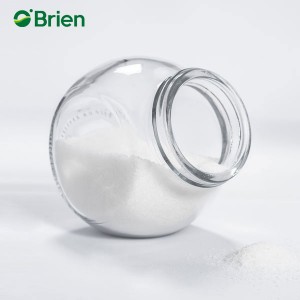
Ultra-High Viscosity PAM
Deploying tailored cationic and ionic polymer chemistry to maximize operational efficiency, lower disposal costs, and exceed environmental compliance standard across global industries.
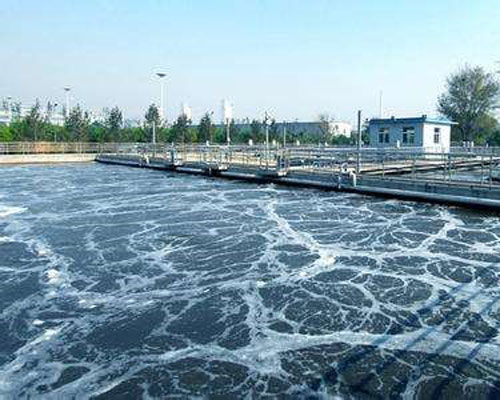
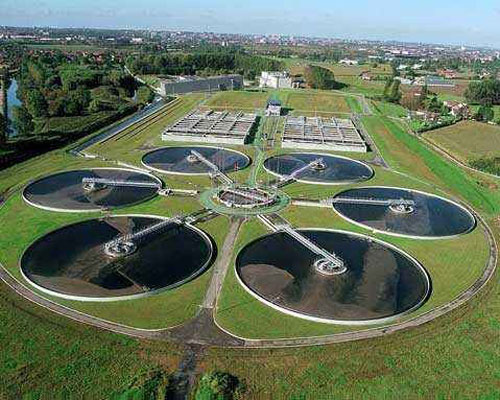
In solid-liquid separation processes, our cationic polyacrylamide acts as a primary flocculating agent for clarification, settling, and sludge dewatering. Highly effective in municipal WWTPs, leather processing, paper mills, food extraction, dyeing, and pharmaceutical effluent systems.
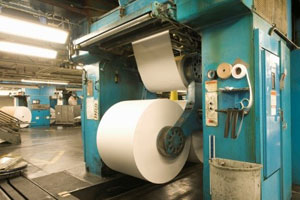
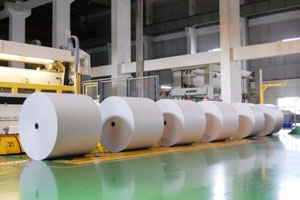
Serves as a wet-end retention agent, drainage aid, and dry/wet strength enhancer. It neutralizes anionic garbage in white water circuits, improves fine fiber and filler retention rates, reduces raw material loss, and streamlines effluent deinking operations.

Extensively applied in oil exploration, profile control, fluid loss reduction, friction reduction, and well cementing. Functions as an effective shale stabilizer, mud thickener, and oil sands flocculant under extreme salinity and high shear conditions.


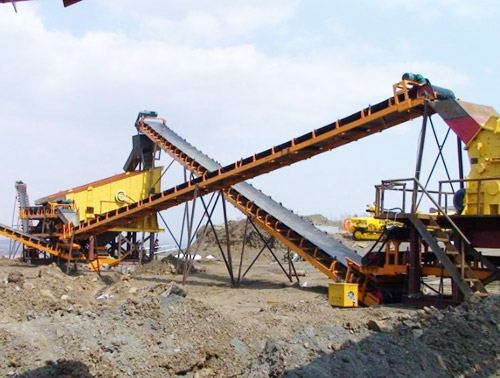
Accelerates solid-liquid separation in coal washing, mineral leaching (Gold, Copper, Silver, Iron, Nickel), and thickener overflow clarification. Provides fast settling rates and compact sludge cakes during vacuum filtration and centrifugation.

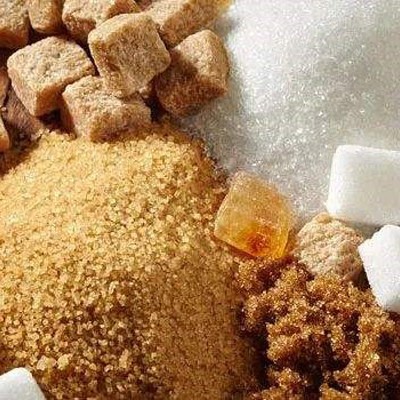
Utilized in sugarcane and sugar beet juice clarification, syrup filtration, and dissolved air flotation (DAF). Promotes rapid precipitation of non-sugar impurities while ensuring high juice clarity and minimal sucrose loss.
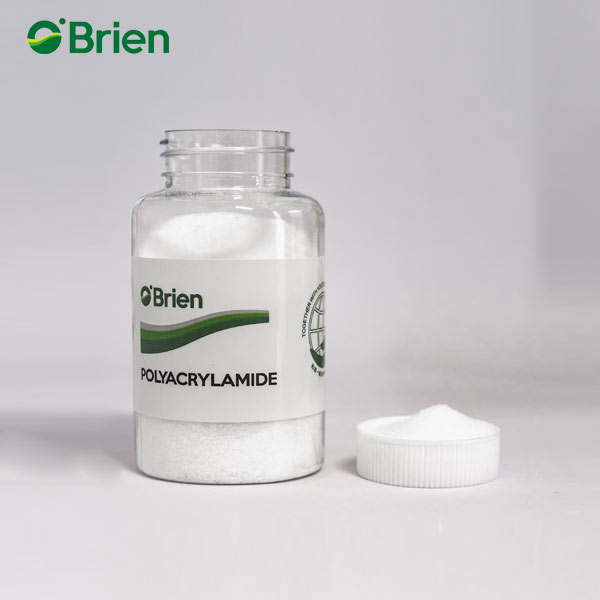
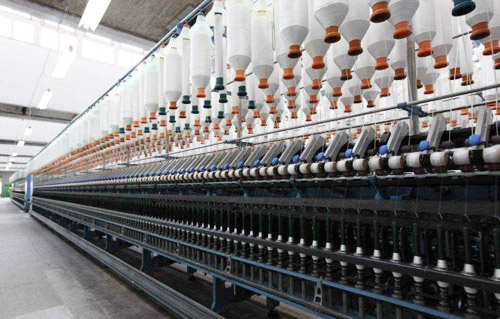
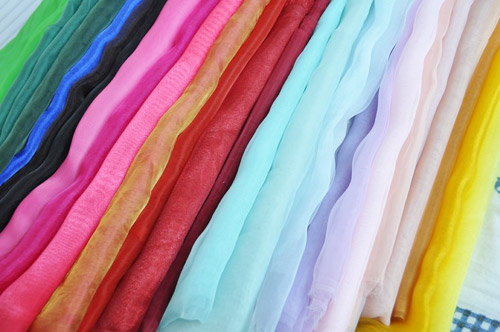
Functions as a warp sizing agent, finishing auxiliary, and potent decolorizing flocculant. Effectively removes reactive and disperse dyes from complex dyehouse effluents, reducing chemical oxygen demand (COD) and turbidity.

Four structural pillars defining our competitive edge as China's premier cationic polyacrylamide manufacturer.
Qingdao OUBO Chemical Co., Ltd leads the global polymer industry by utilizing advanced biological enzymatic methods for acrylamide production. Backed by proprietary patents and annual technical investments exceeding €2 million, we continuous build deeper process advantages.
Our global supply chain works alongside top raw material producers such as SINOPEC and Eni. Operating automated production lines certified to ISO9001 standards, our dedicated QC team tests every batch 3 times prior to global dispatch.
With over a decade of concentrated polyacrylamide manufacturing expertise, we offer high-tier consistency at highly competitive prices. Our technical engineers directly engage across pre-sales, lab testing, dosage tuning, and post-sales support.
Selecting the optimal cationic charge density and molecular weight is essential to prevent over-dosing. Our laboratory team performs custom Jar Testing with your site effluent samples to ensure exact chemical matching and lowest total cost of ownership.
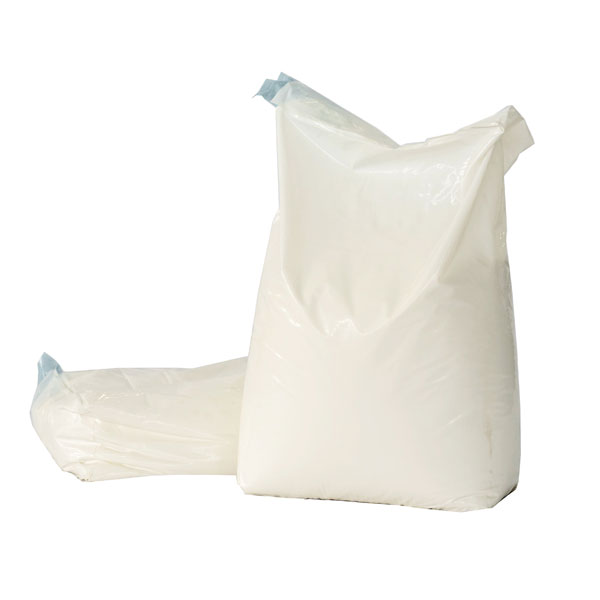
Secure, moisture-proof, and palletized packaging engineered for international ocean freight and extended storage durability.
Blank Kraft Bag (25kg)
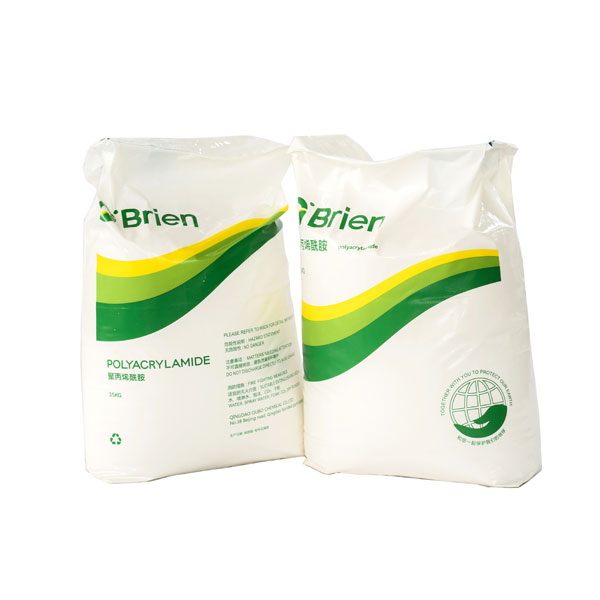
Standard Branded Packaging
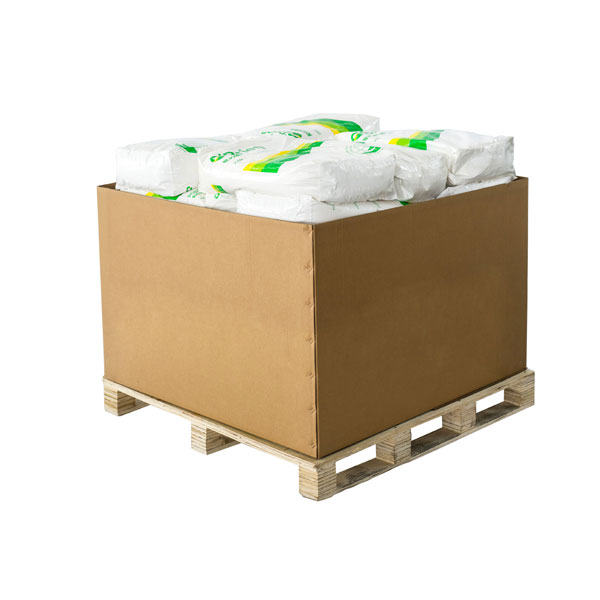
Jumbo Bulk Bag (750kg/1000kg)
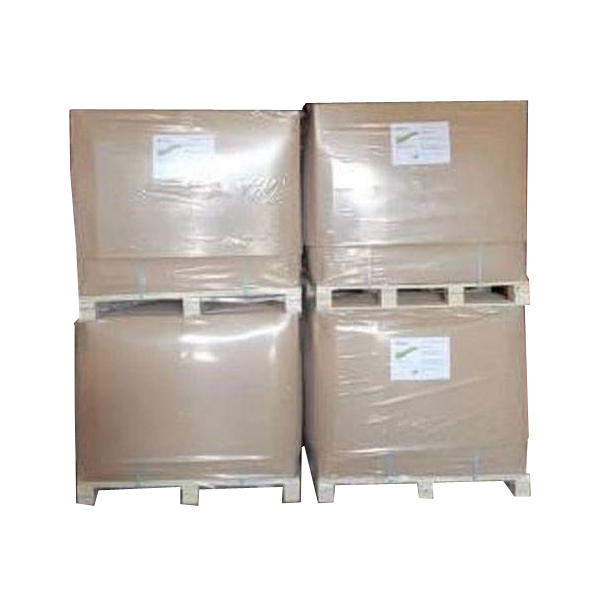
Shrink-Wrapped Palletized Cargo
All powder products are sealed in double-layer inner PE bags enclosed within multi-ply kraft paper or woven polypropylene outer bags, preserving zero moisture absorption across long-distance sea transit.
Driving next-generation chemical engineering through decarbonization, bio-monomers, and digital dosage intelligence.
Achieving 100% bio-enzymatic transformation for all acrylamide precursors, eliminating toxic side-chain residuals and reducing operational carbon footprint by 22%.
Formulating cationic polymer solutions compliant with ultra-strict potable water and food-contact standards globally, setting a new benchmark for residual safety.
Expanding fast-dissolving micro-emulsion cationic polymers with instant inversion kinetics for automated dosing skid integration in modern smart WWTPs.
Pioneering fully biodegradable polyacrylamide matrixes capable of environmental degradation without residual micro-plastic persistence post-sludge land application.
Expert insights on Cationic Polyacrylamide selection, preparation, and operational optimization.
Selection depends on the organic content and Zeta potential of the suspended solids. Generally, biological municipal sludge with high organic content (volatile solids > 60%) requires medium-to-high charge cationic polyacrylamide (30% – 60% CD). Primary or inorganic slurries require lower charge density (10% – 20% CD). Conducting a Jar Test is strongly recommended for exact optimization.
Dry powder cationic PAM should be dissolved at a concentration of 0.1% to 0.3% (w/v) using clean, non-alkaline water. The dissolution water temperature should ideally be between 20°C and 40°C. Mechanical stirring speed should be maintained between 200 and 400 RPM to prevent polymer backbone shear degradation.
Dry polymer powder maintains optimal activity for up to 24 months when stored in original unopened packaging in a cool, dry, well-ventilated environment away from direct sunlight and humidity. Once diluted into an aqueous working solution, it should be consumed within 24 to 48 hours to prevent loss of viscosity due to hydrolysis.
Oubo operates automated bio-polymerization lines backed by ISO 9001 certified QC protocols. Every batch undergoes triple laboratory verification analyzing solid content, degree of cationicity, intrinsic viscosity, free acrylamide residual levels, and dissolution rate before receiving factory release clearance.
Yes. In complex wastewater treatment systems, combining inorganic coagulants (such as Polyaluminum Chloride/PAC or Ferric Sulfate) with CPAM often produces synergistic results. The inorganic coagulant is added first to neutralize colloidal charge and form micro-flocs, followed by CPAM to bridge micro-flocs into large, fast-settling macro-flocs.
Complete specialized product portfolio for mining, papermaking, textile, and municipal dewatering applications.
 Oubo Chemical