High-molecular weight synthetic polymers engineered for high-performance municipal, industrial, mining, and agricultural solid-liquid separation processes.
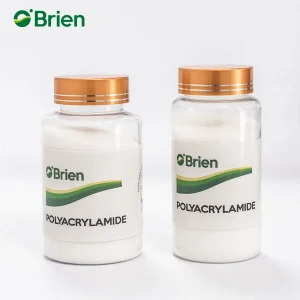
Established in 2011 within the Qingdao Free Trade Zone, China, Qingdao Oubo Chemical Co., Ltd. stands as a premier global chemical synthesizer specializing in high-purity Polyacrylamide (PAM) agents.
Oubo Chemical Co., Ltd was established in 2011, located in the Free Trade Zone of Qingdao, China. The Quality Control (QC) system of O'Brien is strict and comprehensive. Over the past decade, our annual business growth rate has maintained a steady 10% trajectory. Qingdao Oubo Chemical Co., Ltd is deeply committed to quality, operational service, and actively minimizes environmental impacts during chemical synthesis and site application.
Oubo specializes in manufacturing and supplying Cationic Polyacrylamide (CPAM), Anionic Polyacrylamide (APAM), and Nonionic Polyacrylamide (NPAM). We utilize state-of-the-art fully automated equipment and employ professional technical staff, guaranteeing that every chemical delivery adheres to international standards. Having surpassed an annual capacity of 50,000 Tons, our quality management system is fully certified under ISO 9001:2008. We proudly stand behind our chemical performance across global markets.
Understanding Polyacrylamide (PAM) Chemistry, Molecular Mechanics, and Ionic Classification for Targeted Industrial Optimization.
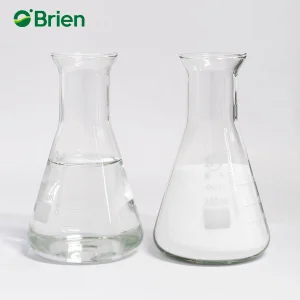
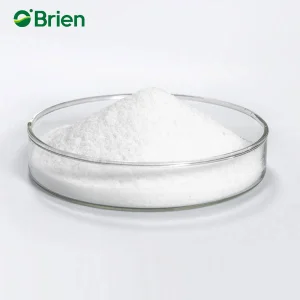
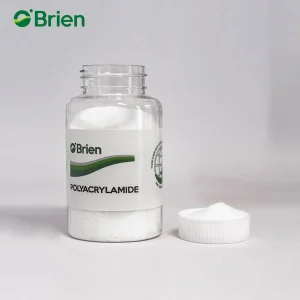
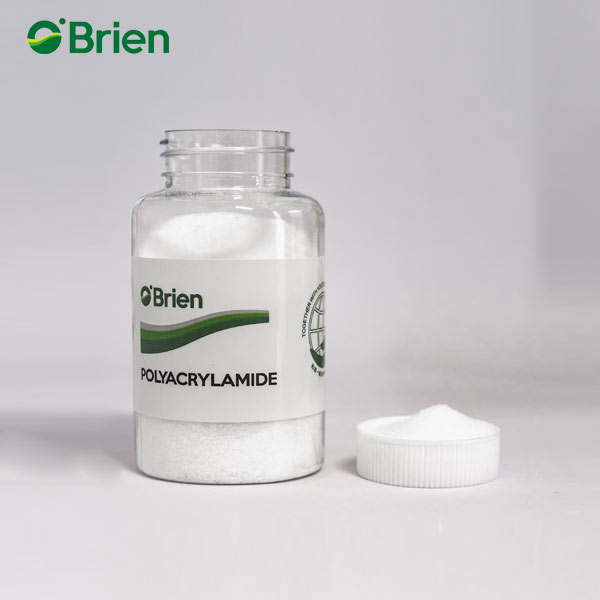
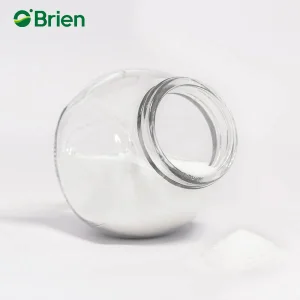
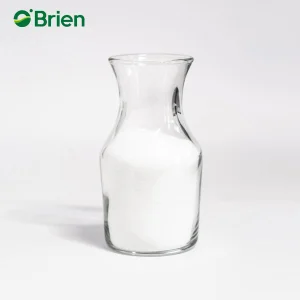
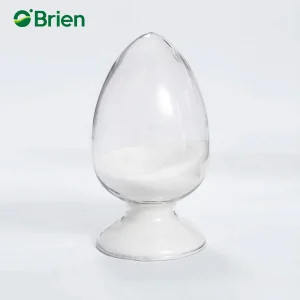
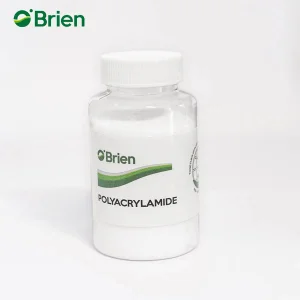
Polyacrylamide (CAS 9003-05-8) is a synthetic resin prepared by polymerizing acrylamide monomers (-CH2CHCONH2-). It is a white, solid, highly water-soluble polymer utilized primarily as a flocculant, coagulant, rheology modifier, and filtration aid. The effectiveness of PAM in separating solids from liquid suspension depends heavily on its physical state (dry powder, emulsion, or liquid), molecular weight (MW ranging from 3 Million to over 25 Million Daltons), and ionic charge distribution (Nonionic, Anionic, Cationic, and Amphoteric/Mannich formulations).
In modern industrial applications, PAM acts as a molecular bridge. When added to colloidal suspensions, the long macromolecular chains absorb onto the surface of suspended solid particles. By neutralizing surface charges and establishing polymer bridges between neighboring particles, PAM accelerates agglomeration into dense flocs, dramatically hastening gravity settling, flotation, and mechanical sludge dewatering.
| Polymer Type | Ionic Charge Range | Molecular Weight (Million Da) | Primary Mechanism | Target Applications |
|---|---|---|---|---|
| Anionic PAM (APAM) | 10% - 60% Carboxyl | 8.0 - 25.0 High/Ultra-High | Charge Patching & Polymer Bridging | Municipal Water, Mineral Processing, Paper Strength, Sand Washing |
| Cationic PAM (CPAM) | 5% - 80% Amine Group | 5.0 - 14.0 Medium/High | Charge Neutralization & Adsorption | Sludge Dewatering, Textile Effluent, Biological Sewage Treatment |
| Nonionic PAM (NPAM) | Neutral (<1%) | 3.0 - 15.0 Medium | Hydrogen Bonding Mechanism | Acidic Wastewater, Soil Conditioning, Oilfield Drilling Additive |
The global demand for high-grade flocculant agents is accelerating rapidly, driven by stringent environmental regulations such as the US EPA Clean Water Act, European Union Water Framework Directive, and China’s Environmental Protection Law mandating "Zero Liquid Discharge" (ZLD) for heavy industries. Globally, the industrial wastewater treatment and municipal sewage sector account for over 45% of total polyacrylamide consumption. Furthermore, advanced Enhanced Oil Recovery (EOR) initiatives across North America and the Middle East, along with green paper making and mineral tailing management in South America and Australia, rely on stable, high-purity supply chains originating from top-tier Chinese chemical production clusters.
Oubo Chemical PAM products provide customized solutions engineered for specific chemical matrix challenges across global sectors.
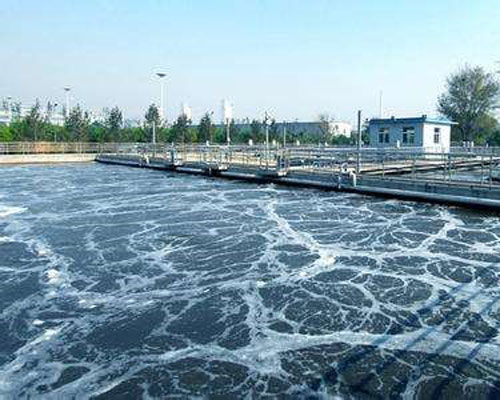
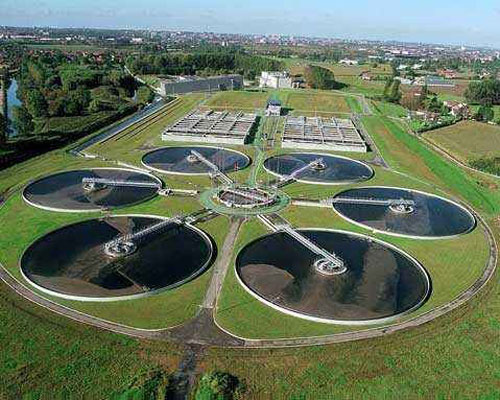
As a specialized flocculating agent, PAM is crucial in solid-liquid separation including sedimentation, clarification, concentration, and sludge dewatering. Essential for municipal sewage and industrial wastewater treatment (leather, paper, citric acid, vegetable extraction, pharmaceutical, and dyeing effluent).
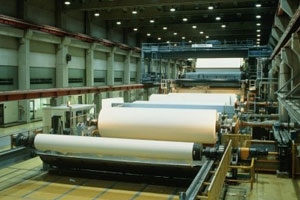
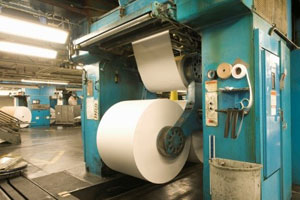
Functions as dry/wet strength agents, retention aids, and filter aids. Enhances sheet physical strength, reduces fiber loss, improves white water treatment, and acts as an efficient deinking flocculant and anionic trash catcher.
Widely applied in oil recovery, profile control, plugging agents, hydraulic fracturing, and drilling fluid additives. Serves as a viscosifier, shale inhibitor, fluid loss reducer, and drill string lubricant.

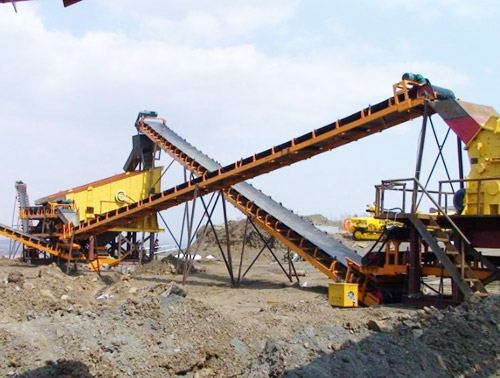
Accelerates mineral-ore separation, coal washing tailings clarification, and solid-liquid filtration for gold, silver, iron, copper, and nickel extraction. Seals mining pipes and stabilizes tailings dams.

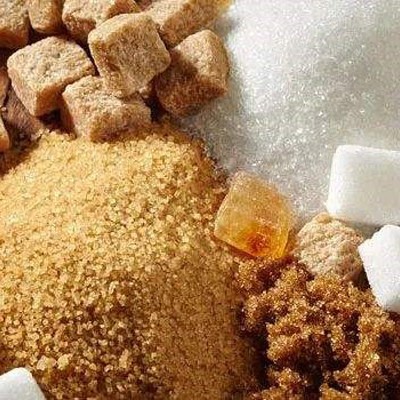
Specially formulated food-grade cationic and anionic flocculants used in sugarcane juice clarification, syrup filtration, and flotation processes to remove insoluble impurities rapidly.
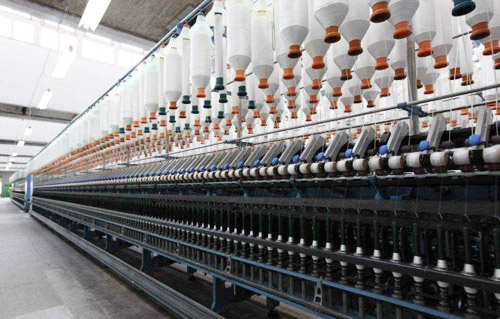
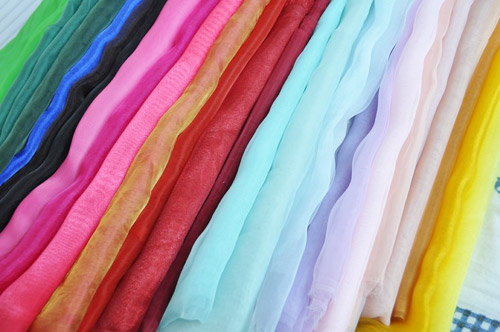
Acts as a high-efficiency textile sizing agent, finishing auxiliary, and fabric treatment chemical. Superior performance in decolorizing high-COD dyeing wastewater.
China Chemical Manufacturing Advantage: Unmatched Scale, Technological Innovation, and Rigorous Quality Control.
Qingdao OUBO Chemical Co., Ltd is a world-leading polyacrylamide manufacturer. We utilize patented biological methods to synthesize acrylamide monomers, reinvesting over €2 million annually into R&D to continuously advance technical innovation.
Integrated global supply chain partnerships. Monomer raw materials are sourced from world-class chemical giants including SINOPEC and Eni. Fully automated lines comply with ISO9001, with every batch tested 3 times by our dedicated QC team before dispatch.
Over a decade of deep chemical synthesis specialization, ensuring superior product consistency at competitive factory-direct pricing. Our engineering team assists buyers across pre-sales jar testing, formulation, and post-sales installation.
Our dedicated chemical application lab supports clients with precise polymer selection, dosage optimization, and laboratory dissolution matching tailored specifically to your effluent pH, salinity, and solids concentration.
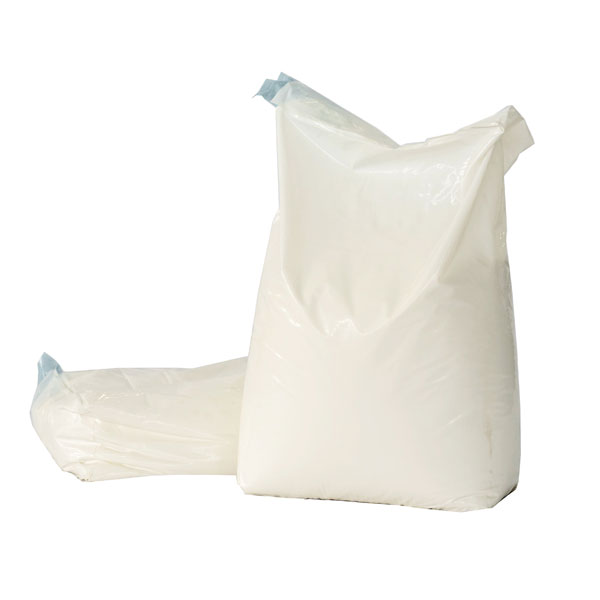
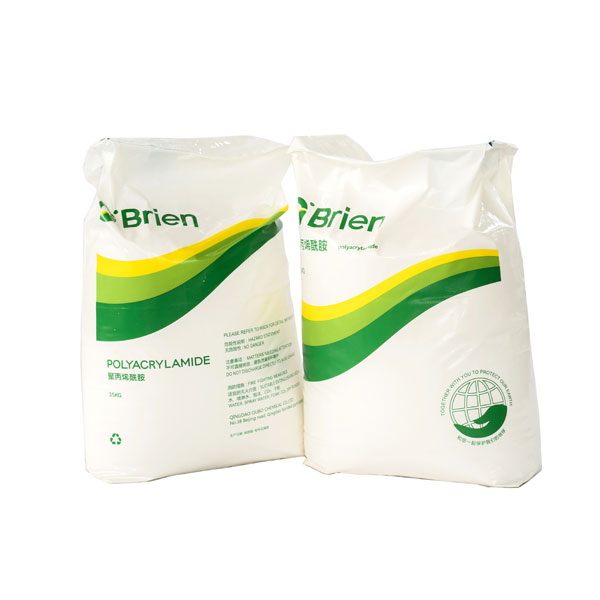
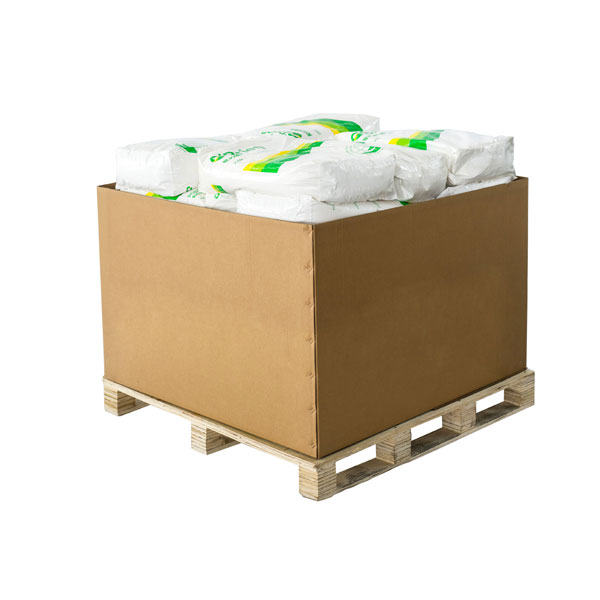
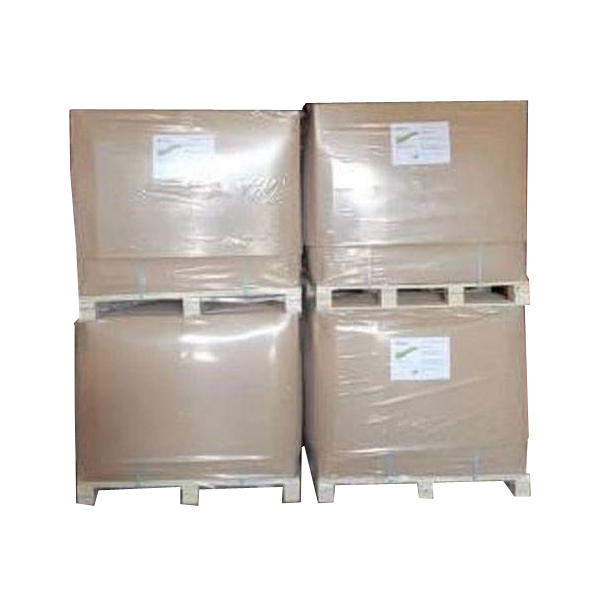
Moisture-proof, reinforced packaging compliant with international maritime transport regulations (Qingdao Port Direct Departure).
To achieve maximum molecular unfolding and avoid shear degradation, follow Oubo's standard engineering guidelines.
Polyacrylamide dry powder should normally be prepared into a 0.1% to 0.3% aqueous solution. Water temperature should ideally be between 20°C and 40°C. Avoid utilizing water hotter than 60°C to prevent polymer chain thermal degradation.
Powder must be sprinkled slowly into a vortex created by low-shear mechanical agitators (200-400 RPM). Rapid dumping causes un-dissolved polymer lumps ("fish eyes") which reduce chemical efficiency and clog filter presses.
APAM and NPAM solutions remain stable for up to 5-7 days; CPAM solutions degrade faster and should be used within 24-48 hours. Store dry powder in cool, dry, ventilated warehouses isolated from atmospheric moisture.
Addressing key technical and procurement considerations for international chemical buyers and plant engineers.
Explore our full line of specialized nonionic, cationic, and anionic flocculants engineered for pulp, oilfield, and severe industrial effluents.
 Oubo Chemical