China Ferric Chloride Flocculant Supplier & Factories

Industrial White Paper & Global Supply Engineering: High-Purity Ferric Chloride Coagulants and Advanced Polyacrylamide (PAM) Dual-Treatment Solutions

Featured Core Solutions

Primary Coagulants & Flocculants Portfolio

Engineered Synthetic Polymers and Inorganic Coagulants for Global Industrial Water Treatment
Wholesale PAM Anionic Polyacrylamide Manufacturer, Suppliers

Wholesale PAM Anionic Polyacrylamide Manufacturer, Suppliers

View Technical Specs
Wholesale Cationic Polyacrylamide Powder for Wastewater Treatment

Wholesale Cationic Polyacrylamide Powder for Municipal & Industrial Wastewater Treatment

View Technical Specs
Wholesale Anionic Polyacrylamide for Sewage Treatment

Wholesale Anionic Polyacrylamide (APAM) for Municipal Sewage & Sludge Dewatering

View Technical Specs
Wholesale Cationic Polyacrylamide Flocculant for Textile Wastewater

Wholesale Cationic Polyacrylamide (CAS 9003-05-8) Flocculant for Textile & Dyeing

View Technical Specs
China Nonionic Polyacrylamide PAM Thickener Oilfield Drilling Fluid

China Nonionic Polyacrylamide (PAM) Thickener for Oilfield Drilling Fluid

View Technical Specs
Wholesale Anionic Polyacrylamide Suppliers

Wholesale Anionic Polyacrylamide Manufacturers & Global Export Supplier

View Technical Specs
Wholesale Nonionic Polyacrylamide for Mineral Processing

Wholesale Nonionic Polyacrylamide (NPAM) for Mineral Processing & Metallurgical Ore

View Technical Specs
Wholesale Anionic Polyacrylamide Powder Flocculant Food Processing

Wholesale Anionic Polyacrylamide Powder Flocculant for Food Processing & Sugar

View Technical Specs
Industrial Authority Insight

Global Commercial Landscape: Ferric Chloride & Polymer Dual-System Synthesis

Macro Analysis of Inorganic Coagulants and Organic Polyacrylamide Aggregates in Modern Chemical Infrastructure

In modern industrial wastewater management and municipal effluent purification, charge neutralization and inter-particle bridging form the bedrock of solid-liquid separation science. As a premier China Ferric Chloride Flocculant Supplier & Factory network, industrial facilities are increasingly pivoting toward optimized dual-chemical treatment regimens. Ferric Chloride ($FeCl_3$) serves as an exceptionally efficient primary inorganic coagulant, compressing the electrical double layer of colloidal suspensions, while synthetic polymers like Polyacrylamide (PAM) operate as macro-flocculant bridges to rapidly form dense, rapidly-settling flocs.

The global demand for industrial grade liquid anhydrous and hexahydrate Ferric Chloride alongside bio-catalyzed Polyacrylamide has experienced exponential growth, driven by stringent environmental standards regarding Total Suspended Solids (TSS), Phosphorus removal, heavy metal precipitation, and chemical oxygen demand (COD) reductions. China's chemical manufacturing ecosystem—anchored by specialized industrial hubs in Qingdao—leads the global supply chain in yield volume, purity standards, and cost-effective scaling.

Integrated chemical dosing strategies utilizing ferric-based salts in tandem with tailored ionic polymers (Anionic, Cationic, and Nonionic PAM) yield unprecedented clarity in challenging effluent matrices, reducing chemical sludge volume while optimizing hydraulic throughput in secondary clarifiers, dissolved air flotation (DAF) units, and high-pressure belt press dewatering operations.

Macro Chemical Operational Dynamics

  • Primary Inorganic Coagulation: Rapid hydrolysis of $Fe^{3+}$ ions generates multi-charged polynuclear complexes ($Fe_2(OH)_2^{4+}$, $Fe_3(OH)_4^{5+}$) that destabilize negative colloidal charges.
  • Secondary Organic Flocculation: Ultra-high molecular weight PAM polymers bind destabilized micro-flocs through long-chain loops and tails.
  • Sludge Compressibility Optimization: Inorganic iron matrix provides structural rigidity to dewatered filter cakes, dramatically improving dryness metrics.
  • Supply Chain Security: Qingdao Free Trade Zone logistical nodes guarantee continuous raw material access and international shipping efficiency.
50,000+
Metric Tons Annual Capacity
10%
Consistent YoY Growth
ISO 9001
Quality Management Certified
€200M
Accumulated R&D Investment
Manufacturer E-E-A-T Excellence

Qingdao Oubo Chemical Co., Ltd: Manufacturing Rigor & Proven Track Record

A Decade of Pioneer Production in the Qingdao Free Trade Zone

Oubo Chemical Co., Ltd was established in 2011, strategically situated within the Free Trade Zone of Qingdao, China. The Quality Control (QC) and Quality Assurance system at O'Brien / Oubo is rigorous, strict, and highly comprehensive. Over the past decade, our sustained commercial growth rate has consistently achieved 10% per year. Qingdao Oubo Chemical Co., Ltd is deeply committed to superior product purity, technical field service, and strict compliance with environmental protection standards throughout polymer production and field applications.

Oubo specializes in the synthesis and global distribution of Cationic Polyacrylamide (CPAM), Anionic Polyacrylamide (APAM), and Nonionic Polyacrylamide (NPAM), operating advanced fully-automated manufacturing lines staffed by veteran chemical engineers. Our annual production capacity broken through the milestone of 50,000 Metric Tons in 2018, backed by an officially certified ISO 9001:2008 Quality Management System. We proudly stand behind every chemical batch delivered worldwide.

Why Partner With Oubo Chemical Manufacturing?

Professional Producer

Qingdao OUBO Chemical Co., Ltd is a world-leading polyacrylamide manufacturer. We deploy bio-catalytic enzymatic methods for acrylamide monomer synthesis with proprietary patents applied for. We invest €2 hundred million into continuous R&D for advanced technical accumulation.

Quality Assurance

Robust global supply chain integration. Raw material feedstocks are sourced from top tier global producers such as SINOPEC and Eni. Production lines feature automated PLC control. Every batch undergoes 3-stage QC verification before dispatch.

Specialized & Efficient

Specialized in high-molecular polymer manufacturing for over a decade with exceptional purity and competitive factory pricing. Technical engineers assist clients directly in pre-sales bench testing, product selection, and post-sales optimization.

Technical Support

Our specialized chemical technical team acts as your strategic partner across sales, Jar testing, dosing equipment configuration, and trouble-shooting to guarantee maximum operational efficiency and environmental compliance.

Scientific Fundamentals

Chemical Synergy: Ferric Chloride & Polyacrylamide (PAM) Polymers

Comprehensive Technical Breakdown of Dual Coagulation-Flocculation Mechanisms

1. Ferric Chloride ($FeCl_3$) Hydrolysis Chemistry

When added to raw water or municipal wastewater, Ferric Chloride undergoes rapid multi-stage hydrolysis across a pH range of 4.5 to 11. The trivalent iron ion ($Fe^{3+}$) hydrolyzes to form cationic hydroxo-metal complexes:

Fe³⁺ + H₂O ⇌ Fe(OH)²⁺ + H⁺
Fe(OH)²⁺ + H₂O ⇌ Fe(OH)₂⁺ + H⁺
2Fe³⁺ + 2H₂O ⇌ Fe₂(OH)₂⁴⁺ + 2H⁺
Fe(OH)₂⁺ + H₂O ⇌ Fe(OH)₃ (s) + H⁺

These positive complexes rapidly adsorb onto negatively charged organic matter, silica, and suspended clay particles, reducing the Zeta potential toward zero (isoelectric point) and inducing rapid micro-floc nucleation.

2. Polyacrylamide (PAM) Bridging Mechanism

Polyacrylamide is a high-molecular-weight ($6 \times 10^6$ to $22 \times 10^6$ Daltons) synthetic resin synthesized via acrylamide monomer polymerization. Available in Anionic (APAM), Cationic (CPAM), and Nonionic (NPAM) ionic variations:

  • Charge Neutralization: Cationic polymers bond to negatively charged organic sludge surfaces.
  • Inter-Particle Bridging: Long-chain linear polymer strands absorb multiple micro-flocs created by Ferric Chloride, creating massive, dense macro-flocs.
  • Sweep Flocculation: Entrapment of fine suspended particles within the three-dimensional polymer network.

Technical Specification Benchmarks

Polymer Ionic Type Molecular Weight (Million) Degree of Ionicity (%) Optimal Operational pH Primary Industrial Application
Anionic Polyacrylamide (APAM) 8.0 - 22.0 10 - 60 (Anionic Charge) 7.0 - 14.0 Mineral Processing, Coal Washing, Paper Making, Industrial Effluent
Cationic Polyacrylamide (CPAM) 6.0 - 15.0 5 - 80 (Cationic Charge) 1.0 - 8.0 Municipal Sludge Dewatering, Belt Press, Centrifuge, Dyeing Wastewater
Nonionic Polyacrylamide (NPAM) 5.0 - 12.0 < 5 (Nonionic Charge) 1.0 - 8.0 Acidic Industrial Wastewater, Soil Conditioning, Tailings Dewatering
Ferric Chloride ($FeCl_3$) Coagulant Inorganic Molecular Weight: 162.2 Liquid: 38-42% | Solid: 98% 4.0 - 11.0 Phosphorus Removal, Hydrogen Sulfide Control, Primary Clarification
Macro Industry Solutions

Localized Application Protocols Across Key Sectors

Engineered Dosing Strategies for Water Treatment, Pulp & Paper, Mining, Oilfield, Textile & Sugar Industries

1. Water & Municipal Wastewater Treatment Industry

As a core flocculating agent, Polyacrylamide is widely used in industrial solid-liquid separation processes, including sedimentation, clarification, concentration, and sludge dewatering. Polyacrylamide plays an indispensable role in municipal sewage treatment and industrial effluent management. Increasingly stringent global environmental regulations continue to propel technical advancements in the water treatment industry.

For municipal sewage treatment, CPAM and APAM are extensively applied across leather tanning, paper manufacturing, citric acid processing, vegetable protein extraction, textile dyeing, pharmaceuticals, and incense manufacturing.
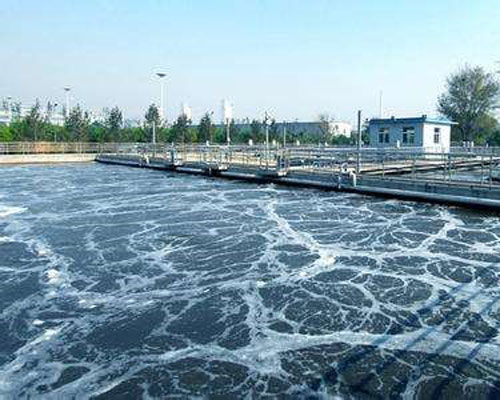
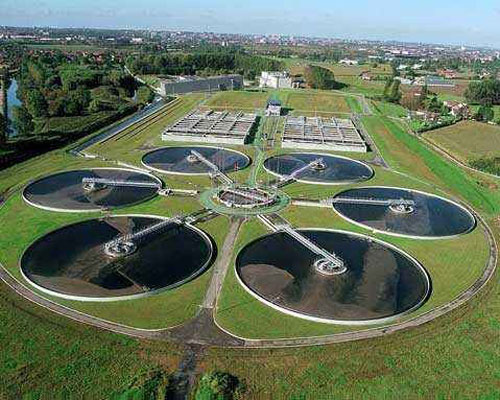
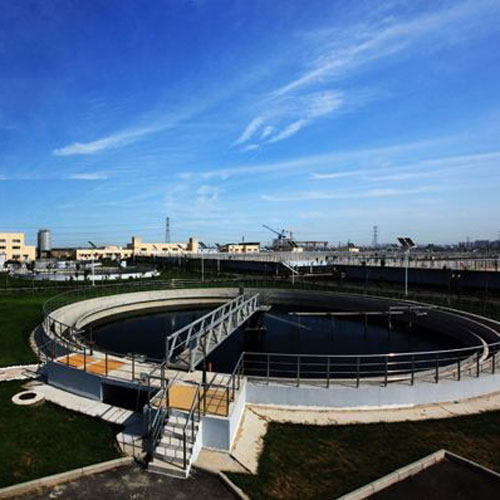
Municipal Wastewater Treatment Facility
Sludge Dewatering Centrifuge System
Industrial Clarifier Settling Tank
Chemical Dosing Station

2. Pulp & Paper Manufacturing Industry

In the paper industry, Polyacrylamide polymers function as high-performance dry strength agents, retention aids, and filter aids. They dramatically improve paper quality, enhance physical sheet strength, reduce fiber loss, and streamline white water clarification while delivering superior flocculation during paper de-inking operations.
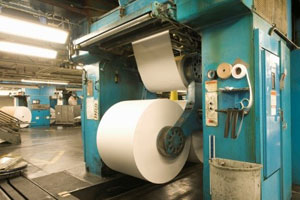
Paper Pulp Machine Production
Paper Fiber Sheet Processing
Paper Mill Water Clarification
  • Paper Retention Agent: Significantly improves short-fiber and filler retention rates, accelerates machine drainage, and reduces raw material consumption costs.
  • Anionic Garbage Capture Agent: Neutralizes anionic trash and organic surface charges on tiny fibers to balance wet-end chemistry and prevent chemical interference.
  • Paper Strength Agent: Fully ionized across the pH spectrum, forming ionic and covalent bonds between amide groups and cellulose fiber hydroxyls to maximize mechanical strength.
  • Paper Dispersant Agent: Promotes uniform fiber dispersion, optimizing sheet appearance, pulp evenness, softness, and tear resistance.

3. Oilfield Extraction & Drilling Engineering

Polyacrylamide polymers are critical additives in petroleum exploration, profile control, fluid-loss control, drilling muds, and hydraulic fracturing operations. PAM reduces drilling fluid loss, controls viscosity, inhibits shale swelling, lubricates bit assemblies, carries rock cuttings, and aids in well cementing.


Oil Drilling Operations
Enhanced Oil Recovery System
Oil Sands Tailings Dewatering
  • • Enhanced Oil Recovery (EOR) Polymer Flooding
  • • Friction Reducers for Hydraulic Fracturing Fluids
  • • Drilling Mud Viscosifiers & Fluid Loss Additives
  • • Oil Sands Flocculation & Tailings Remediation

4. Mining & Metallurgical Processing Industry

In mineral processing, Polyacrylamide isolates mineral fractions from tailings slurry while facilitating recycled process water clarification. Our comprehensive polymer range includes Non-ionic, Anionic, and Cationic polymers spanning variable molecular weights to meet diverse mineral metallurgy requirements.

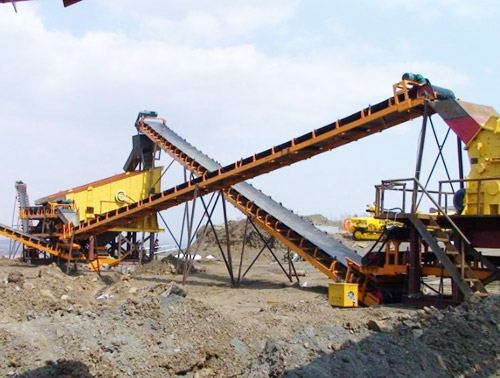
Mining Tailings Settling Pond
Coal Washing Separation Plant
Mineral Ore Thickener Tank
  • • Coal Washing & Tailings Dewatering
  • • Solid-Liquid Separation via Filtration & Centrifugation
  • • Heavy Metal Ore Beneficiation (Gold, Silver, Copper, Iron, Nickel)
  • • Acidic Mineral Tailings Neutralization & Settling

Sugar Industry Applications

Polyacrylamide facilitates rapid juice clarification and flotation during sugarcane and sugar beet processing, accelerating mud settling and yielding higher sucrose purity.
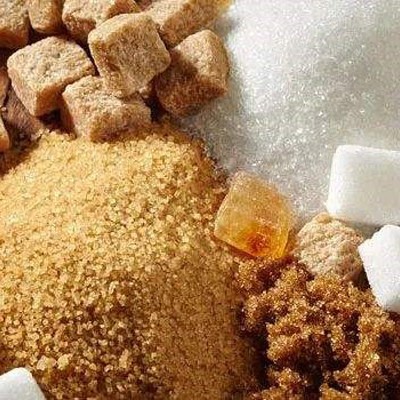
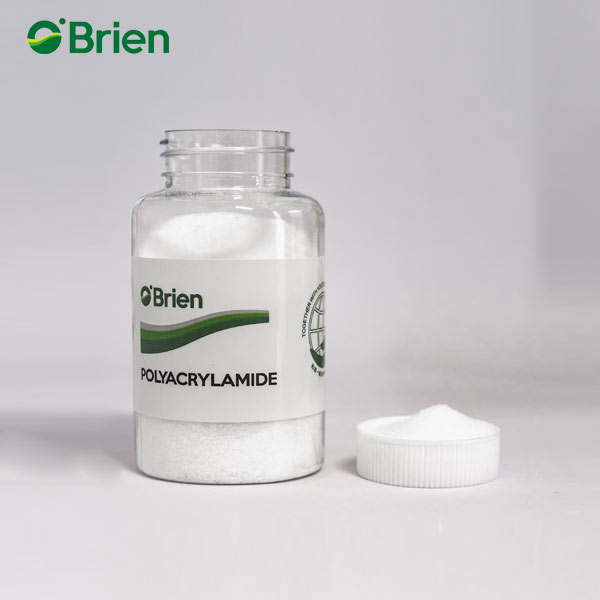
Sugar Cane Processing
Sugar Juice Clarification

Textile & Dyeing Industry

PAM polymers function as textile sizing agents, fabric finishing agents, and treatment additives for high-color dyeing wastewater effluent.
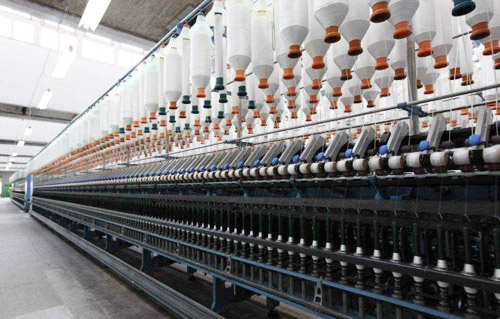
Textile Dyeing Processing
Textile Wastewater Flocculation
Textile Fabric Finishing
Industrial Supply Chain

Export Packaging Options & Global Logistics

Standardized Dry Granule and Liquid Bulk Packaging Solutions for Export Transport
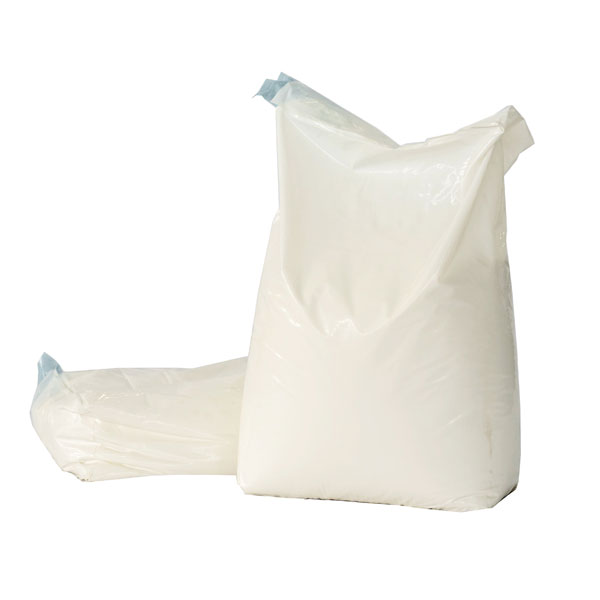
Blank Packaging Bag

Blank-Bag Options

Unbranded neutral 25kg Kraft paper or PE inner-lined bags suitable for OEM distribution.
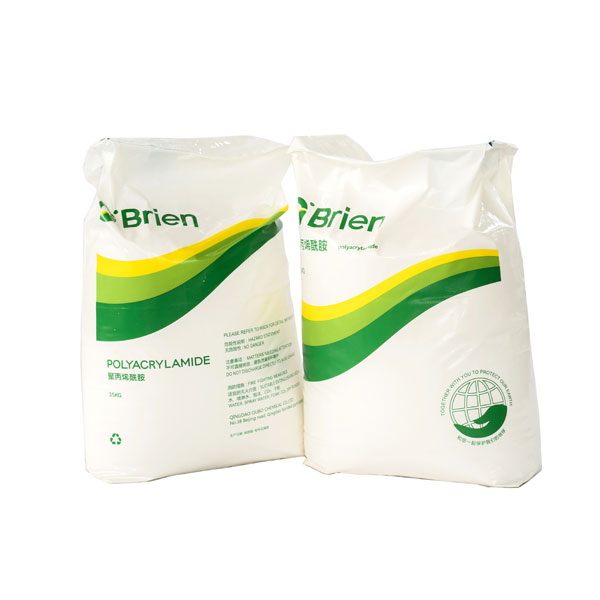
Normal Packaging Bag

Normal-Bag Standard

Standardized export-grade multi-wall bags printed with batch tracking numbers and specs.
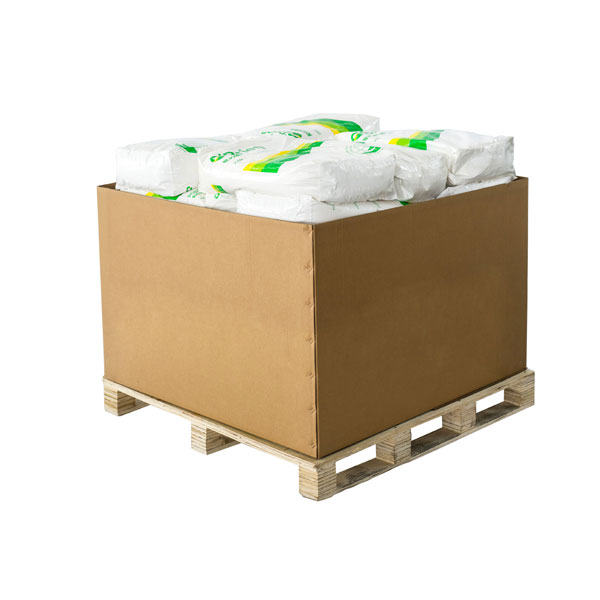
Custom Bulk Package

Jumbo / Super Bags

750kg and 1000kg bulk woven FIBC bags engineered for high-volume automated chemical dosing.
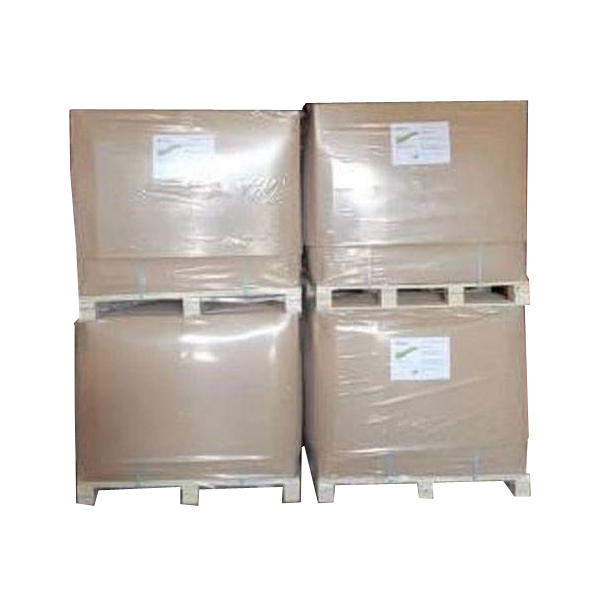
Palletized Cargo Loading

Palletized Load Options

Fumigated heat-treated wooden or plastic pallets securely stretch-wrapped for sea freight container shipping.

Technology Roadmap 2025-2035

Future Trends: Bio-Catalysis & Smart Coagulation Automation

Next-Generation Polymer Chemistries and Real-Time AI Dosing Feedback Loops

1. Low-Carbon Bio-Acrylamide Production

Traditional copper-catalyzed hydration of acrylonitrile is being rapidly replaced by third-generation nitrile hydratase enzyme bio-catalysis. Oubo Chemical’s patented bio-method yields ultra-pure acrylamide monomers with zero toxic byproducts, lower carbon intensity, and high conversion efficiency.

2. AI-Assisted Closed-Loop Dosing

Integration of dynamic optical turbidity sensors, streaming current monitors (SCM), and Zeta potential meters connected to AI algorithms allow plant operators to auto-adjust Ferric Chloride and Polyacrylamide ratios in real time, preventing chemical over-dosing and slashing operating expenditure by up to 25%.

3. Removal of Emerging Contaminants

Co-precipitation of microplastics, per- and polyfluoroalkyl substances (PFAS), and endocrine disruptors requires hybrid ferric oxide micro-structures bound with modified cationic acrylamide polymers. Advanced dual-system chemistry ensures complete compliance with global safe drinking water standards.

Technical Help Desk

Frequently Asked Questions (FAQ)

Expert Guidance on Technical Selection, Dosing Procedures, Storage Stability, and Dual Chemical Compatibility

What is the optimal dosing sequence when using Ferric Chloride with Polyacrylamide?
Always add Ferric Chloride first during a rapid mixing phase (150-300 rpm for 1 to 3 minutes) to ensure complete hydrolysis and colloidal charge destabilization. Subsequently, dose the Polyacrylamide solution downstream into a slow mixing zone (30-50 rpm for 5 to 10 minutes) to allow polymer chains to form macro-flocs without experiencing hydraulic shear degradation.
How do I determine whether to choose Anionic, Cationic, or Nonionic Polyacrylamide?
Selection depends on your wastewater substrate charge. For mineral solids, inorganic clays, and high-alkalinity effluents pre-treated with Ferric Chloride, Anionic PAM (APAM) is generally optimal. For biological municipal sewage sludge and organic-rich waste, Cationic PAM (CPAM) is ideal. Nonionic PAM (NPAM) performs best in highly acidic matrices or complex mineral slurries. Jar testing is mandatory to establish exact ionic charge matching.
Why is dry Polyacrylamide powder dissolved at low concentration (0.1% to 0.3%)?
High molecular weight PAM polymers exhibit severe shear viscosity when hydrated in water. Preparing stock solutions above 0.5% yields gel-like fluids that cannot mix homogenously into wastewater streams. A 0.1%-0.3% concentration allows linear polymer chains to uncoil fully in an aging tank (45-60 minutes mixing) for maximum flocculation efficiency.
What storage precautions are required for Ferric Chloride and Polyacrylamide?
Ferric Chloride liquid is highly corrosive and requires rubber-lined steel, FRP, or HDPE storage vessels with titanium or Hastelloy pumps. Polyacrylamide dry powder must be stored in a cool, dry, ventilated warehouse away from moisture; sealed dry bags maintain a 24-month shelf life. Reconstituted PAM solution should be consumed within 24-48 hours.
How does temperature affect dual coagulant-flocculant performance?
Low water temperatures (<5°C) retard Ferric Chloride hydrolysis kinetics and increase water viscosity, slowing floc settling rates. Polyacrylamide dissolution times also increase in cold water. In winter operations, increasing Ferric Chloride mixing energy and utilizing ultra-high molecular weight PAM compensates for temperature drop.
Does Oubo Chemical provide custom formulation services for specific industrial effluents?
Yes. Our specialized technical engineering team performs comprehensive water analysis, Zeta potential scanning, and custom Jar test trials to formulate customized ionic degree polymers and tailor-made inorganic-organic chemical packages that match client effluent parameters precisely.
Factory Supply Catalog

Complete Polyacrylamide & Coagulant Product Line

Direct Factory Wholesale Solutions from Qingdao Oubo Chemical Co., Ltd
China Nonionic Polyacrylamide Suppliers

China Nonionic Polyacrylamide Manufacturers & Export Suppliers

View Technical Specs
Wholesale Cationic Polyacrylamide Supplier for Sludge Dewatering

Wholesale Cationic Polyacrylamide (CPAM) for Sludge Dewatering & Flocculation

View Technical Specs
China PAM Anionic Polyacrylamide Paper Strength Agent

China PAM Anionic Polyacrylamide Dry & Wet Strength Agent for Paper Industry

View Technical Specs
Wholesale High Molecular Weight Anionic Polyacrylamide Wastewater

Wholesale High Molecular Weight Anionic Polyacrylamide for Petrochemical Effluent

View Technical Specs
China Nonionic Polyacrylamide Flocculant Acidic Industrial Wastewater

China Nonionic Polyacrylamide Flocculant for Acidic Industrial Wastewater

View Technical Specs
China Cationic Polyacrylamide Paper Making Supplier

China Cationic Polyacrylamide Retention & Drainage Aid for Paper Making

View Technical Specs
Wholesale High Molecular Weight Polyacrylamide Coal Washing Tailings

Wholesale High MW Nonionic Polyacrylamide for Coal Washing & Tailings Dewatering

View Technical Specs
China Cationic Polyacrylamide Manufacturer Supplier

China Cationic Polyacrylamide (CPAM) Manufacturer & Direct Factory Supplier

View Technical Specs