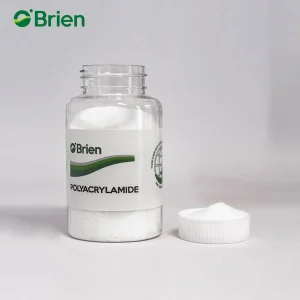
China Drawing Agent Manufacturers & Supplier

Industrial-Grade Polyacrylamide (PAM) Solutions for Advanced Chemical Processing, Water Treatment, and Material Synthesis

Featured Industrial Drawing Agents & Polymers

High-efficiency polyacrylamide formulations engineered for superior performance in drawing, flocculation, retention, and dewatering applications.
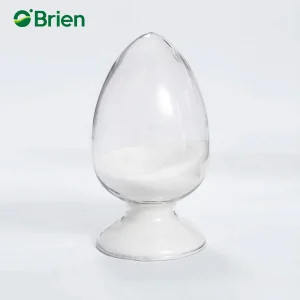
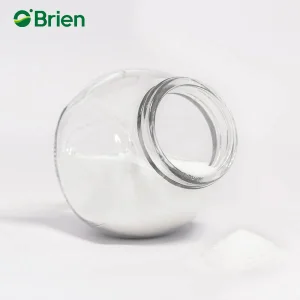
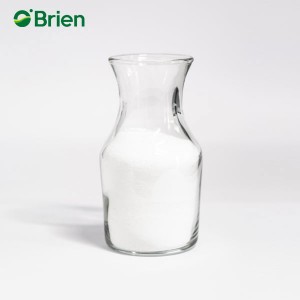
Wholesale Cationic Polyacrylamide Powder
Wholesale Cationic Polyacrylamide Powder for Municipal & Industrial Wastewater Treatment Supplier
View Product Details
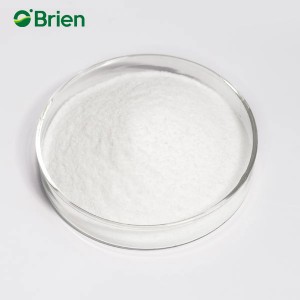
China Cationic Polyacrylamide Manufacturer
China Cationic Polyacrylamide Manufacturer, Supplier
View Product Details
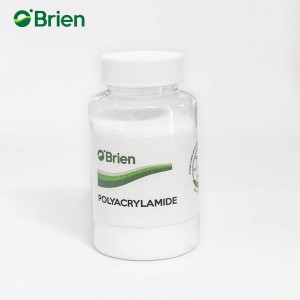
China Nonionic Polyacrylamide Flocculant
China Nonionic Polyacrylamide Flocculant for Acidic Industrial Wastewater Treatment Manufacturers
View Product Details
China PAM Anionic Polyacrylamide Strength Agent
China PAM Anionic Polyacrylamide Dry & Wet Strength Agent for Paper Industry Manufacturers
View Product Details
Wholesale Anionic Polyacrylamide Powder Flocculant
Wholesale Anionic Polyacrylamide Powder Flocculant for Food Processing & Sugar Refining
View Product Details
Cationic Polyacrylamide Flocculant for Textile Wastewater
Wholesale Cationic Polyacrylamide (CAS 9003-05-8) Flocculant for Textile & Dyeing Wastewater
View Product Details
Nonionic Polyacrylamide Thickener for Oilfield
China Nonionic Polyacrylamide (PAM) Thickener for Oilfield Drilling Fluid Manufacturers
View Product Details
China Nonionic Polyacrylamide Suppliers
China Nonionic Polyacrylamide Manufacturers, Supplier
View Product Details

Comprehensive Technical Whitepaper: Advanced Polyacrylamide Drawing Agents

Architectural Chemistry, Macromolecular Synthesis, and Industrial Rheology Optimization from China’s Premier Polymer Manufacturer

In modern industrial manufacturing and chemical engineering, Polyacrylamide (PAM) serves as a pivotal chemical vector functioning as a high-performance chemical drawing agent, rheology modifier, flocculant, and binding matrix. Synthesized via the catalytic polymerization of acrylamide monomers ($C_3H_5NO$), PAM exhibits extraordinary water solubility, molecular weight flexibility, and customizable charge density profiles (Anionic, Cationic, Nonionic, and Amphoteric/Mannich variants).

As leading China Drawing Agent Manufacturers & Suppliers, Qingdao Oubo Chemical Co., Ltd. delivers chemical innovations that optimize shear resistance, enhance film formation, accelerate solid-liquid separation, and elevate paper/textile structural integrity. Operating out of the Free Trade Zone of Qingdao, China, Oubo Chemical bridges advanced biochemical synthesis with scalable industrial logistics to service enterprise operations across North America, Europe, the Middle East, and Asia-Pacific.

50,000+
Annual Metric Tons Capacity
10%+
Annual R&D Growth Rate
ISO 9001
Quality System Certified
3x
Quality Testing per Batch

Strategic Advantage: Why Source Chemical Drawing Agents from China

Integrating Global Feedstock Networks, Bio-Enzymatic Synthesis, and Unrivaled Cost Efficiencies

Patented Bio-Enzymatic Monomer Conversion

Unlike traditional chemical catalysis which introduces metallic impurities (such as copper residue), Oubo Chemical employs patented microbiological enzyme technology for acrylamide monomer synthesis. This produces ultra-pure monomers resulting in higher molecular weight polymers (up to 26 Million Daltons) with exceptionally low residual monomer levels (<0.05%).

Robust Raw Material Integration

Leveraging strategic raw material contracts with global industry giants such as SINOPEC and Eni, our supply chain guarantees immunity against global feedstock price volatility. This ensures consistent pricing, high chemical purity, and uninterrupted production throughput across multi-ton enterprise contracts.

Automated Quality Assurance

Every batch undergoes rigorous 3-tier testing (viscosity calibration, charge density determination, and filtration factor validation) certified under ISO 9001:2008. Automated DCS digital production loops eliminate human error, maintaining precise molecular weight distribution from lot to lot.

Polyacrylamide (PAM) Chemical Classifications & Specifications

Detailed matrix of physical properties, ionic classifications, and functional performance criteria.

Polymer Classification Ionic Charge (%) Molecular Weight (Million Daltons) Solid Content (%) Primary Industrial Functions
Cationic Polyacrylamide (CPAM) 5 - 80 % 6.0 - 15.0 M ≥ 88 % Sludge Dewatering, Textile Wastewater Flocculation, Paper Retention & Drainage Aid
Anionic Polyacrylamide (APAM) 5 - 60 % 8.0 - 26.0 M ≥ 88 % Industrial Flocculation, Oil Recovery (EOR), Coal Washing, Paper Strength & Fiber Drawing Agent
Nonionic Polyacrylamide (NPAM) 0 - 5 % 4.0 - 14.0 M ≥ 88 % Acidic Wastewater Clarification, Mineral Processing Ore Dressing, Soil Conditioning & Lubrication
Mannich Polyacrylamide 20 - 50 % (Amphoteric) 8.0 - 12.0 M ≥ 30 % (Liquid) Complex High-Turbidity Sewage Dewatering, Refinery Sludge Processing, Viscosity Control

About Qingdao Oubo Chemical Co., Ltd.

Oubo Chemical Co., Ltd was established in 2011, which is located in the Free Trade Zone of Qingdao, China. The QC system of O'Brien is strict and comprehensive, in the past 10 years, the business growth rate is 10% per year. Qingdao Oubo Chemical Co, Ltd is highly committed to quality, service, and pays more attention to the influence of the environment during polymer production and application.

Oubo specializes in supplying Cationic Polyacrylamide, Anionic Polyacrylamide, and Nonionic Polyacrylamide. We have advanced equipment and professional staff, which ensure all the products and service to be in good order. The annual capacity of polyacrylamide has broken through 50,000 Tons in 2018, and the quality management system of Oubo has been certified by ISO9001:2008. We proudly stand behind our product.

Scientific Principles of Polyacrylamide

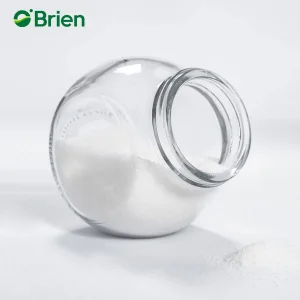
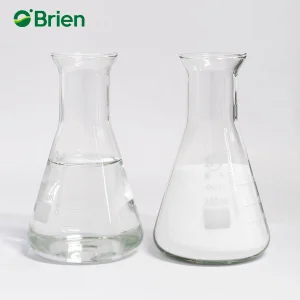
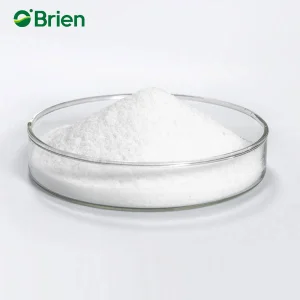
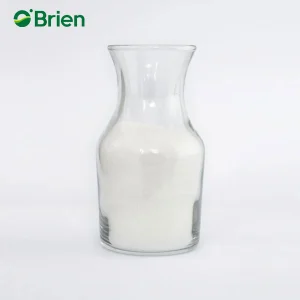
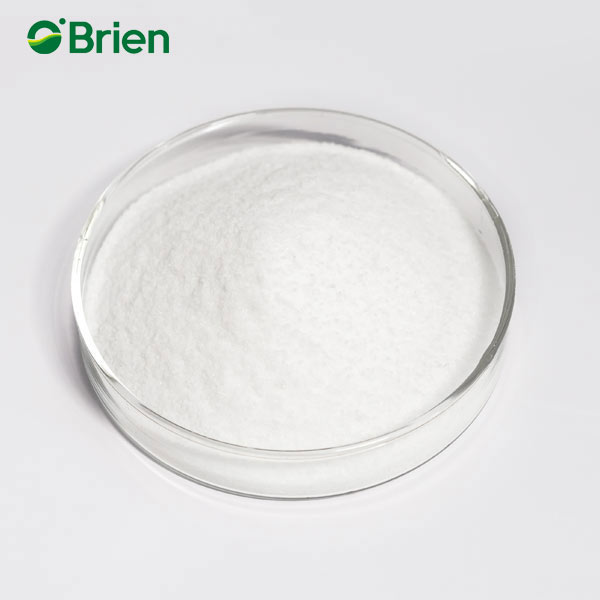
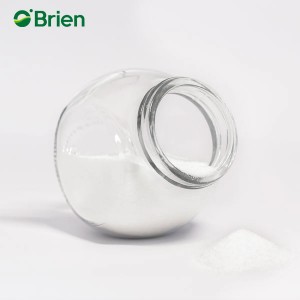
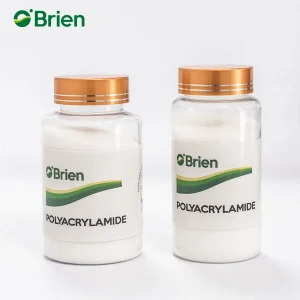
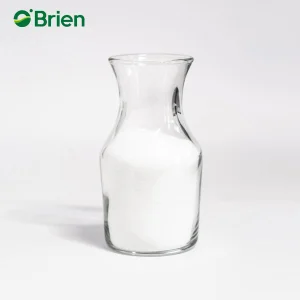
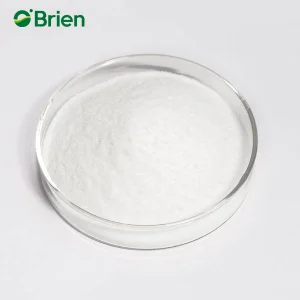
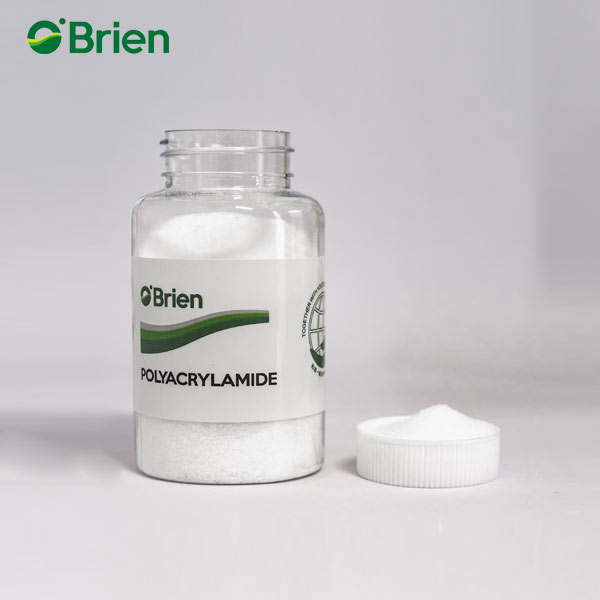
Polyacrylamide (PAM) is a synthetic resin prepared by polymerizing acrylamide. It is a white, solid, water-soluble polymer of acrylamide, mostly used as a flocculant, coagulant, and filtration aid in a whole range of applications that are determined by its physical form and its ionic type (nonionic, anionic, cationic, and Mannich).

It is utilized in secondary oil recovery, as a thickening agent, a flocculant, a synthetic drawing agent, and an absorbent. Moreover, polyacrylamide is also employed to separate macromolecules of different molecular weights in biotechnology and specialized industrial processes.

Macro Industrial Applications & Specialized Solutions

Tailored Polyacrylamide and Drawing Agent chemistries engineered for diverse sector requirements.

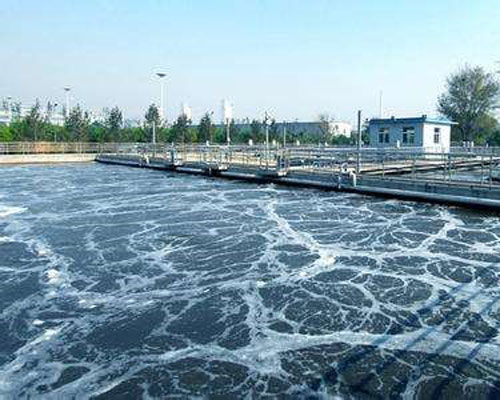
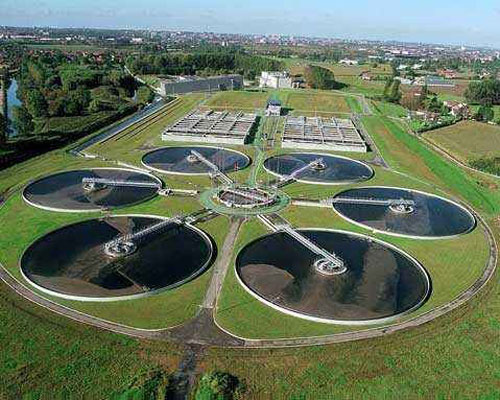
Water & Municipal Sewage Treatment

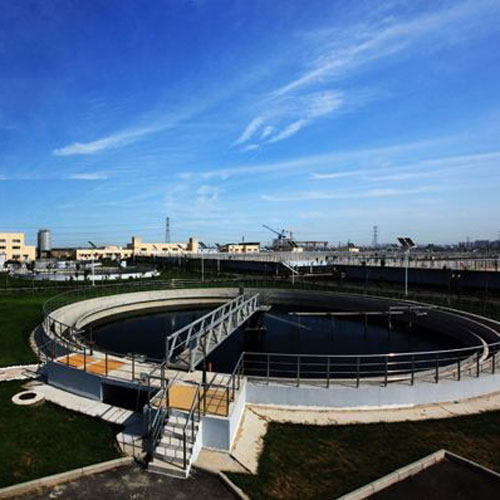
Used as a primary flocculating agent in industrial solid-liquid separation processes including settling, clarification, thickening, and sludge dewatering. Crucial for municipal sewage treatment, tannery waste, paper mills, citric acid plants, vegetable protein extraction, and dyeing facilities. Increasingly stringent global environmental regulations drive the demand for our high-purity flocculants.
Pulp & Paper Manufacturing Industry

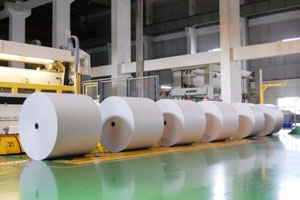
Functions as a superior paper drawing agent, dry/wet strength agent, retention aid, and filtration accelerator. Significantly enhances paper surface smoothness, physical tensile strength, and fiber bonding while minimizing fiber loss in white water loops.
  • Paper Retention Agent: Improves retention rate of short fibers and fillers while boosting dewatering speed.
  • Anionic Garbage Catcher: Neutralizes charge interference from organic trash, stabilizing wet-end chemistry.
  • Paper Strength Agent: Hydroxyl-covalent bonding creates high tensile strength across varying pH environments.
  • Paper Dispersant Agent: Optimizes fiber distribution for enhanced sheet formation, softness, and toughness.

Oilfield & Gas Exploration

Crucial chemical constituent for Enhanced Oil Recovery (EOR), profile control, plugging fluids, slickwater fracturing fluid additives, and high-temperature drilling muds. Provides friction reduction, shale swelling inhibition, wellbore cooling, lubricating properties, and superior cuttings transport.


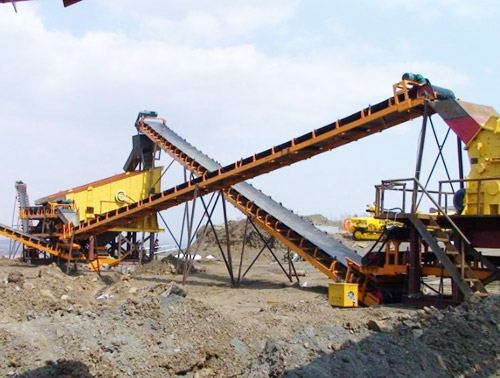
Mining, Mineral Processing & Coal Tailings

Assists in high-density solid-liquid separation via centrifugation and filtration. Formulated for coal washing tailings dewatering, and precious metal recovery (Gold, Silver, Iron, Copper, Nickel, Uranium) to deliver crystal-clear recycled process water.

Textile Fiber Drawing & Sugar Refining

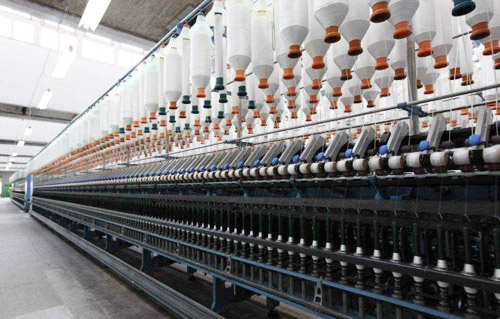
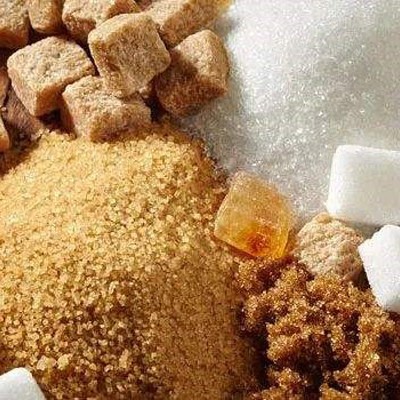
Acts as a warp sizing agent, textile finishing resin, and protective fiber drawing lubricant to minimize thread breakages during high-speed weaving. In the sugar industry, accelerates sugarcane and beet juice clarification and flotation.
Why Choose Oubo Chemical As Your Preferred Supplier

Four Core Pillars of Engineering Excellence and Global Supply Reliability

1. Professional Producer & Patent Holder

Qingdao OUBO Chemical Co., Ltd. is a global leader in Polyacrylamide production. We utilize proprietary biological synthesis methods to produce ultra-pure PAM, backed by multiple patents. We invest over €2 million annually into R&D for continuous technical innovation.

2. Uncompromised Quality Assurance

Integrated global supply chain sourcing raw materials from industry leaders such as SINOPEC and Eni. Our fully automated continuous production lines adhere strictly to ISO9001 standards, with 3 separate QC checks per batch prior to shipment.

3. Specialized & Cost Efficient

Over 10 years of specialized manufacturing experience delivering superior quality at highly competitive factory-direct prices. We provide custom molecular weights and charge densities tailored to client operational setups.

4. Full Lifecycle Technical Support

Our senior chemical application engineers assist across pre-sales jar testing, sample trial optimization, on-site dosing system calibration, and post-sales efficiency monitoring to guarantee optimal chemical dosing economy.

Core Product Lineup & Classifications

Explore our foundational polymer categories engineered for global chemical distribution.
Cationic polyacrylamide
Cationic Polyacrylamide (CPAM)
Anionic Polyacrylamide
Anionic Polyacrylamide (APAM)
Nonionic Polyacrylamide
Nonionic Polyacrylamide (NPAM)
Cationic Polyacrylamide Granules
Cationic Polyacrylamide Flocculant
Anionic Polyacrylamide Powder
Nonionic Polyacrylamide Powder
Nonionic Polyacrylamide Polymer

Industrial Packaging Specifications & Export Logistics

Moisture-proof, standardized, and custom private label packaging solutions designed for global oceanic transport.
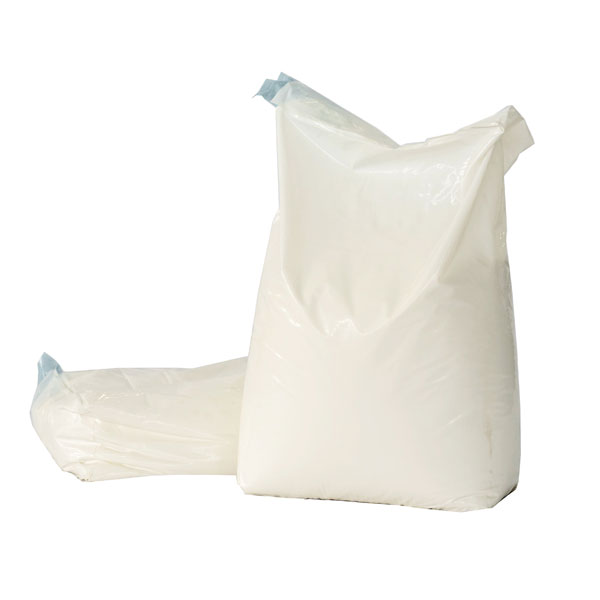
Blank Packaging Bag
Blank Neutral Packaging Bag (25kg Kraft/PE)
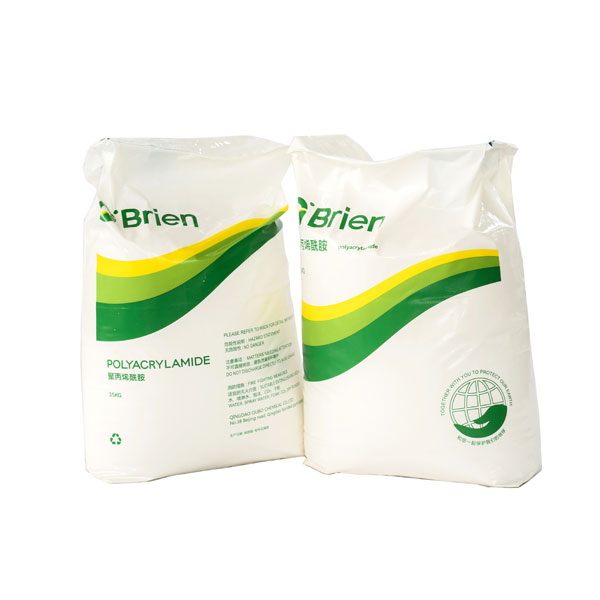
Standard Factory Packaging Bag
Standard Factory Branded Bag (25kg)
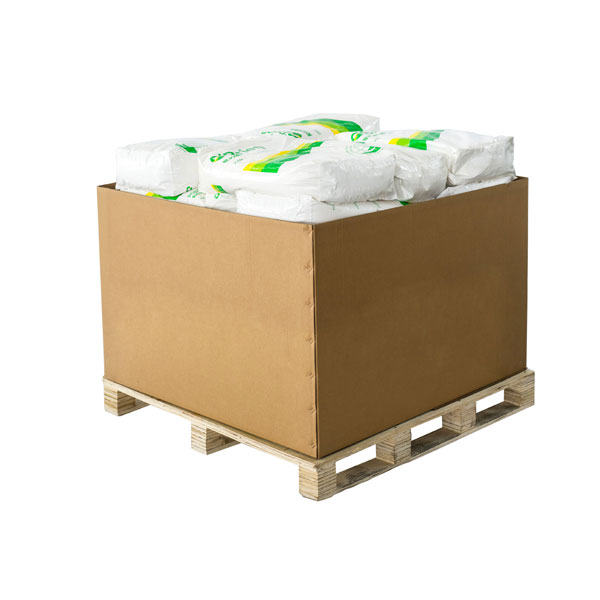
Bulk Container Packaging
Jumbo Bulk Super Sack Packaging (750kg/1000kg)
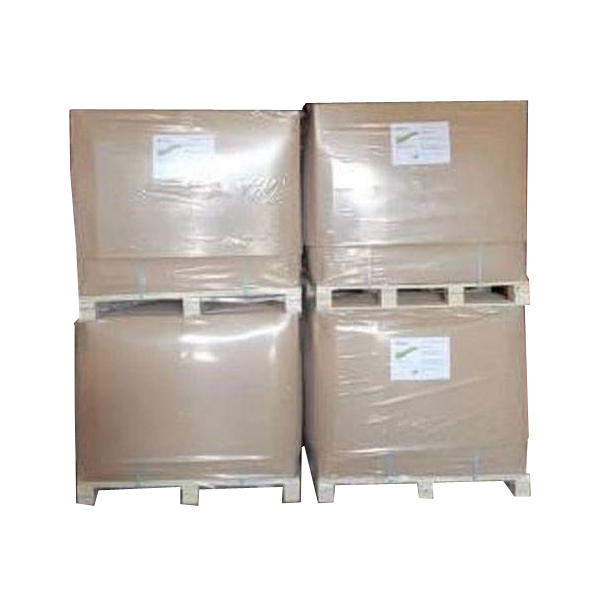
Palletized Export Packaging
Fumigated Palletized Export Wrapper Packaging

Global Procurement Guide & Industry Future Trends

Strategic procurement insights for enterprise buyers and technical decision makers.

Enterprise Sourcing Criteria

When evaluating China Drawing Agent Manufacturers and Polyacrylamide suppliers, purchasing officers must consider key technical parameters beyond basic cost per ton:

  • Dissolution Speed & Insoluble Content: High quality PAM should fully dissolve in under 60 minutes with insolubles < 0.2% to prevent clogging liquid feed lines.
  • Monomer Residual Purity: For paper, food processing, and municipal water applications, acrylamide monomer (AM) residual levels must remain below 0.05% (500 ppm).
  • Shear Stability: High molecular weight polymers used in enhanced oil recovery or high-speed drawing must maintain viscosity under intense shear stress.

Future Industry Trends

The chemical polymer industry is rapidly shifting toward sustainable manufacturing and biological integration:

  • Green Synthesis: Transitioning from chemical catalyst systems to zero-waste enzymatic conversion methods reduces carbon footprints by up to 35%.
  • Smart Automated Dosing: Integration of real-time turbidity and charge-sensing controllers to dynamically optimize polymer dosage in industrial plants.
  • Biodegradable Polymers: R&D efforts focused on modified eco-friendly polyacrylamides to accelerate environmental breakdown after application.

Frequently Asked Questions (FAQ)

Expert insights into product selection, chemistry, dosage, and global procurement logistics.

Q1: How does Polyacrylamide function as a chemical drawing agent in industrial manufacturing?
In synthetic fiber drawing, papermaking, and metal drawing applications, Polyacrylamide (PAM) functions as a rheology modifier and lubricating binder. Its high-molecular-weight polymer chains create a uniform protective film, reducing surface friction, enhancing tensile strength, and preventing filament or sheet breakage during high-speed drawing processes.
Q2: What is the difference between Cationic (CPAM), Anionic (APAM), and Nonionic (NPAM) Polyacrylamide?
The difference lies in charge type and application focus: APAM carries a negative charge, ideal for inorganic solids flocculation, mineral processing, and paper strength enhancement; CPAM carries a positive charge, making it superior for organic sludge dewatering (such as municipal sewage and textile effluent); NPAM carries minimal charge, excelling in acidic wastewater treatment and soil stabilization.
Q3: Why is bio-enzymatic synthesis superior to chemical synthesis for PAM production?
Bio-enzymatic monomer conversion utilizes biological enzymes to convert acrylonitrile into acrylamide monomer. This process operates under mild reaction conditions without copper catalysts, resulting in higher monomer purity, superior polymer molecular weight (up to 26M Daltons), ultra-low residual monomer content (<0.05%), and significantly better water solubility.
Q4: What is the recommended shelf life and storage protocol for dry PAM powder?
Dry Polyacrylamide powder has a shelf life of 24 months when stored in sealed, original packaging in a cool, dry, and ventilated environment. Once dissolved in water, the liquid polymer solution should be consumed within 24–48 hours to prevent viscosity degradation caused by hydrolysis and environmental shear.
Q5: How do I select the proper polymer molecular weight for sludge dewatering?
Selection depends on the dewatering machinery used. Centrifuges require medium-to-high molecular weight Cationic PAM (8M - 12M Daltons) with high shear resistance. Belt filter presses perform best with medium molecular weight CPAM, while plate-and-frame filter presses utilize lower molecular weight polymers with customized charge density. Contact our technical team for custom jar testing.

Complete Polyacrylamide Product Spectrum

Order factory-direct industrial chemicals from Qingdao Oubo Chemical Co., Ltd.
China Cationic Polyacrylamide Paper Making Supplier
China Cationic Polyacrylamide Retention & Drainage Aid for Paper Making Industry Supplier
View Product Details
Wholesale Cationic Polyacrylamide for Sludge Dewatering
Wholesale Cationic Polyacrylamide (CPAM) for Sludge Dewatering & Industrial Wastewater Flocculation
View Product Details
Wholesale PAM Anionic Polyacrylamide Suppliers
Wholesale PAM Anionic Polyacrylamide Manufacturer, Suppliers
View Product Details
Wholesale Anionic Polyacrylamide for Sewage Treatment
Wholesale Anionic Polyacrylamide (APAM) for Municipal Sewage Treatment & Sludge Dewatering
View Product Details
Wholesale High Molecular Weight Polyacrylamide for Coal Washing
Wholesale High Molecular Weight Nonionic Polyacrylamide for Coal Washing & Tailings Dewatering
View Product Details
Wholesale Anionic Polyacrylamide Suppliers
Wholesale Anionic Polyacrylamide Manufacturers, Supplier
View Product Details
Wholesale High Molecular Weight Anionic Polyacrylamide
Wholesale High Molecular Weight Anionic Polyacrylamide for Petrochemical & Metallurgical Wastewater
View Product Details
Wholesale Nonionic Polyacrylamide for Mineral Processing
Wholesale Nonionic Polyacrylamide (NPAM) for Mineral Processing & Metallurgical Ore Dressing
View Product Details