Explore our flagship Polyacrylamide (PAM) formulations engineered for rapid dissolution, precise charge neutralization, and superior dispersion efficiency across diverse chemical applications.
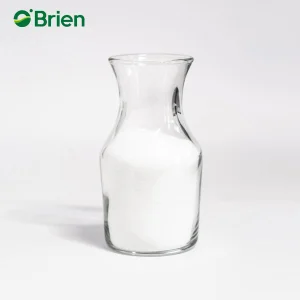
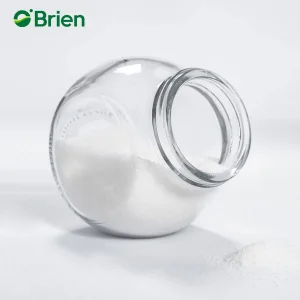
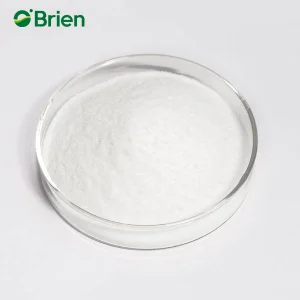
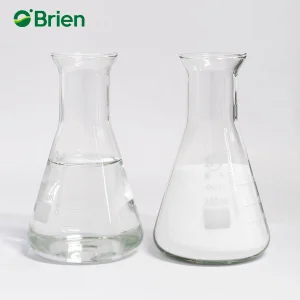
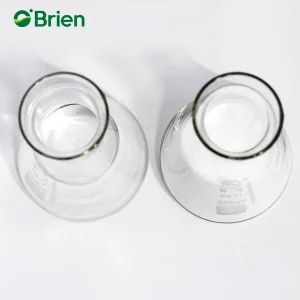
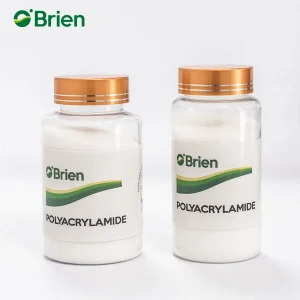
In modern chemical manufacturing and process optimization, a premium Dispersing Agent is essential for controlling interfacial tension, preventing agglomeration, and maintaining long-term colloid stability. Polyacrylamide (PAM)—a synthetic, highly customizable, water-soluble polymer composed of acrylamide subunits—serves dual industrial roles as a powerful dispersing agent and a selective flocculant depending on charge density, molecular weight (MW), and hydrodynamic radius.
Dispersing mechanisms rely on altering the surface electrical potential (Zeta Potential) of suspended particles. Anionic Polyacrylamide (APAM) introduces carboxylic groups ($-\text{COO}^-$) along the polymer backbone, increasing repulsive negative charges on solid surfaces. This electrostatic barrier counters van der Waals attractive forces, enforcing uniform particle distribution across aqueous suspensions.
Nonionic Polyacrylamide (NPAM) utilizes hydrogen bonding between amide groups ($-\text{CONH}_2$) and solid mineral surfaces. The extended polymer chains form a thick steric barrier bathed in tightly bound water molecules. This physical steric barrier prevents particle close contact, crucial in highly acidic, saline, or aggressive chemical environments where electrostatic charges are screened.
| Polymer Type | Ionic Charge Density | Molecular Weight (Million) | Primary Dispersion & Flocculation Function | Target Chemical Applications |
|---|---|---|---|---|
| Anionic PAM (APAM) | 5% - 80% Negative | 6 - 25 Million | Electrostatic dispersion, pulp fiber suspension, mineral clay slurry rheology | Papermaking dispersion, municipal sewage, coal tailings, sugar clarification |
| Cationic PAM (CPAM) | 10% - 80% Positive | 3 - 12 Million | Charge neutralization, hydrophobic sludge dewatering, retention aid | Biological sludge dewatering, paper wet-end retention, dyeing effluent |
| Nonionic PAM (NPAM) | Near 0 (Ultra-low) | 5 - 15 Million | Steric hindrance dispersion, acid-resistant clarification | Acidic wastewater, oilfield drilling fluid viscosity control, ore leaching |
As industrial chemical procurement managers evaluate long-term supply agreements for China Dispersing Agent Manufacturers, Total Cost of Ownership (TCO), product purity, lot-to-lot consistency, and global supply chain resilience take precedence. Operating from the Free Trade Zone of Qingdao, China, Qingdao Oubo Chemical Co., Ltd. leverages premier port logistics and automated synthesis plants to supply worldwide procurement markets.
Unlike traditional chemical synthetic routes, Oubo employs advanced biological enzymatic methods for acrylamide monomer production. This patented process reduces hazardous chemical residues, enhances chain linearity, and guarantees high molecular purity.
To eliminate raw material price volatility and ensure chemical purity, Oubo sources core feedstocks directly from global petrochemical leaders, including SINOPEC and Eni, guaranteeing ultra-low impurity levels in finished polymers.
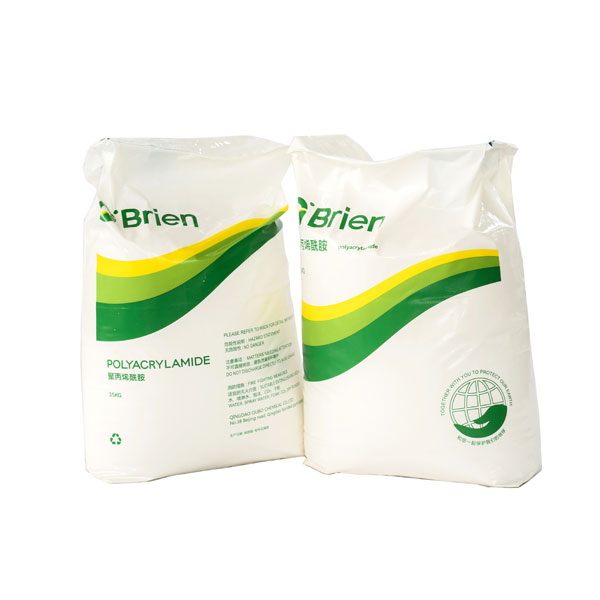
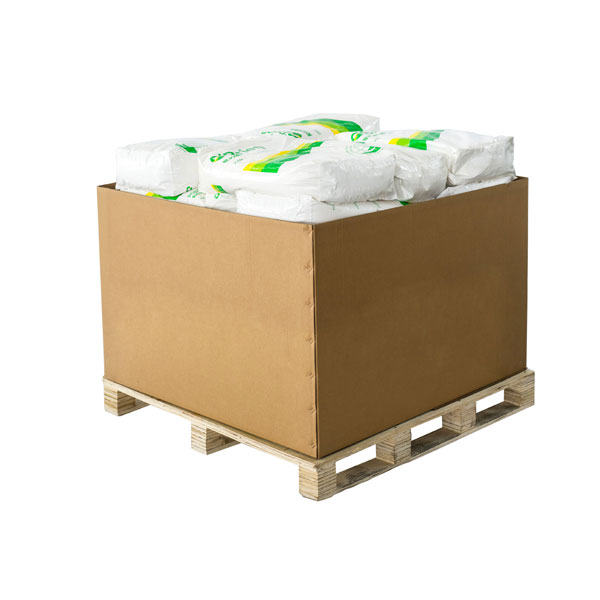
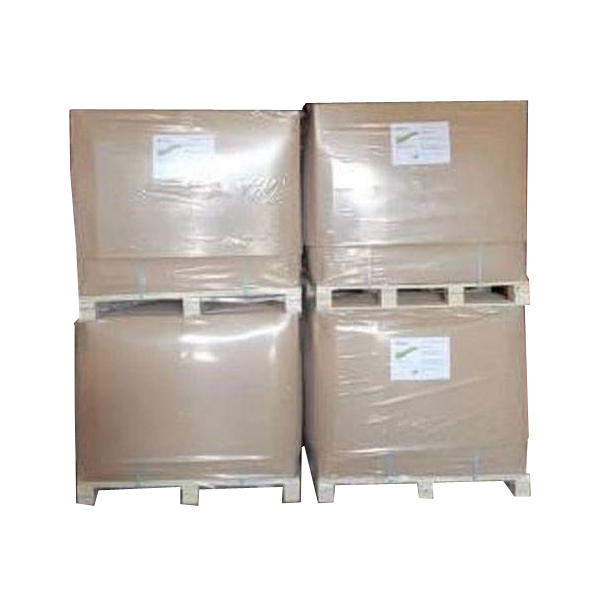
Our direct proximity to Qingdao Port allows streamlined customs clearance, zero-tariff storage benefits, fast-track container vessel shipping, and flexible export packaging (custom palletizing, jumbo bags, and private labeling).
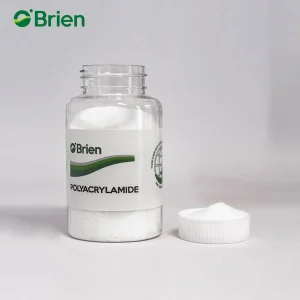
Oubo Chemical’s brand O'brien delivers targeted chemical solutions tailored to demanding industrial applications worldwide. Below are key industrial domain workflows where our Polyacrylamide products act as essential dispersing agents, flocculants, and strength enhancers.
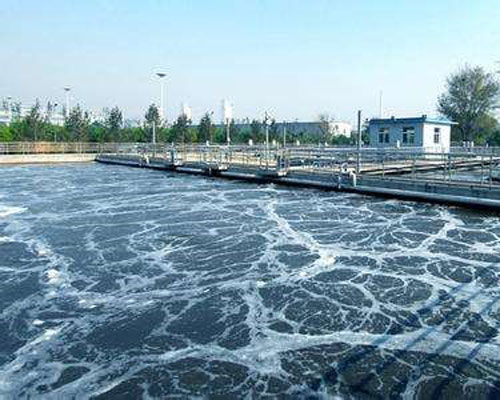
In municipal sewage and heavy industrial effluent treatment, PAM serves as a high-efficiency flocculant and sludge conditioner. By forming dense, fast-settling micro-flocs, it drastically reduces chemical sludge volumes in belt filter presses, centrifuges, and screw presses while satisfying strict environmental discharge standards.
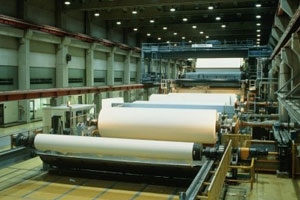
Our specialty anionic dispersing agents prevent paper fiber clumping, promoting uniform sheet formation, softness, and structural smoothness. Concurrently, cationic PAM acts as a retention and drainage aid, catching short fibers and fillers while capturing anionic trash in white-water closed loops.
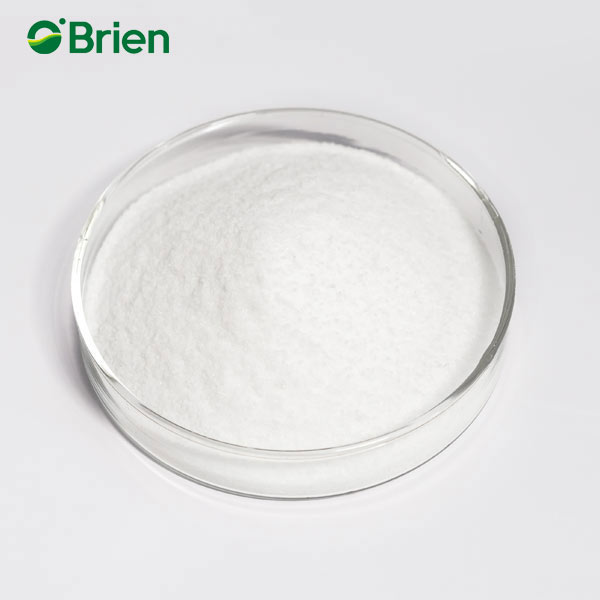
In secondary and tertiary oil recovery, high molecular weight APAM acts as a mobility control agent, increasing water phase viscosity to sweep residual oil reserves. In drilling muds, it functions as a friction reducer, shale inhibitor, and clay dispersant under extreme shear and downhole temperatures.

In coal preparation plants and metallic mining (Copper, Gold, Iron, Nickel), our nonionic and anionic polymer powders accelerate slurry settling in thickeners. They facilitate rapid solid-liquid filtration, clear water reuse, and secure tailing pond dewatering.
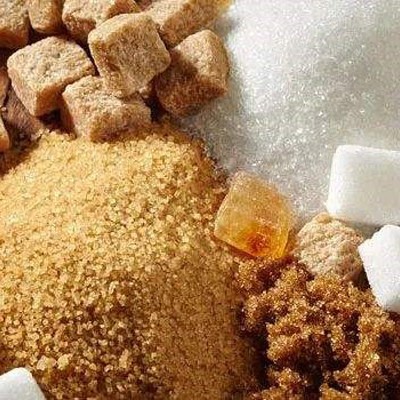
Food-grade anionic PAM polymers promote rapid clarification and flotation during sugarcane and sugar beet juice purification. They precipitate non-sugar organic impurities without compromising sugar purity or leaving harmful chemical residues.
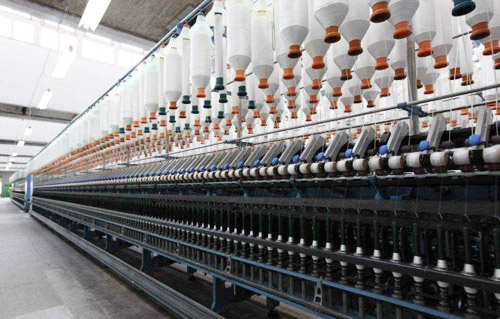
In textile weaving, PAM serves as a smooth chemical sizing agent that improves fabric tensile strength and abrasion resistance. In dye wastewater treatment, cationic formulations neutralize reactive dyes for efficient decolorization.
As global environmental regulations mandate lower chemical eco-toxicity and zero microplastic accumulation, Qingdao Oubo Chemical Co., Ltd. invests over €2.0 million annually in chemical innovation and structural polymer optimization.
Unreacted acrylamide monomer (AMD) is a strictly regulated compound. Oubo's proprietary post-polymerization stripping technology reduces residual free AMD content to under 0.05% (500 ppm), far below standard industry benchmarks. This makes our products ideal for potable water treatment and direct food-contact packaging applications.
Traditional granular PAM requires 45–60 minutes of high-shear agitation to achieve full hydration. Oubo's new liquid emulsion dispersion technology achieves complete molecular uncoiling in under 5 minutes, significantly lowering site energy consumption and equipment wear.
Established in 2011 in the Free Trade Zone of Qingdao, Oubo Chemical operates under a rigorous ISO9001:2008 Quality Management System. Our multi-stage laboratory verification protocol guarantees that every batch meets exact technical specifications prior to export.
Purity testing of monomer feeds via High-Performance Liquid Chromatography (HPLC) prior to reaction vessel charging.
Computerized control of polymerization temperature profiles, redox initiator ratios, and pH levels to maintain precise MW targets.
Every finished lot undergoes 3 independent tests: Viscosity (Brookfield), Hydrolysis Degree, and Solid Content verification.
Our technical service engineers perform custom Jar Tests using customer-provided effluent samples to recommend optimal dosages.
Oubo Chemical offers versatile, moisture-proof export packaging designed to maintain powder stability during oceanic transit and long-term warehouse storage.
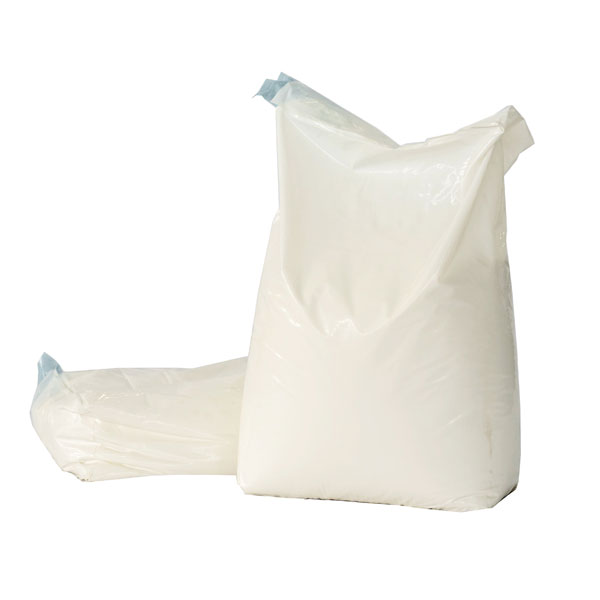
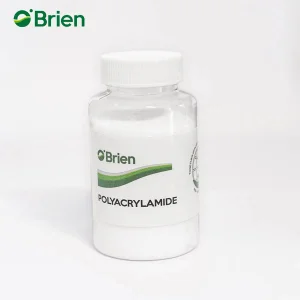
Browse our full range of technical polymer products for water treatment, paper retention, oilfield drilling, and mineral processing.
 Oubo Chemical