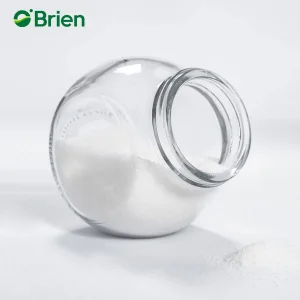
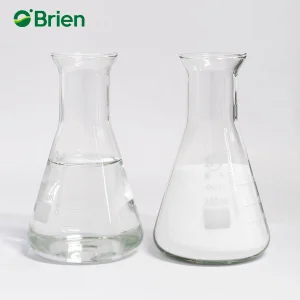
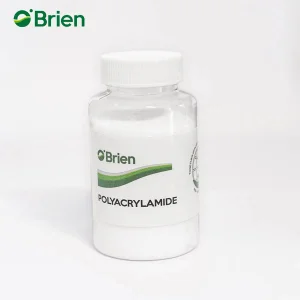
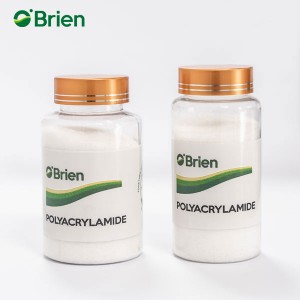
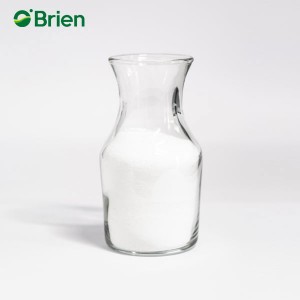
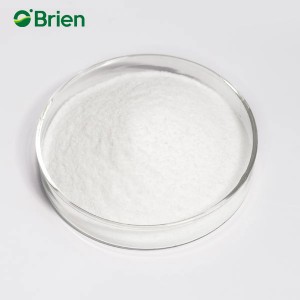
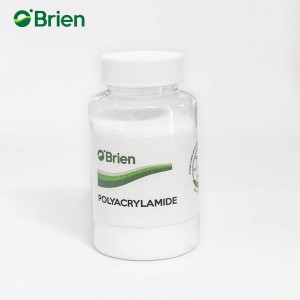
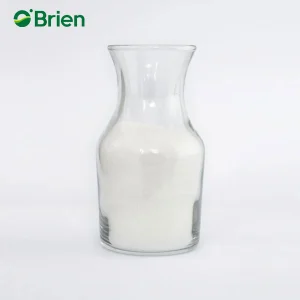
Explore our premium-grade polyacrylamide formulations engineered for municipal and industrial liquid-solid separation.
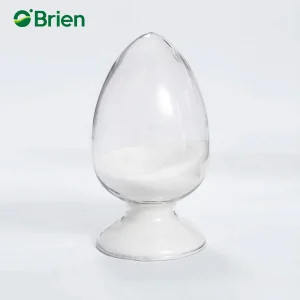
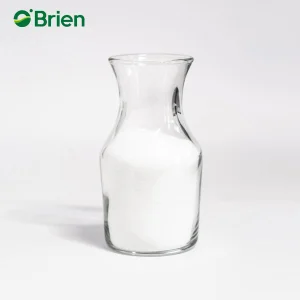
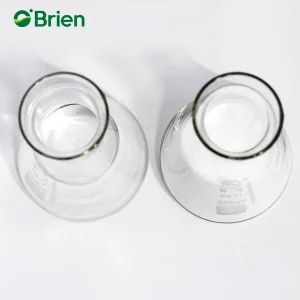
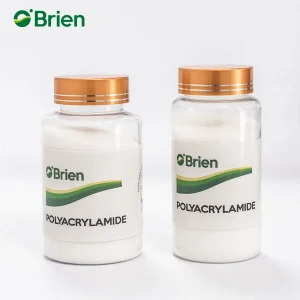
A comprehensive technical evaluation of water-soluble polymers in modern liquid-solid separation processes.
In modern industrial and municipal wastewater management, liquid-solid separation serves as the pivotal stage for environmental compliance, resource recovery, and operational cost containment. As global regulations tighten around Total Suspended Solids (TSS), Chemical Oxygen Demand (COD), and heavy metal concentrations, selecting high-performance chemical conditioning agents has transitioned from an operational necessity to a strategic economic imperative. China has emerged as the global nexus for the synthesis and manufacture of advanced coagulants and synthetic polymeric flocculants, combining raw material scale, advanced bio-catalytic chemical processing, and rigorous quality management systems.
At the center of this industry is Polyacrylamide (PAM)—a water-soluble, synthetic resin prepared through the polymerization of acrylamide monomers. PAM is characterized by its exceptionally high molecular weight, customizable ionic charge density, and structural versatility. Functioning across a broad spectrum of industrial environments, PAM acts as a primary flocculant, coagulant aid, retention aid, and rheology modifier. Depending on the physical form (dry powder, emulsion, or bead) and ionic configuration—specifically Nonionic Polyacrylamide (NPAM), Anionic Polyacrylamide (APAM), and Cationic Polyacrylamide (CPAM)—these polymers address complex colloidal stability problems in diverse industrial waters.
Coagulation is primarily a physical-chemical charge-neutralization phenomenon. Colloidal particles suspended in water possess negative electrical surface charges (zeta potential), causing mutual electrostatic repulsion that prevents aggregation. Primary coagulants—such as inorganic aluminum or iron salts, or low-molecular-weight cationic polymers—compress the electrical double layer, reducing the zeta potential to near zero and enabling micro-floc formation through van der Waals forces.
Flocculation involves high-molecular-weight polymeric bridging and network entrapment. Once micro-flocs are formed, long-chain Polyacrylamide molecules adsorb onto the surface of multiple suspended particles simultaneously. The extended polymer chains form chemical or physical 'bridges' across particle gaps, building large, dense macro-flocs (flocs up to several millimeters in diameter) that rapidly precipitate out of solution or detach during mechanical dewatering.
Evolution from traditional chemical synthesis to green bio-catalysis and smart digital dosing systems.
Traditional acrylamide production relied on copper-catalyzed hydrolysis of acrylonitrile, which left metallic copper residues and produced unwanted organic impurities. Leading Chinese manufacturers, such as Oubo Chemical, utilize third-generation biological enzyme methods (Nitrile Hydratase microbial catalysis). This green chemistry approach operates at ambient temperatures, achieves monomer conversion purity exceeding 99.9%, eliminates copper ions, and yields linear polymer chains with ultra-high molecular weights ($>22 \times 10^6$ Da).
Future development focuses on precise macromolecular control. By modulating copolymerization ratios of acrylamide with functional cationic monomers (e.g., DAC, ADAM-QUAT) or anionic monomers (e.g., acrylic acid, NaAA), laboratories can synthesize hyper-branched polymers, micro-emulsions, and core-shell structures. These tailored architectures exhibit superior shear resistance under high-speed centrifugal dewatering while maintaining rapid hydration kinetics in cold water matrices.
The industry is transitioning toward automated, closed-loop chemical delivery systems. Integrated optical turbidity sensors, real-time Zeta Potential analyzers, and AI-driven predictive algorithms adjust polymer preparation concentration and dosage rates dynamically. This prevents chemical over-dosing, reduces operational expenditure (OPEX) by up to 25%, and minimizes carryover polymer in discharge streams.
| Polymer Type | Ionic Charge Density (%) | Molecular Weight (Million Da) | Dissolution Time (Min) | Primary Industrial Targets |
|---|---|---|---|---|
| Cationic (CPAM) | 5% - 80% (Low to High) | 8.0 - 15.0 | 45 - 60 | Municipal Sludge, Organic Effluents, Paper Retention |
| Anionic (APAM) | 10% - 60% (Medium to High) | 12.0 - 25.0 | 30 - 50 | Mineral Processing, Coal Washing, EOR, Metallurgical Waste |
| Nonionic (NPAM) | < 3% (Neutral) | 6.0 - 12.0 | 60 - 90 | Acidic Wastewater, Soil Conditioning, Textile Sizing |
Tailored polymeric solutions across heavy industry, resource extraction, and public infrastructure.
In municipal sewage plants, biological activated sludge contains negatively charged organic cellular debris. High-charge Cationic PAM effectively neutralizes surface charges, causing rapid cell agglomeration. When processed through decanter centrifuges, belt filter presses, or screw presses, CPAM achieves high cake solids concentration (>22% dry solids) and clear filtrate return.
In Tertiary Oil Recovery (Enhanced Oil Recovery - EOR), ultra-high-molecular-weight Anionic PAM increases injected water viscosity, improving sweep efficiency across heterogeneous reservoir strata. In drilling fluids, PAM acts as a shale inhibitor, viscosifier, and fluid-loss reducer, maintaining borehole stability under extreme downhole temperature and salinity conditions.
Mineral extraction operations rely heavily on APAM and NPAM for solid-liquid separation in thickeners and tailing ponds. In coal washing plants, APAM accelerates fine coal slurry settling, recycling clarified water back to the preparation circuit. In alumina production (Bayer Process) and base metal leaching (Copper, Gold, Uranium), specific polymers enhance filtration rates and decrease tailing volume.
PAM performs multi-functional roles in paper manufacturing. Low-MW cationic polymers serve as anionic trash collectors, while high-MW CPAM/APAM acts as retention and drainage aids. By retaining fine fibers and mineral fillers (TAC/PCC) on the wire mesh, paper strength properties (burst, tensile, and dry strength) increase while fiber loss in white water effluent drops substantially.
Effluents from dyeing facilities contain high color intensity, complex organic dyes, and fluctuating pH levels. Utilizing Cationic Polyacrylamide (CAS 9003-05-8) in conjunction with inorganic coagulants (PFS or PAC) breaks dye emulsions, achieves color removal rates over 95%, and precipitates heavy complexed organics.
In sugar beet and sugarcane processing, Anionic Polyacrylamide clarifies raw juice by precipitating plant insoluble matter and suspended proteins. Food-grade non-toxic PAM products ensure compliance with food contact safety guidelines while improving crystalline sugar yield.
Electroplating, acid-pickling steel mills, and chemical processing generate highly acidic wastewater ($\text{pH} < 3$). Nonionic Polyacrylamide (NPAM) exhibits chemical stability in low pH media where anionic charges become protonated and inactive, ensuring rapid particle settling.
Strategic geographic location, raw material integration, and rigorous multi-stage quality control.
China’s chemical manufacturing ecosystem offers unmatched structural advantages in raw material access, energy integration, and logistical efficiency. Established in 2011 within the Free Trade Zone of Qingdao, China, Qingdao Oubo Chemical Co., Ltd. exemplifies the modern Chinese high-tech polymer enterprise. Operating with a strict quality management system certified under ISO 9001:2008, Oubo has maintained a consistent annual business growth rate of 10% over the past decade, breaking through an annual capacity of 50,000 Metric Tons in 2018.
Oubo Chemical secures strategic monomer feedstocks through long-term partnerships with leading energy chemical conglomerates, including SINOPEC and Eni. This upstream vertical integration insulates operations from global raw material volatility, guaranteeing stable supply during global supply-chain disruptions.
Every batch of Oubo Polyacrylamide undergoes three distinct testing phases prior to release: 1) Gas Chromatography assay of monomer purity; 2) Viscosimetric and light-scattering determination of molecular weight during polymerization; and 3) Hydration speed and insoluble residue verification post-granulation by our dedicated QC team.
Located near Qingdao Port—one of the largest deep-water shipping hubs globally—Oubo leverages Free Trade Zone policies to expedite export customs clearance, offer bonded warehousing, and ensure rapid container vessel placement for international shipments to over 60 countries.
Oubo invests heavily in research and technology annually, focusing on patented biological synthesis methods, green manufacturing practices, and low-energy fluid bed drying to continually lower product carbon footprints.
Adhering to strict international standards for municipal drinking water, industrial safety, and environmental protection.
The global coagulant and flocculant market is driven by expanding industrialization, strict environmental mandates, and increasing water scarcity. In North America and Europe, strict limits on residual acrylamide monomer (AMD content <0.05% or 500 ppm in potable water grades) govern procurement. Asian, Latin American, and Middle Eastern markets focus on high-efficiency dewatering chemicals to process mining tailings and municipal wastewater.
Oubo Chemical’s global brand—O'brien—is designed around customer satisfaction, technical assistance, and environmental stewardship. Operating with dedicated field application engineers, Oubo provides on-site Jar Testing, polymer screening, and dosing pump calibration to ensure international clients meet localized environmental authority compliance standards (such as US EPA, EU REACH, and regional discharge directives).
Flexible packaging options designed for moisture prevention, long-distance ocean freight, and automated warehouse handling.
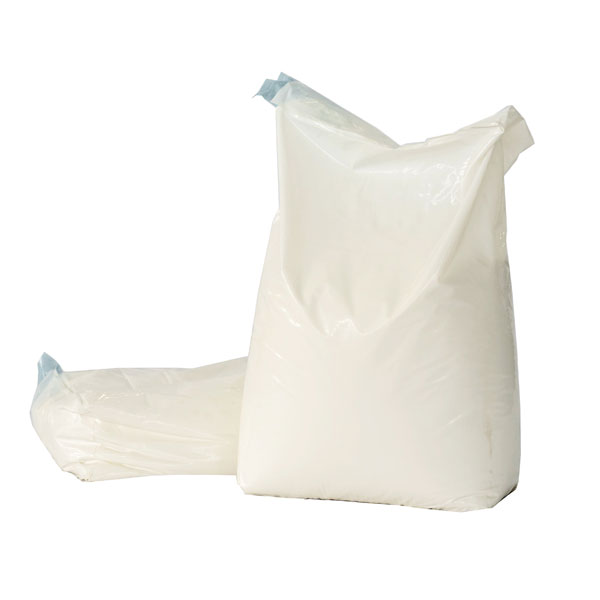
Neutral, unbranded 25kg multi-wall paper-plastic composite bags with inner PE liner, suitable for OEM distribution.
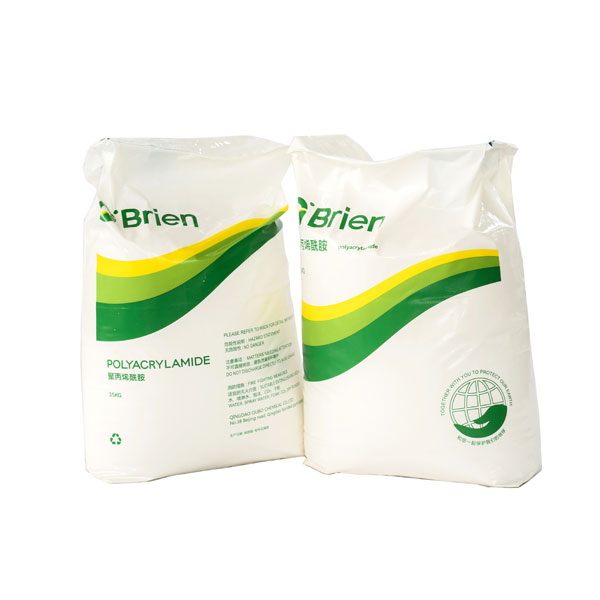
Standard factory-printed 25kg bags displaying batch numbers, net weight, production dates, and handling instructions.
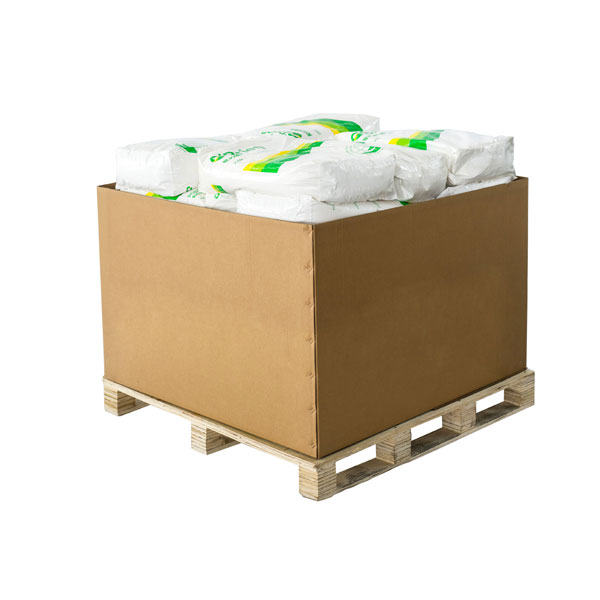
750kg - 1000kg heavy-duty woven FIBC ton-bags equipped with bottom discharge spouts for high-volume dosing plants.
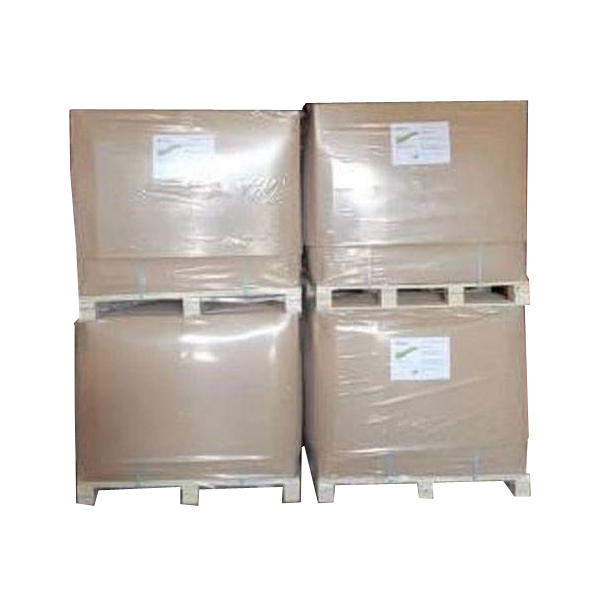
Fumigated wooden or plastic pallets wrapped in multi-layer stretch film with protective corner boards for secure container transport.
Expert insights addressing key selection parameters, Jar Testing, and polymer storage guidelines.
Visual overview of specialized polyacrylamide formulations across various industrial sectors.
Select specialized product grades developed for mining, petrochemicals, paper, and food processing.
 Oubo Chemical