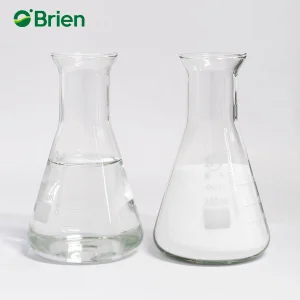
China Coagulant Aid Additives Polyacrylamide Manufacturers & Factories

Technical Whitepaper & Industrial Procurement Guide: Advanced Bio-Enzymatic Polyacrylamide (PAM) Synthesis, High-Molecular Weight Coagulant Aids, and Sustainable Water Treatment Infrastructure Solutions

High-Performance Industrial Polymers

Featured Polyacrylamide (PAM) Formulations

Direct Factory Supply of Cationic, Anionic, and Nonionic Coagulant Aid Powders

Wholesale Cationic Polyacrylamide Powder

Wholesale Cationic Polyacrylamide Powder for Municipal & Industrial Wastewater

View Product Details
Wholesale Anionic Polyacrylamide Powder Flocculant

Anionic Polyacrylamide Powder Flocculant for Food Processing & Sugar Refining

View Product Details
Wholesale Anionic Polyacrylamide APAM

Anionic Polyacrylamide (APAM) for Municipal Sewage Treatment & Dewatering

View Product Details
High Molecular Weight Nonionic Polyacrylamide

High Molecular Weight Nonionic Polyacrylamide for Coal Washing & Tailings

View Product Details
China Nonionic Polyacrylamide Flocculant

Nonionic Polyacrylamide Flocculant for Acidic Industrial Wastewater

View Product Details
High Molecular Weight Anionic Polyacrylamide

High Molecular Weight Anionic Polyacrylamide for Petrochemical Wastewater

View Product Details
PAM Anionic Polyacrylamide Paper Strength Agent

PAM Anionic Polyacrylamide Dry & Wet Strength Agent for Paper Industry

View Product Details
China Cationic polyacrylamide Manufacturer

China Cationic Polyacrylamide (CPAM) Industrial Flocculant Grade

View Product Details
Corporate Background & Capabilities

Qingdao Oubo Chemical Co., Ltd: Pioneer in Polymer Synthetics

Founded in 2011 inside the Free Trade Zone of Qingdao, China, Qingdao Oubo Chemical Co., Ltd has established itself as an authoritative global manufacturer of synthetic resin polymers, specializing in biological acrylamide synthesis and advanced Polyacrylamide (PAM) formulations. Operating under a rigorous ISO 9001:2008 certified Quality Management System, Oubo Chemical has achieved a consistent annual business growth rate of 10%, expanding its production capacity beyond 50,000 Metric Tons annually in 2018.

Our core product line under the internationally registered brand O'brien encompasses Cationic Polyacrylamide (CPAM), Anionic Polyacrylamide (APAM), Nonionic Polyacrylamide (NPAM), and specialty Mannich-base variants. We utilize patented bio-enzymatic conversion methods—investing over €200 million in cumulative research and development—to engineer high-purity, ultra-high molecular weight polymers that set the benchmark for global water treatment, enhanced oil recovery (EOR), paper wet-end optimization, and mining solid-liquid separation.

Environmental & Quality Guarantee

Oubo Chemical prioritizes eco-friendly manufacturing. Our biological polymerization pathways eliminate toxic copper catalyst residues, resulting in polyacrylamide products with extremely low unreacted acrylamide monomer levels (<0.05%), making them suitable for sensitive environmental, municipal, and industrial applications.

50K+
Annual Tons Capacity
2011
Established Year
€200M
R&D Investment
ISO
9001:2008 Certified

Why Global Enterprise Procurement Prefers Oubo Chemical

  • Patented Bio-catalytic Synthesis: Uses third-generation microbial enzymatic technology for linear chain uniformity and precise charge mapping.
  • Tier-1 Supply Chain Integration: Raw materials directly sourced from global petrochemical leaders including SINOPEC, PetroChina, and Eni.
  • Triple-Testing Quality Assurance: Every production batch undergoes 3-stage QC verification (raw monomer, polymerization viscosity, and ionic charge density) prior to dispatch.
  • End-to-End Field Support: Experienced chemical engineers provide pre-sale jar testing, selection guidance, on-site trial support, and post-sale dosing optimization.
Deep Technical Analysis

Polymer Chemistry & Coagulant Aid Mechanisms

Understanding Charge Neutralization, Interparticle Polymer Bridging, and Sweep Flocculation Kinetics

⚛️

Electrostatic Charge Neutralization

Suspended colloids in municipal and industrial wastewater carry a negative surface potential (Zeta potential ranging from -15mV to -45mV). Cationic Polyacrylamide (CPAM) polymers containing quaternary ammonium groups interact instantaneously with hydrophobic colloids, neutralizing electric double-layers, reducing repulsive forces, and initiating primary micro-floc aggregation.

🔗

Polymer Interparticle Bridging

High Molecular Weight (HMW) Anionic and Nonionic PAM polymers feature extended carbon-carbon backbones exceeding 20 million Daltons. Acrylamide amido functional groups (-CONH2) adsorb onto multiple suspended particles simultaneously, forming flexible molecular bridges across voids. This bridging action rapidly agglomerates fine micro-flocs into heavy macro-flocs with high hydraulic settling speeds.

🌊

Sweep Flocculation & Enmeshment

When used in synergy with inorganic primary coagulants (such as Polyaluminum Chloride/PAC or Ferric Sulfate), Oubo’s coagulant aid additives create dense, three-dimensional polymeric networks. These networks physically entrap fine particulate matter, colloidal organic carbon, and metallic hydroxides, drastically lowering effluent turbidity below 1.0 NTU.

Polymer Type Ionic Degree / Hydrolysis (%) Molecular Weight (Million Da) Solid Content (%) Dissolution Time (Mins) Primary Industrial Applications
Cationic (CPAM) 10% - 80% (Cationicity) 8.0 - 15.0 ≥ 89% ≤ 45 Municipal Sludge Dewatering, Belt Press, Centrifuge, Dyeing Wastewater
Anionic (APAM) 20% - 50% (Hydrolysis) 16.0 - 25.0 ≥ 90% ≤ 50 Coal Washing, Mineral Processing, Industrial Sewage, Paper Retention
Nonionic (NPAM) 0% - 5% (Hydrolysis) 6.0 - 12.0 ≥ 90% ≤ 60 Acidic Wastewater Filtration, Highly Selective Mineral Tailings, Soil Stabilization
Mannich / Amphoteric Custom Amphoteric Balance 10.0 - 18.0 ≥ 88% ≤ 40 Complex Petrochemical Effluent, High-Salinity Sludge Dewatering
Sector-Specific Engineering

Macro Industrial Solutions & Field Applications

Tailored Polyacrylamide Formulations Overcoming Complex Process Challenges

1. Municipal & Industrial Water Treatment

In solid-liquid separation processes (clarification, thickening, and sludge dewatering), Oubo PAM acts as an efficient flocculating agent. Increasing regulatory standards demand higher cake dryness and lower chemical residual in filtrate water.

  • Municipal Sewage: Optimizes decanter centrifuge performance, achieving cake solids contents > 25%.
  • Industrial Effluents: Highly effective in tannery, paper mill, citric acid, vegetable protein, pharmaceutical, and incense manufacturing wastewater.
  • Dyeing & Textile: Rapidly decolorizes complex azo-dye effluents when coupled with inorganic coagulants.

2. Oilfield & Gas Extraction Engineering

Polyacrylamide is vital across upstream and midstream energy sectors. Its shear-thinning visco-elastic properties under extreme thermal and high-salinity reservoir conditions make it indispensable.

  • Enhanced Oil Recovery (EOR): APAM acts as a mobility control agent, increasing sweep efficiency in tertiary oil recovery.
  • Drilling Fluid Additive: Reduces fluid loss, encapsulates drill cuttings, lubricates bits, and inhibits shale swelling.
  • Fracturing Fluids: Functions as a friction reducer in hydraulic fracturing operations.

3. Pulp & Paper Manufacturing Industry

Oubo wet-end chemical additives enhance sheet formation, increase drainage speeds, and cut energy consumption during heat-drying cycles.

  • Retention & Drainage Aids: Retains fine fibers, calcium carbonate, and titanium dioxide fillers, lowering furnish costs.
  • Paper Strength Agents: Forms strong hydrogen bonds with cellulose fibers, enhancing dry bursting and tensile strength.
  • Anionic Trash Neutralization: Scavenges dissolved ionic contaminants, balancing system charge in closed-loop water circuits.

4. Mining & Mineral Processing

Rapid solid-liquid separation is critical for water recycling in mining operations. Oubo provides ultra-high MW polymers engineered for harsh mineral slurries.

  • Coal Washing: Accelerates fine coal slurry sedimentation and tailings clarification in thickeners.
  • Precious Metal Extraction: Maximizes recovery rates during leaching and thickener overflows for Gold, Silver, Copper, Nickel, and Iron ore.
  • Tailings Management: Enables rapid dewatering of tailings pastes for dry stacking compliance.
Smart Manufacturing & Supply Chain

China Factory 4.0: Infrastructure & Quality Control

Leveraging Qingdao Free Trade Zone Logistics and Automated Bio-catalytic Synthesis

Qingdao Port Logistics Advantage

Located in the Qingdao Free Trade Zone, Oubo Chemical enjoys seamless access to Qingdao Port—one of the world's largest deep-water shipping hubs. This geographic positioning ensures low inland freight costs, expedited customs clearance, and consistent international container availability.

Fully Automated Lines

Our manufacturing plant features continuous computerized polymerization, precise drying, and automated particle size classification. Human intervention is minimized, resulting in minimal batch-to-batch variation and exceptional granular uniformness.

Global Raw Material Sourcing

To guarantee purity, primary monomers and chemical reagents are sourced exclusively under long-term supply agreements with global petrochemical giants such as SINOPEC and Eni. All incoming raw materials pass rigorous gas chromatography screening.

Next-Generation Innovation

Technology Roadmap & Future Outlook (2025–2030)

Pioneering Eco-Friendly Monomer Engineering and AI-Driven Dosing Optimization

1. Micro-Monomer Residual Reduction (<100 ppm)

Rising regulatory pressures across the EU and North America demand ultra-low residual acrylamide monomer (AMD) levels. Oubo's R&D team is advancing fourth-generation post-polymerization enzymatic degradation techniques to lower unreacted monomer levels to under 100 ppm (0.01%), ensuring compliance with global drinking water standards.

2. Bio-Based & Recyclable Polymer Backbones

In response to global decarbonization mandates, Oubo is testing bio-acrylamide monomers derived from agricultural starches and microbial fermentations. These bio-based polymers match the performance of traditional petroleum-derived PAM while reducing the overall carbon footprint by up to 40%.

3. Ultra-High Salinity & Shear Resistant PAM

For deep offshore drilling and high-salinity industrial wastewater evaporation systems, Oubo is developing hydrophobic modified polyacrylamides (HMPAM). These polymers maintain high solution viscosity and flocculating power in brine environments exceeding 200,000 mg/L TDS.

4. AI-Driven Dosing Feedback Integration

Future water treatment relies on real-time optimization. Oubo is partnering with equipment suppliers to integrate optical turbidity sensors and streaming current monitors (SCM) with automated PAM dissolving units, dynamically adjusting dosage to prevent over-flocculation and save up to 20% in chemical costs.

Commercial Specifications

Packaging Details & Global Supply Compliance

Custom OEM/ODM Packaging, Rigorous QC Protocols, and International Standards

Custom Packaging Options

To preserve moisture resistance and prevent caking during transoceanic transit, Oubo Chemical provides multi-layer moisture-barrier packaging tailored to customer requirements:
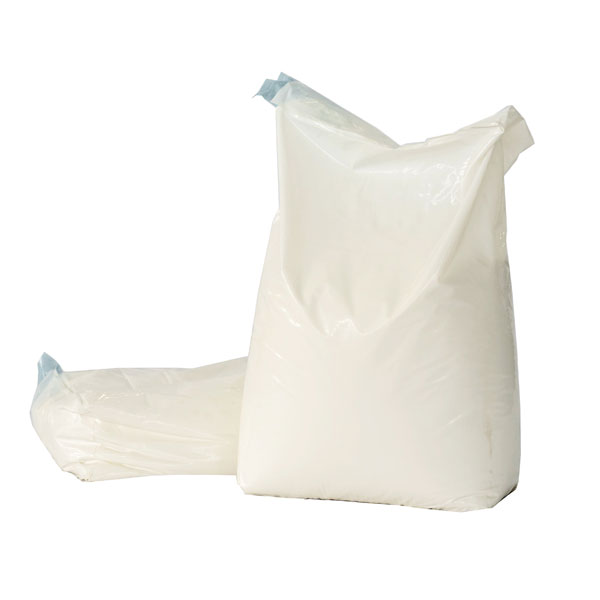
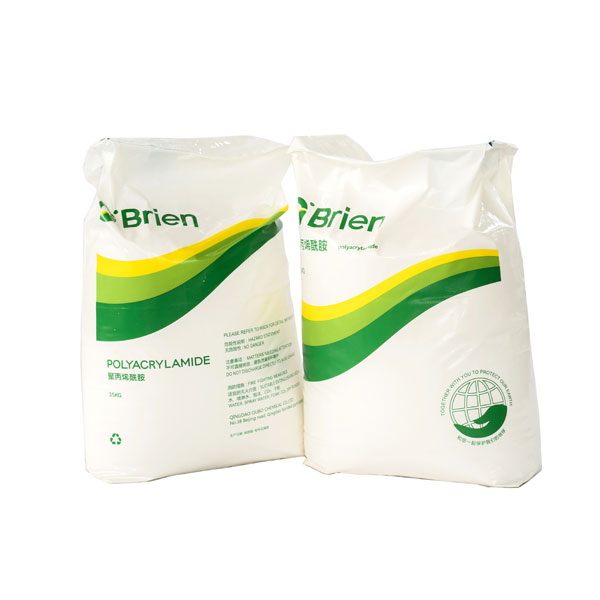
  • Blank Bags: Neutral 25kg PE inner lining with craft paper outer bag, ideal for local re-branding.
  • Normal Standard Bags: Oubo official branded 25kg multi-wall paper-plastic composite bags.
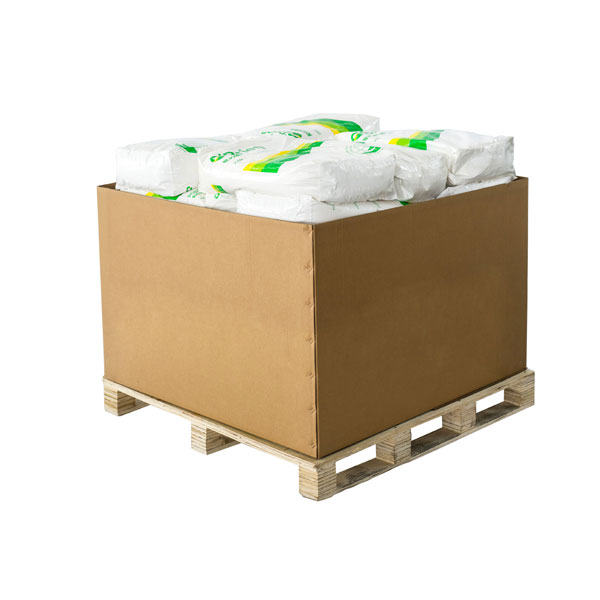
  • Jumbo Bags (Bulk): 750kg and 1000kg heavy-duty woven super sacks with bottom discharge spouts.
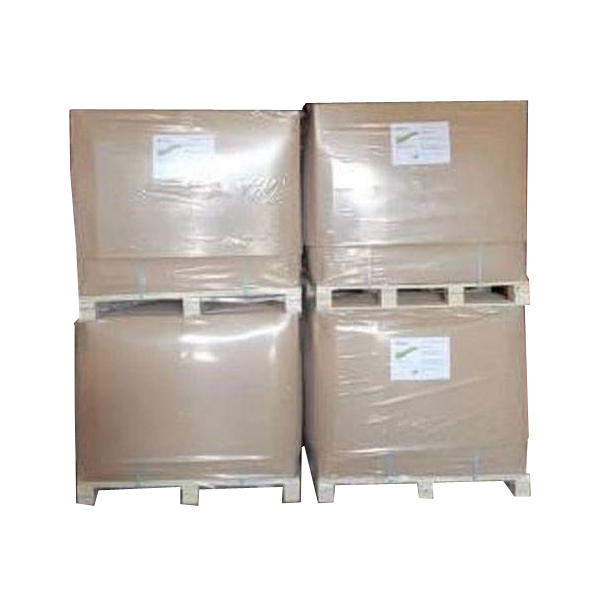
  • Palletization: Fumigated wooden or plastic pallets, shrink-wrapped with corner protection boards.
Expert Knowledge Base

Frequently Asked Questions (FAQ)

Technical and Commercial Solutions for Water Treatment Engineers and Procurement Managers

What is the distinction between Coagulants and Coagulant Aid Polyacrylamides?
Primary coagulants (such as Aluminum Sulfate, PAC, or Ferric Chloride) are low molecular weight inorganic salts designed to neutralize electric charges on colloidal particles, causing them to collapse into micro-flocs. Polyacrylamide coagulant aids are high molecular weight organic polymers. Added after primary coagulation, PAM acts as a long-chain bridging agent that ties micro-flocs into large, dense flocs, dramatically increasing settling rates and dewatering performance.
How do I choose between Cationic, Anionic, and Nonionic Polyacrylamide?
Selection depends on slurry charge, pH, and solid composition. Cationic PAM (CPAM) is ideal for negatively charged organic solids, such as municipal biological sludge, food processing waste, and textile dyeing effluent. Anionic PAM (APAM) works best on positively charged or neutral inorganic mineral suspensions, such as coal washing slurry, sand production wastewater, and metal extraction tailings. Nonionic PAM (NPAM) is selected for highly acidic effluents or complex mineral matrices where ionic repulsion hinders polymer adsorption.
What are the recommended dissolution procedures and concentration ratios for PAM powder?
Polyacrylamide powder must be dissolved in clean water at concentrations between 0.1% and 0.3% (w/v). Ensure continuous mechanical agitation (200–400 RPM) while slowly sprinkling dry powder into water to prevent insoluble "fish-eye" lumps. Dissolution typically takes 45 to 60 minutes depending on water temperature. Avoid high-shear pumps (like gear pumps) that can break the long polymer chains; use diaphragm or progressive cavity pumps instead.
What is the typical shelf life of dry Polyacrylamide powder and prepared liquid solutions?
Dry PAM powder stored in original sealed, moisture-proof packaging in a cool, dry warehouse has a shelf life of up to 24 months. Once dissolved in water, stock solutions begin to hydrolyze and lose molecular weight. Anionic and Nonionic prepared solutions should be used within 3 to 5 days, while Cationic PAM solutions degrade faster and should ideally be consumed within 24 to 48 hours for optimal performance.
Why choose bio-catalytic method PAM over traditional chemical synthetic PAM?
Bio-catalytic acrylamide synthesis uses specialized microbial enzymes (such as Rhodococcus rhodochrous) to convert acrylonitrile into acrylamide at ambient temperatures. This process avoids heavy metal catalysts (like copper), resulting in higher monomer conversion rates, cleaner linear polymer chains, lower residual toxicity (<0.05%), and superior thermal and shear stability in demanding field operations.
What commercial delivery terms, MOQs, and quality control assurances are provided?
Oubo Chemical offers Flexible Incoterms including FOB Qingdao, CIF, CFR, and DDP. Minimum order quantity (MOQ) starts at 1 Metric Ton (40 bags × 25kg). Every shipment is accompanied by a Certificate of Analysis (COA) detailing molecular weight, charge density, solid content, and residual monomer levels tested by our ISO 9001 certified QC laboratory. Free lab samples are available for jar test validation prior to placing commercial orders.
Complete Range of Solutions

Additional Specialized Polymer Products

Explore Target Formulations for Petrochemical, Mining, and Paper Industries
Wholesale PAM Anionic Polyacrylamide

Wholesale PAM Anionic Polyacrylamide High Efficiency Flocculant

View Product Details
China Cationic Polyacrylamide Paper Making Retention Aid

Cationic Polyacrylamide Retention & Drainage Aid for Paper Industry

View Product Details
China Nonionic Polyacrylamide Thickener for Oilfield

Nonionic Polyacrylamide (PAM) Thickener for Oilfield Drilling Fluid

View Product Details
Wholesale Anionic Polyacrylamide Manufacturers

Wholesale Anionic Polyacrylamide (APAM) Granular Powder

View Product Details
Nonionic Polyacrylamide for Mineral Processing

Nonionic Polyacrylamide (NPAM) for Mineral Processing & Ore Dressing

View Product Details
China Nonionic Polyacrylamide Manufacturers

China Nonionic Polyacrylamide Polymer Additive Supplier

View Product Details
Cationic Polyacrylamide for Sludge Dewatering

Cationic Polyacrylamide (CPAM) for Sludge Dewatering & Dewaterers

View Product Details
Cationic Polyacrylamide Flocculant for Textile Wastewater

Cationic Polyacrylamide (CAS 9003-05-8) for Textile Wastewater

View Product Details