Industrial Polymer Engineering & Global Trade White Paper

China Chemical Suppliers & Factories

Technical Benchmark, Global Supply Chain Architecture & Advanced Polyacrylamide (PAM) Manufacturing Ecosystem

Featured Specialty Chemical Products

Direct supply from high-capacity manufacturing lines with strict ISO9001:2008 quality control and customized molecular parameters.
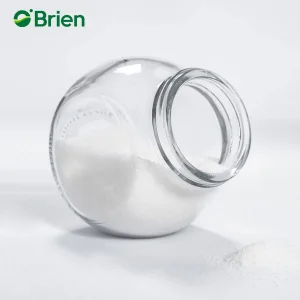
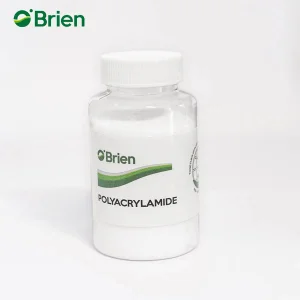
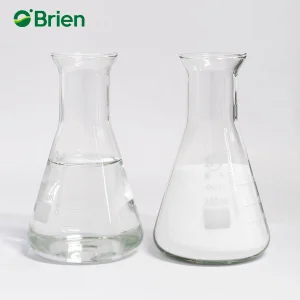
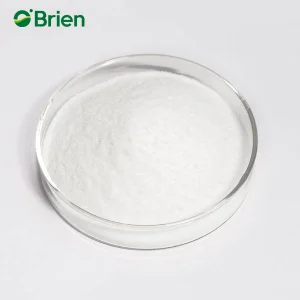
China PAM Anionic Polyacrylamide Dry & Wet Strength Agent
China PAM Anionic Polyacrylamide Dry & Wet Strength Agent for Paper Industry
View Product Details
China Cationic Polyacrylamide Retention Aid
China Cationic Polyacrylamide Retention & Drainage Aid for Paper Making
View Product Details
Wholesale Anionic Polyacrylamide Powder Flocculant
Anionic Polyacrylamide Powder Flocculant for Food Processing & Sugar Wastewater
View Product Details
China Nonionic Polyacrylamide Manufacturers
China Nonionic Polyacrylamide Manufacturers & High Purity Global Supplier
View Product Details
Wholesale Anionic Polyacrylamide APAM
Wholesale Anionic Polyacrylamide (APAM) for Municipal Sewage & Sludge Dewatering
View Product Details
Wholesale Cationic Polyacrylamide Powder
Wholesale Cationic Polyacrylamide Powder for Municipal & Industrial Wastewater
View Product Details
High Molecular Weight Polyacrylamide
High Molecular Weight Nonionic Polyacrylamide for Coal Washing & Tailings Dewatering
View Product Details
Wholesale Anionic Polyacrylamide Suppliers
Wholesale Anionic Polyacrylamide High-Viscosity Industrial Grade Water Treatment
View Product Details

Global Chemical Landscape & The Role of Chinese Manufacturing

Understanding supply dynamics, technological innovations, and strategic raw material integration in water treatment and polymer sectors.

50,000+
Metric Tons Annual Capacity
€200M+
Accumulated R&D Capital Investment
10%
Consistent Year-Over-Year Growth
ISO9001
Certified Quality Management

The global chemical manufacturing sector is undergoing a profound structural transformation driven by stringent global environmental regulations, high demand for clean water infrastructure, and the continuous enhancement of resource extraction technologies. Central to this transformation is Polyacrylamide (PAM) (CAS Registry Number 9003-05-8), a versatile, high-value water-soluble synthetic resin prepared through the controlled polymerization of acrylamide monomers. As industrial operations worldwide strive to minimize liquid discharge and maximize solid-liquid separation efficiency, the global demand for optimized PAM formulations—spanning Anionic, Cationic, and Nonionic ionic states—has reached unprecedented levels.

Historically, global procurement managers faced trade-offs between cost efficiency, batch-to-batch chemical stability, and long-distance supply chain reliability. Today, China has established itself as the indispensable hub for specialty chemical manufacturing. By leveraging massive upstream integrated petrochemical complexes (sourcing high-grade raw materials directly from global leaders like SINOPEC and Eni), advanced automated continuous polymerization systems, and state-of-the-art bio-catalytic synthesis pathways, Chinese chemical factories deliver unmatched cost-performance metrics combined with world-class purity.

Technical Insight: Biological vs. Chemical Synthesis of Acrylamide

Modern Chinese chemical infrastructure has largely transitioned from traditional copper-catalyzed hydration to third-generation biological enzymatic catalysis (microbial nitrile hydratase). This breakthrough process operates under ambient conditions, producing zero toxic copper residues, minimizing energy consumption, and achieving monomer purity levels above 99.9%. This ultra-pure feedstock enables the production of ultra-high molecular weight Polyacrylamide (up to 25 Million Daltons) essential for severe industrial flocculation and Enhanced Oil Recovery (EOR).

Why Global Buyers Partner with Qingdao Oubo Chemical Co., Ltd.

Strategic free-trade zone advantages, patented bio-synthesis methods, and automated quality verification.

Patented Biological Production

Founded in 2011 in the Qingdao Free Trade Zone, Oubo Chemical employs patented biological enzymatic synthesis processes. With annual research investments surpassing €2 million, our technological edge delivers polymers with minimal residual monomer content (< 0.05%) and highly predictable chain linearity.

Triple-Stage QC Assurance

Integrated raw material sourcing from SINOPEC and Eni guarantees raw purity. Every single production batch undergoes a 3-tier Quality Control evaluation (monomer concentration, molecular weight via intrinsic viscosity, and degree of hydrolysis/charge density) before export authorization.

Port & Free Trade Logistics

Operating inside the Qingdao Free Trade Zone provides streamlined customs clearance, direct maritime connection to major global shipping lanes, duty-free raw material staging, and rapid container loading, ensuring lead times are cut by up to 30% compared to inland factories.

Comprehensive Corporate Profile: Qingdao Oubo Chemical Co., Ltd.

Established in 2011, Qingdao Oubo Chemical Co., Ltd. has scaled its production infrastructure to become a global power in synthetic water-soluble polymers. By 2018, Oubo's annual production capacity of high-grade Polyacrylamide officially breached the 50,000 Metric Ton threshold, supported by ISO9001:2008 Quality Management Certification. Over the past decade, the organization has sustained an annual business growth rate of over 10%, serving industrial municipal, mining, oilfield, and paper manufacturing clients across Europe, North America, Southeast Asia, and the Middle East.

Oubo's strategic focus extends beyond raw chemical synthesis to environmental stewardship and application engineering. Recognizing that polymer performance is heavily dependent on site-specific water chemistry (pH, ionic strength, total dissolved solids, shear rates), Oubo provides full-stack technical assistance. Our dedicated application engineering team participates directly in pre-sales chemical selection, bench-scale jar testing, plant trials, and post-sales dosing system optimization.

Chemical Science: Polyacrylamide Formulations & Architecture

In-depth breakdown of molecular configurations, charge densities, and functional ionic categories.

Polyacrylamide is a linear polymer formed from acrylamide monomers ($\text{CH}_2\text{=CHCONH}_2$). The primary polymer chain contains repetitive active amide groups ($\text{--CONH}_2$), which can be chemically modified or copolymerized to introduce specific ionic charges. The functional efficacy of PAM relies heavily on three core parameters: Ionicity (Charge Type and Density), Molecular Weight (MW), and Dissolution Kinetics.

Polymer Type Ionic Charge & Functional Group Molecular Weight Range Charge Density / Hydrolysis Primary Industrial Applications
Anionic Polyacrylamide (APAM) Negative ($\text{--COO}^-$ via Acrylic Acid Copolymerization) 12 Million - 25 Million Da 10% - 60% Hydrolysis Coal tailings dewatering, mineral processing, paper dry strength, municipal water clarification, oilfield EOR.
Cationic Polyacrylamide (CPAM) Positive ($\text{--N}^+\text{(CH}_3\text{)}_3$ via DAC/ADAME Monomers) 6 Million - 15 Million Da 5% - 80% Ionization Sludge dewatering (centrifuge/belt press), organic industrial wastewater, textile dyeing effluent, paper retention.
Nonionic Polyacrylamide (NPAM) Neutral (Pure Acrylamide Homopolymer) 8 Million - 16 Million Da < 3% Residual Charge Acidic wastewater clarification, soil stabilization, high-salinity mineral leaching, paper dispersants.
Amphoteric Polyacrylamide Dual Positive & Negative Charges 5 Million - 12 Million Da Variable Dual Density Complex industrial sludge with variable pH, refinery wastewater treatment, difficult paper pulp processes.
Cationic Polyacrylamide

Cationic Polyacrylamide (CPAM)

High charge density polymer specifically structured to neutralize negatively charged organic solids in municipal and industrial sludge matrices.

Anionic Polyacrylamide

Anionic Polyacrylamide (APAM)

Ultra-high molecular weight formulation designed to aggregate inorganic suspensions through long-chain bridging mechanisms.

Nonionic Polyacrylamide

Nonionic Polyacrylamide (NPAM)

Uncharged hydrogen-bonding macromolecule offering superior stability in highly acidic, basic, or saline environments.

Industrial Application Scenarios & Engineering Practices

Real-world technical deployment across municipal water treatment, paper production, mining, and oilfield operations.
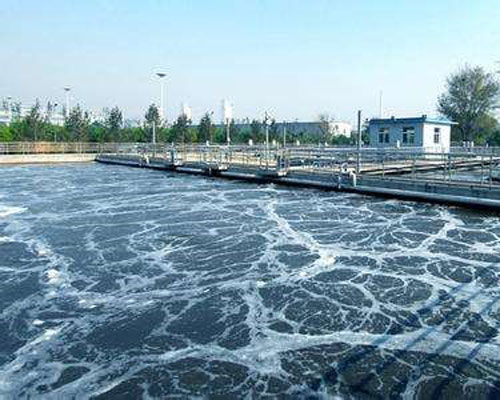
Municipal Water Treatment Industry
Environmental Engineering

1. Municipal Sewage & Industrial Wastewater Treatment

In modern wastewater treatment facilities, solid-liquid separation efficiency determines overall plant throughput and regulatory compliance. Polyacrylamide acts as an advanced coagulant aid and primary flocculant. By forming macro-flocs through charge neutralization and molecular bridging, PAM rapidly accelerates gravity settling in primary/secondary clarifiers and enhances cake dryness during sludge dewatering.
  • Municipal Sludge Dewatering: Cationic PAM (CPAM) neutralizes negative surface charges on biological sludge cells, allowing mechanical dewatering via belt filter presses, centrifuges, and screw presses.
  • Industrial Effluent Treatment: Highly efficient across leather tanning, citric acid production, vegetable protein extraction, pharmaceutical manufacturing, and chemical synthesis effluents.
  • Clarification & Water Reuse: Anionic PAM (APAM) aggregates colloidal silica and suspended solids in raw river intake and industrial cooling water loops.
Paper and Pulp Industry Chemicals
Pulp & Paper Manufacturing

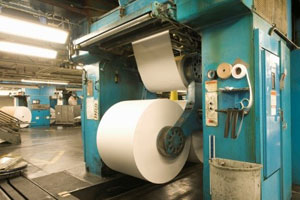
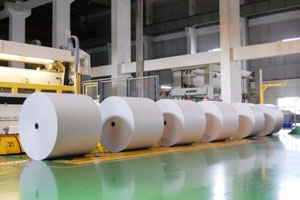
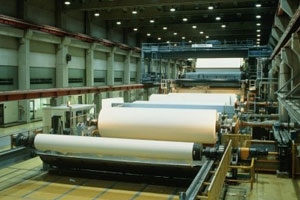
2. Paper & Pulp Manufacturing Optimization

In high-speed paper machinery, Polyacrylamide additives are critical functional agents that dictate sheet formation quality, wet-end chemical balance, and operational machine speeds.
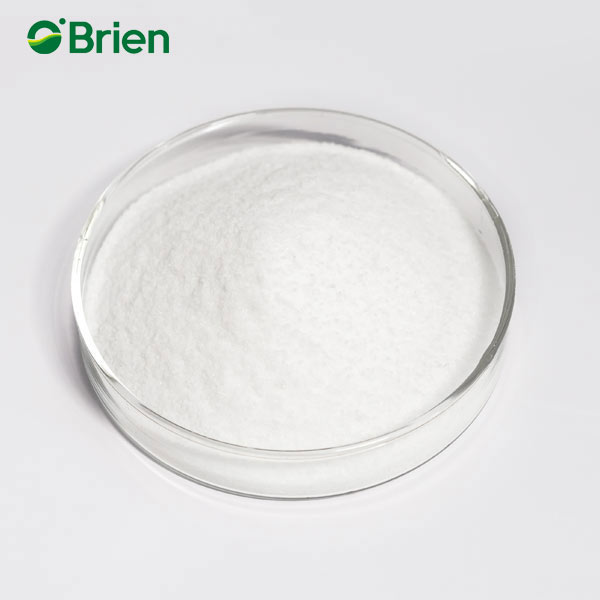
  • Retention & Drainage Aids: CPAM/APAM micro-polymer systems retain fine fibers, titanium dioxide fillers, and sizing agents on the forming wire, dramatically improving dewatering speed and energy efficiency in press sections.
  • Dry & Wet Strength Agents: Amide functional groups form robust hydrogen bonds with cellulose hydroxyl groups, elevating tensile, burst, and ring-crush resistance in linerboard and packaging paper.
  • Anionic Garbage Catchers: Low molecular weight cationic polymers neutralize dissolved organic trash and anionic interference in closed white-water recycling loops.
  • Paper Dispersant Agents: Ultra-high molecular weight NPAM promotes uniform fiber dispersion in long-fiber specialty papers, improving formation evenness and tactile softness.
Oilfield Industry Polymer Application
Energy & Upstream Oilfield

3. Enhanced Oil Recovery (EOR) & Drilling Fluids

In mature oilfields, secondary and tertiary recovery methods require precise rheological control of injected fluid sweeps. Ultra-high molecular weight Anionic PAM increases injected water viscosity, reducing water mobility and maximizing volumetric sweep efficiency in heterogeneous reservoirs.

  • Drilling Fluid Additives: Functions as a shale inhibitor, fluid loss reducer, viscosifier, and drill bit lubricant. Prevents borehole collapse and encapsulates drill cuttings for efficient removal.
  • Hydraulic Fracturing Fluids: Acts as a friction reducer ("slickwater"), drastically lowering pumping pressure and fluid drag in tight shale formations.
  • Profile Control & Water Plugging: Crosslinked PAM hydrogels form thermally stable plugs in high-permeability thief zones, diverting water flow to unswept oil-bearing strata.
Mining Industry Flocculants
Hydrometallurgy & Mining

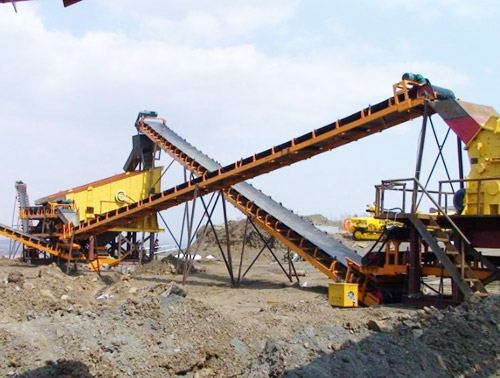
4. Mining, Hydrometallurgy & Coal Tailings Dewatering

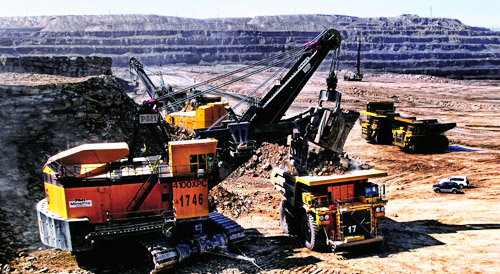
The extraction of precious and base metals (gold, silver, copper, nickel, uranium, iron ore) demands high-volume solid-liquid separation. Oubo's specialized polyacrylamide flocculants accelerate gravity thickener settling rates and reduce filtration moisture contents.

  • Coal Washing & Tailings Treatment: High molecular weight APAM aggregates ultra-fine clay suspensions in coal washery circuits, enabling clear water recycling and rapid tailings press filtration.
  • Acidic Hydrometallurgical Leaching: Specialized acid-resistant Nonionic PAM (NPAM) operates effectively in low pH environments (pH 1-3) during copper and uranium acid heap leaching.
  • Thickener Overflow Clarification: Produces crystal-clear supernatant water for process recycling while creating high-density underflow slurries for paste backfilling.

Sugar Refining & Clarification

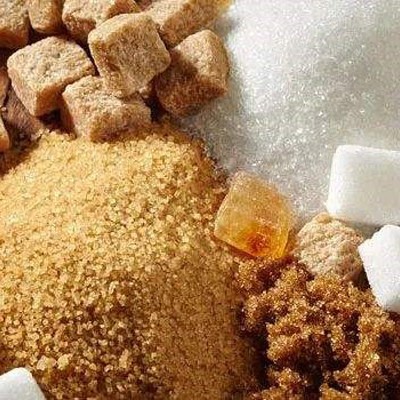
Food-grade Anionic PAM accelerates the sedimentation of organic impurities and insoluble mud in sugarcane and sugar beet juice clarification, maximizing juice clarity and yield.

Textile Sizing & Dyeing Effluent

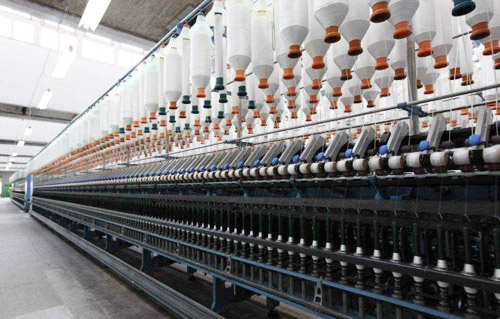
PAM functions as a warp sizing agent to increase yarn tensile strength and reduce breakages during weaving. In wastewater operations, cationic PAM decolorizes heavy dye effluent.

Agriculture & Soil Conditioning

Linear Polyacrylamide conditions topsoil structure, preventing soil erosion, reducing irrigation water runoff, and enhancing soil water-retention capacity in arid zones.
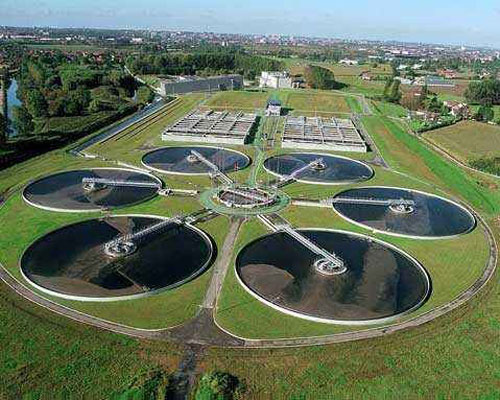
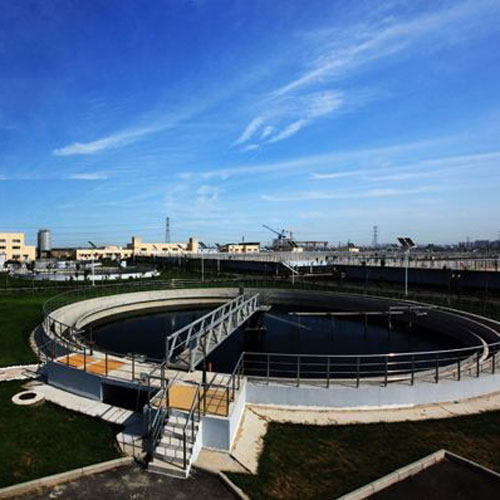
Wastewater Facility Water Purification Paper Machinery Pulp Machine Wire Oil Rigs Production Drilling Mud System Mining Slurry Dewatering Mineral Ore Dressing Sugar Refinery Clarifier Sugar Processing Textile Dyeing Plant Textile Fiber Sizing Textile Wastewater Flocculation

Packaging Specifications & Global Supply Logistics

Moisture-proof industrial packaging engineered for international ocean transport and extended shelf life.
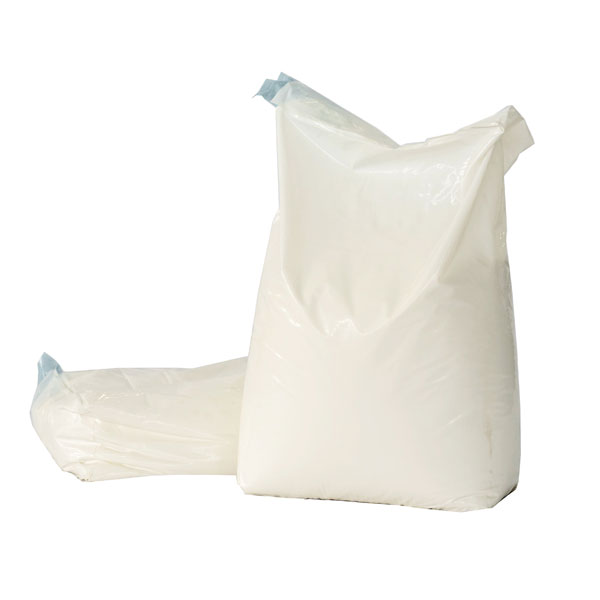
Blank Kraft Paper Bag Packaging

Blank Kraft Paper Bags

25kg multi-wall paper-plastic composite bags with inner PE anti-moisture liner. Neutral unbranded for distributors.
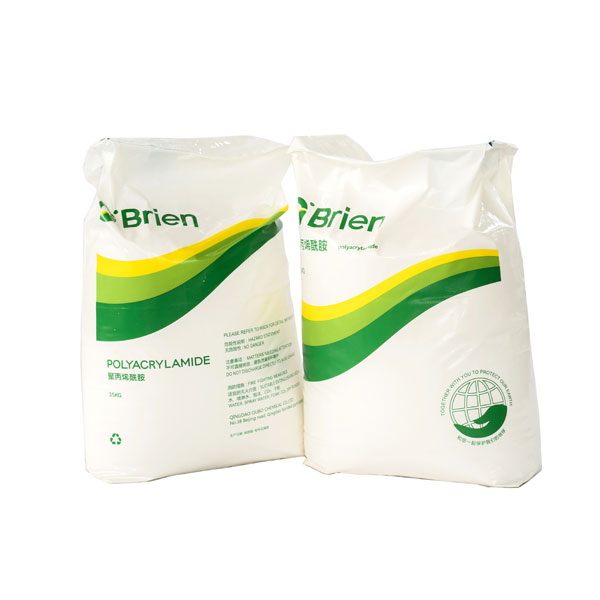
Normal Standard Printed Packaging Bag

Standard Export Bags

25kg factory standard Oubo/O'brien branded packaging with multilingual handling instructions and safety specifications.
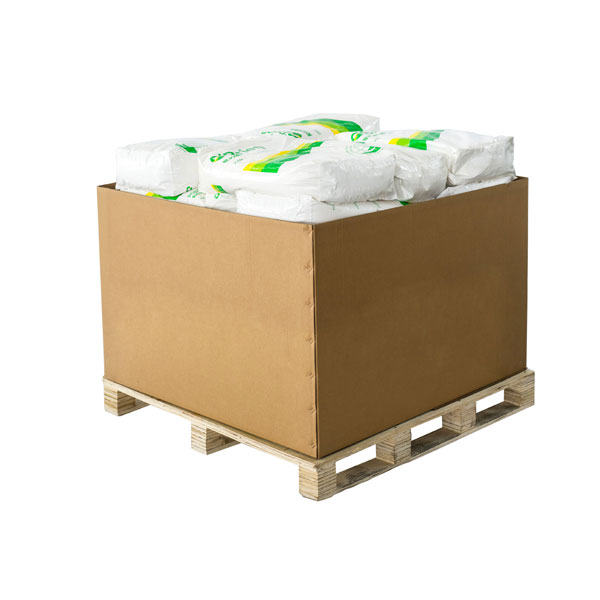
OEM Customized Packaging Bag

Customized OEM Packaging

Tailored private-label printing, client branding, batch numbering, and custom weight configurations (20kg to 50kg).
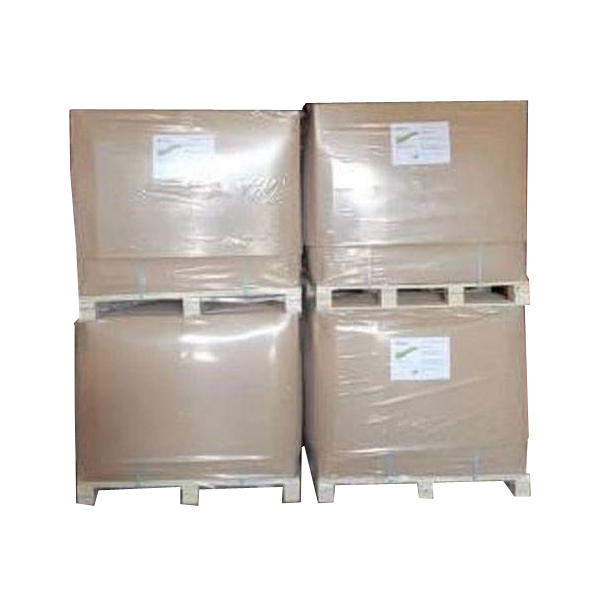
Palletized Cargo Container Unit

Palletized & Jumbo Tons

750kg/1000kg Jumbo Super Sacks or shrink-wrapped fumigated pallets (1.0 - 1.2 Metric Tons/pallet) for automated loading.

Frequently Asked Questions (FAQ) & Sourcing Technical Guide

Expert answers covering polymer chemistry, dissolution procedures, storage shelf-life, and supplier validation.

What is the standard shelf life of dry Polyacrylamide powder, and how should it be stored?
Dry powder Polyacrylamide (PAM) has a shelf life of 24 months when stored in original, unopened, airtight packaging in a cool, dry, and well-ventilated warehouse (temperature maintained between 5°C and 30°C). Because PAM is highly hygroscopic, exposure to moisture causes caking and premature degradation of high-molecular-weight polymer chains. Prepared aqueous stock solutions (typically 0.1% to 0.5% concentration) should be consumed within 24 to 48 hours for Cationic PAM, and within 3 to 5 days for Anionic and Nonionic PAM to prevent hydrolytic degradation.
How do I select the optimal Polyacrylamide ionic type (APAM, CPAM, or NPAM) for my facility?
Selection depends directly on suspended particle charge and water chemistry:
Cationic PAM (CPAM): Mandatory for organic-rich suspended solids and sludges (e.g., municipal sewage, food processing, bio-sludge) where surface charges are negative.
Anionic PAM (APAM): Best suited for inorganic particulate suspensions, mineral slurries, heavy metals, sand washing, and neutral-to-alkaline water (pH 7-14).
Nonionic PAM (NPAM): Optimal for acidic slurries (pH < 5), complex chemical effluents, or high-salinity brines where charge repulsion prevents ionic polymers from extending their chains.
Oubo Chemical provides complimentary lab-scale jar testing to match exact molecular weight (MW) and charge density (CD) parameters to your wastewater samples.
What is the correct procedure for dissolving Polyacrylamide powder to prevent "Fish Eyes"?
Undissolved polymer lumps ("fish eyes") occur when dry powder hits water unevenly, creating an impermeable outer gel layer around dry dry polymer. To dissolve correctly:
1. Use clean, un-chlorinated water at 20°C to 40°C.
2. Agitate the dissolving tank at 200–400 RPM using a low-shear impeller.
3. Gradually disperse dry PAM powder into the vortex at a concentration of 0.1% – 0.3% (w/v).
4. Continue low-speed mixing for 45 to 60 minutes until the solution is completely clear and free of micro-gels. Avoid high-shear pumps (such as centrifugal pumps) which sever macromolecular polymer chains.
Why is biological acrylamide synthesis superior to traditional chemical synthesis?
Biological synthesis uses microbial enzymes (nitrile hydratase) to convert acrylonitrile into acrylamide monomer. Unlike copper-catalyzed chemical synthesis, biological conversion yields zero heavy metal residues, zero toxic copper ions, higher monomer conversion rates (>99.9%), and lower byproduct formation. This extreme monomer purity allows chemical engineers to synthesize ultra-high molecular weight PAM (exceeding 20–25 Million Daltons) with hyper-linear structures that exhibit far higher flocculation performance and lower dosage requirements.
What quality documentation and international certifications does Oubo Chemical provide?
All manufacturing operates under audited ISO9001:2008 and ISO14001 Quality & Environmental Management Systems. For international consignments, Oubo provides Certificate of Analysis (COA) per production batch, Safety Data Sheets (SDS) in accordance with UN GHS standards, REACH compliance documentation for European importers, Non-Dumping origin certificates, and third-party inspection verification via SGS or Intertek upon request.

Additional Industrial Polymer Catalog

Explore our complete inventory of specialty ionic grades engineered for oilfields, mining, municipal plants, and textile mills.
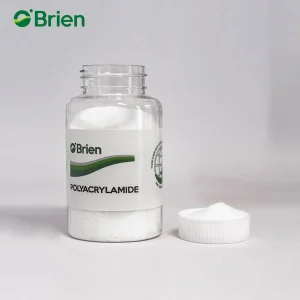
China Nonionic Polyacrylamide PAM Thickener Oilfield
China Nonionic Polyacrylamide (PAM) Thickener for Oilfield Drilling Fluid
View Product Details
China Cationic polyacrylamide Manufacturer
China Cationic Polyacrylamide High-Charge Manufacturer & Global Direct Supplier
View Product Details
Wholesale Nonionic Polyacrylamide Mineral Processing
Wholesale Nonionic Polyacrylamide (NPAM) for Mineral & Ore Dressing
View Product Details
Nonionic Polyacrylamide Acidic Wastewater
China Nonionic Polyacrylamide Flocculant for Acidic Industrial Wastewater
View Product Details
Wholesale PAM Anionic Polyacrylamide
Wholesale PAM Anionic Polyacrylamide High Viscosity Grade Manufacturer
View Product Details
Cationic Polyacrylamide CPAM Sludge Dewatering
Wholesale Cationic Polyacrylamide (CPAM) for Sludge Dewatering & Wastewater
View Product Details
Cationic Polyacrylamide CAS 9003-05-8 Textile
Cationic Polyacrylamide (CAS 9003-05-8) Flocculant for Textile & Dyeing Water
View Product Details
High Molecular Weight Anionic Polyacrylamide Petrochemical
High Molecular Weight Anionic Polyacrylamide for Petrochemical Wastewater
View Product Details