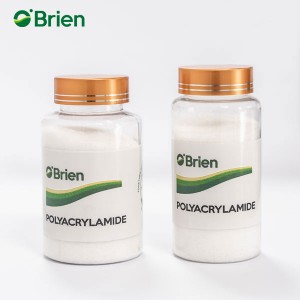
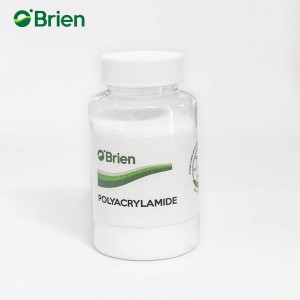
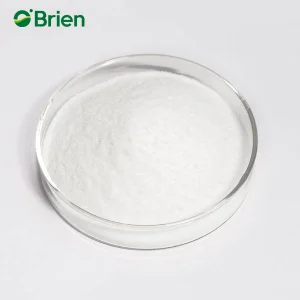
High-purity anionic, cationic, and nonionic polyacrylamide polymer powders optimized for municipal wastewater, oilfield drilling, mining flocculation, and paper manufacturing.
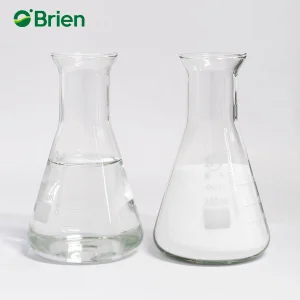
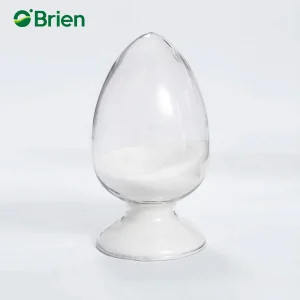
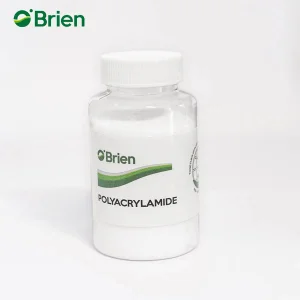
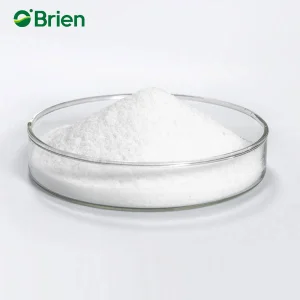
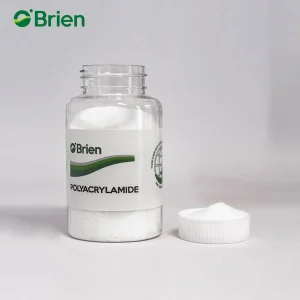
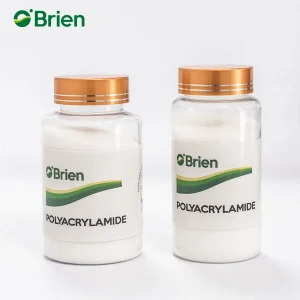
Polyacrylamide (CAS Registry Number 9003-05-8) is a synthetic, high-molecular-weight linear polymer derived from the free-radical polymerization of acrylamide monomers (AM). Functioning as a versatile water-soluble macromolecule, PAM plays a critical role across heavy industries due to its exceptional abilities in bridging flocculation, charge neutralization, drag reduction, and rheological modification. Depending on the ionic modifications introduced during copolymerization, Polyacrylamide is classified into four principal molecular architectures: Anionic (APAM), Cationic (CPAM), Nonionic (NPAM), and amphoteric variants.
From an advanced chemical perspective, the performance of polyacrylamide powder is dictated by two primary molecular metrics: Molecular Weight (MW), ranging from 5 Million to 25 Million Daltons, and Charge Density (Ionicity), spanning from 5% to 80%. When dissolved in an aqueous medium, the long polymer chains stretch, providing active adsorption sites that interact with suspended solid particles. This molecular mechanism facilitates rapid aggregation, turning micro-flocs into large, dense macro-flocs that rapidly settle or dewater under mechanical centrifugation and filtration equipment.
Selecting the exact ionic charge and molecular weight is essential for optimizing dosage rates, improving water clarity, and achieving dry cake solids during dewatering.
| Polymer Class | Charge Type & Range | Molecular Weight (Million Da) | Primary Action Mechanism | Target Industrial Applications |
|---|---|---|---|---|
| Anionic Polyacrylamide (APAM) | Negative (-5% to -80%) | 8.0 - 22.0 Million | Adsorption Bridging, Charge Neutralization on positive particulates | Municipal wastewater clarification, Tailings dewatering, Coal washing, Enhanced Oil Recovery (EOR), Paper dry strength. |
| Cationic Polyacrylamide (CPAM) | Positive (+5% to +80%) | 6.0 - 15.0 Million | Electric Double Layer Neutralization & Charge Binding | Organic sludge dewatering (Belt press/Centrifuge), Textile dyeing effluent, Municipal sewage treatment, Paper retention aid. |
| Nonionic Polyacrylamide (NPAM) | Neutral / Low Charge | 5.0 - 12.0 Million | Hydrogen Bonding & Polymer Mesh Formation | Acidic industrial effluent (pH 1-5), Mineral leaching (Copper/Gold), Soil stabilization, Oilfield drilling fluid fluid-loss control. |
APAM is produced via the copolymerization of acrylamide and acrylic acid monomer salts. The negative charge density allows for powerful bridging across inorganic minerals such as silica, clay, and iron particles. It functions exceptionally well in neutral to alkaline environments (pH 7–14).
CPAM incorporates quaternized monomers such as DAC (Acryloyloxyethyltrimethyl ammonium chloride) or ADAM. CPAM effectively neutralizes the negative surface charge of organic suspended matter, biological sludge, and colloidal waste, leading to dense floc formation and ultra-low sludge moisture.
Formulated purely from homopolymerized acrylamide without ionic functional monomers. Because its macromolecular chain is neutral, NPAM is unaffected by high salinity or extreme acidic conditions, making it the preferred coagulant aid in complex metallurgical mineral processing and acidic waste streams.
China has emerged as the global epicenter for Polyacrylamide polymer manufacturing due to complete chemical industrial integration, advanced bio-catalytic synthesis technology, and superior supply chain infrastructure. Oubo Chemical Co., Ltd (established in 2011) operates from the Free Trade Zone of Qingdao, China, leveraging world-class port logistics and direct access to high-purity monomer feedstocks.
Qingdao Oubo Chemical utilizes an advanced biological enzymatic method for acrylamide monomer synthesis. Unlike traditional chemical nitrile-hydration processes using copper catalysts, our patented bio-method yields ultra-pure acrylamide with minimal residual acrylic acid and zero heavy-metal impurities. This yields higher molecular weight polymers (up to 25 Million Da) with superior water solubility.
Our global supply chain network secures critical raw materials directly from Tier-1 energy and chemical conglomerates including SINOPEC and Eni. By pairing top-tier precursor materials with automated continuous polymerization lines, Oubo maintains strict product consistency, low residual monomer (< 0.05%), and reliable batch-to-batch stability.
Operating under certified ISO9001:2008 Quality Management Systems, every production lot undergoes a strict 3-stage Quality Control inspection protocol before dispatch: (1) Raw Monomer Purity Testing, (2) Polymerization Viscosity & Dissolution Rate Analysis, and (3) Active Charge & Solid Content Verification. We reinvest over €2 Million annually into continuous chemical R&D.
Oubo Chemical provides tailor-made polymer formulations and dosing solutions across critical global industries, helping clients minimize water footprint, lower operational expenses, and meet environmental compliance standards.
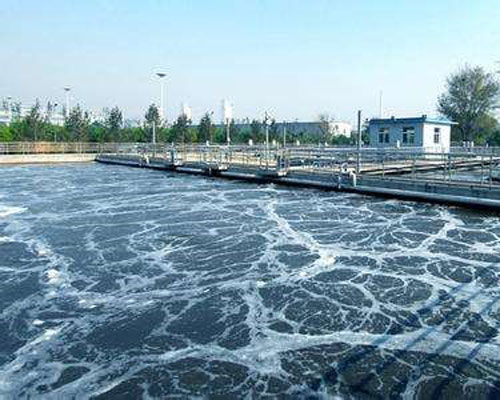
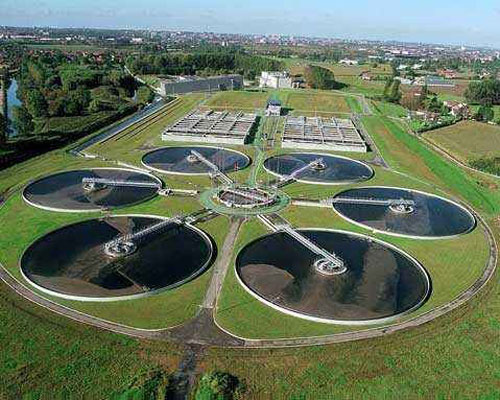
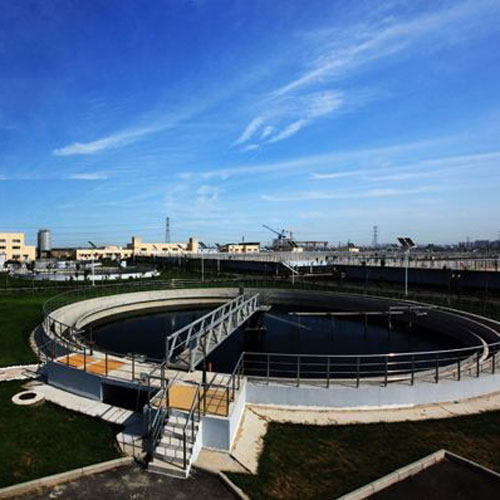
Polyacrylamide serves as a high-performance primary coagulant aid and sludge dewatering agent. In municipal sewage and industrial wastewater treatment (leather, paper, citric acid, pharmaceutical, vegetable protein, dyeing), CPAM and APAM achieve rapid solid-liquid separation. They increase filter press cake dryness, accelerate sedimentation tank throughput, and reduce Chemical Oxygen Demand (COD) and Total Suspended Solids (TSS).
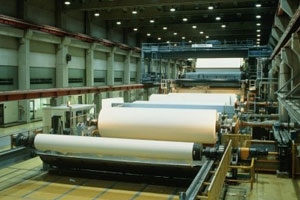
PAM polymers act as retention aids, drainage aids, dry/wet strength agents, and dispersants. By adding small doses of cationic or anionic PAM during the wet-end process, paper mills significantly increase fine fiber and filler retention rate, lower fiber loss in white water, neutralize anionic trash, and enhance structural burst/tensile strength while lowering energy consumption during sheet drying.
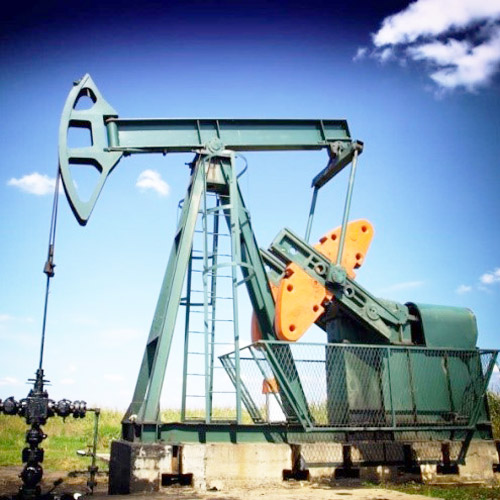
In tertiary oil recovery (EOR - Enhanced Oil Recovery), ultra-high molecular weight Hydrolyzed Polyacrylamide (HPAM) increases water phase viscosity to optimize sweep efficiency in subterranean reservoirs. In oil drilling and hydraulic fracturing fluids, PAM acts as a friction reducer, shale inhibitor, viscosifier, and fluid-loss control additive under severe thermal and saline conditions.

Essential for mineral beneficiation and coal tailings dewatering. Our specialized NPAM and APAM series accelerate solid-liquid separation in thickeners, vacuum filters, and centrifuges. Ideal for extracting Precious Metals (Gold, Silver), Base Metals (Copper, Nickel, Zinc, Iron), and Coal washing effluent clarification, enabling maximum process water recycling.
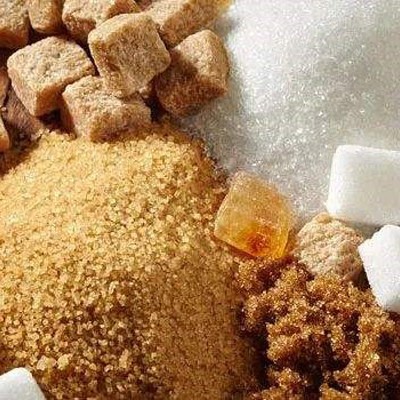
In sugarcane and sugar beet processing, high-purity food-grade anionic PAM accelerates mud settling and juice clarification during juice extraction. It removes micro-particulates and color bodies rapidly without compromising sugar yield or safety standards.
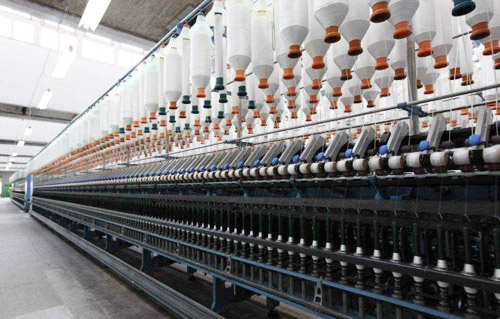
Utilized as a high-efficiency textile sizing agent to improve fabric strength and smoothness during high-speed weaving. Furthermore, cationic PAM effectively breaks color emulsions, removing complex organic dyes and heavy metals from textile dyeing wastewater.
To maximize active polymer efficiency and prevent loss during bulk handling, strict adherence to makeup concentration and storage protocols is required by technical procurement teams.
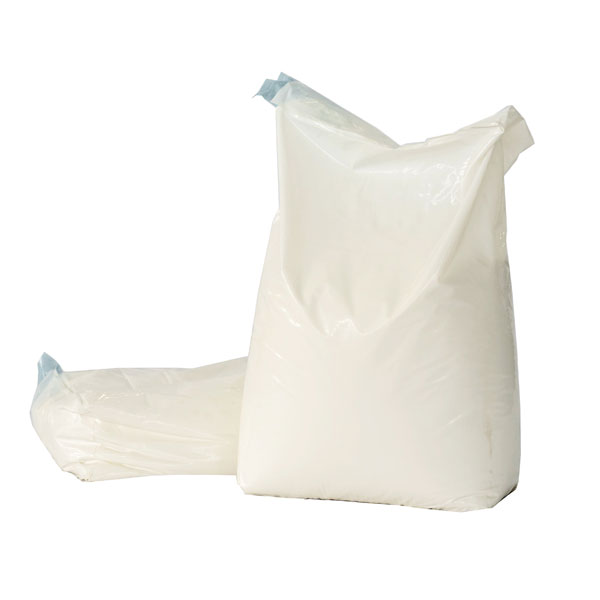
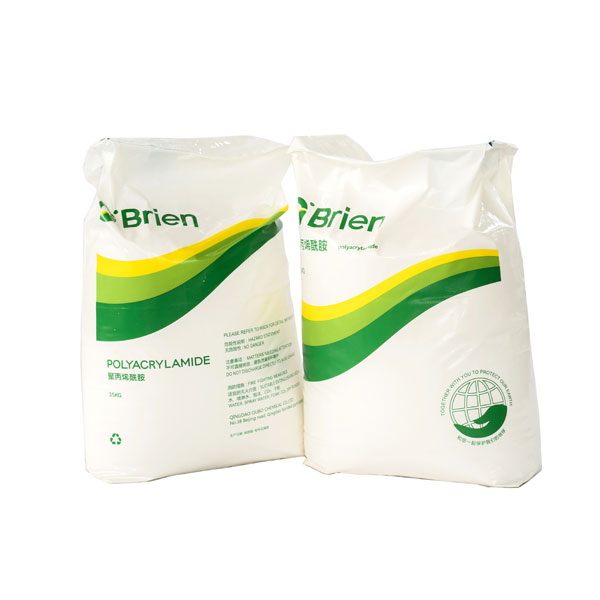
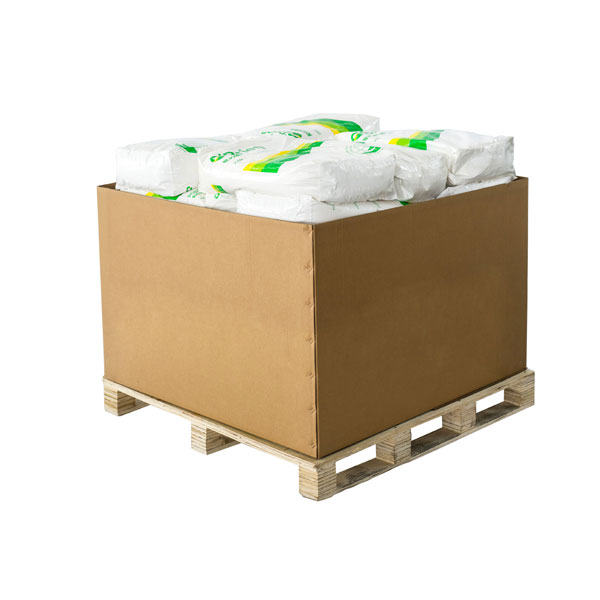
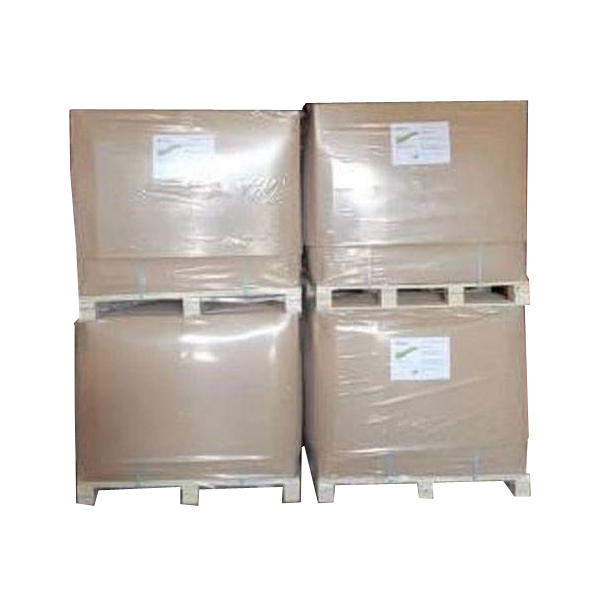
Oubo Chemical offers versatile OEM packaging solutions engineered for international ocean transport and long-term warehouse storage. Every package includes moisture-proof inner PE liners and UV-resistant outer layers.
The global polyacrylamide market is experiencing pivotal shifts driven by rigorous international environmental regulations, ESG compliance, and the demand for zero-liquid-discharge (ZLD) water recovery systems. Key industry trends include:
Global regulatory bodies (REACH, US EPA) are tightening limits on residual free acrylamide monomer (AM). Traditional chemical grades containing up to 0.1% residual monomer are being replaced by bio-catalyzed polymers with monomer content strictly below 0.01% to 0.05% (100–500 ppm), safeguarding public health and municipal water supply safety.
As offshore and mature onshore oilfields face hyper-saline (up to 200,000 ppm TDS) and high-temperature (exceeding 90°C) reservoir conditions, novel modified polyacrylamides incorporating hydrophobic monomers and salt-tolerant functional groups (such as AMPS) are replacing standard HPAM formulations.
Industrial water facilities are modernizing with real-time turbidity meters and automated dynamic dosing pumps. High-grade PAM powders engineered by Qingdao Oubo offer instant dispersion properties, facilitating seamless integration with AI-assisted dosing systems to prevent polymer over-dosing and reduce chemical waste by up to 25%.
Expert technical answers addressing core procurement, chemical selection, and storage questions for global industrial buyers.
Explore specialized thickeners, oilfield additives, textile flocculants, and high molecular weight polymers engineered for global industry applications.
 Oubo Chemical