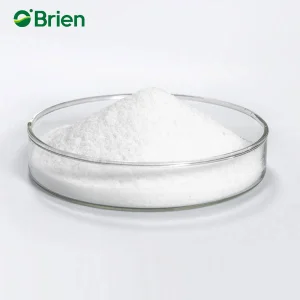
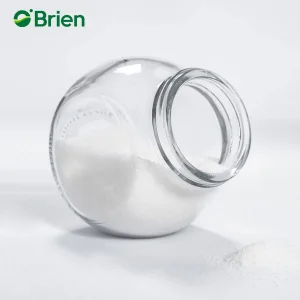
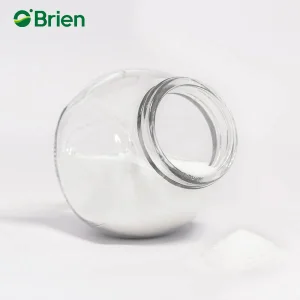
Established in 2011 within the state-level Strategic Free Trade Zone of Qingdao, China, Qingdao Oubo Chemical Co., Ltd. (operating globally under the premier brand O'brien) has established itself as an international benchmark in the synthesis, production, and technical distribution of high-molecular-weight Polyacrylamide (PAM) flocculants. Leveraging China's robust chemical manufacturing infrastructure and deep-water port logistics, Oubo Chemical delivers high-grade chemical flocculants to more than 60 countries across North America, Europe, South America, Southeast Asia, and the Middle East.
Our commitment to rigorous Quality Control (QC) is embodied in our comprehensive end-to-end testing protocol. Over the past decade, Oubo Chemical has maintained a consistent annual business growth rate of over 10%. In 2018, our continuous process optimization and production expansion culminated in breaking through the annual capacity milestone of 50,000 Metric Tons of synthetic polyacrylamide. Certified under the ISO 9001:2008 Quality Management System, Oubo seamlessly integrates eco-conscious manufacturing practices with advanced molecular engineering to address the world's most demanding liquid-solid separation challenges.
Polyacrylamide (CAS Registry No. 9003-05-8) is a synthetic, water-soluble linear polymer synthesized from acrylamide monomers. In modern industrial liquid-solid separation processes, PAM serves as an essential chemical flocculant, coagulant aid, and rheology modifier. Its functionality relies on two primary physical-chemical mechanisms: charge neutralization (destabilizing suspended colloidal particles by counteracting surface electrostatic charges) and polymeric bridging (where high-molecular-weight polymer chains adsorb onto multiple suspended particles simultaneously, forming massive, rapidly settling flocs).
At Oubo Chemical, we utilize proprietary bio-catalytic synthesis routes. Unlike legacy chemical catalytic methods using copper catalysts, our biological enzymatic process produces high-purity acrylamide monomers with zero toxic byproducts, lower energy consumption, and exceptionally long polymer chain lengths. This enables the synthesis of tailored ionic types spanning a spectrum of charge densities and molecular weights ranging from 3 million up to 26 million Daltons.
| Polymer Ionic Type | Functional Monomer Composition | Molecular Weight Range (Million) | Charge Density / Hydrolysis | Primary Industrial Vector |
|---|---|---|---|---|
| Cationic Polyacrylamide (CPAM) | Acrylamide + DAC / DMC (Cationic Monomers) | 6.0 – 15.0 Million | 10% – 80% Cationic Degree | Organic Sludge Dewatering, Municipal Sewage, Paper Retention, Textile Dyeing |
| Anionic Polyacrylamide (APAM) | Acrylamide + Acrylic Acid / Hydrolysis | 8.0 – 26.0 Million | 5% – 60% Anionic Hydrolysis | Industrial Effluent, Coal Washing, Mineral Tailings, EOR Oilfield Fluids, Sugar Refining |
| Nonionic Polyacrylamide (NPAM) | Pure Homopolymerized Acrylamide | 3.0 – 15.0 Million | < 3% Hydrolysis Degree | Acidic Wastewater, Soil Conditioning, Leaching Processing, Fine Mineral Dressing |
| Mannich Base CPAM | Formaldehyde & Secondary Amine Modified | 4.0 – 10.0 Million | 20% – 90% High Cationic | High-solids Industrial Sludge, Complex Biological Waste Treatment |
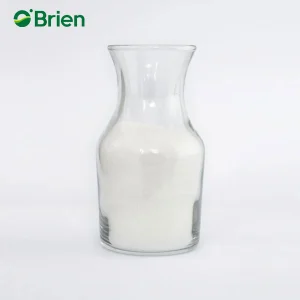
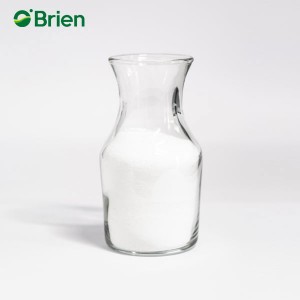
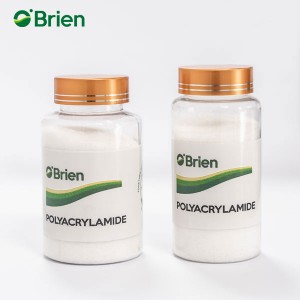 Cationic Polyacrylamide Granules
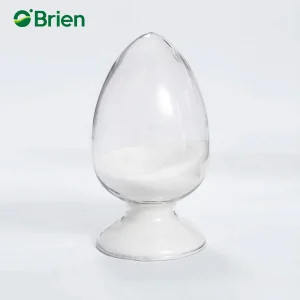
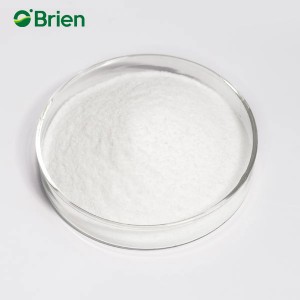
 Anionic Polyacrylamide Granules
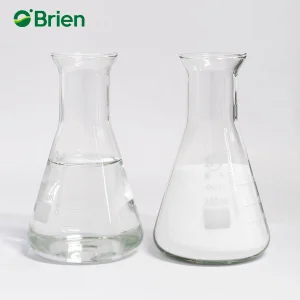
 Nonionic Polyacrylamide Granules
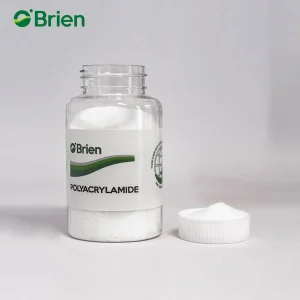
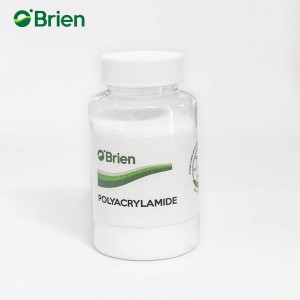 Ultra-High MW Flocculants
Oubo Chemical utilizes advanced bio-catalytic methods for monomer acrylamide synthesis. With annual R&D investment exceeding €200M in accumulation, our patented biological process ensures ultra-low residual acrylamide monomer (down to < 500 ppm), preserving high molecular stability.
Our raw material procurement is integrated with premier chemical conglomerates including SINOPEC and Eni. Operating within fully automated, closed-loop production lines guarantees consistency from raw monomer feedstocks to final palletized polymer batches.
Every single batch undergoes triple testing by our dedicated Quality Control team prior to export. Certified under ISO 9001:2008 standards, our analytical laboratory inspects dissolution rate, intrinsic viscosity, filtration factor, and charge density for every shipment.
Our experienced chemical application engineers assist client teams across pre-sales jar testing, operational dosage calibration, on-site slurry evaluation, and post-installation optimization to maximize throughput and minimize chemical consumption costs.
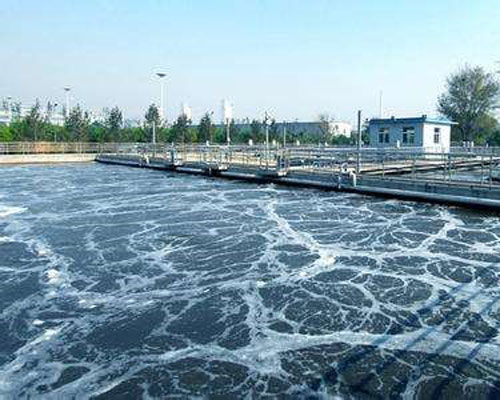
Oubo Polyacrylamide is widely used in clarifying raw influent water, primary sedimentation, and secondary sludge dewatering. In belt filter presses, screw presses, and high-speed decanter centrifuges, our Cationic Polyacrylamide forms dense, sheared-resistant flocs that optimize cake dryness and yield crystal-clear filtrate effluent.
Target Sectors: City Wastewater Plants, Tannery Effluents, Food Processing Wastewater, Pharmaceutical Discharge, Citric Acid Production.
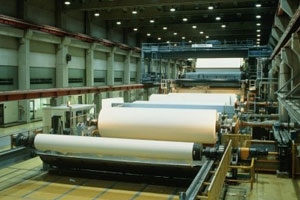
In wet-end paper chemistry, PAM acts as a Retention Aid, Drainage Aid, Anionic Trash Scavenger, and Strength Agent. By balancing charge density and promoting fine fiber retention, our PAM products drastically reduce raw material loss, enhance paper sheet formation, boost burst and tensile strength, and clarify process white water.
Primary Function: Fine retention, Drainage enhancement, Deinking flocculation, Dry/Wet strength agent.
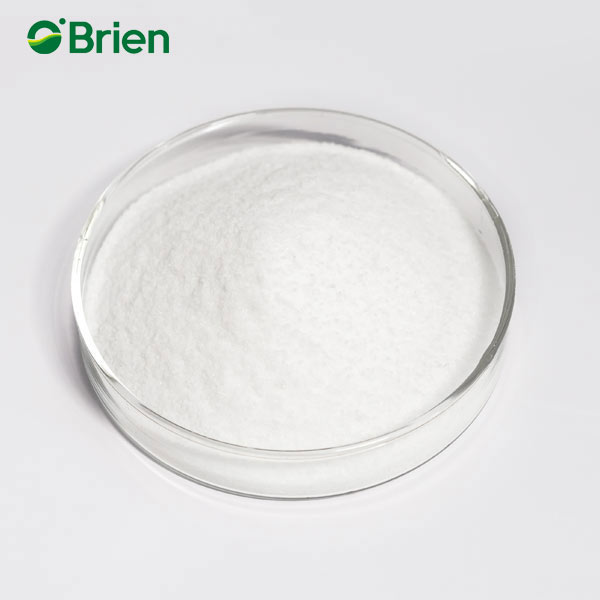
Our ultra-high molecular weight Anionic PAM exhibits superior shear stability, thermal tolerance, and salt resistance. It functions as a mobility control polymer in EOR polymer flooding, as a fluid loss control agent in drilling muds, as a friction reducer in hydraulic fracturing, and as a shale stabilizer for deep offshore drilling operations.
Key Applications: Polymer Flooding (EOR), Slickwater Fracturing, Drilling Fluid Viscosifier, Profile Modification.

In coal washing and mineral ore dressing (gold, copper, iron, alumina, nickel), solid-liquid separation requires accelerated settling rates. Oubo Anionic and Nonionic PAM polymers aggregate ultra-fine mineral tailings in thickeners and clarifiers, enabling rapid water recycling and environmental paste backfill management.
Key Applications: Coal Slurry Dewatering, Alumina Red Mud Clarification, Copper Hydro-metallurgy, Tailings Thickening.
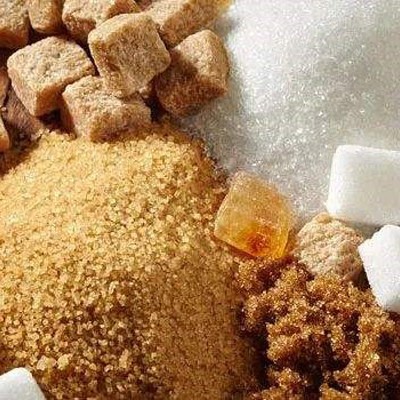
Specialized food-grade Anionic PAM flocculants are engineered for raw cane and sugar beet juice clarification and mud settling. By capturing non-sugar impurities, high-purity Oubo flocculants accelerate settling velocity, maximize juice clarity, and improve overall sugar crystallization recovery rates.
Key Applications: Sugar Juice Flotation, Beet Wash Separation, Fermentation Broth Clarification.
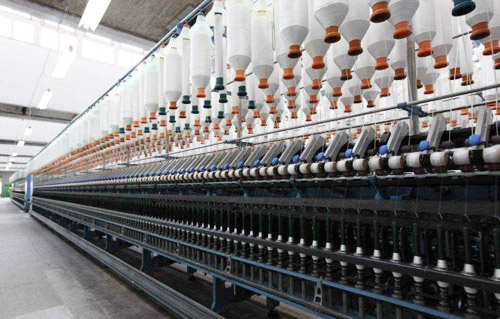
In textile production, PAM serves a dual purpose: as a synthetic sizing agent and fabric finishing auxiliary to enhance yarn smoothness, and as a high-performance chemical flocculant in biological dye wastewater treatment to strip organic pigments, heavy metals, and COD prior to environmental discharge.
Key Applications: Warp Sizing Agent, Textile Dye Effluent Decolorization, Printing Sludge Dewatering.
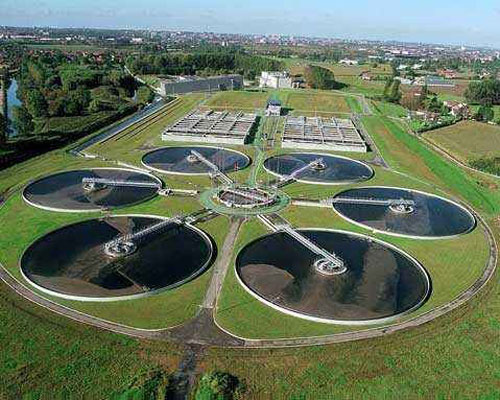 Sedimentation Tank Clarification
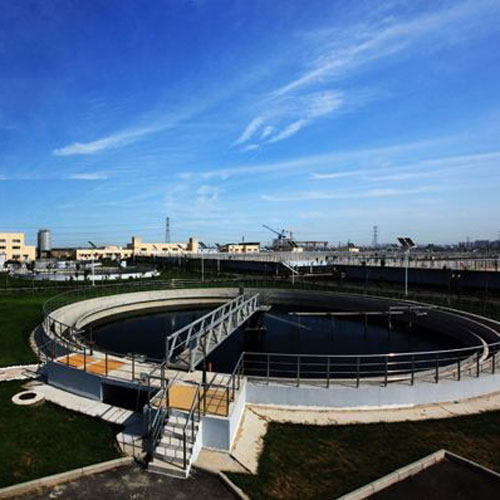 High-Speed Decanter Centrifuge
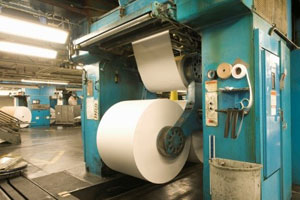 Paper Web Retention System
 EOR Injection Station
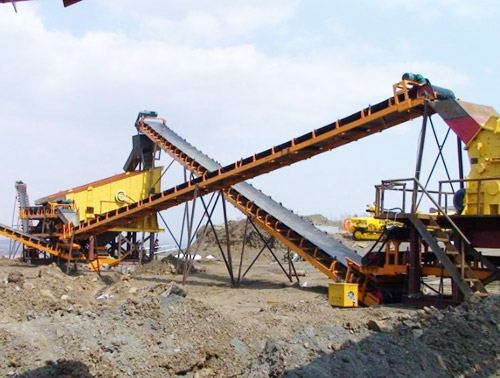 Coal Tailings Thickener
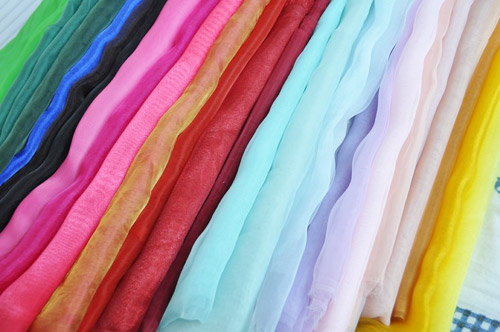 Textile Processing Operations
Because Polyacrylamide is highly hygroscopic, improper packaging during long-distance maritime transport can cause powder caking and polymer degradation. Oubo Chemical enforces rigorous export-grade packaging standards. All solid granular products are sealed in multi-wall kraft paper bags or PE liner bags reinforced with outer woven polypropylene containment.
Located adjacent to Qingdao Port—one of the largest deep-water shipping hubs in Asia—Oubo leverages seamless port integration to expedite customs clearance, ensure stable container availability, and minimize maritime transit lead times to global destinations.
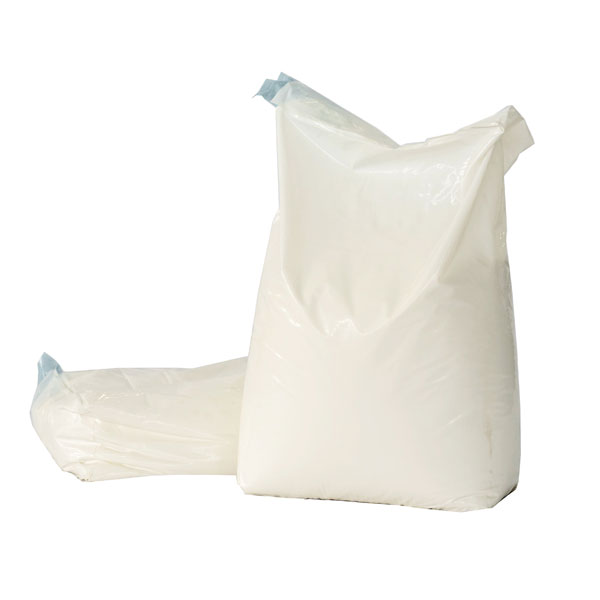 OEM / Blank Kraft Paper Bags (25kg)
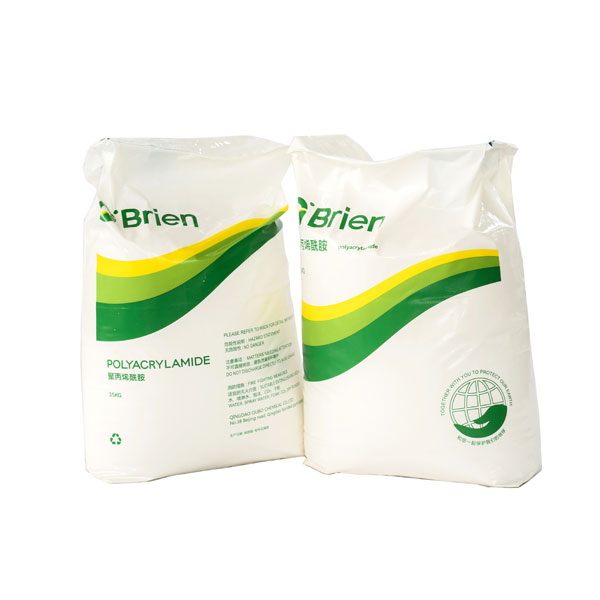 Oubo Standard Export Bag (25kg)
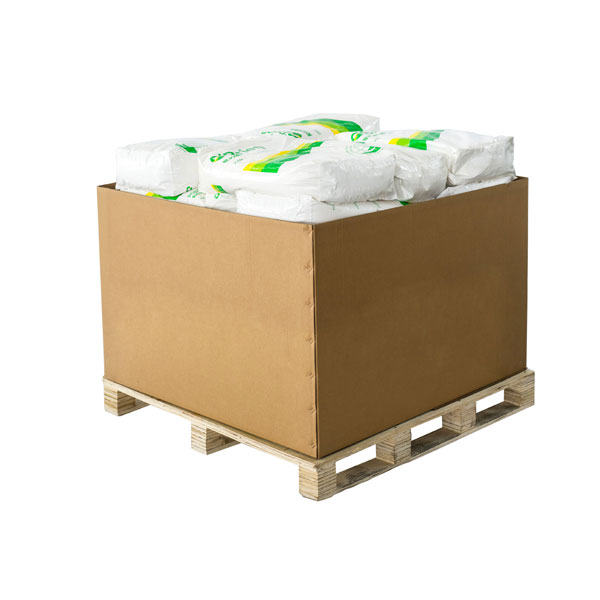 Jumbo Bulk Bags (750kg - 1000kg)
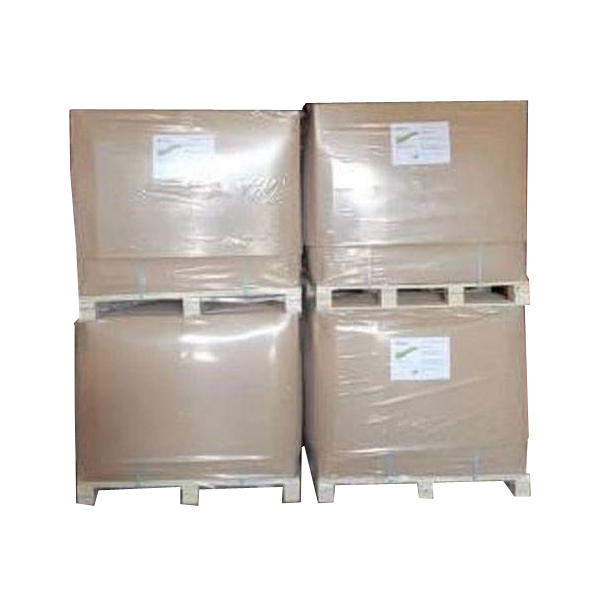 ISPM-15 Heat-Treated Palletizing
Aligning with stringent environmental policies across Europe and North America, Oubo is pioneering next-generation PAM with residual acrylamide (AMD) content under 100 ppm, making it suitable for municipal potable water treatment and direct food-contact applications.
To prevent polymer shear degradation during continuous preparation, Oubo's engineering group is developing automated, skid-mounted dissolution units paired with real-time turbidity sensors to optimize polymer dosing in real time.
Addressing deep reservoir EOR challenges, our research lab is deploying zwitterionic and amphoteric polyacrylamide structures that maintain viscosity even under high temperature (up to 120°C) and high salinity (up to 200,000 ppm TDS) conditions.
 Oubo Chemical