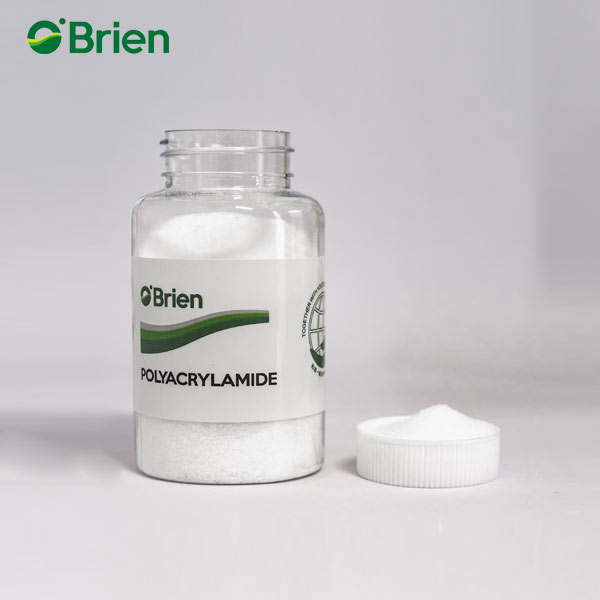
Explore our flagship synthesized polyacrylamide formulations engineered for sludge dewatering, EOR, and industrial liquid-solid separation.
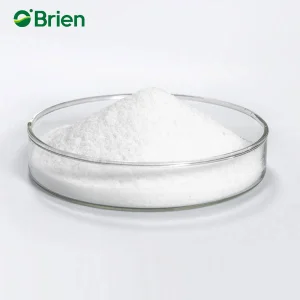
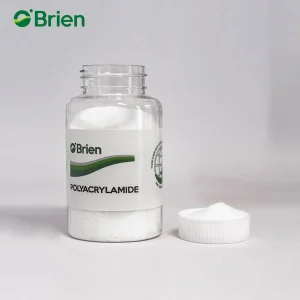
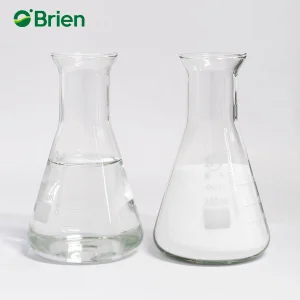
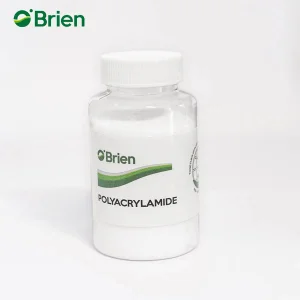
Polyacrylamide (PAM, CAS No. 9003-05-8) represents the backbone of modern industrial solid-liquid separation chemistry. As a linear, water-soluble synthetic polymer derived from acrylamide subunits, PAM functions across diverse industrial ecosystems as a premier flocculant, coagulant, viscosity modifier, friction reducer, and soil conditioner. Driven by stringent global Environmental, Social, and Governance (ESG) mandates and intensifying water scarcity, the global market for polyacrylamide powder continues its accelerated growth trajectory.
The global PAM demand is heavily propelled by municipal wastewater expansion in APAC, Enhanced Oil Recovery (EOR) in North America & Middle East, and mineral beneficiation in Australia & South America. Bulk powder PAM provides unmatched logistics efficiency over liquid emulsions by reducing freight weight and storage footprint.
PAM is synthesized via free-radical polymerization of acrylamide ($CH_2=CHCONH_2$). By copolymerizing acrylamide with functional monomers (such as DAC, DMAEA, or acrylic acid), chemical manufacturers customize charge density (0% to 100%) and molecular weight (3 Million to 30 Million g/mol) to suit specific sludge substrates.
Industrial procurement teams require complete traceability. High-grade PAM suppliers maintain ISO9001 compliance, strict batch-to-batch viscosity variance testing (<2%), and low residual acrylamide monomer (AM) levels below 0.05% (500 ppm), safeguarding both operational integrity and environmental safety.
Established in 2011 within the Qingdao Free Trade Zone, Qingdao Oubo Chemical Co., Ltd. (O'brien) has emerged as a premier China chemical company and global benchmark in synthetic polymer manufacturing. China’s chemical manufacturing infrastructure offers unparalleled economies of scale, seamless access to upstream petro-feedstocks, and state-of-the-art port logistics through Qingdao Harbor.
Oubo Chemical operates continuous bio-enzymatic acrylamide synthesis lines. Unlike traditional chemical catalytic methods using copper catalysts—which leave heavy metal residues and broader polydispersity—our patented biological method yields clean, linear acrylamide monomers. This technological foundation enables us to achieve ultra-high molecular weight polymer chains with exceptional solubility kinetics.
Leading global producer utilizing bio-catalytic methods with active R&D patent portfolios. Investing €2M annually in polymer innovation and molecular weight tailoring.
Global supply chain integration (SINOPEC, Eni). Automated PLC-controlled manufacturing lines compliant with ISO9001 standards. 3-stage rigorous batch QA.
Over a decade of focused polymer engineering. Providing rapid sampling, optimized molecular selection, and scalable pricing structures to international B2B clients.
Full-lifecycle engineering support: pre-sales jar tests, plant trials, equipment dosing calibration, and dedicated after-sales operational troubleshooting.
Polyacrylamide powder is classified into four principal ionic types, depending on the charge incorporated along the macromolecular backbone. Understanding these chemical variations is key to optimizing solid-liquid separation.
| Polymer Type | Ionic Charge | Molecular Weight (Million) | Key Monomers Used | Primary Industrial Applications |
|---|---|---|---|---|
| Anionic PAM (APAM) | Negative (-COO⁻) | 16 - 25 Million | Acrylamide + Acrylic Acid / Sodium Acrylate | Mineral processing, coal washing, municipal water clarification, paper dry strength. |
| Cationic PAM (CPAM) | Positive (-N⁺R₃) | 8 - 15 Million | Acrylamide + DAC / DMAEA / METAC | Organic sludge dewatering (belt press/centrifuge), municipal sewage, paper retention. |
| Nonionic PAM (NPAM) | Neutral | 5 - 12 Million | Pure Acrylamide Homopolymer | Acidic wastewater, soil conservation, oilfield fluid loss control, sugar clarification. |
| Amphoteric PAM | Dual (+/-) | 6 - 10 Million | Binary / Ternary Copolymerization | Complex industrial sludge, high-salinity effluent, papermaking drainage aids. |
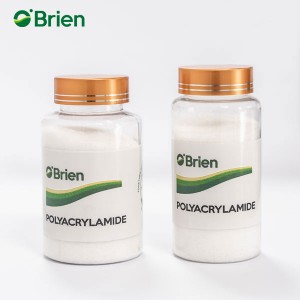
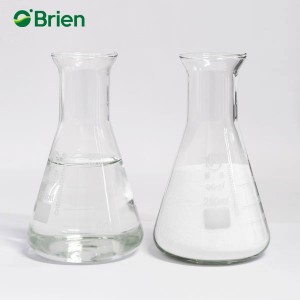
Polyacrylamide serves as a vital enabler across heavy industries worldwide. Oubo Chemical provides tailored polymer grades engineered for specific operational parameters, water chemistry, and shear forces.
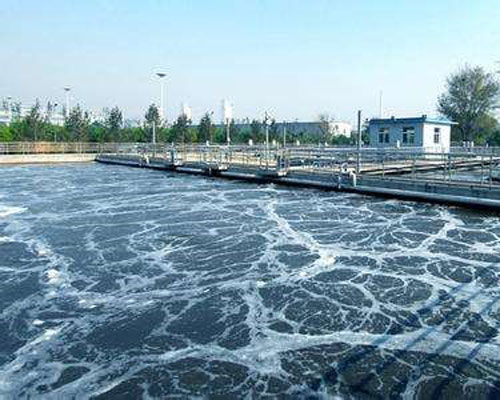
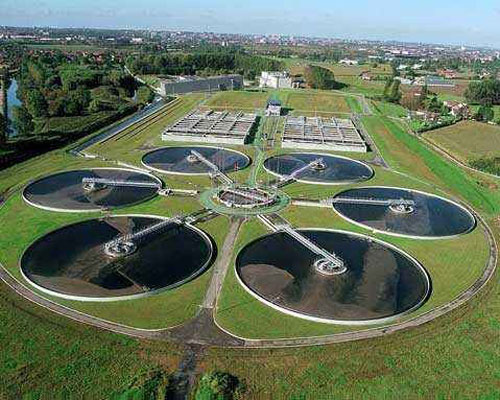
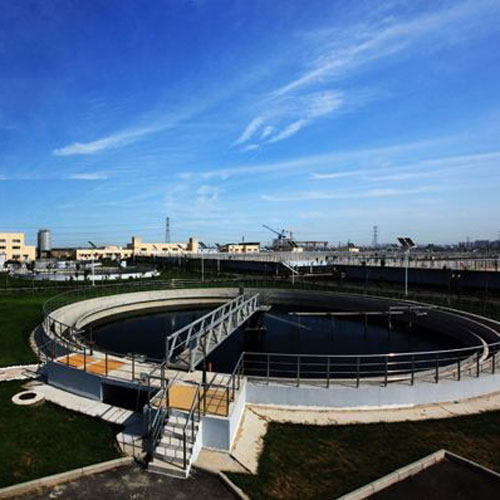
In solid-liquid separation, polyacrylamide accelerates floc formation by charge neutralization and polymer bridging. In municipal plants, Cationic PAM neutralizes negatively charged organic sludge particles, enabling efficient dewatering in decanter centrifuges, belt filter presses, and plate-and-frame filter presses.
For industrial effluent (tanneries, textiles, electroplating, food processing), Anionic or Nonionic PAM rapidly clarifies wastewater, reducing Chemical Oxygen Demand (COD), Biological Oxygen Demand (BOD), and Total Suspended Solids (TSS).
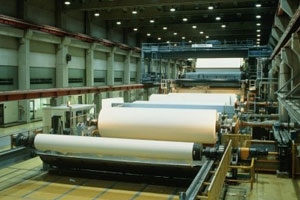
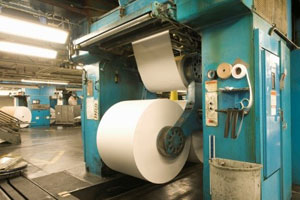
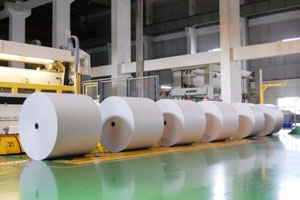
In paper manufacturing, PAM serves as a critical wet-end chemical enhancement agent:
In upstream petroleum engineering, High-Molecular-Weight Hydrolyzed Polyacrylamide (HPAM) is widely used for polymer flooding in tertiary oil recovery. By increasing injection water viscosity and controlling mobility ratio, HPAM enhances reservoir sweep efficiency.
In drilling mud formulations, PAM acts as a shale inhibitor, fluid loss control agent, and viscosity building thickener, protecting drill bits and stabilizing borehole walls in high-temperature, high-salinity (HTHS) environments.


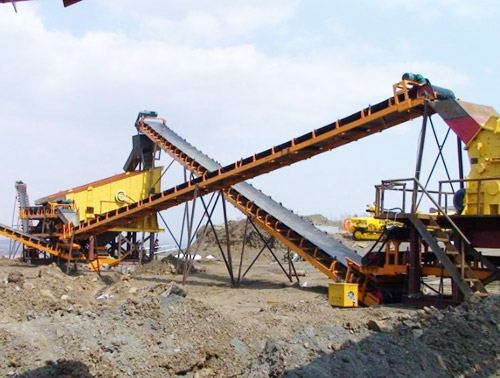
In coal preparation plants and mineral processing (Gold, Copper, Iron, Alumina, Uranium, Lithium), rapid solid-liquid separation is critical for water reuse and tailings management. Anionic and Nonionic PAM polymers accelerate thickener settling rates, clarify plant process water, and dewater fine tailings to achieve zero liquid discharge (ZLD).


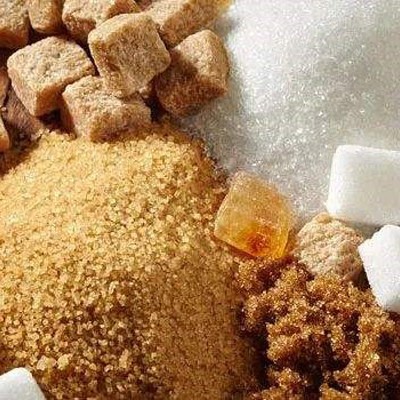
Sugar Industry: Anionic PAM accelerates juice clarification and froth flotation in sugarcane and sugar beet processing, producing clear, high-purity syrups.
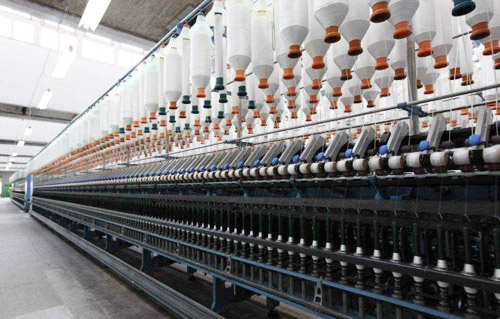
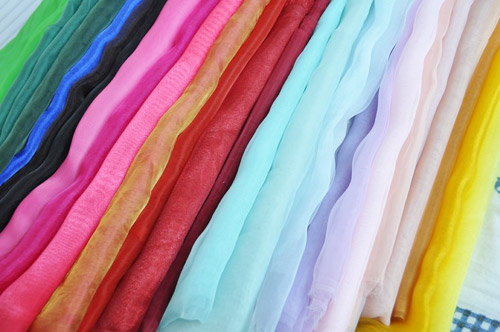
Textile & Dyeing: PAM functions as a textile sizing agent, warp size additive, and fabric finishing agent, while CPAM removes stubborn color dyes from textile discharge water.
Agriculture: Soil-grade PAM reduces erosion, prevents soil crusting, and enhances water retention in arid farming regions.

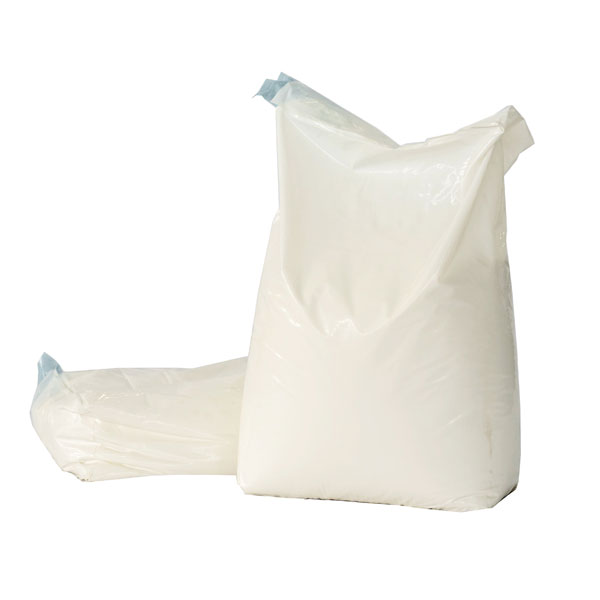
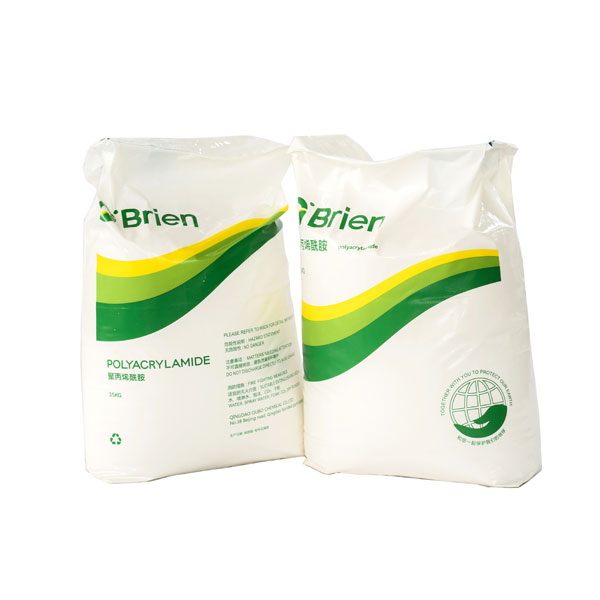
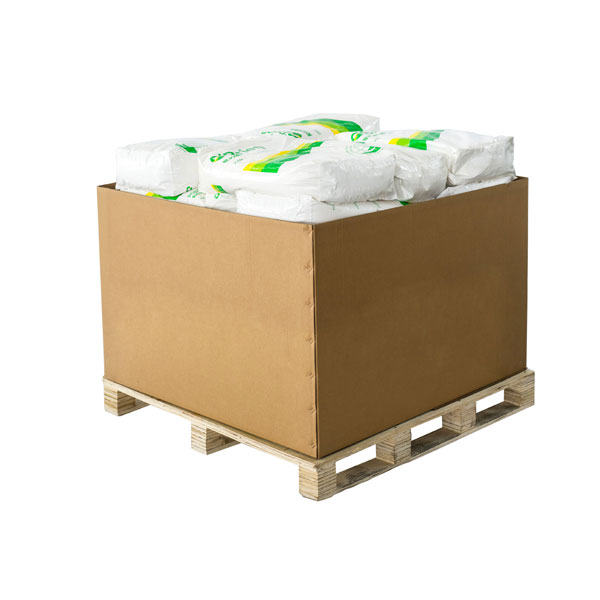
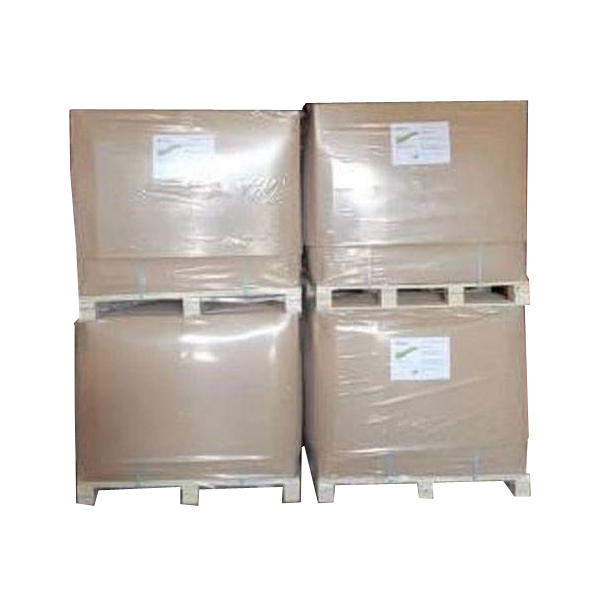
Oubo Chemical ensures optimal chemical preservation during transoceanic transit. Polyacrylamide powder is hygroscopic; thus, moisture-proof packaging standards are rigorously enforced.
Addressing the technical, operational, and commercial queries of global procurement officers and chemical engineers.
Explore additional targeted PAM powder polymers manufactured for coal washing, oilfield drilling fluids, and industrial effluent treatment.
 Oubo Chemical