Direct supply of high-molecular weight polymers engineered for municipal, paper, oilfield, and industrial separation.
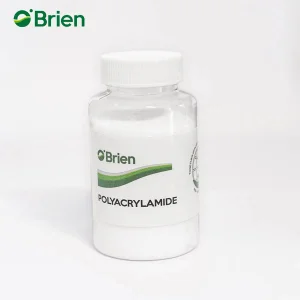
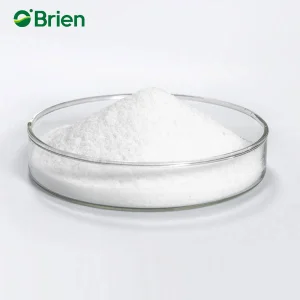
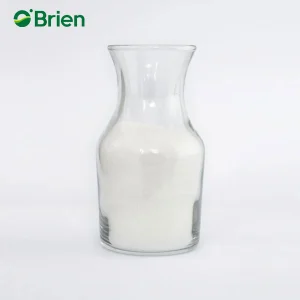
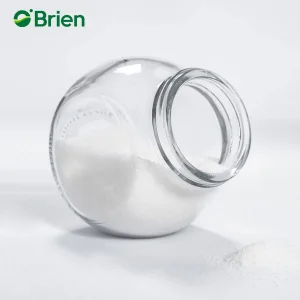
Qingdao Oubo Chemical Co., Ltd. leads global macromolecular innovation with rigorous quality engineering and certified manufacturing capability.
Founded in 2011 within the Qingdao Free Trade Zone, Qingdao Oubo Chemical Co., Ltd has evolved into a internationally recognized manufacturer of high-performance water-soluble synthetic polymers. Operating under the strategic brand O'brien, our operational methodology integrates advanced biological synthesis, automated continuous polymerization, and strict multi-tier quality control systems.
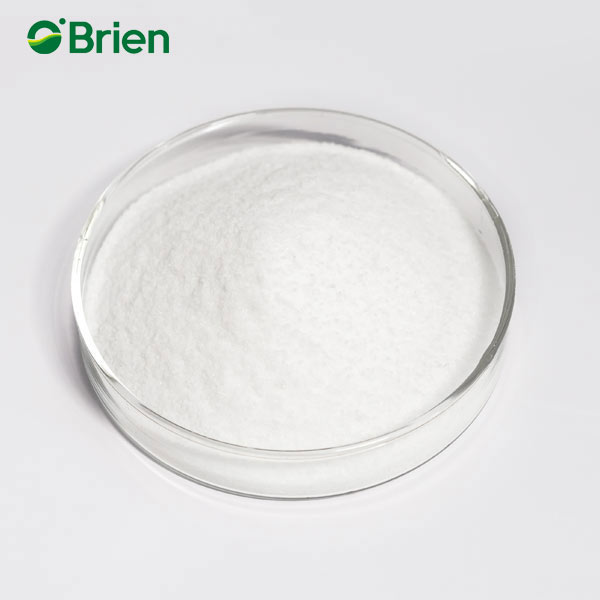
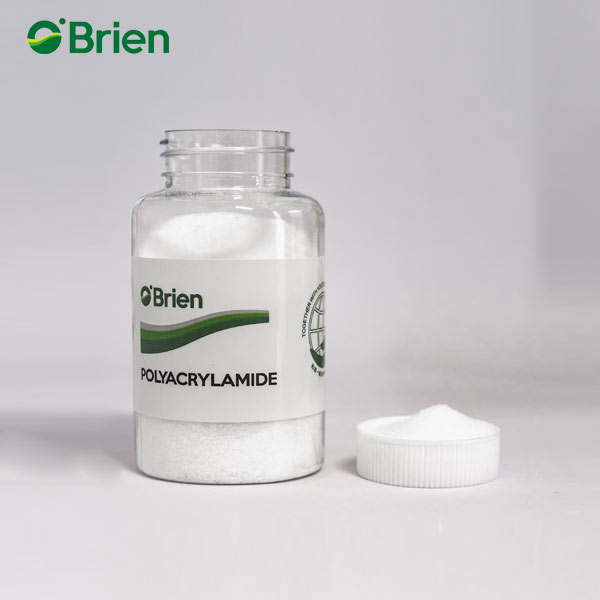
Polyacrylamide (PAM, CAS 9003-05-8) serves as the primary backbone for modern solid-liquid separation dynamics. Synthesized via the catalytic polymerization of acrylamide (AM) monomers, PAM polymers are tailored into specific ionic structures—Cationic (CPAM), Anionic (APAM), Nonionic (NPAM), and Amphoteric configurations. By precisely adjusting the molecular weight (ranging from 3 Million to over 22 Million Daltons) and charge density (10% to 80%), Oubo Chemical delivers customized molecular chains that optimize flocculation, sedimentation, rheology modification, and mechanical dewatering across diverse global industrial ecosystems.
Understanding the synergistic dynamics of cationic surface activity, electrical double-layer charge neutralization, and polymeric bridging mechanisms.
Industrial suspensions and organic municipal sludges primarily carry negative electrostatic surface charges (negative Zeta Potential), preventing natural settling due to Coulombic repulsion. Cationic Polyacrylamide synthesized with monomers like DAC (Acryloyloxyethyltrimethyl ammonium chloride) or DMC (Methacryloyloxyethyltrimethyl ammonium chloride) introduces positive quaternary ammonium sites. These positively charged functional groups reduce electrostatic repulsion, collapsing the double layer and facilitating rapid micro-floc formation.
Beyond simple charge neutralization, high-molecular-weight CPAM chains extend into the liquid medium. A single long-chain polymer molecule adsorbs onto the surface of multiple suspended colloidal particles simultaneously. This multi-point adsorption forms robust, heavy structural bridges ("flocs") with high shear resistance. This dual mechanism drastically accelerates solid-liquid separation during high-speed decanter centrifugation and belt filter press operations.
Cationic Surfactant Polyacrylamide incorporates hydrophobic monomers alongside cationic charge centers. The hydrophobic segments associate in aqueous solutions to form temporary physical crosslinks. This hydrophobic association increases effective hydrodynamic volume, boosting viscosity and enhancing interfacial tension reduction. As a result, surface-active CPAM significantly improves water release efficiency in oily sludge dewatering and emulsified wastewater treatment.
| Product Category | Ionic Charge Degree (%) | Molecular Weight (Million Da) | Solid Content (%) | Primary Industrial Target Application |
|---|---|---|---|---|
| Cationic PAM (CPAM) | 10% - 80% (Low to Ultra-High) | 8.0 - 15.0 | ≥ 88% Powder / ≥ 30% Emulsion | Municipal Sludge Dewatering, Paper Retention Aid, Dyeing Effluent |
| Anionic PAM (APAM) | 5% - 60% (Low to High) | 12.0 - 22.0 | ≥ 88% Powder | Coal Washing, Mineral Processing, Petrochemical EOR, Sand Washing |
| Nonionic PAM (NPAM) | 0% - 5% (Neutral) | 5.0 - 12.0 | ≥ 88% Powder | Acidic Wastewater Processing, Soil Stabilization, Mining Tailings |
| Surfactant PAM Hybrid | 15% - 45% (Hydrophobic) | 6.0 - 10.0 | ≥ 90% Powder | Oily Sludge Dewatering, Emulsified Oil Separation, Tertiary Recovery |
Custom chemical formulations designed to overcome complex operational challenges across global manufacturing, energy, and environmental sectors.
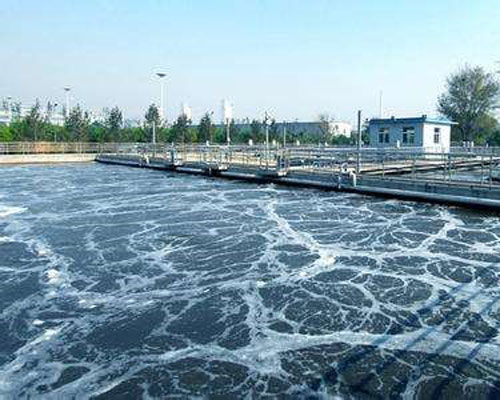
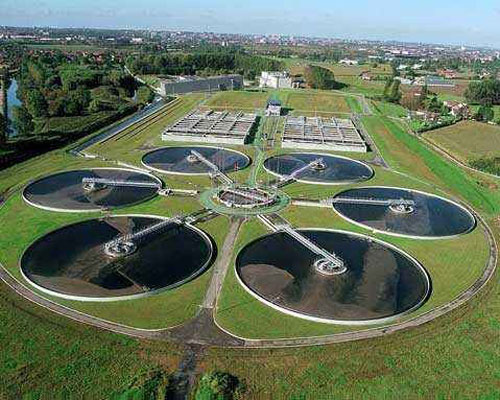
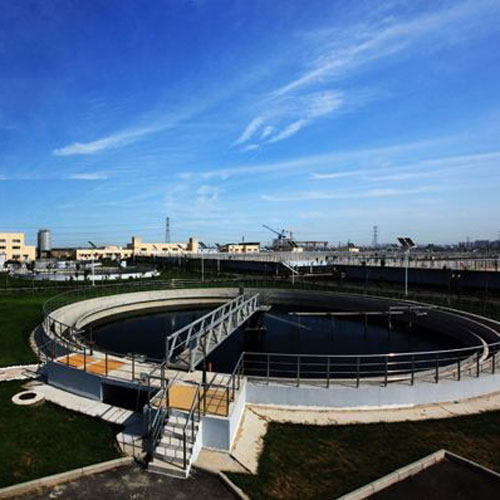
Stringent global discharge standards demand precise solid-liquid separation chemicals. In municipal sewage treatment plants (STPs), raw secondary and digested sludge contain high organic matter content with negatively charged cell walls. Oubo’s medium-to-high charge Cationic Polyacrylamide (CPAM) effectively neutralizes these charges, transforming gelatinous biomass into compact, fast-dewatering flocs. This process reduces cake moisture content, lowers hauling expenses, and optimizes filter press efficiency (including centrifuge decanters, belt presses, and multi-disk screw presses).
For industrial effluents—ranging from tannery, leather, citric acid, and pharmaceutical manufacturing to vegetable protein processing—Oubo provides customized APAM and CPAM series that decrease Chemical Oxygen Demand (COD), Biological Oxygen Demand (BOD), and Total Suspended Solids (TSS).
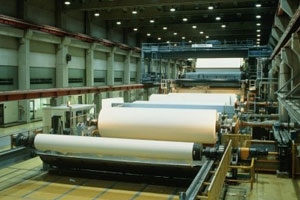
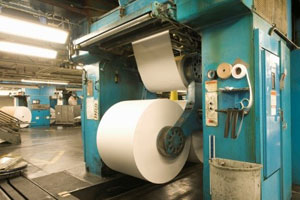
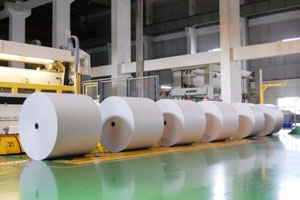
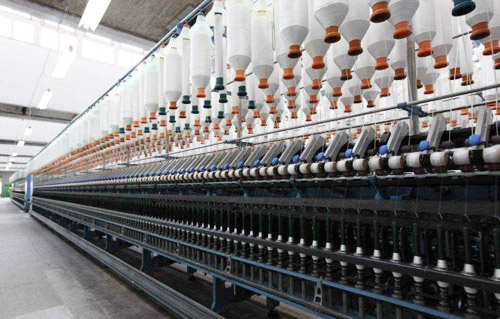
Modern high-speed paper machines demand advanced wet-end chemical additives to optimize productivity and paper quality:
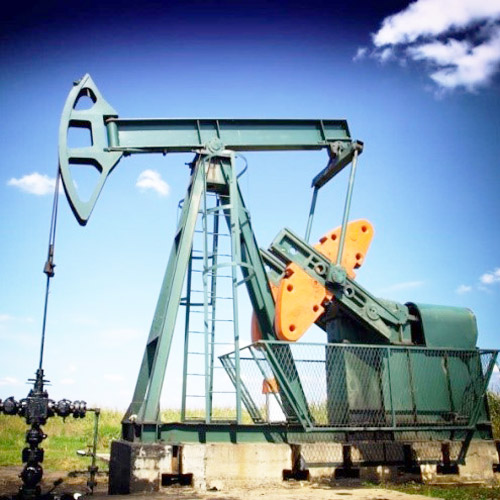
Polyacrylamide plays a critical role in upstream petroleum extraction and wellbore construction:
In Enhanced Oil Recovery (EOR), ultra-high molecular weight Anionic PAM increases the viscosity of injected water, improving sweep efficiency and mobility ratio to recover trapped crude oil from mature reservoirs. In Drilling Fluid Formulations, PAM serves as a shale inhibitor, viscosifier, and fluid-loss control additive, stabilizing shale formations, cooling drill bits, and bringing drill cuttings to the surface. Furthermore, friction-reducing PAM formulations serve as high-friction reducers in hydraulic fracturing, minimizing pumping power requirements in tight gas and shale oil developments.

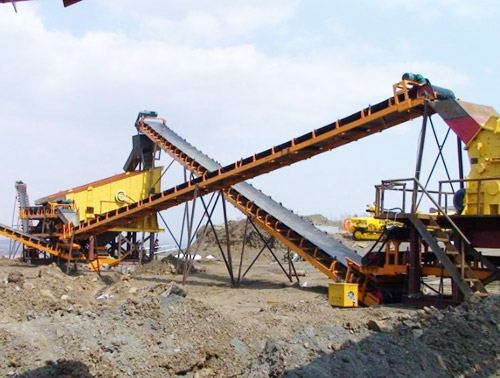
Solid-liquid separation chemical efficiency dictates operational throughput and tailing dam safety in global mining systems:
Oubo’s heavy-duty Nonionic and Anionic Polyacrylamides excel in coal washing slurry settling, gold, silver, copper, iron ore, and alumina mineral leaching separation, as well as red mud sedimentation in Bayer process refineries. By promoting rapid aggregate settling, PAM enables instant clean water recycling while consolidating fine mineral tailings for dry stacking, meeting strict environmental compliance mandates.


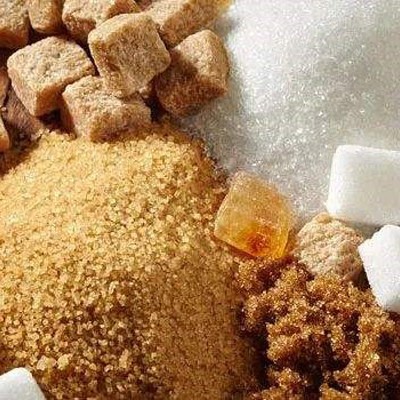
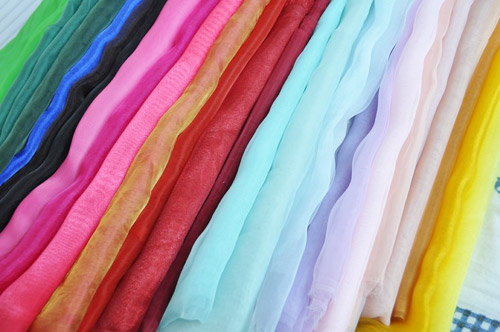
In Textile Dyeing Wastewater, highly colored reactive dye complexes carry high anionic charges. Oubo’s specialized cationic surfactant polyacrylamide acts as a powerful decolorizing coagulant, breaking color emulsion rings and aggregating dye complexes for easy removal via Dissolved Air Flotation (DAF). In the Sugar Industry, food-grade APAM polymers facilitate rapid clarification and flotation of sugar cane juice, removing insoluble suspended solids while adhering to strict health and safety standards.

Uncompromising chemical quality, innovative synthesis technologies, and end-to-end technical support across global supply chains.
Qingdao OUBO Chemical Co., Ltd is a globally recognized manufacturer of Polyacrylamide. We utilize advanced biological enzymatic methods for acrylamide monomer synthesis—a patented zero-byproduct process that yields high-purity monomer without copper impurities. We invest over €2 million annually into chemical R&D to drive continuous product innovation.
Our raw materials are ethically sourced from tier-one global chemical leaders including SINOPEC, Eni, and other world-class suppliers. Operating fully automated continuous production lines certified under ISO 9001:2008, every production batch undergoes 3 rigorous Quality Control (QC) inspections prior to dispatch, guaranteeing consistent purity and performance.
With over a decade of chemical engineering specialization, our dedicated technical team assists clients across pre-sales jar testing, sample selection, plant trials, and post-sales dosing optimization. We promise tailor-made molecular weight selection for your unique slurry chemistry.
We are deeply committed to environmental protection during polymer manufacturing and application. Oubo operates with sustainable energy practices and robust eco-management standards to protect our planet alongside our global client base.
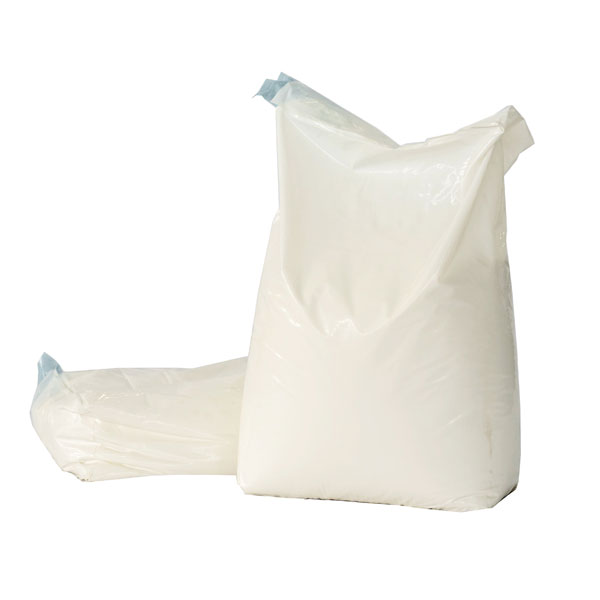
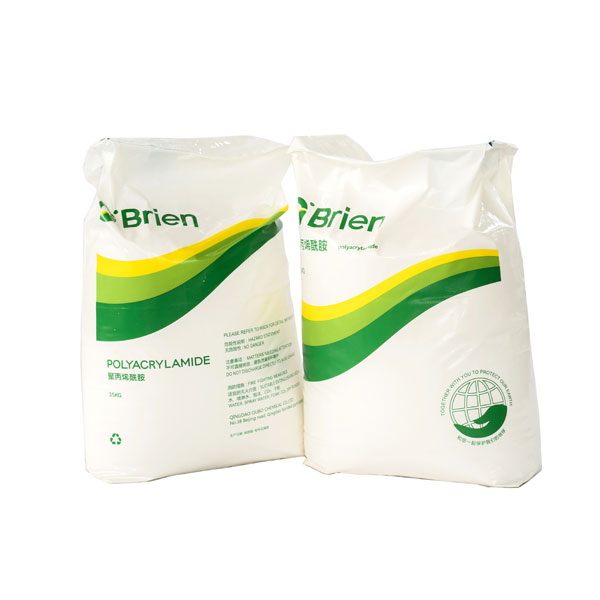
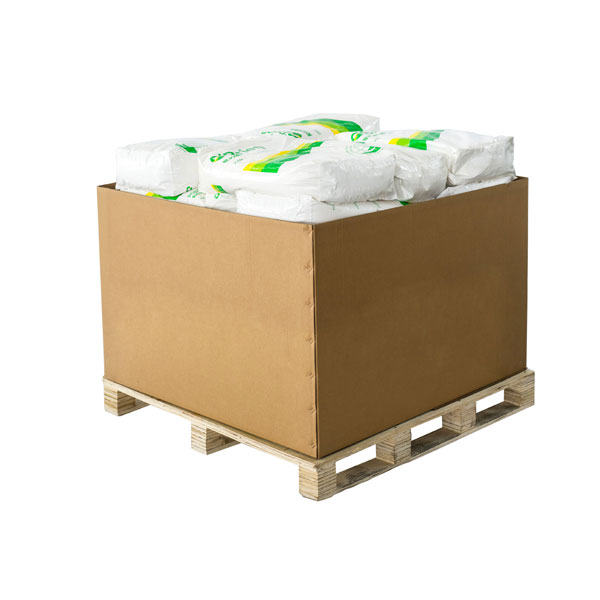
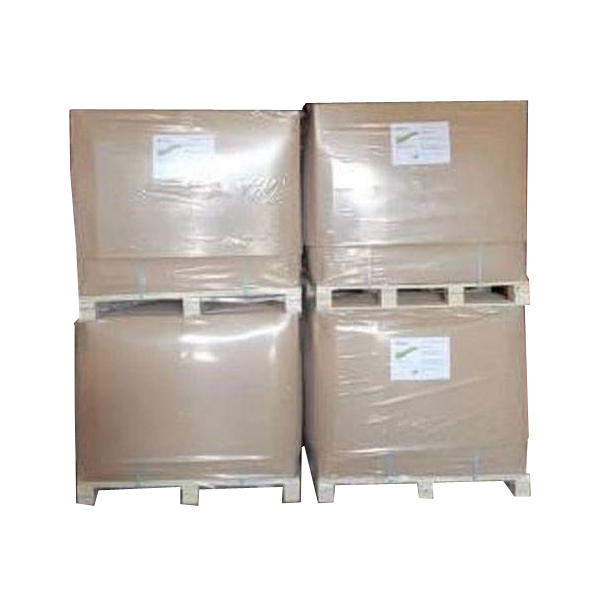
All Polyacrylamide products are packed in high-integrity moisture-proof bags engineered for multi-modal ocean and land freight across extreme climate zones.
Pioneering next-generation macromolecular chemistry for smart dosing, zero-sludge discharge, and bio-based polymer manufacturing.
Transitioning entirely to third-generation microbial enzymatic conversion processes. This bio-catalytic route reduces carbon emissions during synthesis by over 35% compared to chemical catalysis, eliminating nitrile residuals and delivering ultra-pure monomers suitable for sensitive drinking water and food processing applications.
Developing liquid inverse-emulsion PAM polymers boasting rapid dissolution kinetics (<5 minutes vs. 45 minutes for traditional powders). These stabilized micro-emulsion systems feature zero dust exposure, high shear stability, and automated in-line continuous dosing system integration.
Integrating real-time turbidity, streaming current monitors (SCM), and Zeta potential feedback loops into automated chemical feeding units. Smart algorithms dynamically adjust polymer dosage to match real-time fluid fluctuations, preventing over-dosing and cutting client chemical costs by 15-25%.
Browse our complete catalog of certified Cationic, Anionic, and Nonionic Polyacrylamide formulations.
Expert answers regarding polymer selection, dissolution protocol, shear degradation, and storage guidelines.
Selection depends on organic volatile solids content in the sludge. High-organic sludges (e.g., biological municipal sludge, food processing waste) require high charge density CPAM (40%-60%). Low-organic industrial sludges or primary clarifier sludges respond better to low-to-medium charge CPAM (10%-30%). Laboratory jar testing and capillary suction time (CST) measurements are strongly recommended to determine exact requirements.
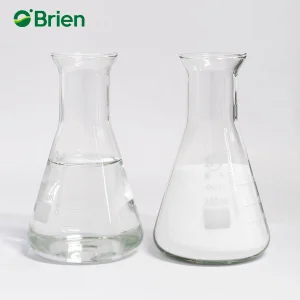
Dissolve dry powder PAM in clean water at a concentration of 0.1% to 0.3% (w/v). Slowly sprinkle powder into the vortex of stirring water to prevent agglomeration ("fish eyes"). Agitate at low shear speeds (200-400 RPM) for 45 to 60 minutes until fully dissolved. Avoid high-shear mixing, which degrades long molecular chains and reduces performance.
Standard CPAM relies solely on charge neutralization, which can fail when heavy oil droplets coat suspended solids. Cationic surfactant PAM incorporates hydrophobic groups that penetrate oil films, demulsifying oil droplets while simultaneously neutralizing surface charges, accelerating dewatering and producing clearer filtrate.
Unopened dry powder PAM stored in cool, dry conditions has a shelf life of 24 months. Once dissolved in aqueous solution, the liquid solution should be used within 24 to 48 hours, as hydrolyzed chains gradually degrade in water. Store in fiberglass, plastic, stainless steel, or coated carbon steel containers—avoid contact with unlined iron or copper fittings.
 Oubo Chemical