Technical Whitepaper & Industrial Procurement Guide

China Cationic Polyacrylamide Suppliers & Factories

Next-Generation Bio-Catalytic CPAM Polymers, Molecular Engineering, and Global Supply Chain Optimization for Industrial Wastewater, Papermaking, and Energy Infrastructure

Featured Polymer Solutions

Explore our high-performance Cationic, Anionic, and Nonionic Polyacrylamide formulations certified for global enterprise deployment.
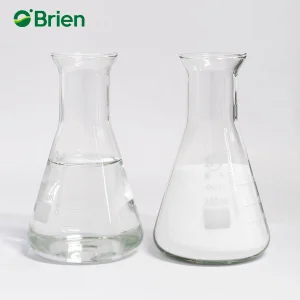
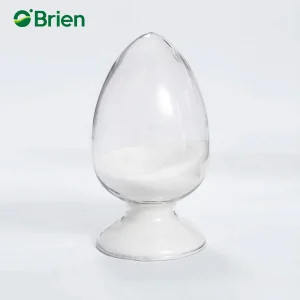
Wholesale Anionic Polyacrylamide Powder Flocculant
Wholesale Anionic Polyacrylamide Powder Flocculant for Food Processing & Sugar Refining Wastewater Manufacturer, Factories
View Technical Specs
China Cationic polyacrylamide Manufacturer
China Cationic polyacrylamide Manufacturer, Supplier
View Technical Specs
Wholesale Cationic Polyacrylamide Powder
Wholesale Cationic Polyacrylamide Powder for Municipal & Industrial Wastewater Treatment Supplier, Suppliers
View Technical Specs
High Molecular Weight Anionic Polyacrylamide
Wholesale High Molecular Weight Anionic Polyacrylamide for Petrochemical & Metallurgical Wastewater Suppliers, Factories
View Technical Specs
Anionic Polyacrylamide APAM
Wholesale Anionic Polyacrylamide (APAM) for Municipal Sewage Treatment & Sludge Dewatering Manufacturers, Suppliers
View Technical Specs
China Nonionic Polyacrylamide Manufacturers
China Nonionic Polyacrylamide Manufacturers, Supplier
View Technical Specs
Cationic Polyacrylamide CPAM Sludge Dewatering
Wholesale Cationic Polyacrylamide (CPAM) for Sludge Dewatering & Industrial Wastewater Flocculation Supplier, Factories
View Technical Specs
Nonionic Polyacrylamide PAM Thickener
China Nonionic Polyacrylamide (PAM) Thickener for Oilfield Drilling Fluid Manufacturers, Suppliers
View Technical Specs

About Oubo Chemical Co., Ltd.

Established in 2011 within the Qingdao Free Trade Zone, China, Oubo Chemical Co., Ltd. has scaled to become a globally recognized leader in polyacrylamide manufacturing. Built on strict Quality Control (QC) infrastructure and sustained technological innovation, Oubo maintains a consistent annual business expansion exceeding 10%.

Operating high-precision continuous polymerization facilities, Oubo broke through the 50,000 Metric Ton annual output milestone in 2018. Fully accredited under ISO 9001:2008 quality management protocols, the organization integrates advanced bio-enzymatic acrylamide synthesis pathways, delivering eco-conscious, high-purity cationic, anionic, and nonionic polyacrylamides to over 60 countries.

Why Leading Procurement Teams Choose Oubo

  • Patent Bio-enzymatic Synthesis: Low toxicity & residual monomer < 0.05%.
  • Upstream Supply Integration: Direct raw material partnerships with SINOPEC & Eni.
  • R&D Capital Commitment: Over €2 Million invested annually in polymer physics research.
  • 3-Stage QC Protocol: Quadruple-tested batches before export dispatch.
50,000+
Annual Tonnage Capacity (MT)
€2.0M+
Annual R&D Capital Investment
ISO 9001
Certified Operations & QC
60+
Global Export Markets

Cationic Polyacrylamide Technical Fundamentals

Understanding charge density, molecular weight kinetics, and bio-catalytic polymerization in industrial liquid-solid separation.

Cationic Polyacrylamide (CPAM) (CAS Number: 9003-05-8) represents a linear high-molecular-weight synthetic water-soluble polymer synthesized through the copolymerization of nonionic acrylamide monomers with positively charged cationic monomers—primarily Acryloyloxyethyltrimethyl ammonium chloride (DAC) or Methacryloyloxyethyltrimethyl ammonium chloride (DMC). The resultant macromolecular chain features strong positive electrostatic charges, enabling rapid interaction with negatively charged suspended colloidal particles, organic biomass, and fine minerals.

Core Physical Form & Chemical Capabilities: Available predominantly as white free-flowing granular powders or micro-emulsions, CPAM functions via two synergistic primary mechanisms: Charge Neutralization (reducing the repulsive Zeta Potential of colloidal matter) and Bridging Flocculation (adsorbing onto multiple particles simultaneously to generate large, dense, shear-resistant flocs).

Key Technical Parameters of Cationic Polyacrylamide

Selecting the precise chemical grade requires adjusting two crucial control parameters to match specific sludge matrices or effluent chemistries:

Parameter Class Typical Range Industrial Target Applications Performance Impact
Charge Density (%) 10% - 80% (Mole %) High organic municipal sludge, belt presses, screw presses Determines charge neutralization strength. Higher organic content requires higher charge density.
Molecular Weight (MW) 6 Million - 15 Million Daltons Decanter centrifuges, high-shear dewatering, paper retention Controls polymer chain length and floc size. Higher MW enhances bridging resistance under centrifugal shear.
Solid Content (%) ≥ 88% - 90% Standard dry powder formulations Ensures rapid dissolution rate, storage shelf stability, and low transport bulk weight.
Residual Monomer < 0.05% (500 ppm) Municipal drinking water, sensitive environmental discharge Minimizes environmental toxicity; essential for compliance with international safety norms.

Bio-Catalytic Acrylamide Synthesis (The Oubo Edge)

Unlike traditional chemical catalytic routes utilizing copper catalysts—which leave behind micro-copper residues and broader molecular weight distributions—Oubo employs a proprietary biological enzymatic hydration method to produce pure Acrylamide monomer from Acrylonitrile. This bio-catalytic process yields superior linearity, prevents cross-linking side reactions, and reduces toxic free monomer impurities to industry-leading lows. As a direct result, Oubo CPAM polymers achieve higher effective molecular weights and superior solubility dynamics during field preparation.

Macro-Industry Application Matrix

Customized chemical formulations engineered for extreme shear conditions, diverse pH environments, and aggressive industrial effluents.

Municipal & Industrial Wastewater

CPAM is the standard flocculant for municipal sewage treatment plants and heavy industrial wastewater. It excels in biological primary/secondary sludge dewatering using belt filter presses, centrifuges, and multi-disk screw presses. It drastically increases cake dry solids % while delivering crystal-clear filtrate effluent.

Pulp & Paper Manufacturing

Acts as an ultra-efficient retention agent, filter aid, and wet-end drainage accelerator. Neutralizes anionic garbage, locks short fibers and fillers into the paper web, enhances dry/wet structural strength, and clarifies papermaking white water for closed-loop recirculation.

Textile Processing & Dyeing Effluent

Complex dyehouse effluents containing high color, COD, and suspended organics require cationic charge neutralization. CPAM aggressively coagulates colloidal dye molecules, heavy surfactants, and sizing agents, enabling rapid solid-liquid separation via Dissolved Air Flotation (DAF).

Petrochemicals & Enhanced Oil Recovery

Used extensively as a friction reducer in hydraulic fracturing fluids, shale stabilizer, and drilling mud additive. High molecular weight cationic polyacrylamides assist in fluid-loss control, drill bit lubrication, and produced-water clarifying in refinery operations.

Mining & Tailings Thickening

In coal preparation, gold leaching, copper recovery, and alumina processing, cationic polymers rapidly settle mineral slurries. CPAM accelerates tailings thickener clarification, improving recycling rates of process water while creating stable, compact stackable tailings.

Food Processing & Sugar Refining

Specially synthesized ultra-low toxicity CPAM formulations facilitate juice clarification, sugar liquor filtration, and protein extraction wastewater solid recovery without introducing harmful chemical impurities into food production chains.

China Factory 4.0: Supply Chain & Efficiency Advantages

How automated continuous polymerization and strategic port logistics guarantee commercial reliability and batch-to-batch consistency.

Global enterprise chemical buyers face mounting pressure around price volatility, batch variance, and supply chain disruptions. As a top-tier Chinese polyacrylamide enterprise, Oubo Chemical mitigates these risks by integrating Industry 4.0 manufacturing processes with strategic geographic assets:

  • Raw Material Cost & Quality Defense: Oubo maintains long-term raw material supply contracts with world-class monomer producers such as SINOPEC and Eni. Direct pipeline and bulk supply of high-purity Acrylonitrile ensures absolute raw material quality control while hedging against global chemical price spikes.
  • Continuous Automated Polymerization: Utilizing computerized DCS continuous gel polymerization lines, reaction temperatures, initiator injection speeds, and monomer concentrations are monitored in real time. This eliminates human error inherent in traditional batch reactor setups, achieving tight control over molecular weight distribution.
  • Qingdao FTZ Logistics Speed: Located directly inside the Qingdao Free Trade Zone, Oubo leverages direct access to one of Asia's largest deep-water ocean shipping hubs. Freight handling delays are minimized, custom clearance is streamlined, and international container shipments reach Europe, the Americas, and Southeast Asia with minimal lead times.
Packaging & Export Flexibility: To service diverse global enterprise operations, Oubo supports multiple standard and OEM packaging configurations:
25kg Kraft Paper Bags 750kg Jumbo Bulk Bags Custom Blank Packaging Palletized Shrink-Wrapped Export Units

Polymer R&D Roadmap & Technological Future

Pioneering smart responsive polymers, ultra-branched architectures, and zero-carbon chemical manufacturing.

Smart Responsive CPAM Polymers

Oubo's laboratory teams are developing next-gen stimulus-responsive polyacrylamides that adjust their configuration based on effluent pH and temperature shifts, drastically reducing required chemical dosage in complex industrial wastewater matrices.

Hyper-Branched Architectures

By engineering non-linear, hyper-branched polyacrylamide chains, Oubo is creating polymers that maintain exceptional shear resistance in high-speed centrifuges without experiencing premature molecular backbone cleavage.

Bio-Based & Low Carbon Monomers

In response to global Net-Zero carbon targets, research is underway to synthesize acrylamide precursors from renewable biological feedstocks, decreasing carbon footprint while upholding technical performance standards.

Global Enterprise Procurement Guide: Optimizing TCO

Evaluating chemical price per ton versus real active dosage efficiency in industrial dewatering operations.

When procuring Cationic Polyacrylamide at enterprise scale, relying solely on price per metric ton leads to false economy. Chemical efficiency is defined by the total cost to treat one dry ton of sludge (TCO). Procurement managers must conduct systematic bench testing before issuing supply contracts:

1. Standard Jar Testing

Simulates plant coagulant and flocculant mixing dynamics. Evaluates floc formation speed, clarity of supernatant water, and settles time across varying charge density samples (20% to 60% CPAM).

2. Capillary Suction Time (CST)

Measures the filterability and water release rate of treated sludge under suction. Shorter CST times correlate directly to higher throughput on industrial dewatering centrifuges and filter presses.

3. Specific Resistance to Filtration

Determines cake dryness potential. Higher quality, high-molecular-weight CPAM lowers filtration resistance, producing drier sludge cakes that significantly reduce downstream sludge disposal fees.

Compliance, Quality Assurance & Global Support

Rigorous regulatory verification, environmental safety compliance, and direct field engineering assistance.

Oubo Chemical operates in complete compliance with international chemical management frameworks. Every batch shipped from our Qingdao facility is subject to strict quality verification, providing global clients with complete regulatory peace of mind:

Certification Standard Scope & Validation Customer Assurance Benefit
ISO 9001:2008 Quality Management System across overall manufacturing & QC Guarantees batch-to-batch polymer consistency and process traceability.
REACH Compliance European Chemicals Agency (ECHA) registration & verification Seamless compliance for import and distribution across the European Union.
NSF / ANSI Standard 60 Drinking Water Treatment Chemicals - Health Effects Evaluation Verifies non-toxicity safety for municipal potable water treatment contracts.

Furthermore, Oubo’s dedicated technical engineering team assists overseas procurement partners with pre-sales laboratory testing, grade selection, dissolution unit system design, and post-sales dosing optimization directly at the plant level.

Frequently Asked Questions (FAQ)

Expert engineering answers to common procurement, chemical preparation, and application questions.

Q1: How do I select the right Cationic Polyacrylamide (CPAM) charge density for sludge dewatering?
Selecting charge density depends primarily on the volatile organic solids ratio of the sludge. Organic sludge from municipal biological wastewater treatment typically requires medium-to-high charge density (30% to 60% cationic degree). Industrial inorganic slurries require low charge density (10% to 20%). A Jar Test is always recommended to pinpoint optimal dosage and cost-efficiency.
Q2: What is the ideal dissolution concentration and water temperature for CPAM powder?
CPAM dry powder should be dissolved to a concentration of 0.1% to 0.3% (w/v) using clean tap water. Recommended water temperature is between 20°C and 40°C. Water temperatures exceeding 50°C cause thermal degradation of high-molecular polymer chains, severe loss of viscosity, and reduced flocculation effectiveness.
Q3: How does Oubo's bio-catalytic acrylamide synthesis differ from traditional chemical synthesis?
Traditional chemical synthesis uses copper catalyst technology, which leaves residual heavy metal traces and leads to undesirable polymer chain branching. Oubo's bio-catalytic enzymatic process converts Acrylonitrile to Acrylamide at ambient temperature with near 100% selectivity. This yields ultra-pure, strictly linear polymer chains with significantly lower toxicity (free monomer < 0.05%) and higher shear resistance.
Q4: What causes polymer solution viscosity degradation over time?
Dissolved CPAM solutions gradually undergo chain hydrolysis and mechanical degradation over time. A freshly prepared 0.2% aqueous solution should ideally be consumed within 24 to 48 hours. Factors accelerating degradation include exposure to direct UV sunlight, strong mechanical high-shear stirring, iron ion contamination (which catalyzes chain cleavage), and alkaline pH (> 8.0).
Q5: Can Cationic Polyacrylamide be dosed together with inorganic coagulants like PAC or PFS?
Yes, dual-chemical treatment programs are standard industry practice. Inorganic coagulants (e.g., Polyaluminum Chloride - PAC) should be dosed first to neutralize fine colloidal charges and form micro-flocs. After brief mixing, CPAM is added downstream as a secondary flocculant to bridge micro-flocs into large, rapidly settling macro-flocs. Never mix neat concentrate chemicals together prior to dosing into effluent.
Q6: What lead times and shipping capabilities does Oubo offer for international orders?
Leveraging our manufacturing base in the Qingdao Free Trade Zone and direct deep-water ocean port connectivity, standard order lead times range between 7 and 14 days from contract confirmation. We supply full FCL container loads, multi-modal transport solutions, and maintain strategic buffer inventories for contract enterprise buyers.

Explore Complete Product Lineup

Direct supply options for specialized industrial manufacturing, paper mills, mining, and oilfield fluids.
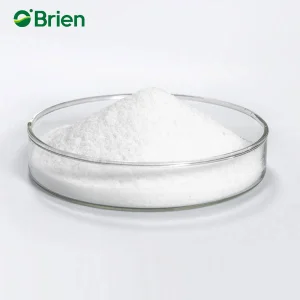
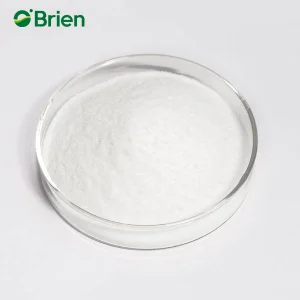
Wholesale Cationic Polyacrylamide CAS 9003-05-8
Wholesale Cationic Polyacrylamide (CAS 9003-05-8) Flocculant for Textile & Dyeing Wastewater Manufacturer, Supplier
View Technical Specs
Nonionic Polyacrylamide Coal Washing Tailings
Wholesale High Molecular Weight Nonionic Polyacrylamide for Coal Washing & Tailings Dewatering Manufacturers, Suppliers
View Technical Specs
Wholesale PAM Anionic Polyacrylamide
Wholesale PAM Anionic Polyacrylamide Manufacturer, Suppliers
View Technical Specs
Nonionic Polyacrylamide Acidic Industrial Wastewater
China Nonionic Polyacrylamide Flocculant for Acidic Industrial Wastewater Treatment Manufacturers, Factories
View Technical Specs
Cationic Polyacrylamide Paper Making Retention Aid
China Cationic Polyacrylamide Retention & Drainage Aid for Paper Making Industry Supplier, Factories
View Technical Specs
Wholesale Anionic Polyacrylamide Manufacturers
Wholesale Anionic Polyacrylamide Manufacturers, Supplier
View Technical Specs
PAM Anionic Polyacrylamide Paper Strength Agent
China PAM Anionic Polyacrylamide Dry & Wet Strength Agent for Paper Industry Manufacturers, Factories
View Technical Specs
Nonionic Polyacrylamide NPAM Mineral Processing
Wholesale Nonionic Polyacrylamide (NPAM) for Mineral Processing & Metallurgical Ore Dressing Suppliers, Factories
View Technical Specs