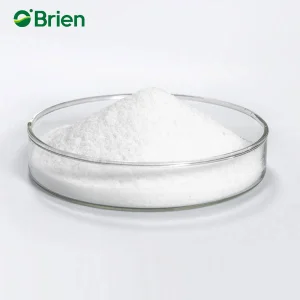
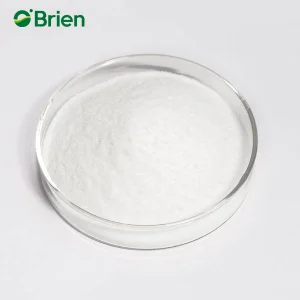
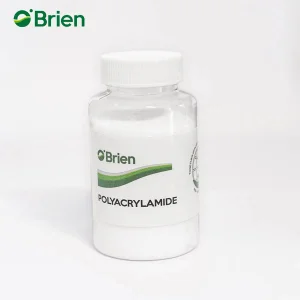
Explore our core selection of cationic, anionic, and nonionic polyacrylamide formulas engineered for extreme dewatering, clarification, and strength applications.
An in-depth analysis of chemical synthesis, charge density control, and molecular weight distribution in modern industrial applications.
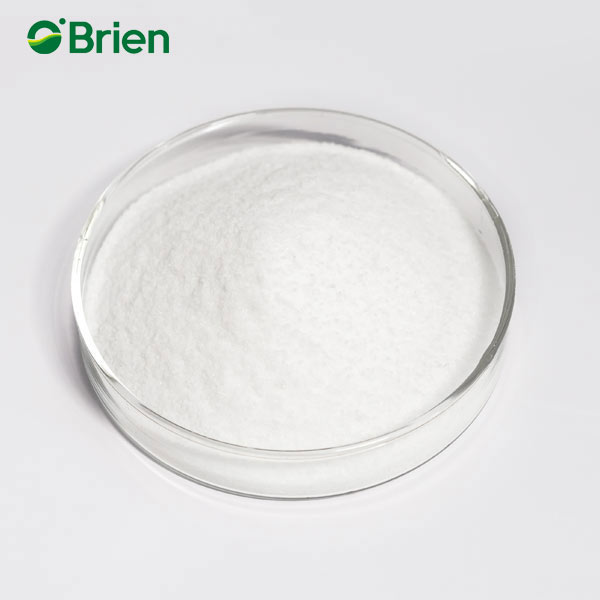
Industry Insights: Cationic Polyacrylamide (CPAM) is a linear water-soluble macromolecular polymer formed by copolymerizing acrylamide (AM) monomers with cationic monomers such as acryloyloxyethyltrimethyl ammonium chloride (DAC) or methacryloyloxyethyltrimethyl ammonium chloride (DMC). As a premier China Cationic Polyacrylamide Resin Manufacturer, Oubo Chemical leverages advanced bio-catalytic polymerization to deliver high-charge, ultra-high-molecular-weight resins optimized for difficult solid-liquid separation tasks.
The effectiveness of Cationic Polyacrylamide in waste processing and paper chemical applications stems from its dual action mechanism: charge neutralization and macromolecular bridging. Most organic suspended solids, municipal sludges, and biological waste matrices carry negative surface charges (Zeta Potential between -10 mV and -35 mV). The cationic functional groups (-N+(CH3)3) along the CPAM polymer backbone effectively neutralize these repelling charges, causing small colloidal particles to aggregate into micro-flocs.
Simultaneously, the long-chain acrylamide polymer backbone (with molecular weights extending from 5 Million up to 15 Million Daltons) adsorbs onto multiple suspended particles simultaneously. This bridging action builds heavy, densely structured macro-flocs that exhibit rapid settling velocity and superior shear resistance inside mechanical dewatering equipment such as decanter centrifuges, belt filter presses, and multi-disk screw presses.
| Polymer Type | Ionic Charge Degree (Mole %) | Molecular Weight (Million) | Primary Industrial Target |
|---|---|---|---|
| Low Charge CPAM | 10% - 20% | 10 - 14 M | Inorganic-rich organic sludge, paper retention aids, river dredging. |
| Medium Charge CPAM | 25% - 45% | 8 - 12 M | Municipal biological sewage sludge, food processing wastewater, textile dyeing. |
| High Charge CPAM | 50% - 80% | 6 - 10 M | High-organic pharmaceutical sludge, meat processing effluent, chemical plant waste. |
| Anionic PAM (APAM) | 5% - 60% (Negative) | 8 - 22 M | Mineral processing, coal tailings, oilfield EOR, neutral/alkaline water. |
| Nonionic PAM (NPAM) | 0% - 5% | 6 - 12 M | Acidic industrial effluent, soil stabilization, specialized mining processes. |
Key economic, regulatory, and technological shifts transforming the global cationic polyacrylamide market.
Global environmental mandates across Europe, North America, and Asia-Pacific require industrial facilities to recycle up to 95% of process water. High-performance CPAM resins accelerate dewatering efficiency, allowing plants to achieve lower cake moisture and reduce sludge disposal costs significantly.
Traditional chemical catalytic production of acrylamide generates toxic byproducts and residual monomers. Modern manufacturers like Oubo Chemical employ patented bio-enzymatic synthesis. This yields acrylamide with higher purity, zero copper contaminants, and better polymer chain elasticity.
High-speed centrifuges operating at over 3,000 RPM subject flocs to extreme mechanical shear force. Advanced CPAM formulations with customized branch structures maintain floc integrity, ensuring clean filtrate supernatant without blinding filter cloths.
Established in 2011 in the Qingdao Free Trade Zone, Oubo Chemical Co., Ltd is an international powerhouse in synthetic polymer manufacturing.
Qingdao OUBO Chemical utilizes proprietary biological enzymatic methods to produce ultra-pure polyacrylamide. With continuous R&D accumulation exceeding €200M, our biological process guarantees long polymer chain integrity and high activity.
We source raw chemical monomers from global chemical leaders including SINOPEC and Eni. Our fully automated continuous polymerization lines eliminate batch-to-batch variation, ensuring consistent product performance across multi-ton orders.
Every single production batch undergoes 3 rigorous quality control test points (monomer purity, viscosity testing, and charge density titration) prior to dispatch. Our management system holds full ISO9001:2008 accreditation.
Our dedicated chemical engineers actively participate in pre-sales jar testing, sample analysis, full-scale plant trial selection, and on-site dosing equipment calibration for optimal economic efficiency.
Customized chemical strategies engineered for challenging process water and wastewater matrices globally.
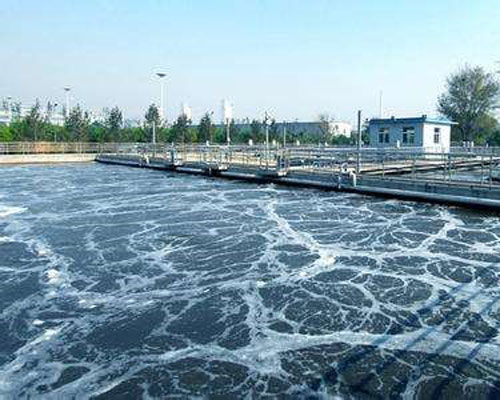
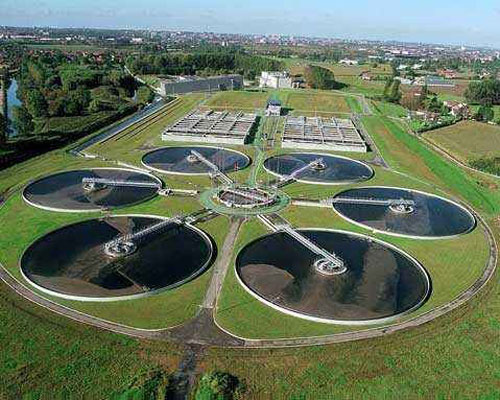
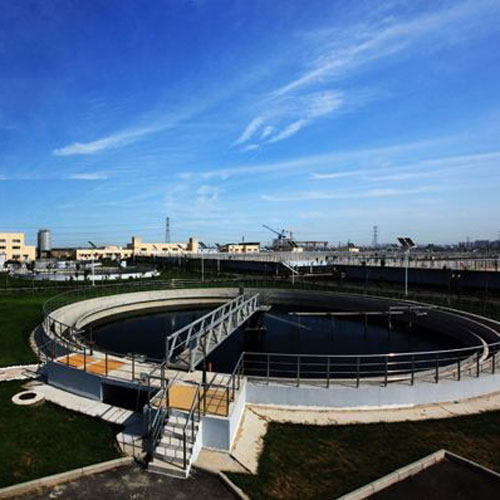
In municipal sewage treatment and specialized industrial effluent processing (leather, citric acid, pharmaceuticals, vegetable protein extracts), solid-liquid separation is critical. Cationic Polyacrylamide serves as the definitive dewatering flocculant. By binding to biological sludge particles, CPAM creates rapidly draining flocs, increasing dry cake solids by 3% to 8% while lowering chemical dosage requirement by up to 20%.
In modern paper production, CPAM acts as a multi-functional paper additive:
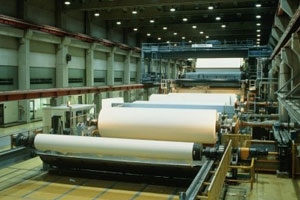
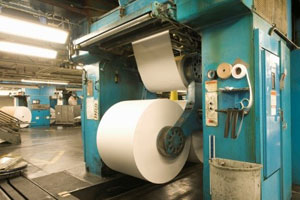
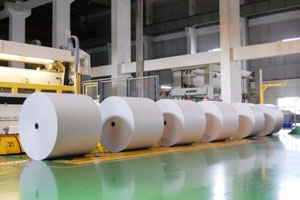
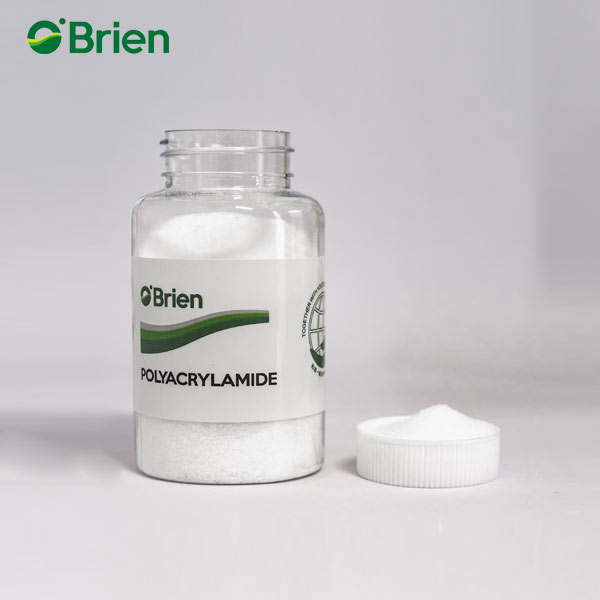
Oubo Polyacrylamide products play key roles across upstream drilling and downstream processing:


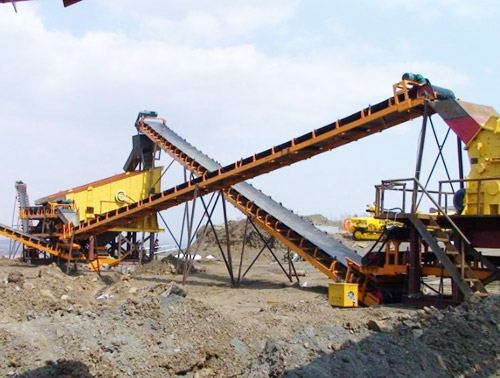
In coal washing, tailings thickener management, and base metal extraction (Gold, Copper, Silver, Nickel, Iron, Aluminum), solid-liquid separation requires extreme performance. Nonionic and Anionic Polyacrylamides settle fine mineral fines rapidly, allowing clean water recovery and compliant tailings storage paste thickening.


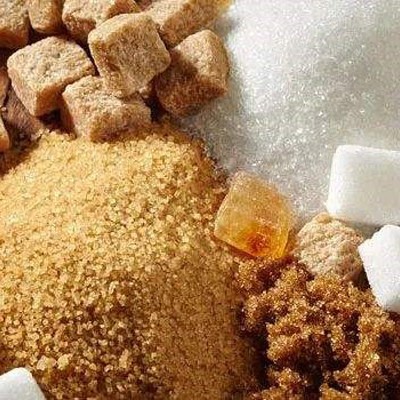
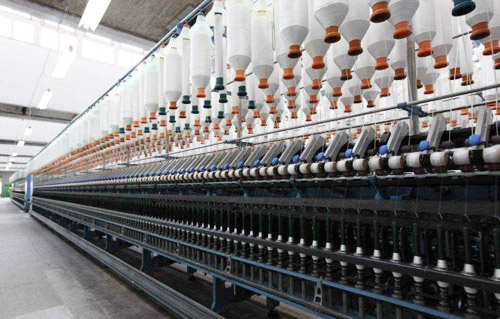
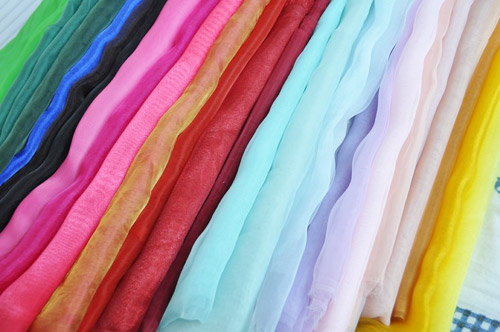
In Sugar Processing, Polyacrylamide additives clarify sugar juice and promote syrup filtration speed. In the Textile Industry, PAM functions as a sizing agent, fabric finishing aid, and primary color-decolorizing flocculant for complex dye house wastewater containing reactive dyes.

Pioneering ultra-low acrylamide monomer residual technologies and eco-friendly smart polymers.
Transitioning from traditional dry powder polymers to high-concentration water-in-oil micro-emulsions that dissolve within 3 to 5 minutes, significantly reducing site mixing energy and equipment footprint.
Optimizing post-polymerization extraction protocols to bring free acrylamide monomer content below 100 ppm, exceeding strict global drinking water treatment and food contact compliance regulations.
Developing hyper-branched cationic polyacrylamides capable of maintaining viscosity and charge density at downhole temperatures exceeding 140°C in deep oil and gas recovery projects.
Robust multi-layer protective packaging options engineered to preserve moisture resistance during long-distance maritime transit.
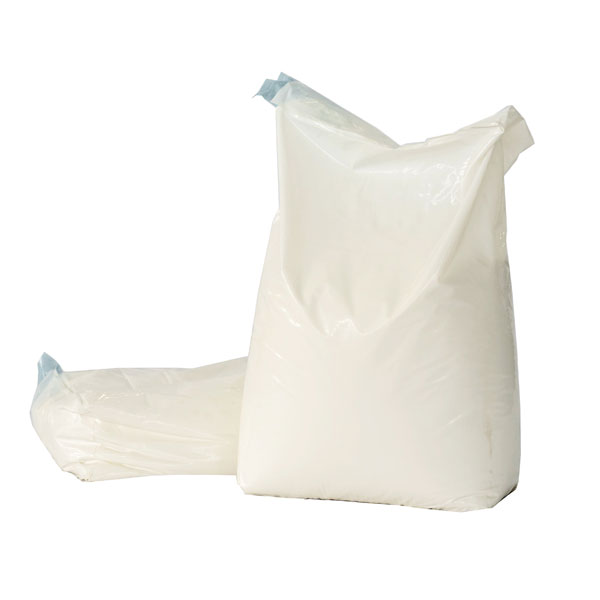
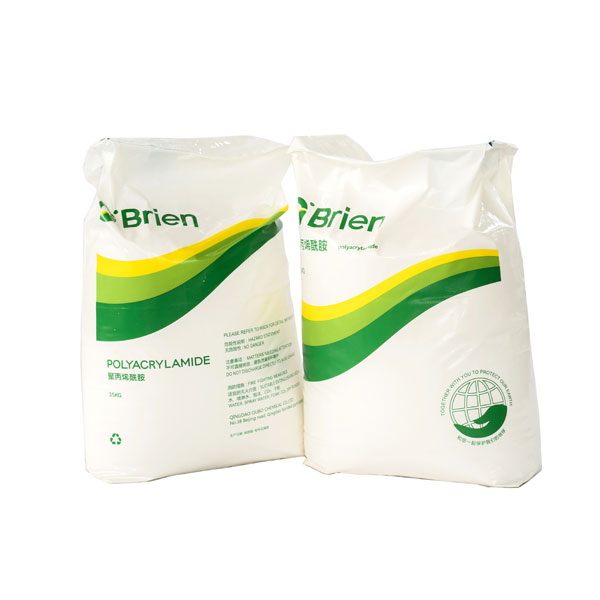
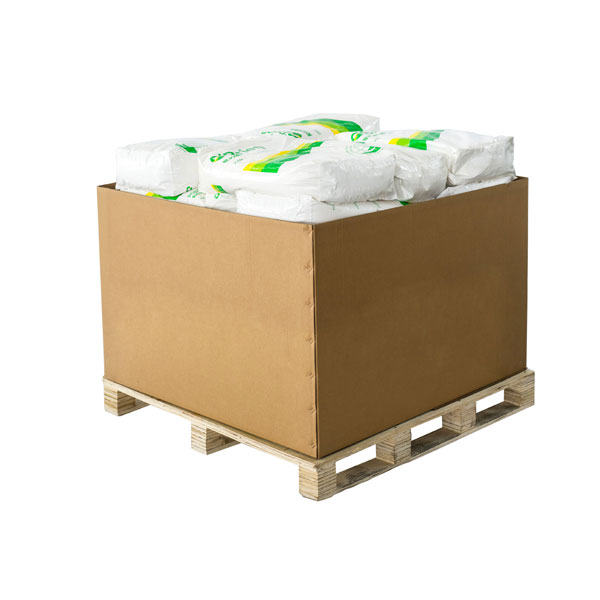
Select from our targeted chemical formulations designed for municipal sludge, mining tailings, and industrial water systems.
Direct answers to essential chemical engineering, dosage, and procurement questions.
 Oubo Chemical