Browse our core range of high-performance flocculants manufactured in Qingdao Free Trade Zone under ISO9001:2008 certification.
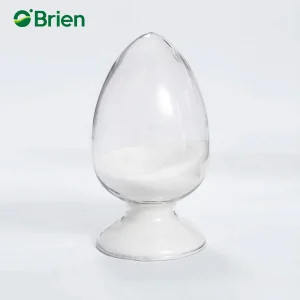
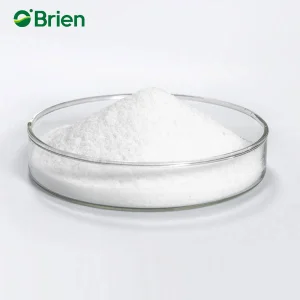
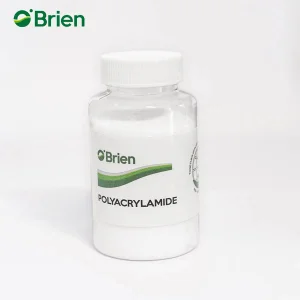
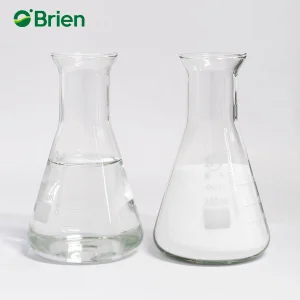
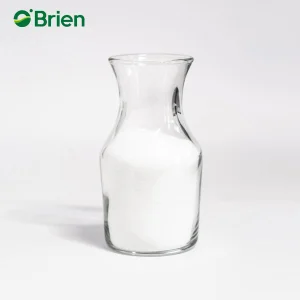
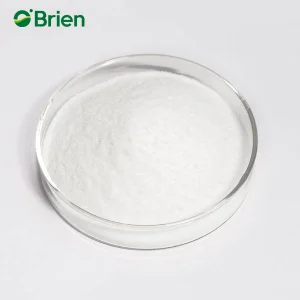
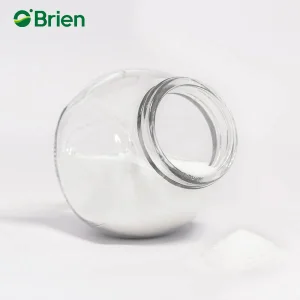
Qingdao Oubo Chemical Co., Ltd. delivers high-purity, bio-catalytically synthesized polyacrylamide polymers tailored for complex global industrial separation processes.
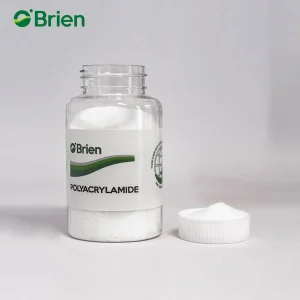
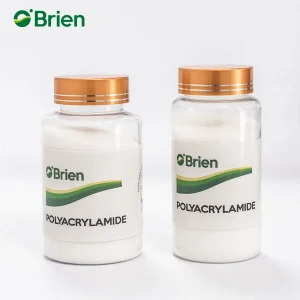
Polyacrylamide (PAM) is a linear, water-soluble polymer synthesized from acrylamide monomers. Cationic Polyacrylamide (CPAM) is produced by copolymerizing acrylamide with cationic functional monomers such as DAC (Acryloyloxyethyltrimethyl ammonium chloride) or DMC (Methacryloyloxyethyltrimethyl ammonium chloride).
Carrying positive electric charge groups along its molecular backbone, CPAM operates via dual mechanism: electrical charge neutralization of negatively charged colloidal particles (suspension solids, organic sludge, proteins) and interparticle polymer bridging. This dual action destabilizes suspended solids rapidly, leading to accelerated flock formation, rapid liquid-solid separation, and superior sludge cake dryness.
Established in 2011 within the Free Trade Zone of Qingdao, China, Qingdao Oubo Chemical Co., Ltd. operates state-of-the-art fully automated polymer production lines. Certified under ISO 9001:2008 quality management standards, Oubo maintains a strict 3-tier Quality Control protocol for every single batch prior to shipment.
Our annual production capacity crossed 50,000 Metric Tons in 2018, backed by an average annual business growth rate of 10%. By utilizing biological enzymatic synthesis—a technology with active patent protection—we achieve unprecedented polymer purity, ultra-high molecular weights, and exceptionally low residual acrylamide monomer content (<0.05%).
Select from our comprehensive lineup of CPAM grades engineered with tailored cationic degree (ionicity) and molecular weight configurations.
| Grade Category | Cationic Degree (Ionization Mol %) | Molecular Weight (Million Dalton) | Solid Content (%) | Dissolving Time (Mins) | Primary Industrial Applications |
|---|---|---|---|---|---|
| Low Cationic CPAM | 10% - 20% | 10.0 - 12.0 | ≥ 89% | ≤ 45 | Paper Retention Aid, Inorganic/Organic Mixed Sludge Dewatering, River Dredging |
| Medium Cationic CPAM | 30% - 40% | 8.0 - 11.0 | ≥ 89% | ≤ 40 | Municipal Wastewater Sludge Dewatering, Belt Filter Press, Centrifuge Dewatering |
| High Cationic CPAM | 50% - 60% | 8.0 - 10.0 | ≥ 89% | ≤ 40 | Textile Dyeing Effluent, Food Processing Sludge, Pharmaceutical Wastewater |
| Ultra-High Cationic CPAM | 70% - 80% | 6.0 - 8.0 | ≥ 89% | ≤ 35 | High-Organic Petrochemical Sludge, Tannery Wastewater, Dissolved Air Flotation (DAF) |
Integrating raw material supply chain excellence, advanced bioprocess engineering, and global technical support.
Oubo Chemical utilizes patented biological methods to produce acrylamide monomers and polyacrylamide polymers. Investing over €2 Million annually in R&D, our technical team continually pushes boundaries in polymer weight stability and eco-friendly manufacturing.
Our raw material supply chain partners include world-class suppliers like SINOPEC and Eni. Operating 100% automated production lines, each production batch undergoes 3 rigorous quality control tests prior to export dispatch, guaranteeing ISO9001 compliance.
With over 12+ years of manufacturing specialization in polyacrylamide, Oubo balances ultra-competitive direct factory pricing with high-grade chemical purity, leveraging our Qingdao Free Trade Zone tax and port logistics advantages.
Our dedicated chemical engineering team participates in pre-sales analysis, beaker jar testing, polymer dosage optimization, on-site trial runs, and post-sales technical troubleshooting to ensure zero downtime for your water treatment facility.
Discover how Oubo's cationic, anionic, and nonionic polyacrylamide series solve complex liquid-solid separation challenges across diverse sectors.
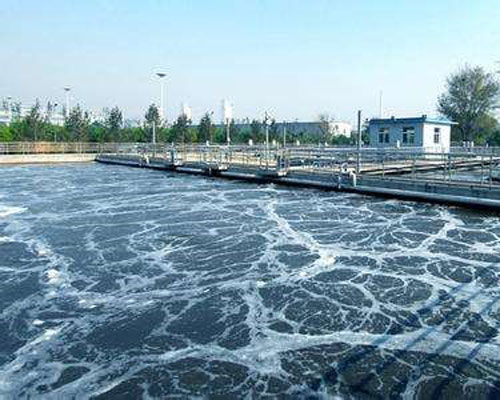
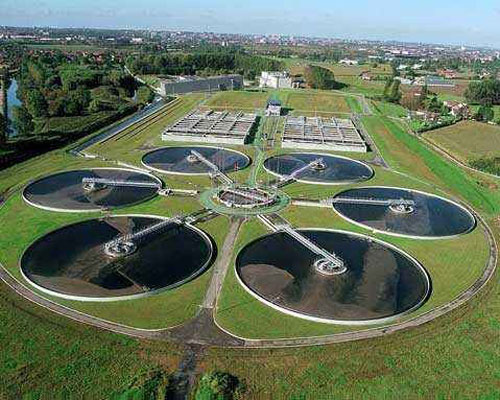
In municipal sewage plants and industrial wastewater facilities, CPAM functions as a primary flocculant during sedimentation, clarification, and sludge dewatering phases. When processed through centrifuge decanters, belt filter presses, or plate filter presses, Oubo CPAM generates large, dense flocs, reducing cake moisture levels to below 70-75% while maintaining clear filtrate supernatant.
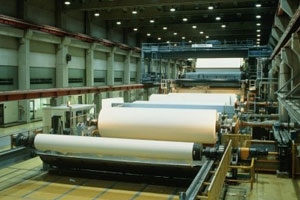

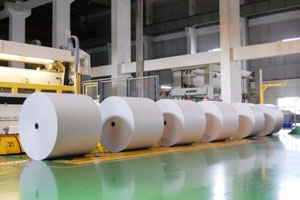
CPAM acts as a multi-functional wet-end chemical additive in paper manufacturing:
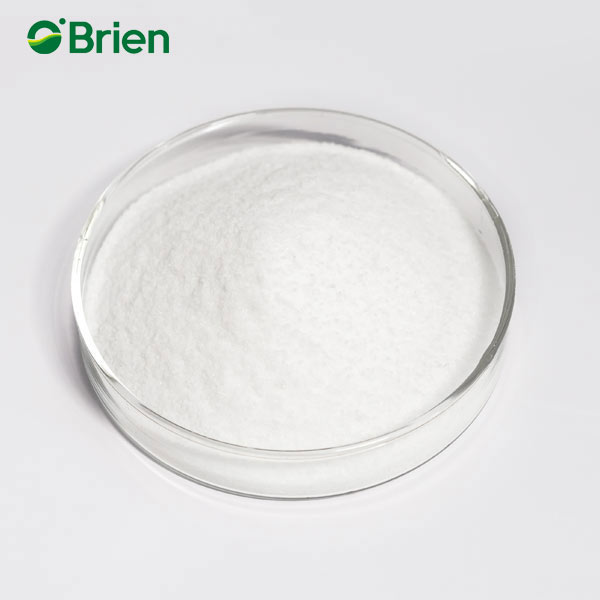


For tertiary oil recovery (EOR), drilling fluid modification, profile control, and hydraulic fracturing additives, polyacrylamide controls fluid loss and shale swelling. In mining sectors (coal washing, gold, copper, alumina tailings), CPAM and APAM facilitate ultrafast mineral tailing settling and water reuse recycling.
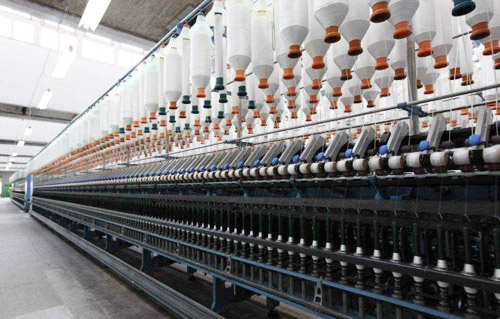


In textile mills, CPAM serves as a size agent, fabric finishing treatment, and decolorizing flocculant. Highly cationic CPAM neutralizes negatively charged dye molecules (reactive, direct, and acid dyes), achieving high COD reduction and clear water recycling in zero-liquid-discharge (ZLD) treatment plants.
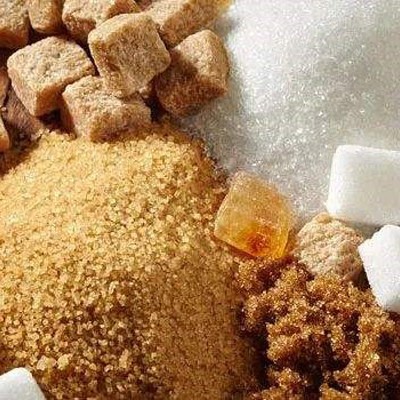
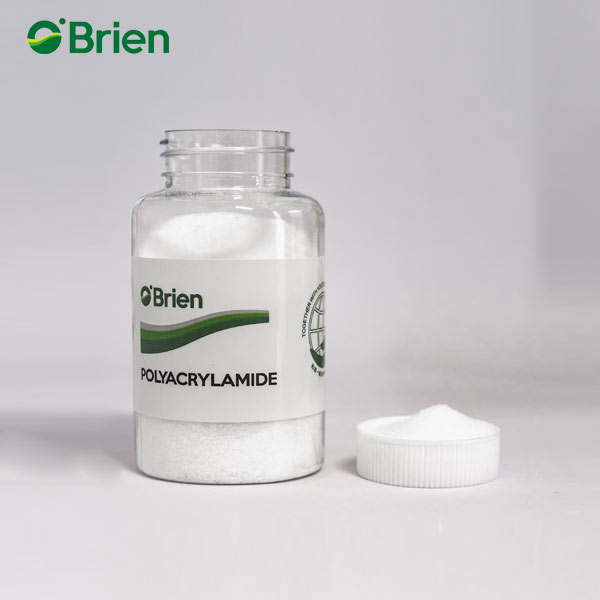
During sugar beet and sugarcane processing, specialty food-grade polyacrylamide flocculants accelerate juice clarification, flotation, and syrup filtration. Oubo's low-monomer formulations comply with international food contact standards.
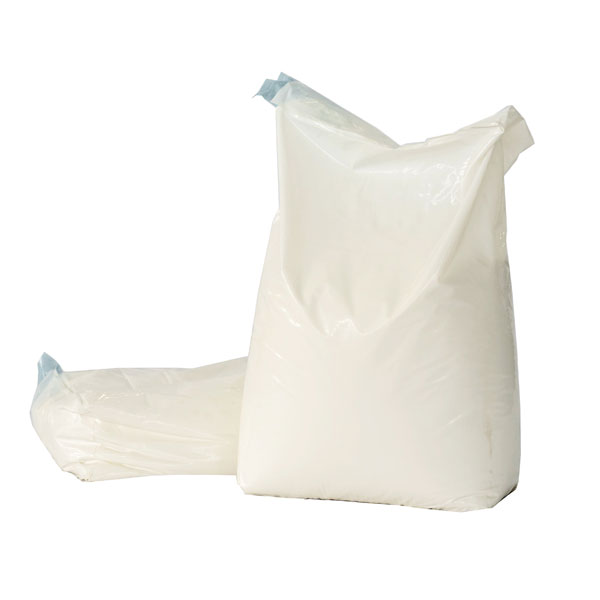
Custom packaging options engineered for moisture resistance, long-distance maritime transport, and automatic dissolving equipment handling.
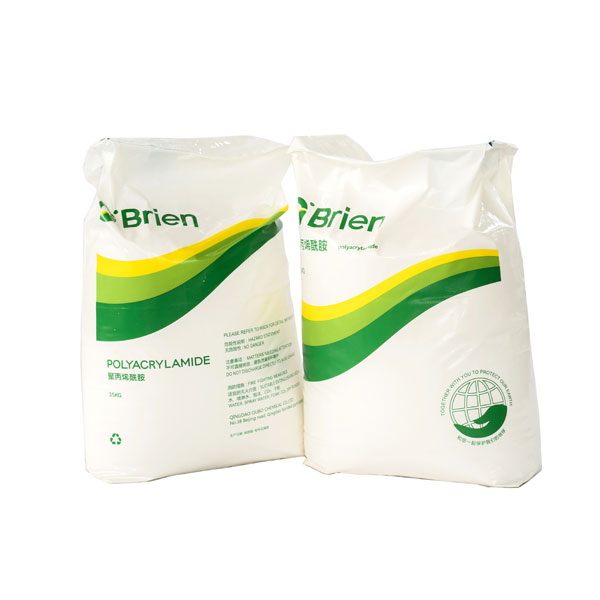
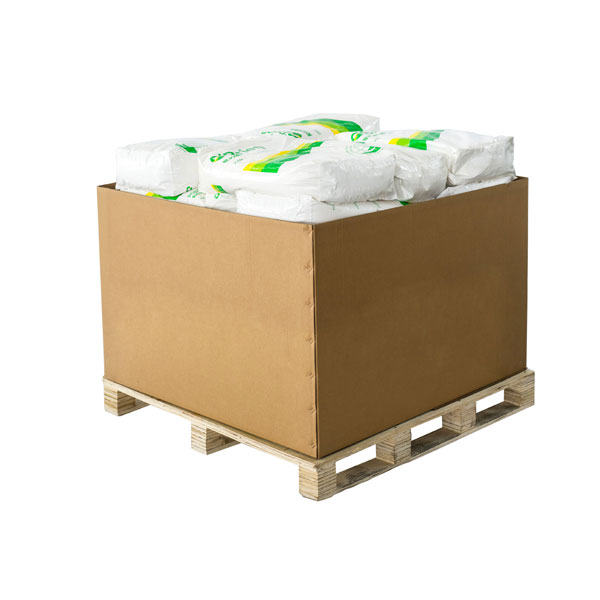
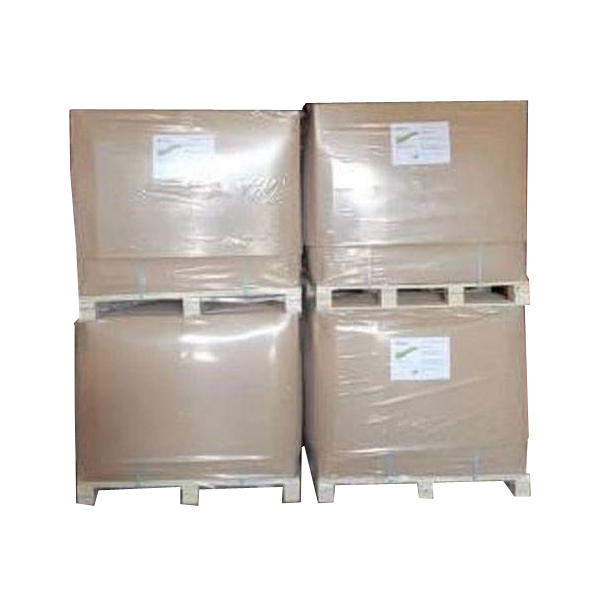
Expert answers regarding Cationic Polyacrylamide powder selection, dosage, dissolution, and factory direct procurement.
Selection depends on the organic ratio and charge characteristics of your sludge. Organic sludge from municipal biological wastewater or food processing requires medium to high cationic charge (30% - 60%). Highly complex organic waste (e.g. tannery or pharmaceutical sludge) often requires 60% - 80% ionicity. We strongly recommend sending sludge samples to Oubo for laboratory Jar Testing to determine the optimum charge-to-cost ratio.
Cationic polyacrylamide powder should be dissolved in clean water at a concentration of 0.1% to 0.3% (w/v). Ensure water temperature is between 15°C and 40°C. Feed the powder gradually into a rapidly agitated water tank to avoid agglomeration ("fish eyes"), then reduce agitation speed to 200-400 RPM for 45 minutes until completely clear.
Unopened dry powder CPAM stored in cool, dry, ventilated surroundings has a shelf life of 24 months. However, once dissolved into liquid solution, cationic PAM solutions degrade faster than anionic solutions due to charge hydrolysis; dissolved CPAM solutions should ideally be used within 24-48 hours for maximum flocculating activity.
Bio-enzymatic synthesis utilizes natural biocatalysts to convert acrylonitrile to acrylamide at room temperature with zero side reactions. This guarantees an ultra-pure monomer containing no copper or sulfate residue, preventing chain termination during polymerization and delivering consistently high molecular weight polymers with low residual acrylamide (<0.05%).
Browse our full range of anionic, cationic, and nonionic PAM formulations for mining, oilfields, papermaking, and municipal filtration.
 Oubo Chemical