Factory-direct supply of cationic, anionic, and nonionic polyacrylamide polymers certified for global municipal and industrial applications.
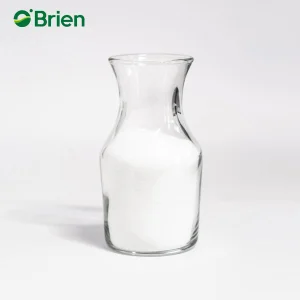
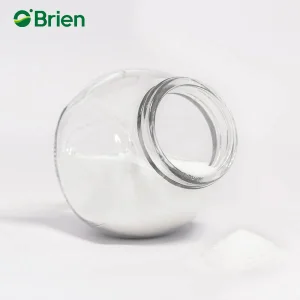
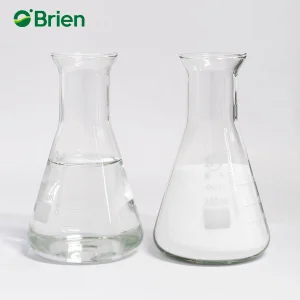
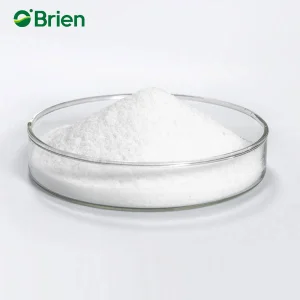
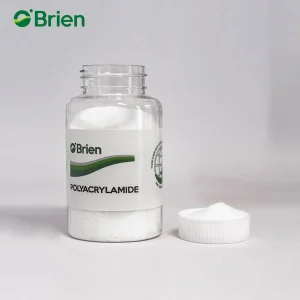
Technical parameters, hazard identification, exposure controls, and handling guidelines according to GHS Revision 8 / REACH Standards.
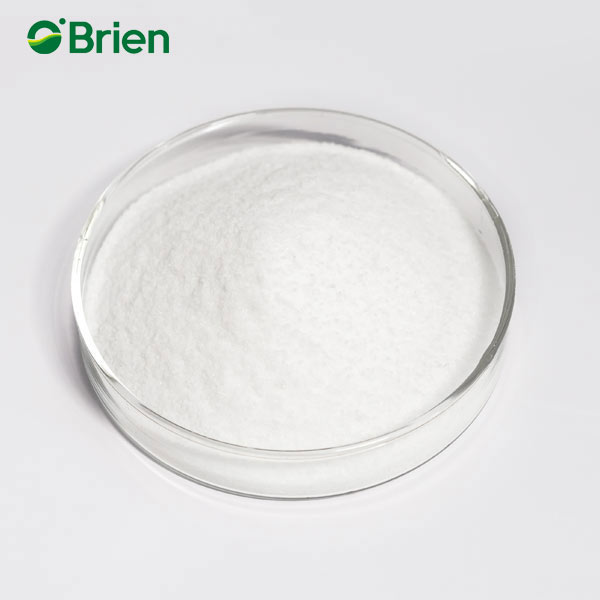
Cationic Polyacrylamide (CPAM, CAS Registry Number: 9003-05-8) is a water-soluble linear high-molecular-weight polymer formed by copolymerizing acrylamide monomers with cationic functional monomers such as acryloyloxyethyltrimethyl ammonium chloride (DAC) or methacryloyloxyethyltrimethyl ammonium chloride (DMC). As a leading supplier and factory based in China, Qingdao Oubo Chemical Co., Ltd. ensures that every batch of CPAM comes accompanied by a standard Material Safety Data Sheet (MSDS) fully compliant with international GHS (Globally Harmonized System of Classification and Labelling of Chemicals) criteria.
| MSDS Section | Technical Category | Detailed Safety & Chemical Specifications |
|---|---|---|
| Section 1 | Chemical Product Identification | Chemical Name: Cationic Polyacrylamide; Synonyms: CPAM, Copolymer of Acrylamide and DAC; CAS No: 9003-05-8; Formula: (C3H5NO)n.(C8H16CINO2)m. |
| Section 2 | Hazard Identification | Non-hazardous under OSHA Hazard Communication Standard (29 CFR 1910.1200). Special Note: Spilled powder combined with water creates an extreme slippage hazard. |
| Section 3 | Composition / Information | Polymer Content: ≥ 88%; Residual Acrylamide Monomer: ≤ 0.05% (500 ppm); Moisture Content: ≤ 10%. |
| Section 4 | First-Aid Measures | Eye Contact: Rinse cautiously with water for 15 min. Skin Contact: Wash off thoroughly with soap and water. Inhalation: Move subject to fresh air. |
| Section 5 & 6 | Firefighting & Accidental Release | Non-flammable. Thermal decomposition produces CO, CO2, and NOx. Do not wash spills into drains with water; vacuum or sweep up dry product to avoid slippery hydrogel formation. |
| Section 7 & 8 | Handling, Storage & PPE | Store in cool, dry area below 35°C. Keep packaging tightly sealed due to hygroscopic nature. Wear safety goggles, nitrile gloves, and dust mask (N95) during bulk handling. |
| Section 11 & 12 | Toxicological & Ecological Data | Oral LD50 (Rat): > 5000 mg/kg. Non-toxic to mammals. LC50 (Daphnia magna 48h): > 100 mg/L (polymers exhibit minimal aquatic toxicity due to high MW immobilization). |
Understanding the exact chemical profile described in the MSDS is vital for industrial EHS (Environmental Health & Safety) engineers. Because CPAM molecules carry positive electrical charges (+10% to +80% charge density), they interact strongly with negatively charged colloidal particles (such as sewage sludge, organic biomass, and clay particles) via charge neutralization and interparticle bridging mechanisms.
Decade-long manufacturing excellence in the Free Trade Zone of Qingdao, China.
Established in 2011 within the Qingdao Free Trade Zone, Oubo Chemical Co., Ltd. has evolved into one of the world's premier manufacturers of synthetic polyacrylamide resins. In 2018, our continuous expansion culminated in an annual production capacity surpassing 50,000 Metric Tons. Our quality management system has been rigorously audited and certified under ISO 9001:2008, ensuring that every consignment meets strict international criteria.
Superior polymer quality starts at the monomer level. Oubo Chemical collaborates with world-renowned petrochemical producers including SINOPEC and Eni. By securing top-grade raw materials and utilizing automated polymerization lines, our products display exceptional batch-to-batch stability, superior filtration performance, and minimal residual impurity ratios.
Patented biological enzymatic synthesis and automated quality assurance protocols.
The global chemical market demands both technological innovation and unbreakable supply chain security. Oubo Chemical invests over €2 million annually into research and technological accumulation, replacing traditional chemical hydrolysis routes with a patented Biological Enzymatic Method for monomer synthesis.
By employing bio-catalysts at lower reaction temperatures, our process prevents monomer degradation, reduces toxic byproduct generation, and limits residual acrylamide monomer content to below 500 ppm—essential for drinking water and environmental application standards.
Our fully digitalized Distributed Control System (DCS) continuously monitors temperature profiles, initiator dosing rates, and viscosity buildup during adiabatic polymerization. This guarantees homogeneous molecular weight distribution across all production lots.
Every single production batch undergoes 3 separate laboratory tests prior to dispatch: 1) Raw monomer purity scan, 2) In-line viscosity and dissolution speed testing, and 3) Final filtration factor and cationicity titration verification.
Tailored polyacrylamide formulations designed for extreme operational environments.
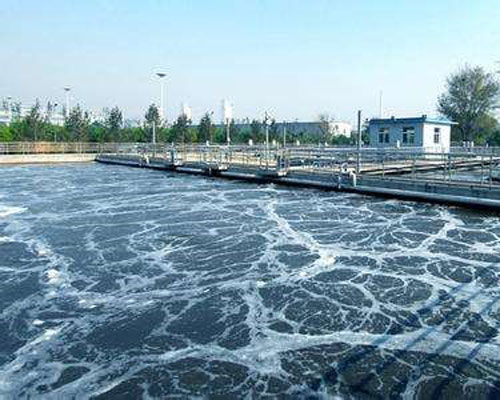
CPAM serves as a premier flocculating agent in solid-liquid separation processes including clarification, thickening, and sludge dewatering. Highly effective in centrifuges, belt filter presses, and plate-and-frame filter presses for municipal sewage, tannery, and pharmaceutical effluents.
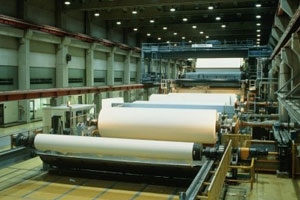
Functions as wet-end retention aids, drainage accelerators, and anionic trash catchers. Enhances fiber retention, improves sheet formation, and delivers significant dry and wet strength properties while optimizing white water recirculation loops.
Utilized in Enhanced Oil Recovery (EOR), profile modification, well plugging, hydraulic fracturing fluids, and shale stability control. Reduces fluid loss, lubricates bit assemblies, and carries drill cuttings efficiently under high temperature/salinity conditions.

Accelerates solid-liquid sedimentation in coal washing, mineral tailings thickening, and copper/gold slurry filtration. Provides crisp supernatant water recovery for closed-loop plant recycling.

Aids juice clarification and flotation in cane and beet sugar production. Meets food-grade extraction compliance, achieving high clarity and rapid settling times without leaving toxic monomer residues.
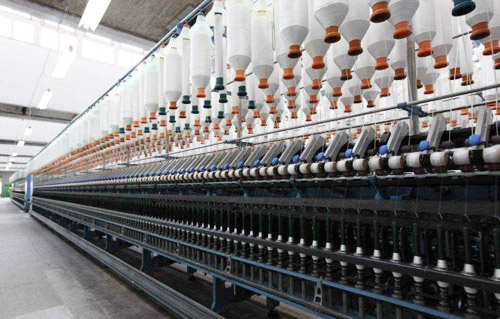
Acts as an effective sizing agent and fabric finishing treatment. In textile wastewater treatment plants, CPAM facilitates rapid decolorization, organic dye coagulation, and heavy metal reduction.
Pioneering green chemistry, micro-emulsion advancements, and smart dosing integration.
Oubo Chemical is actively researching zero-carbon bio-based acrylamide derivatives harvested from agricultural biomass feeds, aiming to drop supply-chain carbon footprints by 40% over the next decade.
Developing high-solid micro-emulsion formulations that dissolve completely within 3–5 minutes (versus 45–60 minutes for traditional dry powders), eliminating clogging risks in automated dosing systems.
Partnering with water treatment engineering firms to install optical streaming current monitors (SCM) that adjust polymer dosing dynamically based on influent turbidity and zeta potential variations.
Flexible bag configurations, OEM branding options, and export-grade moisture protection.
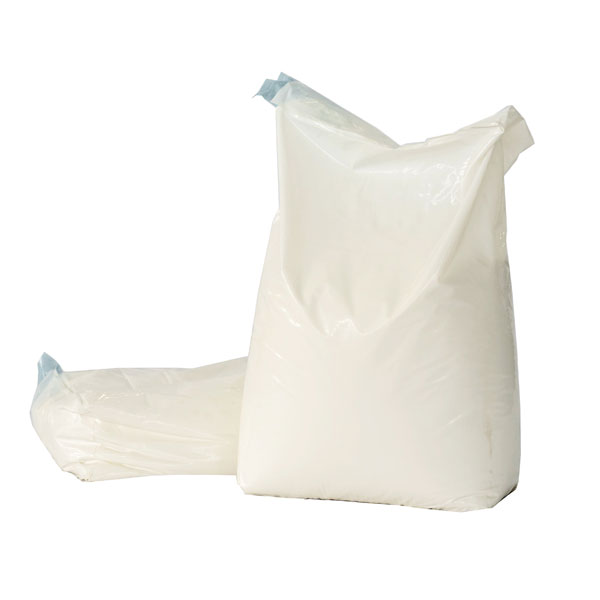
25kg Kraft paper / PE inner bag. Neutral unprinted exterior ideal for local distributor re-labeling.
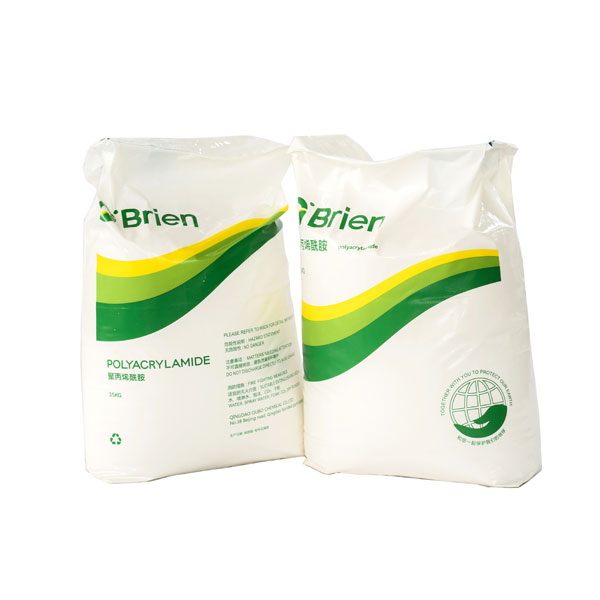
25kg standard printed bag displaying brand mark, chemical safety icons, batch code, and lot details.
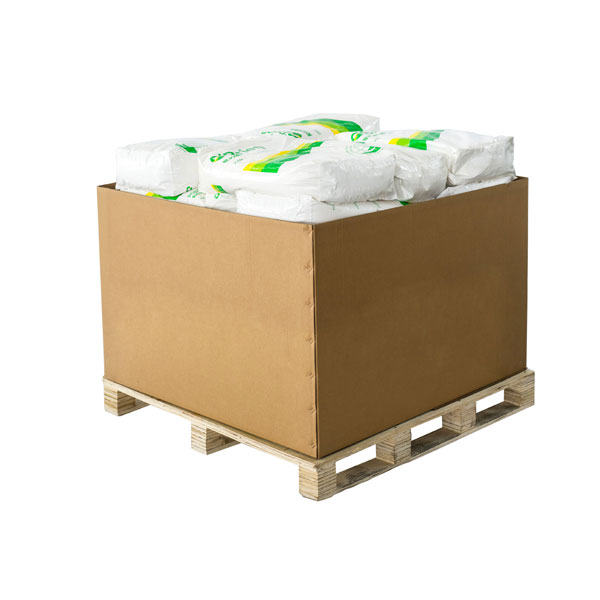
750kg / 1000kg FIBC jumbo bulk bags equipped with bottom discharge spouts for automated plant feeding.
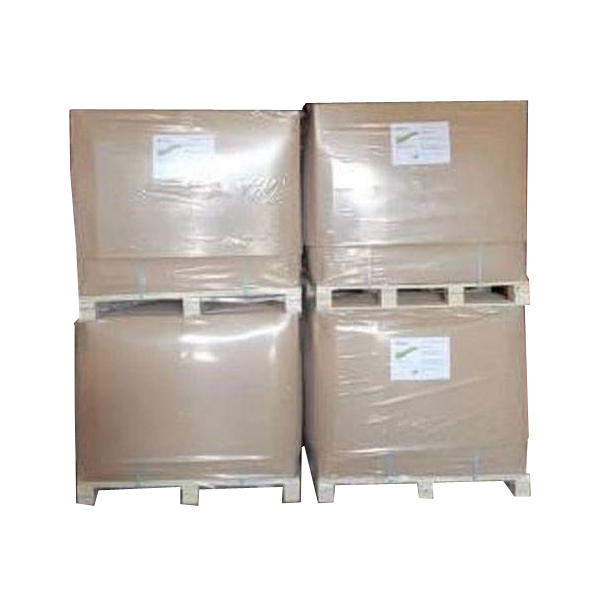
Fumigated wooden or plastic pallets wrapped tightly with multi-layer moisture barrier film for sea freight safety.
Expert answers to common engineering questions regarding Cationic Polyacrylamide applications.
Explore our full line of nonionic, anionic, and cationic flocculants for industrial global dispatch.
 Oubo Chemical