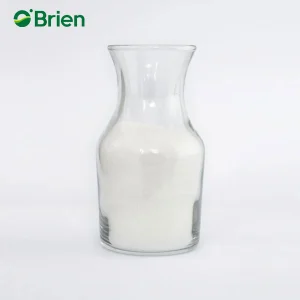
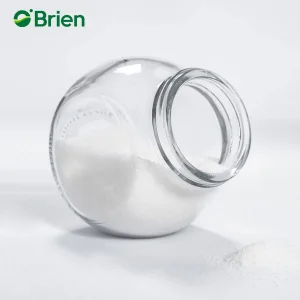
Engineered to deliver exceptional coagulation, micro-flocculation, and cake moisture reduction across demanding wastewater streams.
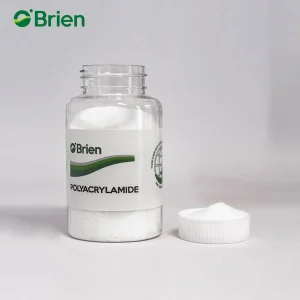
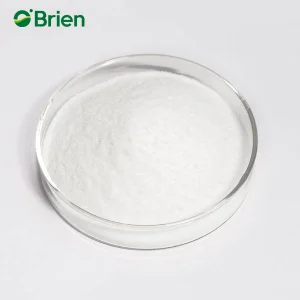
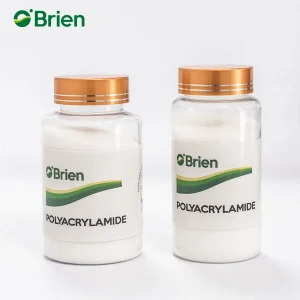
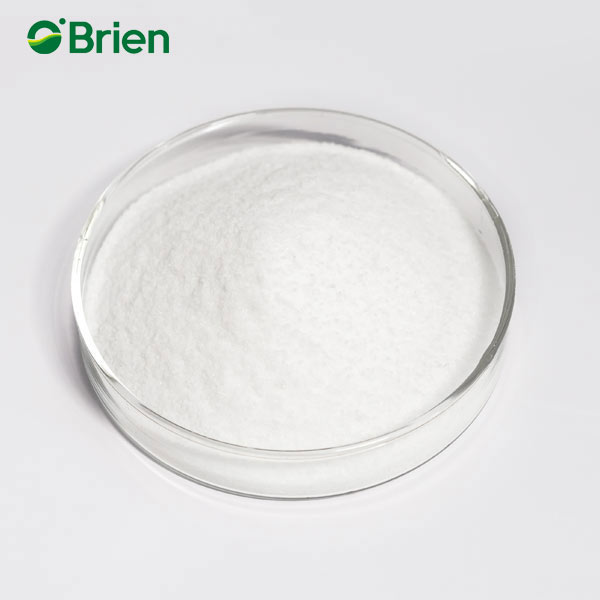
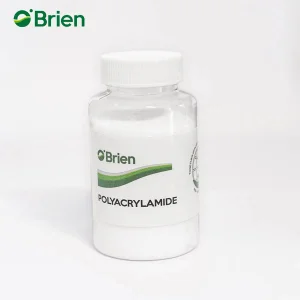
Cationic Polyacrylamide (CPAM, CAS Number 9003-05-8) represents a crucial class of linear water-soluble macromolecular polymers synthesized via the copolymerization of acrylamide (AM) monomers with cationic monomers such as acryloyloxyethyltrimethyl ammonium chloride (DAC) or methacryloyloxyethyltrimethyl ammonium chloride (DMC). As a preeminent China Cationic Polyacrylamide For Wastewater Manufacturer, Qingdao Oubo Chemical Co., Ltd utilizes state-of-the-art bio-catalytic enzymatic polymerization techniques to produce high-purity polymers designed specifically to tackle complex solid-liquid separation challenges.
The operational efficacy of CPAM relies on two primary physical-chemical pathways: charge neutralization and macromolecular bridging. Colloidal suspended particles in municipal sewage and organic industrial sludge predominantly exhibit negative surface potential (ζ-potential). When cationic polyacrylamide is introduced, the positively charged quaternary ammonium sites on the polymer backbone neutralize the negative surface charges, destabilizing the suspension. Concurrently, long-chain polymer segments adsorb onto multiple particulate surfaces simultaneously, forming dense, compact flocs that settle rapidly and dewater efficiently under high shear mechanical stresses.
Traditional CPAM manufacturing relies on chemical catalyst pathways which frequently leave trace monomer residual acrylamide (AMD) and chemical impurities. Oubo Chemical’s proprietary biological method uses bio-catalytic enzymes for monomer conversion. This achieves monomer purity exceeding 99.9%, drastically lowers toxicity, ensures extremely tight molecular weight distribution (MWD), and yields polymers with superior chain linearity and shear resistance during high-speed decanter centrifugation.
| Polymer Parameter | Specification Range | Analytical Standard | Primary Industrial Objective |
|---|---|---|---|
| Cationic Charge Density (Degree) | 10% – 80% (Customizable) | Colloidal Titration (ζ-Potential) | Charge neutralization matching specific organic sludge charges |
| Molecular Weight (MW) | 6 Million – 15 Million Daltons | Intrinsic Viscosity / SEC-MALS | Floc size control, bridging power & mechanical shear resistance |
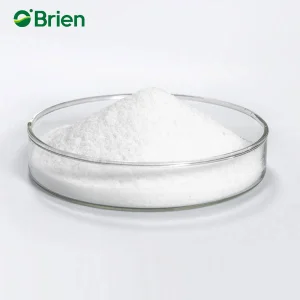
| Solid Content | ≥ 89% - 92% (Granular Powder) | Gravimetric Oven Drying | Maximizes active polymer content, reducing shipping footprint |
| Residual Monomer (AMD) | ≤ 0.05% (500 ppm max) | HPLC Analysis | Environmental safety compliance & low toxicity thresholds |
| Dissolution Time | ≤ 45 – 60 Minutes | Standard Mechanical Agitation | Rapid activation in industrial polymer preparation units |
| Insoluble Matter | ≤ 0.2% | 100-mesh Sieve Filtration | Prevents clogging of dosing pumps, spray nozzles & filters |
Extensive field application strategies optimized for demanding wastewater treatment matrices across global markets.
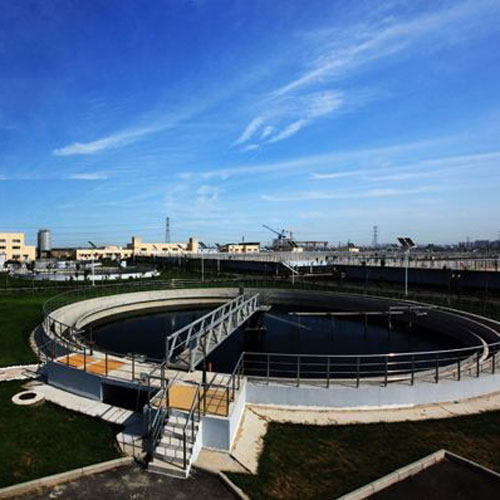
In municipal sewage treatment plants (WWTPs), primary and secondary excess activated sludge contains complex biological flocs rich in proteinaceous extracellular polymeric substances (EPS). Our medium-to-high cationicity (30%-60% CPAM) effectively neutralizes negative cellular charges, stripping bound water and producing dry cake solids exceeding 25% in belt presses and high-speed decanters.
Petrochemical wastewater streams are characterized by emulsified hydrocarbons, volatile organic compounds (VOCs), and complex chemical oxygen demand (COD). Cationic polyacrylamide acts in tandem with inorganic coagulants (PAC/PFS) to break oil-in-water emulsions, aggregating fine colloidal oil droplets into easily skimmed dissolved air flotation (DAF) flocs.
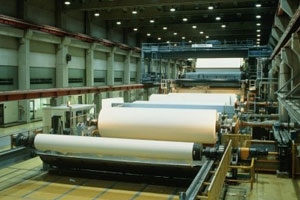
Serves a dual function in paper mills: as a wet-end retention and drainage aid (enhancing fine fiber and filler retention) and as a sludge dewatering agent for paper mill biological effluent. Utilized widely in deinking processes to flocculate inks and hydrophobic adhesive contaminants (stickies).
Dyeing wastewater presents intense color, high alkalinity, and fluctuating organic loads. High molecular weight CPAM destabilizes anionic dye molecules and surfactant structures, promoting clear phase separation, drastic turbidity reduction, and enhanced sludge dewaterability.
Specifically formulated non-toxic grades applied in meat processing effluent, vegetable protein extractions, and sugar juice clarification. Provides fast settling of organic solids while ensuring compliance with stringent food-contact environmental safety thresholds.
Offers customized ionic charge and molecular architecture to accelerate the settlement of fine mineral tailings (gold, copper, iron, coal tailings). Increases water recovery rates in thickeners and reduces tailing pond footprints dramatically.
As global environmental regulations tighten and industries strive toward Zero Liquid Discharge (ZLD) and circular water economies, the technical requirements for flocculants are shifting. Oubo Chemical is at the forefront of polymer science innovation, investing heavily in modern molecular engineering.
Developing ultra-fast dissolving liquid cationic polyacrylamide emulsions. Designed with self-inverting surfactant systems, these liquid polymers dissolve in under 3-5 minutes (compared to 60 minutes for traditional powders), eliminating fish-eye gel formations and drastically lowering energy consumption in field dosing equipment.
Conventional linear polymers suffer from chain scission under high shear forces inside modern high-speed decanter centrifuges and multi-roll presses. Oubo’s structured, cross-linked cationic polymers maintain structural integrity, ensuring high water release rates even under extreme mechanical mechanical stress.
Pioneering hybrid polymers that combine synthetic acrylamide monomers with natural polysaccharides (starch, chitosan, lignin). These eco-friendly polymers deliver robust flocculation performance while significantly enhancing ultimate environmental biodegradability in land-applied dewatered sludges.
Engineered to operate in extreme pH spectrums (pH 1 to 14) and elevated temperatures found in deep geothermal drilling, oil sands extraction, and hot industrial process streams without undergoing premature thermal degradation or hydrolysis.
Established in 2011 and strategically situated within the Free Trade Zone of Qingdao, China, Qingdao Oubo Chemical Co., Ltd stands as a premier global leader in polyacrylamide production. Over the past decade, Oubo has maintained a consistent annual business growth rate of 10%, driven by unyielding quality standards and customer-centric technical support.
Oubo Chemical maintains long-term strategic raw material procurement partnerships with global chemical leaders including SINOPEC, Eni, and top monomer producers. Direct pipeline and bulk container integration ensure an uninterrupted supply of high-purity Acrylamide and Cationic Monomers (DAC/DMC), shielding international clients from global feedstock volatility.
Operating continuous automated reaction lines with over 50,000 Metric Tons of annual capacity. Our ISO 9001:2008 certified quality management system enforces a stringent 3-tier quality control protocol: raw material verification, continuous in-line synthesis tracking, and exhaustive 3-fold pre-shipment batch testing by certified QC laboratory engineers.
Located minutes from Qingdao Port—one of the largest deep-water shipping hubs in the world—Oubo offers direct, seamless containerized shipping worldwide. Expedited customs processing inside the Qingdao Free Trade Zone guarantees fast order fulfillment and optimized freight logistics costs.
Our dedicated technical application team collaborates with clients throughout the pre-sales, sales, and post-sales lifecycle. We provide customized jar testing, polymer selection analysis, and on-site plant optimization to guarantee the right polymer choice for every unique effluent matrix.
Visual verification of polymer application fields, technical synthesis packaging, and industrial operations.
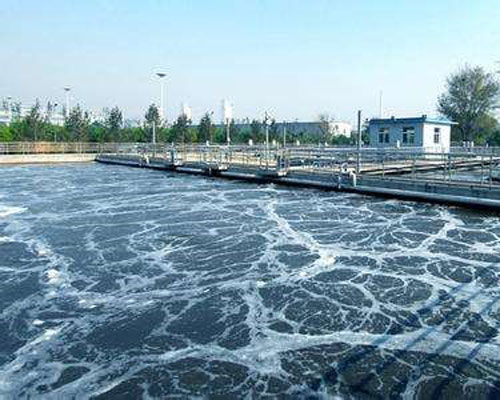
Industrial solid-liquid separation, sedimentation clarification, and sludge dewatering.
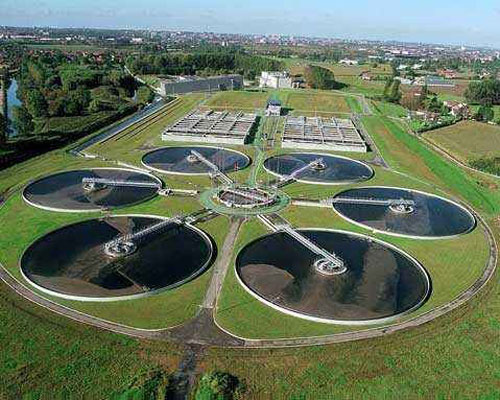
Effluent treatment across leather, chemical, citric acid, and pharmaceutical plants.
Dry/wet strength agents, retention aids, filter aids, and white water treatment.
Neutralizes organic charge interference while increasing short fiber retention.
Drilling fluid loss control, shale inhibition, viscosity modification, and fracturing.

Solid-liquid separation for coal, copper, gold, silver, iron, and alumina processing.
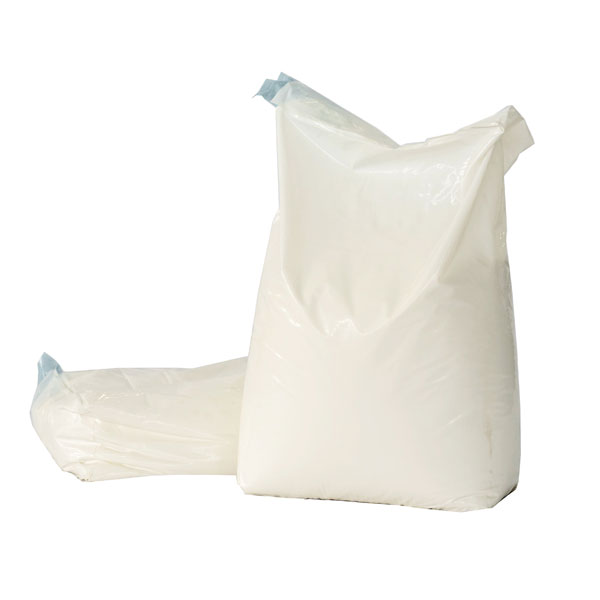
25kg multi-ply moisture-proof neutral white bags for customized re-branding.
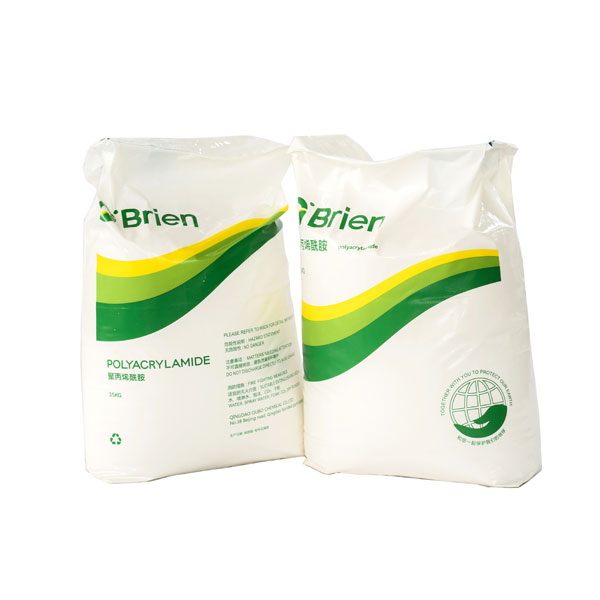
Heavy-duty 25kg PE/PP kraft bags with standardized safety markings.
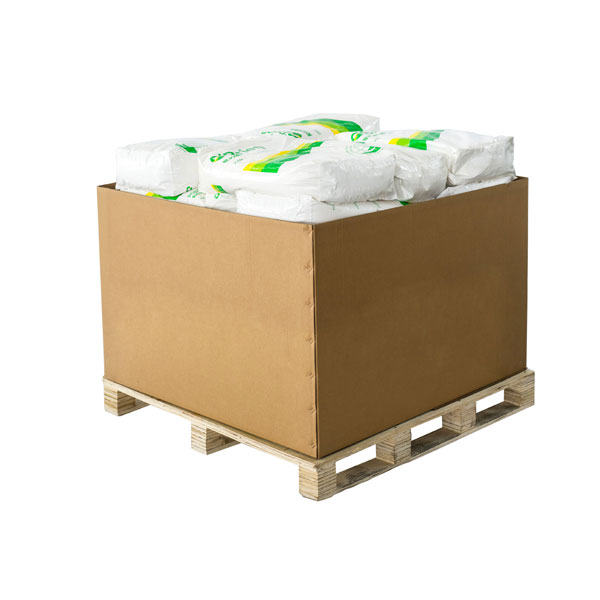
750kg – 1000kg industrial super sacks with bottom discharge spouts.
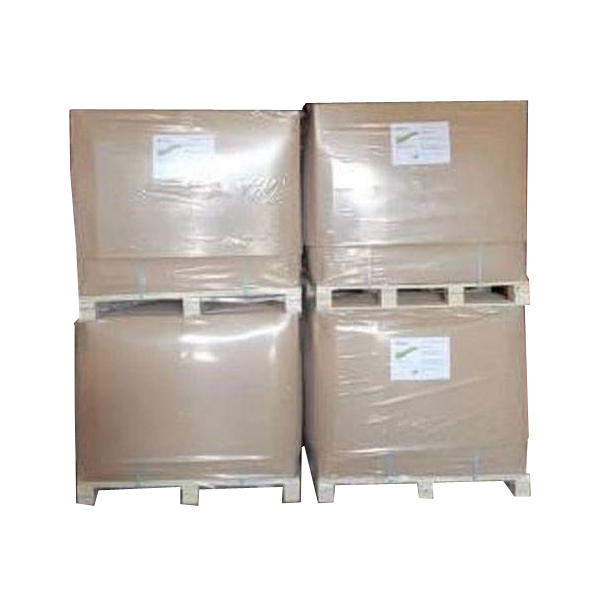
ISPM-15 compliant palletization with stretch-wrap protective moisture barrier.
Browse our expanded chemical catalog designed for specialized municipal and industrial water treatment processes.
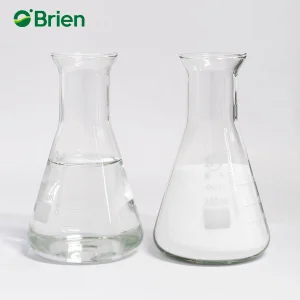
Comprehensive technical guidance for plant engineers, procurement specialists, and wastewater managers.
 Oubo Chemical