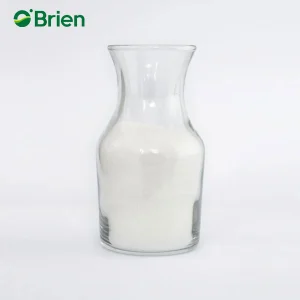
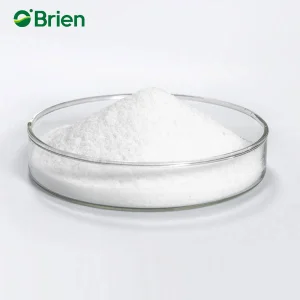
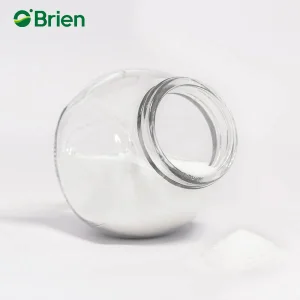
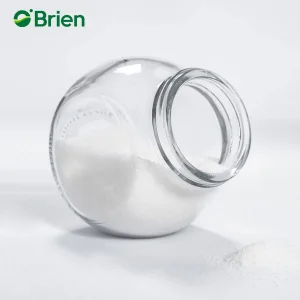
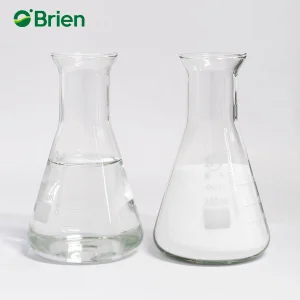
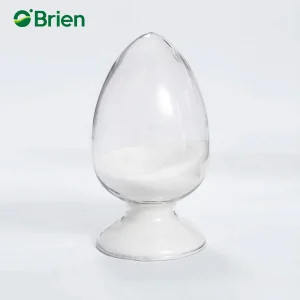
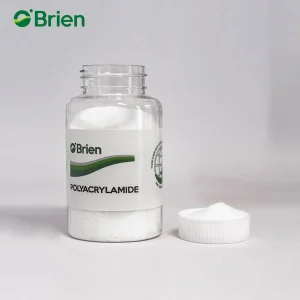
Explore our premium grade chemical polymers manufactured under ISO9001:2008 standards. Certified for global industrial applications including municipal sludge dewatering, mining, and oilfield operations.
Cationic Polyacrylamide (CPAM), identified by CAS Registry Number 9003-05-8, represents a critical class of water-soluble linear high-molecular-weight polymers synthesized via the copolymerization of acrylamide (AM) monomer with cationic functional monomers such as DAC (Acryloyloxyethyltrimethyl ammonium chloride) or DMC (Methacryloyloxyethyltrimethyl ammonium chloride). In modern industrial applications, CPAM acts as an indispensable chemical agent for solid-liquid separation, colloidal destabilization, charge neutralization, and polymeric bridging.
As global environmental mandates tighten and industrial sludge processing demands higher cake-dryness metrics, procurement directors and chemical engineering specialists rely heavily on China's chemical synthesis infrastructure. China has emerged as the global nexus for polyacrylamide manufacturing due to deep vertical integration across raw material feedstocks (Acrylonitrile / Acrylamide), advanced biological enzymatic synthesis technologies, and massive scale economies.
CPAM carries positively charged quaternary ammonium groups along its macromolecular backbone. These positive charges actively neutralize the negative electric double-layer charges natively present on suspended organic solids, biological sludge micro-particles, and colloidal silica, driving rapid coagulation.
With molecular weights extending up to 15 million Daltons, long CPAM polymer chains adsorb onto multiple suspended particles simultaneously. This forms robust, high-density macro-flocs capable of withstanding intense mechanical shear forces in centrifuges and belt presses.
Utilizing third-generation microbiological catalytic technology to produce acrylamide monomer, Chinese chemical facilities eliminate residual toxic chemical byproducts. This yields ultra-pure polymer chains with residual monomer levels controlled strictly below 0.05% (500 ppm).
Procuring Cationic Polyacrylamide directly from Chinese chemical suppliers provides global enterprises with unmatchable supply chain resilience, commercial scalability, and technical versatility. As industrial operators in North America, Europe, and Asia-Pacific seek to optimize operational expenditure (OPEX) in municipal and industrial wastewater operations, Chinese polymer manufacturers deliver verifiable structural benefits:
China produces over 60% of the world's supply of Acrylonitrile (ACN). Strategic partnerships with chemical giants like SINOPEC and Eni ensure that production facilities operating in economic zones receive uninterrupted feedstock supplies, mitigating global supply chain disruptions.
Leading Chinese factories have transitioned entirely from traditional copper-catalyzed acrylamide synthesis to advanced bio-enzymatic methods. This patented process reduces energy consumption, eliminates trace heavy metal contamination, and increases conversion efficiency to achieve precise cationic charge densities.
Entities like Qingdao Oubo Chemical Co., Ltd. (established 2011) situated within the Free Trade Zone of Qingdao, China, benefit from direct port access, streamlined customs clearances, simplified export tax rebates, and reduced international transit turnaround times.
| Product Grade Code | Ionic Degree (Charge Density %) | Molecular Weight (Million) | Solid Content (%) | Dissolution Time (Mins) | Primary Target Substrate |
|---|---|---|---|---|---|
| OUBO-CPAM-10 | 10% - 15% (Low) | 10.0 - 12.0 | ≥ 88% | ≤ 60 min | High-inorganic mineral slurries, papermaking retention |
| OUBO-CPAM-30 | 20% - 30% (Medium) | 11.0 - 13.0 | ≥ 88% | ≤ 50 min | Municipal primary/secondary sludge, food processing wastewater |
| OUBO-CPAM-50 | 40% - 50% (High) | 8.0 - 11.0 | ≥ 88% | ≤ 45 min | Biological activated sludge, textile dyeing, paper deinking |
| OUBO-CPAM-80 | 60% - 80% (Ultra High) | 6.0 - 9.0 | ≥ 88% | ≤ 40 min | High organic/fat content wastewater, chemical synthesis sludge |
Cationic Polyacrylamide functions across a vast spectrum of chemical separation and water purification matrixes. Selecting the precise charge density and molecular weight is essential to achieve fast settling velocities, crystal-clear supernatant water, and high-dryness filter cakes.
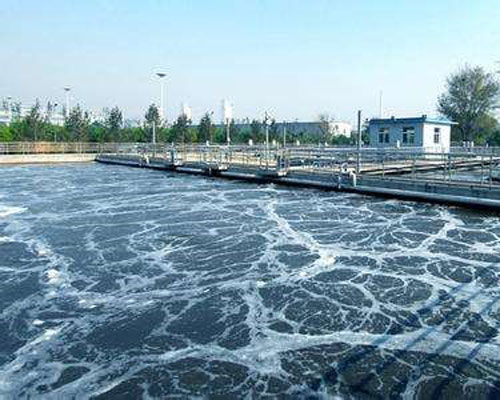
In municipal wastewater treatment plants (WWTPs), biological sludge from secondary clarifiers contains high concentrations of organic particles carrying strong negative charges. CPAM conditions the sludge prior to mechanical dewatering equipment such as Belt Filter Presses, Decanter Centrifuges, and Plate-and-Frame Filter Presses.
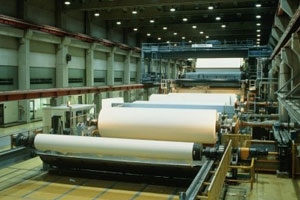
CPAM plays a key role as a wet-end chemical additive in paper mills. It serves as a retention aid, drainage promoter, and anionic trash neutralizer, directly influencing paper machine efficiency and finished sheet quality.
In oil and gas upstream and downstream applications, tailored polyacrylamides serve critical functions in Enhanced Oil Recovery (EOR), drilling fluid thickening, shale hydration inhibition, and oily wastewater separation.

Mining operators handling coal washing, copper beneficiation, gold leaching, and iron ore tailing separation require polymers that perform under severe pH and shear conditions.
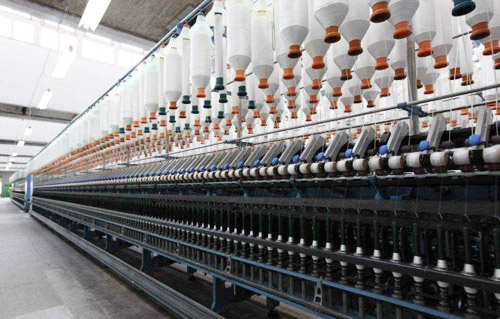
Industrial textile effluents contain reactive dyes, sizing agents, and heavy organic loads. High-charge CPAM destabilizes colloidal dye pigments quickly, ensuring compliance with local discharge standards.
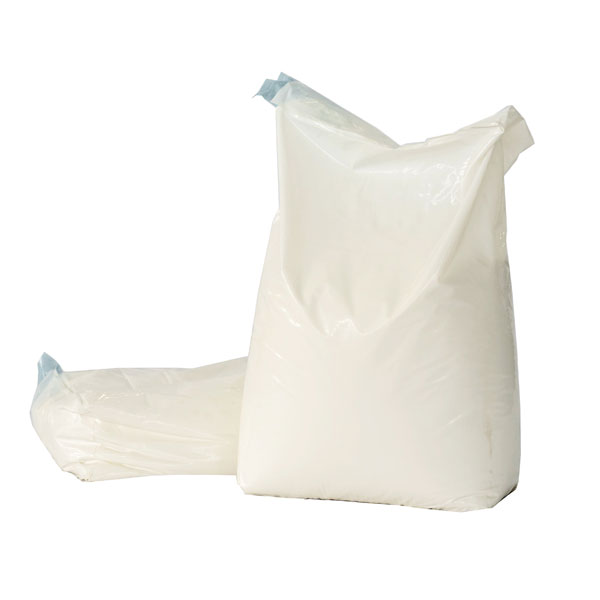
Preserving chemical integrity during long ocean transits requires robust packaging solutions engineered to prevent moisture ingress and polymer hydrolysis.
Under the registered brand O'brien, Qingdao Oubo Chemical Co., Ltd. has established a multi-tier Quality Control (QC) framework validated by international certifications. Over a decade of operational excellence has sustained a consistent 10% annual growth rate, supplying chemical distributors, municipal authorities, and industrial end-users across 50+ countries.
Every manufacturing run undergoes strict process control. Standard operating procedures cover raw monomer purity verification, polymerization temperature tracking, granulating drying curves, and mesh size distribution screening.
No batch leaves the facility without passing three distinct analytical checks by qualified laboratory engineers: charge density titration, Brookfield viscosity measurement, and dissolution speed testing.
Manufacturing procedures prioritize energy conservation, closed-loop water recirculation within the synthesis reactors, and complete removal of volatile organic compounds (VOCs) during polymer drying phases.
Choosing the correct Cationic Polyacrylamide specification requires matching chemical attributes with physical dewatering hardware and feed stream characteristics. Procurement managers should evaluate four key chemical indices during the sourcing phase:
Ranging from 10% to 80%, high ionicity polymers work best for highly organic sludges (e.g., biological municipal sludge, dairy processing effluent), while lower ionicity grades suit inorganic/organic mixed sludges.
High molecular weight (10-15 Million) polymers create thicker, shear-resistant flocs optimal for decanter centrifuges. Medium to low MW polymers perform reliably on gravity belt thickeners and filter presses.
Granular CPAM typically requires 45 to 60 minutes of gentle agitation to fully dissolve into a 0.1%–0.3% working solution. Inadequate hydration leads to un-dissolved polymer "fish eyes" that blind filter cloths.
Selection depends entirely on the charge of the suspended particles in your wastewater. Cationic Polyacrylamide (CPAM) carries positive charges and is designed for negatively charged organic solids (such as municipal sludge or biological waste). Anionic Polyacrylamide (APAM) carries negative charges for inorganic mineral suspensions (sand, clay, tailing waters). Nonionic Polyacrylamide (NPAM) works best in highly acidic conditions or complex mineral leach solutions.
We recommend preparing stock solutions at a concentration of 0.1% to 0.3% (1g to 3g of CPAM powder per 1 liter of clean water). Preparing solutions above 0.5% results in high solution viscosity, making pump metering difficult and reducing dispersion efficacy in feed lines.
Diluted Cationic Polyacrylamide solutions degrade faster than anionic grades due to cationic charge hydrolysis. A prepared 0.1% stock solution should ideally be consumed within 24 to 48 hours. Dry powder stored in sealed bags within cool, dry conditions retains full potency for up to 2 years.
Oubo Chemical operates directly out of the Qingdao Free Trade Zone with over 50,000 Tons annual production capacity. Leveraging bio-catalytic synthesis, ISO9001 certified QC frameworks, direct port shipping infrastructure, and dedicated technical pre-sales lab evaluations, we provide clients with factory-direct pricing alongside dependable product uniformity.
Yes, our technical team provides complimentary 200g - 500g sample kits tailored to your site's specific ionic charge and molecular weight requirements. We also encourage clients to send effluent/sludge samples to our lab for detailed chemical matching before placing commercial volume orders.
Browse our complete spectrum of Nonionic, Anionic, and Cationic polymers engineered for specific industrial separations, paper making, drilling fluids, and wastewater sludge management.
Established in 2011 inside the Free Trade Zone of Qingdao, China, Qingdao Oubo Chemical Co., Ltd. stands as a premier world-class producer of Polyacrylamide products. With an annual production capacity exceeding 50,000 Metric Tons achieved in 2018, Oubo Chemical integrates biological enzymatic monomers synthesis, advanced polymer powder drying technologies, and an unwavering commitment to environmental protection.
Our global trade brand, O'brien, is recognized across North America, South America, Southeast Asia, the Middle East, and Europe. Supported by continuous R&D investments and ISO 9001:2008 quality management certification, our technical engineers provide pre-sale sample testing, on-site dosage optimization, and dependable post-sale chemical technical support.
 Oubo Chemical