Engineered high-molecular-weight cationic, anionic, and nonionic polyacrylamide formulations optimized for demanding liquid-solid separation processes.
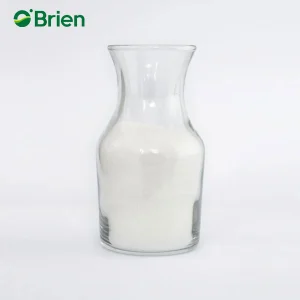
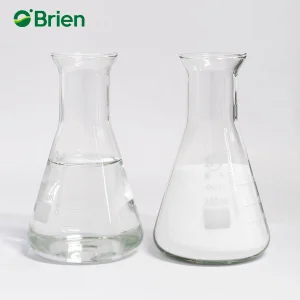
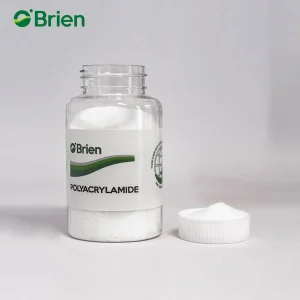
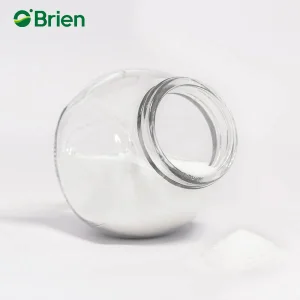
Headquartered in the Free Trade Zone of Qingdao, China, Oubo Chemical Co., Ltd. represents the peak of synthetic polymer manufacturing, quality control, and eco-conscious chemical synthesis.
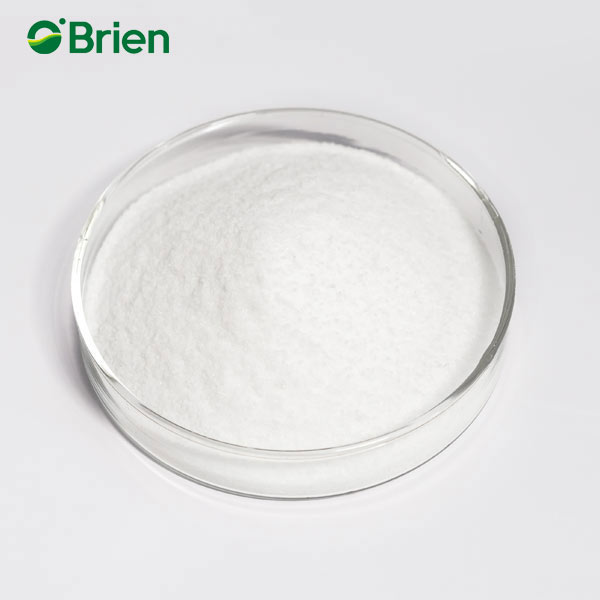
Unlike traditional chemical synthesis that relies on copper-catalyzed hydration of acrylonitrile, Oubo utilizes proprietary biological enzymatic conversion. This green chemistry process drastically reduces unreacted acrylamide monomer (AM) residues, prevents toxic byproduct formation, and ensures superior linear chain length with narrow molecular weight distributions.
Uncompromising product stability begins with chemical raw materials. Oubo partners exclusively with petrochemical giants including SINOPEC and Eni. By sourcing high-purity monomers (Acrylamide, DAC, DMC, MAPTAC) under stringent specifications, we ensure batch-to-batch consistency and exceptional polymer reactivity across all production lines.
Oubo reinvests substantial capital annually into laboratory testing, polymer micro-structure analysis, and application simulation. Every production lot undergoes three separate quality control evaluations (post-polymerization, post-granulation, and pre-shipment) checking viscosity, charge density, dissolution speed, and insoluble particle counts.
Qingdao Oubo Chemical Co., Ltd. balances industrial efficiency with environmental stewardship. Our water-soluble polymers are engineered to minimize dosage requirements, lower sludge volume generation, and optimize energy consumption during industrial solid-liquid separation. Our brand O'brien is globally recognized for environmental compliance and operational reliability.
Comprehensive breakdown of Cationic Polyacrylamide (CPAM) molecular structure, charge mechanics, and solution behavior.
Polyacrylamide (PAM) is a water-soluble synthetic linear polymer formed from acrylamide subunits (CAS 9003-05-8). Cationic Polyacrylamide (CPAM) is copolymerized with cationic monomers such as DAC (Acryloyloxyethyltrimethyl ammonium chloride) or DMC (Methacryloyloxyethyltrimethyl ammonium chloride). The resulting polymer backbone carries positively charged quaternary ammonium groups alongside reactive amide functional groups.
| Polymer Class | Cationicity / Charge Degree (%) | Molecular Weight (Million Daltons) | Solid Content (%) | Dissolution Time (Mins) | Primary Industrial Functions |
|---|---|---|---|---|---|
| Low Charge CPAM | 10% - 20% | 8.0 - 12.0 | ≥ 88% | ≤ 60 | Paper Retention Aid, Inorganic Sludge Dewatering, River Dredging |
| Medium Charge CPAM | 20% - 40% | 10.0 - 14.0 | ≥ 88% | ≤ 50 | Municipal Sewage Dewatering, Textile Wastewater, Tannery Effluents |
| High Charge CPAM | 40% - 60% | 6.0 - 10.0 | ≥ 88% | ≤ 45 | Biological Sludge Dewatering, Food Processing Wastewater, Centrifuge Units |
| Ultra-High Charge CPAM | 60% - 80% | 4.0 - 8.0 | ≥ 88% | ≤ 45 | High-Organic Waste, Anionic Trash Scavenging, Chemical Synthesis |
Most suspended solids, organic colloids, and municipal sludge particulates possess negative electrical charges (zeta potential) in aqueous suspensions, causing mutual electrostatic repulsion. CPAM's positively charged quaternary ammonium sites neutralize these negative charges, collapsing the electrical double layer and allowing colloidal particles to agglomerate into micro-flocs.
High-molecular-weight CPAM chains possess extensive spatial length in solution. A single long polymer molecule can simultaneously adsorb onto the surfaces of multiple suspended micro-flocs. This creates long-range molecular "bridges," linking micro-flocs into large, dense macro-flocs with high shear resistance and rapid sedimentation rates.
In high charge density CPAM variants, local clusters of positive charge adsorb strongly onto negatively charged particle surfaces, creating positively charged "patches." Uncoated negative regions on adjacent particles are subsequently attracted to these patches via electrostatic patch mechanisms, accelerating dewatering kinetics.
Tailored polymeric treatment frameworks across municipal, industrial, paper, oilfield, and mining verticals.
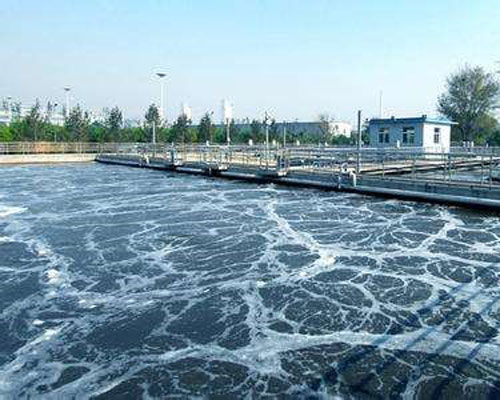
Essential for belt filter presses, decanter centrifuges, and screw presses. CPAM achieves optimal liquid-solid separation, yielding clear supernatant water and high-cake-solids sludge. Widely used in leather, citric acid, pharmaceutical, incense, and vegetable protein effluents.
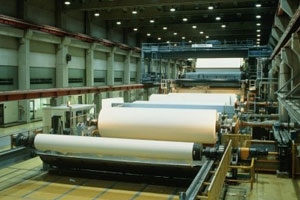
Functions as retention aid, drainage promoter, and wet-end strength agent. CPAM neutralizes anionic trash, increases fine fiber and filler retention, improves machine speed, reduces steam consumption in drying sections, and clarifies white water loops.
Utilized in Enhanced Oil Recovery (EOR), profile control, and drilling mud additives. Provides shale inhibition, lubricates drill strings, lowers fluid loss, and acts as a high-viscosity friction reducer in hydraulic fracturing fluids under high shear conditions.

Drives rapid sedimentation of coal washing slurry, tailings dewatering, and hydrometallurgical extraction for gold, silver, iron, copper, and nickel. Ensures efficient water recycling and compliant tailing pond management.
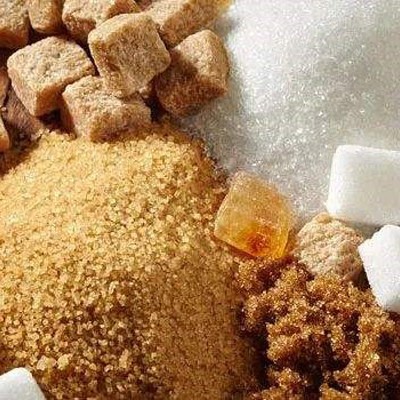
Used in juice clarification and flotation processes in sugar cane and sugar beet refineries. Food-grade low-residual polyacrylamides aggregate organic impurities without contaminating final sucrose products.
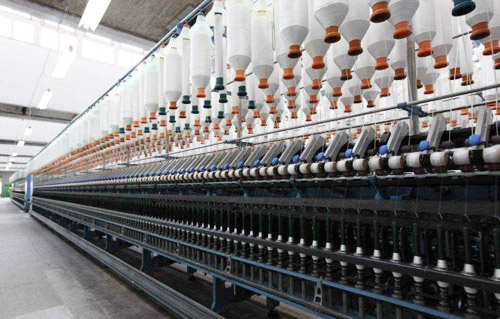
Serves as a sizing agent and fabric finishing additive. In wastewater facilities, CPAM decolorizes complex reactive dye effluents, removes chemical oxygen demand (COD), and flocculates suspended textile polymers.
Strategic operational parameters for procurement managers, chemical engineers, and international importers.
Procuring industrial polymers internationally requires balancing cost efficiency against rigorous technical compliance. Key evaluation factors include:
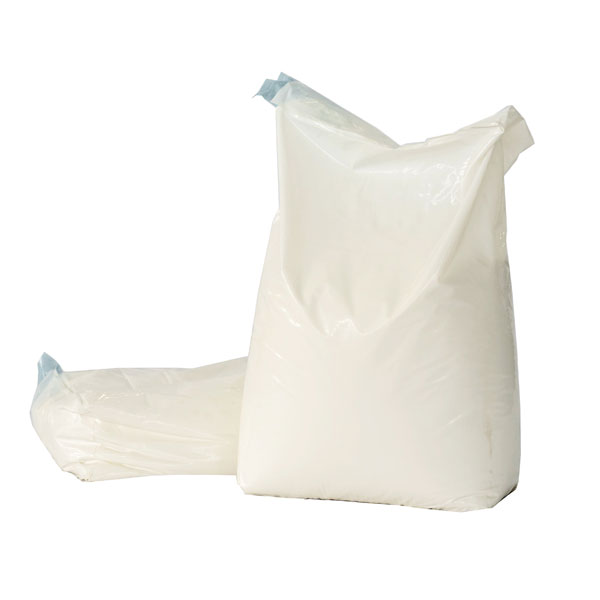 OEM Blank Bag
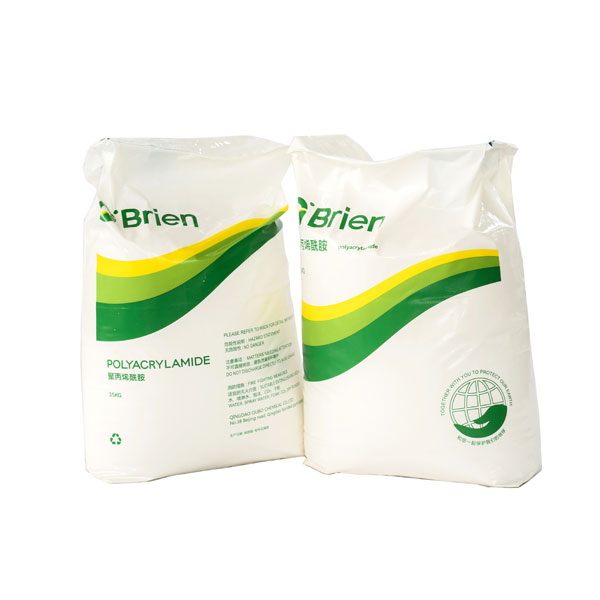 Standard 25kg Bag
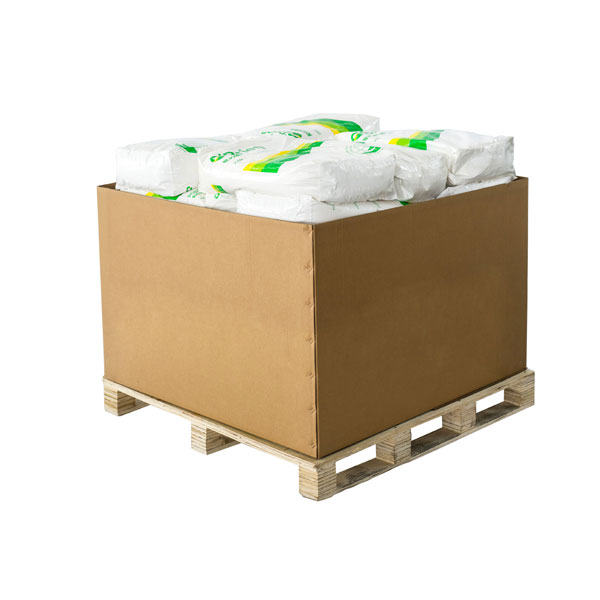 Jumbo Bulk Bag
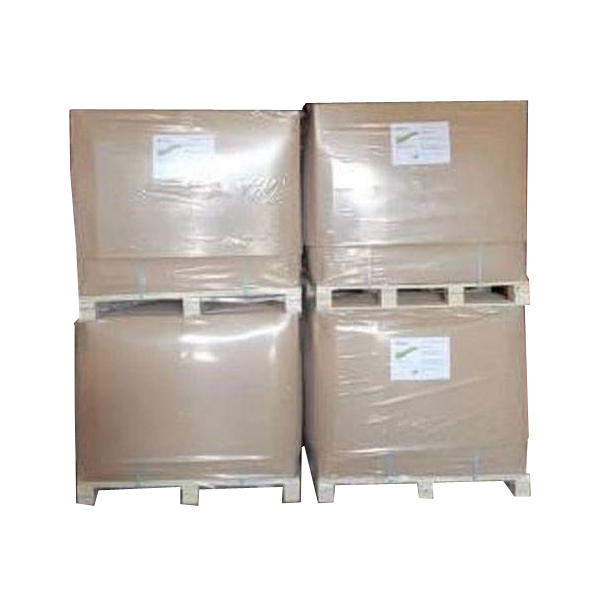 Palletized Shrink Wrap
How Oubo Chemical is driving next-generation water-soluble polymer research to solve future industrial challenges.
Conventional CPAM degrades rapidly under high salinity or temperatures exceeding 80°C. Oubo's R&D team is developing specialized sulfonate and zwitterionic monomer modifications that maintain molecular chain extension and flocculation efficiency in harsh deep-well oilfield and hyper-saline wastewater environments.
Pushing bio-catalytic enzymatic polymerization further, Oubo is targetting ultra-pure CPAM formulations with unreacted monomer content under 50 ppm. This initiative meets strict drinking water standards and international food-contact paper regulations worldwide.
Collaborating with wastewater automation partners, Oubo is developing real-time viscosity, turbidity, and streaming current monitoring algorithms. By matching precise real-time polymer dosing to fluctuating influent conditions, chemical consumption can be reduced by up to 25%.
Expert technical answers addressing common engineering, dosage, and procurement queries regarding Cationic Polyacrylamide.
Selecting the optimal cationicity (typically ranging from 10% to 80%) depends on the volatile solid content and pH of the organic sludge. Municipal sludge with high biological content (activated sludge) generally requires medium-to-high cationicity (30%–60%). Industrial inorganic sludges respond better to low-to-medium cationicity (10%–30%). Conducting laboratory jar tests or cylinder settling tests is essential to determine the precise balance between floc size, settling speed, supernatant clarity, and cake moisture.
Dry CPAM powder should be dissolved to a concentration of 0.1% to 0.3% (w/v) in clean water. Slowly sprinkle the dry polymer into the vortex of stirring water to prevent clumping ("fish-eye" formation). Agitate at moderate speed (200–400 RPM) for 45 to 60 minutes until completely dissolved. Avoid high-shear mechanical agitation or temperatures above 60°C, which break the polymer chains and reduce performance.
In its original, unopened packaging, dry CPAM powder has a shelf life of 24 months when stored in a cool, dry, well-ventilated area away from direct sunlight, heat, and moisture. Once dissolved into liquid stock solution, it should be used within 24–48 hours, as cationic polymer solutions experience gradual viscosity loss over time due to hydrolysis.
Bio-catalytic enzymatic synthesis operates under ambient temperature and neutral pH without requiring heavy metal catalysts like copper. This results in ultra-high purity acrylamide with virtually no toxic residual catalysts, minimal unreacted monomer levels, higher molecular weights, and superior linear structural integrity, offering higher flocculation performance per gram of product.
Yes. Oubo Chemical provides comprehensive OEM services including neutral unprinted blank bags, custom multi-language kraft paper bags (25kg), bulk jumbo tote bags (750kg–1000kg), and custom palletization with moisture-proof shrink wrap to meet international distributor requirements.
Explore our specialized nonionic, cationic, and anionic polyacrylamide formulations for specialized industrial applications.
 Oubo Chemical