High-grade organic polymers engineered for municipal wastewater, mining, pulp & paper, and industrial liquid-solid separation.
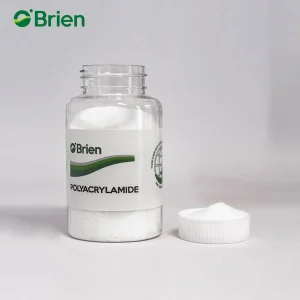
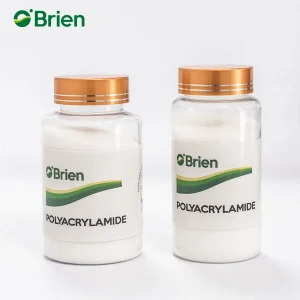
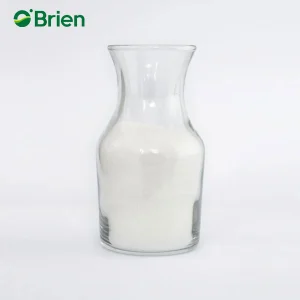
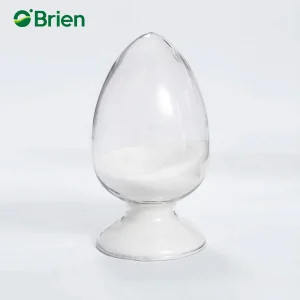
Understanding the technical advancements, structural supply chain advantages, and charge density engineering in modern water treatment polymers.
The global demand for high-efficiency solid-liquid separation solutions has elevated Cationic Polyacrylamide (CPAM) to a critical position across municipal sewage management, industrial effluent clarification, pulp and paper manufacturing, and heavy mining tailings management. As China solidifies its position as the premier hub for synthetic polymer manufacturing, selecting the right partner among China Cationic Flocculant Manufacturers & Suppliers requires an in-depth understanding of molecular tailormade chemistry, charge neutralization capabilities, structural monomer purity, and global supply chain resilience.
Cationic Polyacrylamide (CAS No. 9003-05-8) operates via dual mechanisms: charge neutralization of negatively charged suspended solids (such as organic sludge particles, clay suspensions, and cellulose fibers) and polymer bridging, where high molecular weight polymer chains form robust micro-flocs. The precision of charge density matching directly dictates sludge cake moisture content, filter press throughput, and operational polymer consumption costs.
Established in 2011 in the Free Trade Zone of Qingdao, China — Pioneering biological acrylamide synthesis and global export excellence under the O'brien brand.
Oubo Chemical Co., Ltd was established in 2011, strategically located within the Free Trade Zone of Qingdao, China. Operating under a rigorous and comprehensive Quality Control (QC) system, Oubo has maintained a steady business growth rate of over 10% per year for more than a decade. Our global brand O'brien has earned international recognition for technical consistency and environmental stewardship.
With annual polyacrylamide capacity surpassing 50,000 Metric Tons, our manufacturing facilities operate under fully automated continuous polymerization lines certified by ISO9001:2008 quality management standards. Every single batch undergoes triple testing by specialized QC technicians before dispatch, guaranteeing that parameters such as bulk density, dissolution rate, intrinsic viscosity, and residual monomer content strictly comply with international standards.
A core competitive advantage of Oubo Chemical lies in our patented biological enzymatic method for monomer synthesis. By employing bio-catalyzed hydrolysis of acrylonitrile into acrylamide, we produce ultra-pure monomer feedstock free from copper ions and catalytic impurities. This process drastically reduces energy footprint while permitting the synthesis of ultra-high molecular weight polymers.
To ensure absolute quality stability, our raw material supply chain is anchored by global chemical conglomerates including SINOPEC and Eni. Furthermore, with an annual research investment exceeding €2 Million, our engineering teams continuously push the boundaries of polymer science, tailoring bespoke cationic flocculants for highly demanding global industrial conditions.
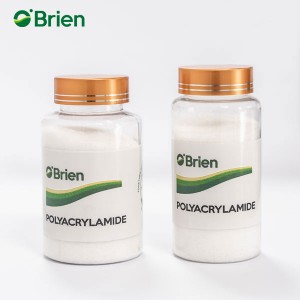
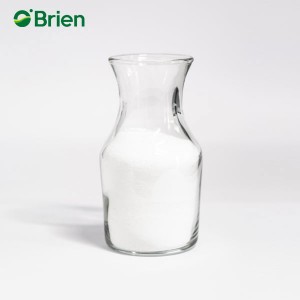
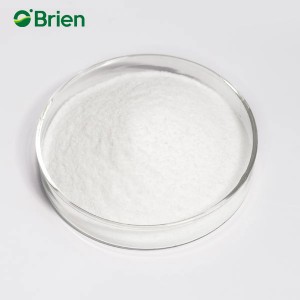
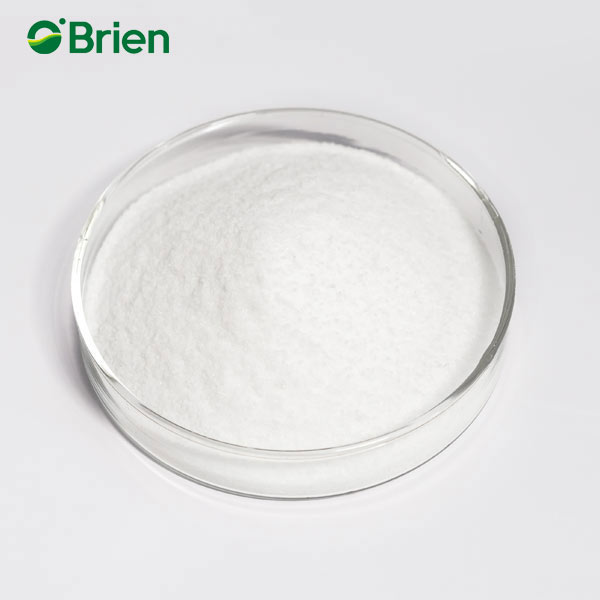
Synthetic water-soluble polymers synthesized through free-radical polymerization of acrylamide with specialized cationic monomers (DAC, DMC).
Polyacrylamide (PAM) is a linear, water-soluble synthetic resin produced by the polymerization of acrylamide monomers. Depending on the chemical structure, charge distribution, and functional monomer incorporation, PAM is categorized into four primary ionic variants: Cationic (CPAM), Anionic (APAM), Nonionic (NPAM), and Amphoteric/Mannich polymers.
Cationic Polyacrylamide (CPAM) is synthesized by copolymerizing acrylamide with cationic monomers such as Acryloyloxyethyltrimethyl ammonium chloride (DAC) or Methacryloyloxyethyltrimethyl ammonium chloride (DMC). The resulting polymer chains exhibit positive charge centers that actively neutralize negative surface charges on suspended colloidal organic matter.
| Polymer Ionic Type | Primary Monomer Compositions | Charge Density Range | Molecular Weight (Million Da) | Target Industrial Applications |
|---|---|---|---|---|
| Cationic (CPAM) | Acrylamide + DAC / DMC | 10% - 80% (Low to High) | 6.0 - 15.0 Million | Municipal sludge dewatering, organic wastewater, paper drainage/retention, dye decolorization. |
| Anionic (APAM) | Acrylamide + Acrylic Acid (AA) | 5% - 60% (Low to High) | 8.0 - 25.0 Million | Mineral beneficiation, red mud settling, coal washing, river water clarification, EOR oilfield operations. |
| Nonionic (NPAM) | Homopolymerized Acrylamide | 0% - 5% (Neutral) | 5.0 - 12.0 Million | Acidic industrial wastewater, soil stabilization, textile sizing, weak acid leaching in mining. |
| Amphoteric PAM | Acrylamide + DAC + AA | Variable Dual Charge | 4.0 - 10.0 Million | Complex petrochemical wastewater, high-salinity sludge dewatering, paper wet-end systems. |
Tailored ionic structures engineered to optimize solid-liquid separation across critical global sectors.
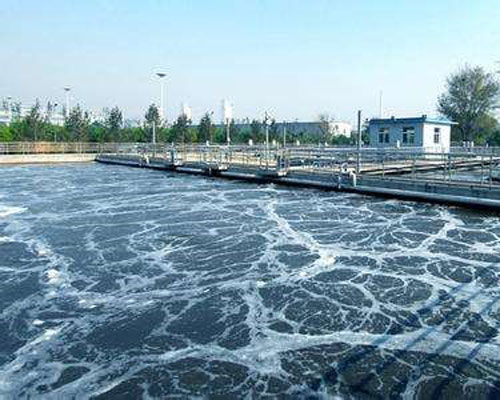
In municipal sewage plants and industrial wastewater facilities (tanneries, breweries, food processing, pharmaceuticals), CPAM serves as an indispensable sludge dewatering flocculant. It converts gelatinous, high-moisture organic sludge into dense, rapidly filtering flocs suitable for belt filter presses, centrifuges, and screw presses, significantly reducing disposal hauling costs.
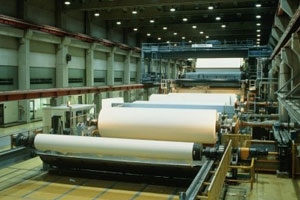
CPAM functions as a high-performance retention aid, drainage promoter, and wet-end strength agent in papermaking. By neutralizing anionic trash in recycled fiber pulp, CPAM binds fine fibers, titanium dioxide, and calcium carbonate fillers to the cellulose sheet, improving paper opacity, dry tensile strength, and machine speed while clarifying white water loops.
In mineral processing—including coal washing, gold, silver, copper, nickel, and iron ore extraction—our nonionic and cationic polymer grades accelerate thickener sedimentation rates and vacuum filter cake dewatering. They allow mining operators to recycle over 95% of process water and strictly comply with zero-liquid-discharge (ZLD) environmental mandates.

Polyacrylamide polymers act as vital rheology modifiers, friction reducers, and shale inhibitors in oilfield drilling fluids and hydraulic fracturing. High molecular weight variants are injected into oil reservoirs during Enhanced Oil Recovery (EOR) to sweep remaining hydrocarbons toward production wells by expanding sweep efficiency and mobility ratios.
Textile dyeing effluents carry heavy color loads and complex organic chemicals. Cationic flocculants effectively neutralize anionic dye molecules (azo, reactive dyes), forming compact insoluble precipitates that can be easily skimmed via Dissolved Air Flotation (DAF) systems, achieving up to 98% color removal and chemical oxygen demand (COD) reduction.
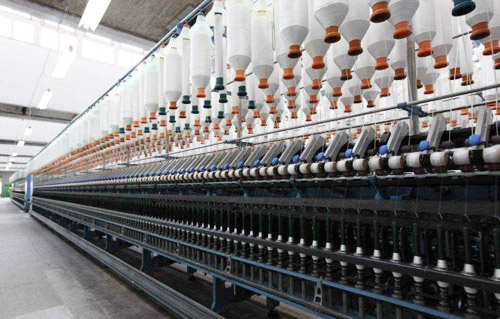
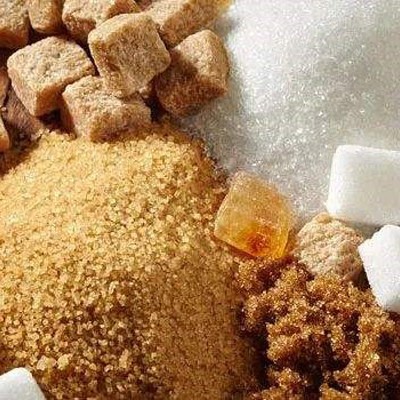
In sugar beet and cane juice clarification, specialized food-grade polyacrylamide accelerates the settling of suspended muds and insoluble solids. This leads to crystal-clear syrup prior to evaporation, reducing evaporator scaling and improving overall sucrose yield without introducing harmful chemical residues.
Leveraging Qingdao Free Trade Zone port connectivity, continuous process automation, and raw material integration.
Located directly in the Free Trade Zone of Qingdao, Oubo Chemical enjoys immediate access to Qingdao Port—one of the largest deep-water shipping terminals globally. This geographic advantage eliminates inland transit bottlenecks, guaranteeing reliable freight schedules, container availability, and streamlined customs clearance for international buyers.
Our plant operates fully automated continuous gel polymerization and fluidized bed drying systems. Process parameters such as polymerization temperature, initiator dosage, and drying humidity are monitored in real time via DCS control systems, ensuring batch-to-batch consistency and high solubility speed (dissolution time < 60 mins).
By pairing direct upstream raw material procurement (SINOPEC/Eni) with low-energy biological monomer synthesis, Oubo offers global distributors and end-users unparalleled price-to-performance ratios. Higher polymer activity means lower dosage requirements per ton of dry solids, minimizing overall water treatment operating expenses.
Multi-layer moisture-proof packaging options designed for long-distance maritime transport and extended shelf life.
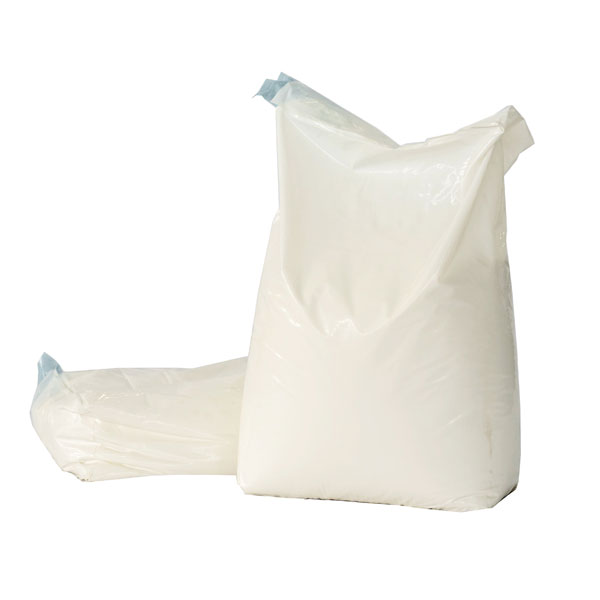
25kg Kraft paper bags with internal PE liner, unprinted for OEM distributor re-branding.
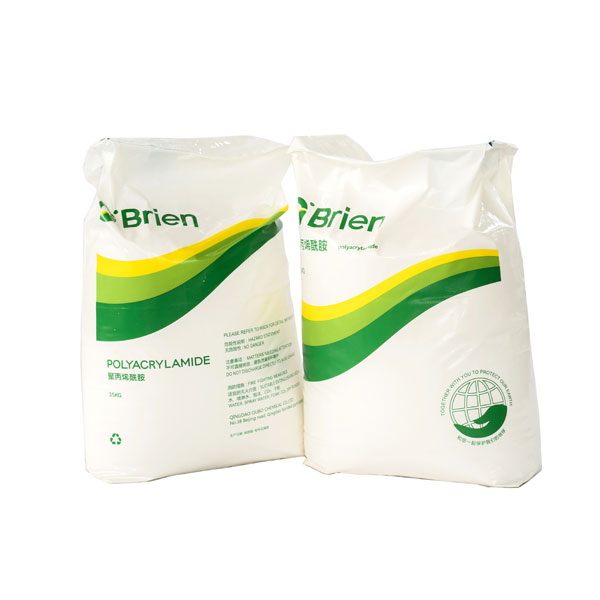
Multi-wall paper bags with standard O'brien export markings, product codes, and batch tracking.
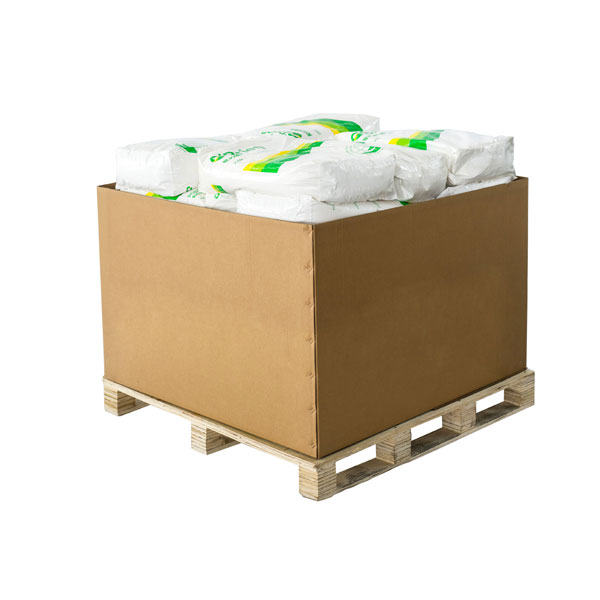
Heavy-duty FIBC big bags for high-volume automated dosing systems in large mining operations.
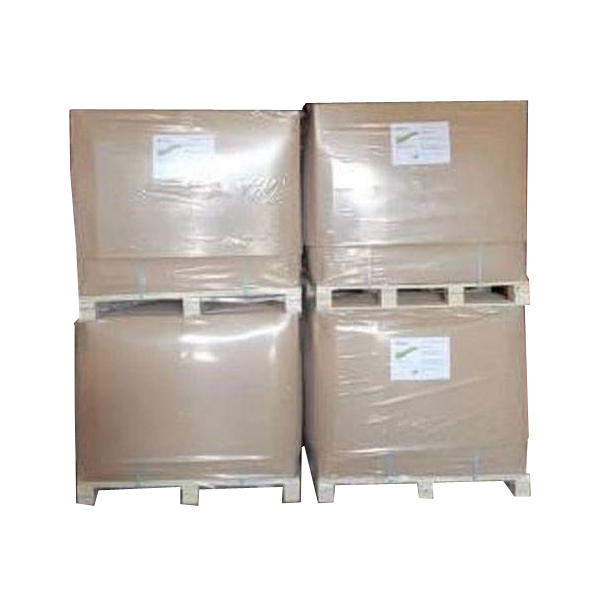
Fumigated wooden/plastic pallets securely film-wrapped to ensure zero moisture ingress during transit.
Next-generation polymer research driven by zero-dust micro-emulsions, bio-based feedstocks, and smart responsive flocculants.
In response to international ESG goals, Oubo Chemical is advancing bio-catalyzed acrylamide processes that utilize agricultural biomass derivatives. Our green chemistry roadmap targets a 35% reduction in lifecycle carbon emissions while maintaining absolute polymer purity and thermal stability.
To eliminate air particulate issues associated with dry powder handling, our laboratory has developed high-concentration water-in-oil micro-emulsions. These liquid polymers dissolve instantly in automated preparation units without forming unhydrolyzed polymer lumps ("fish eyes"), reducing solution preparation times to under 5 minutes.
For ultra-difficult industrial sludges containing complex surfactant mixtures or high shear stress environments, Oubo is pioneering hydrophobically associating cationic polymers (HCPAM). These self-assembling molecular structures exhibit enhanced shear resistance and superior water release during mechanical dewatering.
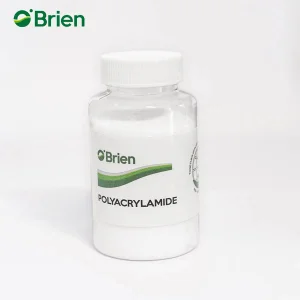
Browse our verified polyacrylamide catalogue for municipal, industrial, paper, and mining applications.
Expert answers to common engineering questions regarding jar testing, charge density matching, and storage stability.
 Oubo Chemical