High-performance cationic, anionic, and nonionic flocculants tailored for municipal sludge dewatering, industrial effluent, paper making, and enhanced oil recovery.
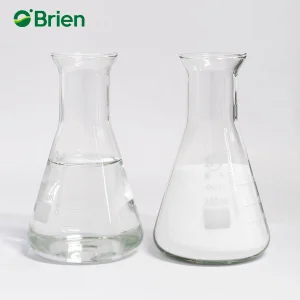
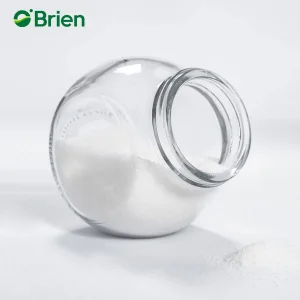
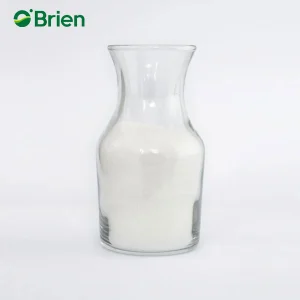
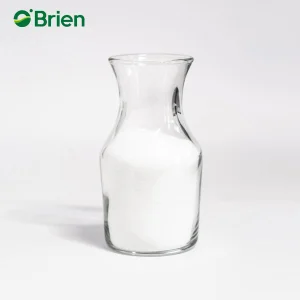
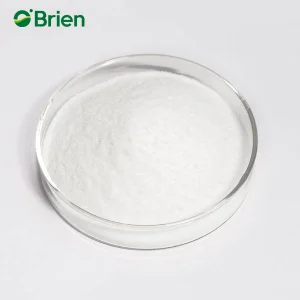
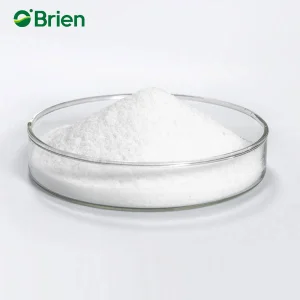
Understanding Market Growth Drivers, Regulatory Pressures, and Strategic Supply Sourcing
The global polyacrylamide (PAM) market has undergone a significant paradigm shift over the last decade. Driven by intensifying environmental regulations, strict Zero Liquid Discharge (ZLD) mandates, and expanding municipal water infrastructure worldwide, high-efficiency water-soluble polymers have transitioned from basic chemical additives to critical operational enablers. In 2024, the global market valuation for Polyacrylamide surpassed USD 6.8 Billion, projected to compound at a CAGR of 6.4% through 2030.
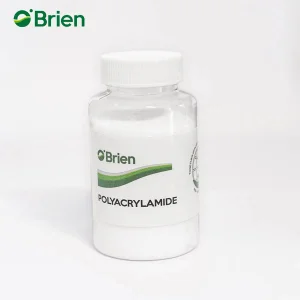
As the epicenter of global chemical manufacturing, China has established itself as the paramount hub for cationic polyacrylamide (CPAM), anionic polyacrylamide (APAM), and nonionic polyacrylamide (NPAM) production. Leading manufacturers like Qingdao Oubo Chemical Co., Ltd. (operating under the global trademark O'brien) have integrated advanced bio-catalytic monomer synthesis, fully automated polymerization lines, and real-time molecular weight titration to set global standards for polymer purity and performance stability.
Polyacrylamide is a high-molecular-weight linear polymer formed through the polymerization of acrylamide (AM) monomers. Depending on the ionic modifications integrated into the polyacrylamide backbone, the resulting polymer exhibits distinctly different physical chemistry mechanisms:
Synthesized via the copolymerization of acrylamide with cationic monomers such as DAC (Acryloyloxyethyltrimethyl ammonium chloride) or DMC (Methacryloyloxyethyltrimethyl ammonium chloride). CPAM neutralizes the negative surface charges prevalent on organic sludge flocs, enabling rapid micro-floc formation through charge patch mechanisms and polymer bridging.
Formed by copolymerizing acrylamide with acrylic acid (AA) or sodium acrylate, or via partial hydrolysis of polyacrylamide. APAM possesses strong carboxylate groups (-COO⁻), offering exceptionally high molecular weights (up to 22 Million Daltons). It excels at bridging suspended inorganic mineral solids in alkaline or neutral aqueous media.
A pure homopolymer of acrylamide featuring low ionic charge density. NPAM relies almost exclusively on hydrogen bonding between amide groups (-CONH₂) and hydroxyl/silica groups on suspended solids, making it ideal for highly acidic industrial effluents and complex mineral slurries.
Qingdao Oubo Chemical utilizes patented bio-enzymatic methods to yield acrylamide monomers with zero copper ions and minimal residual acrylamide content (<0.05%). This bio-technological route prevents thermal degradation during polymerization, resulting in ultra-long molecular chains with superior shear resistance.
Oubo Chemical Co., Ltd. was established in 2011 in the Free Trade Zone of Qingdao, China. Over a decade of stringent Quality Control (QC) engineering has enabled Oubo to maintain a steady business growth rate of 10% annually. Our fully automated facility achieved an annual capacity milestone breaking 50,000 Tons in 2018 under ISO 9001:2008 certification. Raw materials are globally sourced from elite suppliers including SINOPEC and Eni, ensuring raw monomer purity that directly translates into consistent batch-to-batch polymer performance.
| Polymer Type | Molecular Weight (Million Daltons) | Charge Degree / Hydrolysis (%) | Solid Content (%) | Dissolution Time (Mins) | Primary Target Application |
|---|---|---|---|---|---|
| Cationic (CPAM) | 8.0 - 14.0 | 10% - 80% (Cationic) | ≥ 88% | ≤ 45 | Municipal & Industrial Organic Sludge Dewatering |
| Anionic (APAM) | 12.0 - 22.0 | 10% - 60% (Anionic) | ≥ 88% | ≤ 60 | Mineral Processing, Coal Washing, Sand Washing |
| Nonionic (NPAM) | 6.0 - 12.0 | 0% - 5% | ≥ 88% | ≤ 60 | Acidic Industrial Effluent, Soil Stabilization |
| Oilfield Grade EOR | 18.0 - 25.0 | 20% - 30% (APAM) | ≥ 90% | ≤ 90 | Tertiary Oil Recovery (EOR) & Friction Reduction |
Polyacrylamide functions as an indispensable chemical workhorse across key infrastructure and heavy industrial sectors. The targeted chemical interactions of Oubo's O'brien brand polymers deliver high separation efficiency, reduced chemical dosage rates, and substantial operational cost savings.
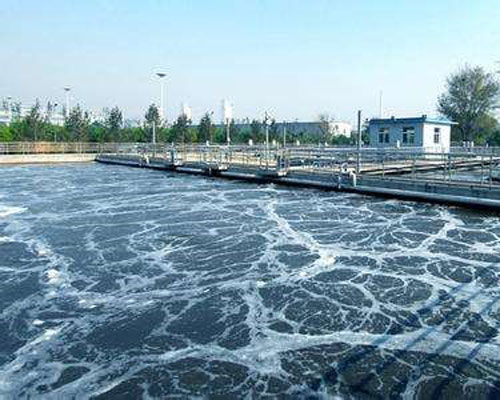
CPAM serves as a primary flocculating agent in sedimentation, clarification, and mechanical sludge dewatering. It drastically speeds up liquid-solid separation in belt presses, centrifuges, and screw presses while keeping filtrate turbidity exceptionally low.
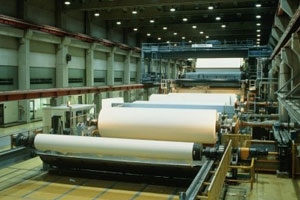
Functions as a retention aid, filter aid, dry strength agent, and anionic trash collector. CPAM and APAM enhance fine fiber retention, improve paper physical strength, lower raw fiber loss, and clarify mill white water for closed-loop recycling.
Used extensively in polymer flooding for Enhanced Oil Recovery (EOR), profile control, water plugging, and slick-water hydraulic fracturing. High-viscosity PAM reduces fluid friction losses, stabilizes shale, and carries drill cuttings efficiently.
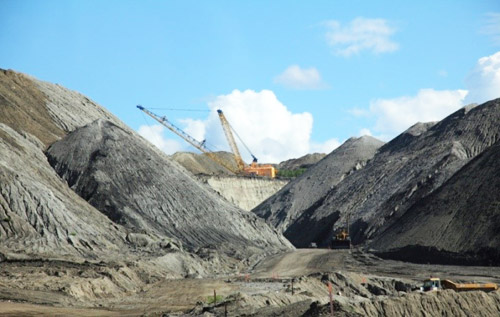
Accelerates solid-liquid thickening and filtration in coal washing tailings, copper, iron, gold, silver, and alumina production. Helps plants achieve immediate water recovery and dry tailings stacking to comply with environmental regulations.
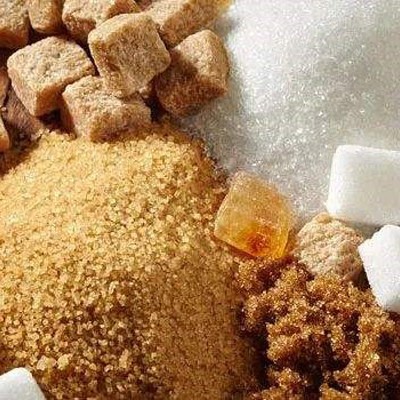
Food-grade APAM and CPAM clarify raw sugar cane juices and beet syrups, promoting rapid settling of colloidal impurities and mud. Applied in vegetable protein extraction, brewing effluent, and citric acid wastewater treatment.
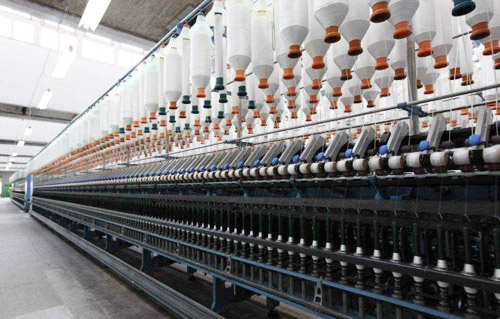
Functions as a sizing agent, fabric treatment additive, and de-colorizing flocculant. Highly effective at breaking complex dye emulsions, neutralizing reactive dyes, and precipitating heavy metals from high-COD textile discharge.
In modern high-speed paper machines, wet-end chemistry control is paramount to machine runnability. Oubo’s dry and wet strength polyacrylamide agents ionize completely across the broad pH spectrum. When added to fiber slurries, the polymer directly adsorbs onto negatively charged cellulose pulp fibers via ionic linkages and covalent bonds formed between amide groups (-CONH₂) and fiber hydroxyl groups (-OH). This structural network dramatically enhances burst strength, tensile energy absorption, and ring crush index, while boosting short-fiber retention by up to 35%.
In mineral dressing operations—such as coal preparation plants and precious metal leach circuits—fine slurry particles resist natural gravity settling due to electrostatic repulsion. Nonionic and Anionic Polyacrylamides bridge these sub-micron particles into dense, fast-settling micro-flocs. In tailings filtration centrifuges, introducing Oubo’s customized APAM reduces cake moisture by 8–12%, allowing zero-discharge recycling of process water directly back into flotation circuits.
In mature oil fields, conventional water flooding leaves significant oil trapped in low-permeability zones. Ultra-high molecular weight APAM (18M - 25M Daltons) increases injection water viscosity, favorably adjusting the mobility ratio between water and crude oil. In slick-water hydraulic fracturing operations, specialized low-friction PAM polymers reduce line friction pressure by up to 75%, lowering pump horsepower requirements and fuel costs on well sites.
Selecting a polyacrylamide manufacturer requires complete trust in chemical stability, raw material traceability, technical expertise, and supply chain reliability. Oubo Chemical stands at the forefront of the global chemical supply chain:
Located in the Free Trade Zone of Qingdao, our plant utilizes fully automated state-of-the-art polymerization lines, operating continuously under ISO9001:2008 standards with an annual capacity exceeding 50,000 Metric Tons.
We reinvest over €2 Million annually into R&D. Our patented bio-catalytic monomer synthesis yields ultra-pure acrylamide, reducing unreacted residual monomer toxins to ensure environmental safety in treated sludge.
Raw materials are secured from global chemical titans including SINOPEC and Eni. Every production batch undergoes 3 separate Quality Control inspections before dispatch, testing viscosity, charge density, insoluble content, and dissolution speed.
Our dedicated technical engineers support customers through pre-sales lab jar testing, polymer selection, field trial execution, operational dosing system calibration, and post-sales process optimization.
To preserve dry powder stability and prevent moisture absorption or aggregation during ocean transport, Oubo Chemical offers multi-layer reinforced packaging configurations tailored for global delivery:
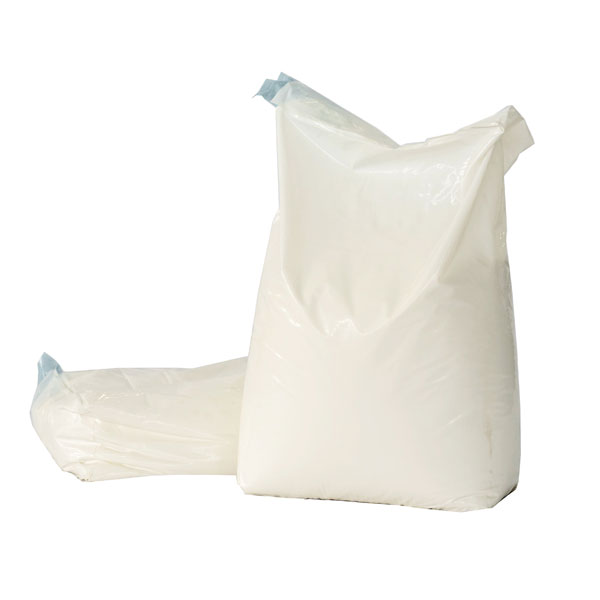
25kg inner PE liner craft paper bags designed for private label distributors and custom brand re-packaging.
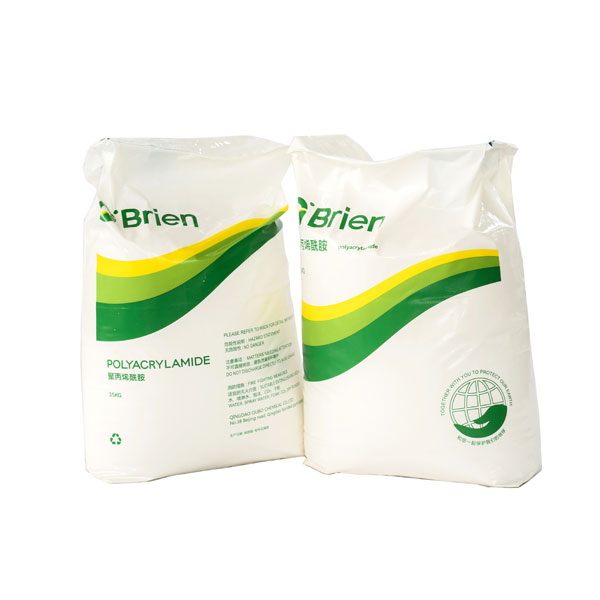
High-strength 25kg woven PP bags with PE anti-moisture lining, printed with complete product specification data.
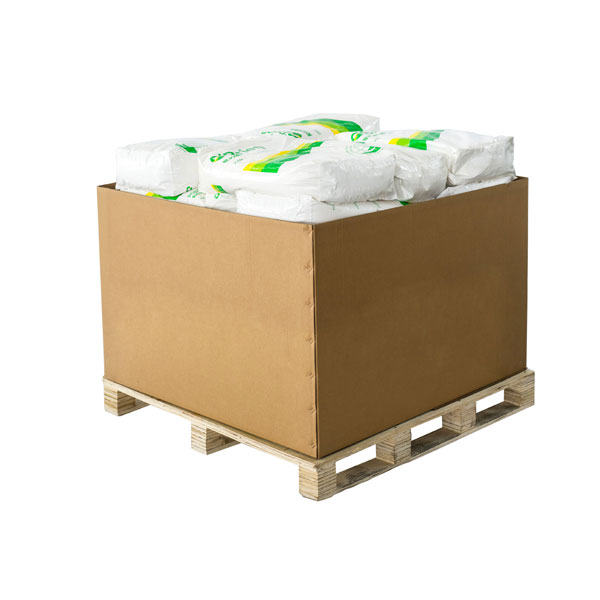
750kg and 1000kg heavy-duty FIBC tote bags engineered for high-volume automated dosing systems in mining and municipal plants.
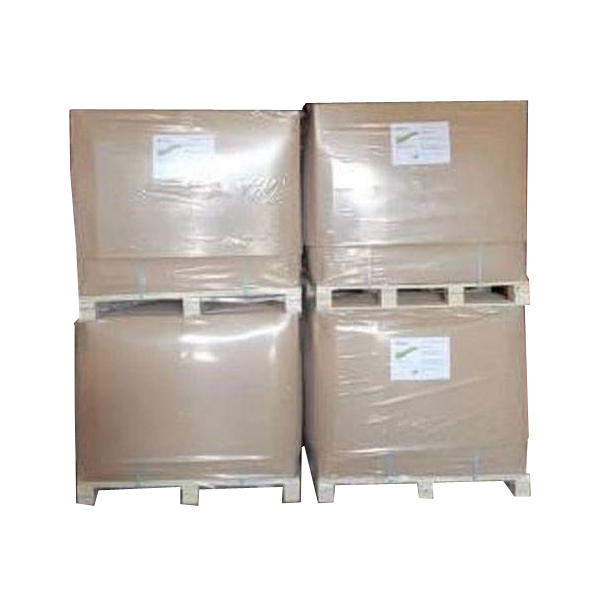
All packaging units can be shrink-wrapped and securely palletized (1.0 to 1.2 MT per pallet) to ensure sea freight stability.
Explore our full range of certified high-molecular-weight cationic, anionic, and nonionic polymers.
 Oubo Chemical