Direct Factory Supply with Global ISO9001:2008 & Bio-Catalytic Quality Standards
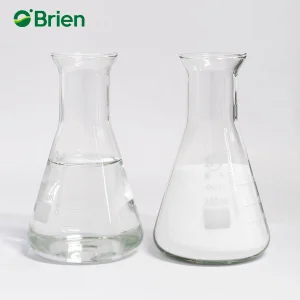
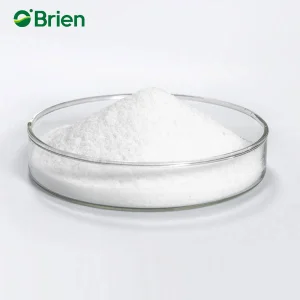
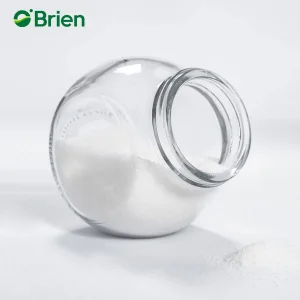
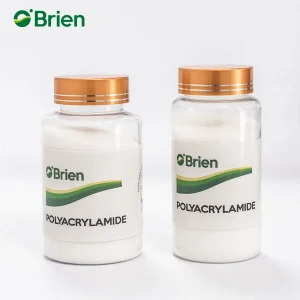
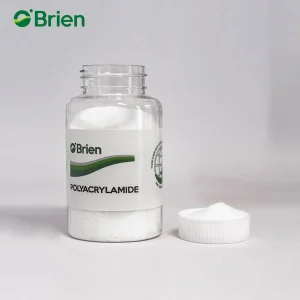
Established in 2011 inside the Qingdao Free Trade Zone, China, Qingdao Oubo Chemical Co., Ltd. has grown to become a global leader in synthetic macromolecular polymer manufacturing. Operating with an annual capacity exceeding 50,000 Metric Tons, Oubo integrates cutting-edge bio-catalytic monomer synthesis with ultra-automated polymerisation lines to produce world-class Nonionic Polyacrylamide (NPAM), Anionic Polyacrylamide (APAM), and Cationic Polyacrylamide (CPAM).
Holding rigorous ISO 9001:2008 certification, Oubo maintains a strict multi-tier Quality Control protocol: every production batch undergoes mandatory triple-stage laboratory testing prior to dispatch. By establishing direct strategic raw material partnerships with global giants like Sinopec and Eni, we guarantee exceptionally low residual monomer levels (<0.05%), optimal molecular weight distribution, and uncompromised lot-to-lot consistency.
Technical Innovation Standard: Oubo invests substantially in R&D annually, pioneering patented third-generation biological enzymatic hydratase methods for acrylamide monomer synthesis. This approach dramatically eliminates organic impurities, preserving polymer chain length and providing superior performance in extreme industrial environments.
Understanding the Chemistry, Bio-Catalysis Advantages, and Charge-Neutral Flocculation Dynamics
Polyacrylamide (PAM) is a water-soluble linear polymer formed by the polymerization of acrylamide monomers ($-\text{CH}_2\text{CHCONH}_2-$). In Nonionic PAM, the molecular chain contains almost no ionic functional groups, making it virtually charge-neutral in aqueous solutions.
This neutral backbone allows NPAM to form strong hydrogen bonds with organic and inorganic particulates via its abundant amide groups, independent of system pH or ambient salinity.
Traditional chemical synthesis of acrylamide relies on copper-catalyzed nitrile hydration, which leaves toxic metallic residues and high residual monomer concentrations. Oubo utilizes patented biological enzymatic catalysis using microbial nitrile hydratase.
This bio-method produces acrylamide monomers of >99.9% purity under ambient temperatures, preventing thermal monomer degradation and yielding ultra-high molecular weight polymers (3M to 15M Daltons).
NPAM operates through particle adsorption and macromolecular bridging. Because it lacks electrostatic repulsion, the long-chain NPAM molecules extend into solution, anchoring to multiple suspended solids simultaneously.
This process creates massive, rapidly settling flocs with high shear resistance, outperforming ionic polymers in highly acidic, saline, or complex heavy-metal rich effluents.
| Technical Parameter | Standard Commercial NPAM | Oubo Bio-Grade NPAM (High MW) | Oubo Acid-Resistant NPAM |
|---|---|---|---|
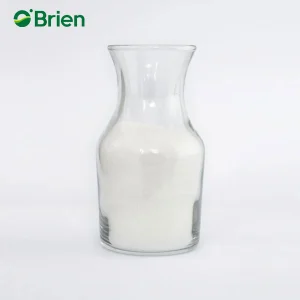
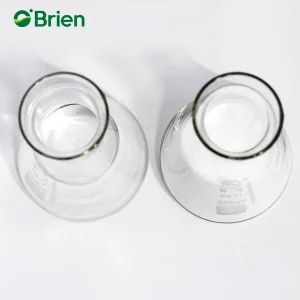
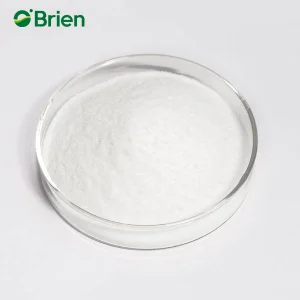
| Appearance | White Granules / Powder | White High-Purity Granules | White Granules |
| Molecular Weight (Million Daltons) | 3.0 - 8.0 Million | 8.0 - 15.0 Million | 5.0 - 10.0 Million |
| Degree of Hydrolysis (Degree of Ionization) | < 5% | < 1% - 3% (Strict Charge Neutrality) | < 1% |
| Solid Content (%) | ≥ 88% | ≥ 90% | ≥ 90% |
| Residual Acrylamide Monomer (AM) | ≤ 0.10% (1000 ppm) | ≤ 0.05% (500 ppm) Max | ≤ 0.05% (500 ppm) Max |
| Dissolution Time (Minutes) | 60 - 90 mins | ≤ 60 mins | ≤ 45 mins |
| Effective pH Operating Range | pH 3.0 - 9.0 | pH 1.0 - 14.0 (Universal) | pH 1.0 - 6.0 (Highly Acidic) |
Customized Polymer Chemistry Tailored for Global Heavy Industries
In strongly acidic effluents (such as copper/zinc electroplating, chemical etching, and steel pickling wastewater), standard Anionic PAM undergoes protonation and loses its charge, resulting in flocculation failure.
Oubo's charge-neutral Nonionic Polyacrylamide maintains high structural polymer chain expansion down to pH 1.0. It acts as an exceptional filtration aid and settling agent, removing dissolved heavy metal hydroxides and inorganic suspended solids rapidly.
Mining operations require rapid solid-liquid separation in mineral thickeners and tailings dams. NPAM's robust hydrogen-bonding capacity allows it to bind silica, alumina, copper, gold, iron, and coal washing fine slurry efficiently.
Adding Oubo NPAM accelerates clarification rate, increases thickener underflow solid concentration, lowers centrifuge energy usage, and enables closed-loop process water recycling for sustainable mining operations.
Within oil extraction, NPAM serves as a high-performance profile control agent, plugging fluid, and drilling fluid additive. Because it does not interact negatively with formation salts or divalent cations ($\text{Ca}^{2+}$, $\text{Mg}^{2+}$), it prevents viscosity loss in high-saline reservoirs.
It reduces fluid loss, cools and lubricates drill bits, stabilizes shale structures, and carries cuttings efficiently out of deep boreholes under severe high-temperature conditions.
In high-speed paper machinery, NPAM acts as a dry strength agent, retention aid, and pulp dispersant. It enhances short fiber retention, increases filler binding efficiency, and improves sheet uniformity without causing floc agglomeration.
Additionally, it provides superior clarification in paper mill white water recovery systems, capturing fine cellulose fibers and drastically reducing biological oxygen demand (BOD) in mill discharge.
In sugar cane and beet sugar manufacturing, juice clarification requires non-toxic polymers with ultra-low residual monomer content. Oubo's food-grade certified NPAM facilitates rapid mud settling during juice clarification.
It ensures clear, bright filtrate, maximizes sugar extraction yield, and strictly complies with global food-contact purity criteria.
NPAM forms a smooth, high-strength protective film when applied as a warp sizing agent in textile weaving, significantly reducing yarn breakage rates. In textile dyeing effluent treatment, it decolors and flocculates colloidal dye particles effectively.
Located strategic within the Qingdao Free Trade Zone, Qingdao Oubo Chemical operates state-of-the-art automated manufacturing infrastructure tailored to supply global enterprise clients seamless supply chain continuity.
Direct port connectivity at Qingdao FTZ cuts container drayage lead times by up to 48 hours, providing fast, cost-efficient ocean shipping access to North America, Europe, SE Asia, and the Middle East.
Upstream monomer contracts secured with tier-1 petrochemical suppliers like Sinopec and Eni ensure stable feedstock supplies, price lock-in stability, and chemical purity guarantees.
Every lot undergoes pre-synthesis raw material analysis, online polymerization parameter tracking, and post-drying 3x quality testing for dissolution rate, intrinsic viscosity, and free monomer purity.
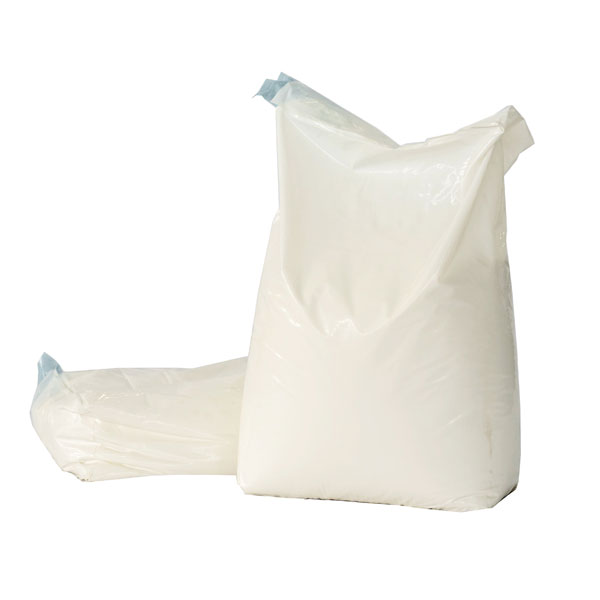
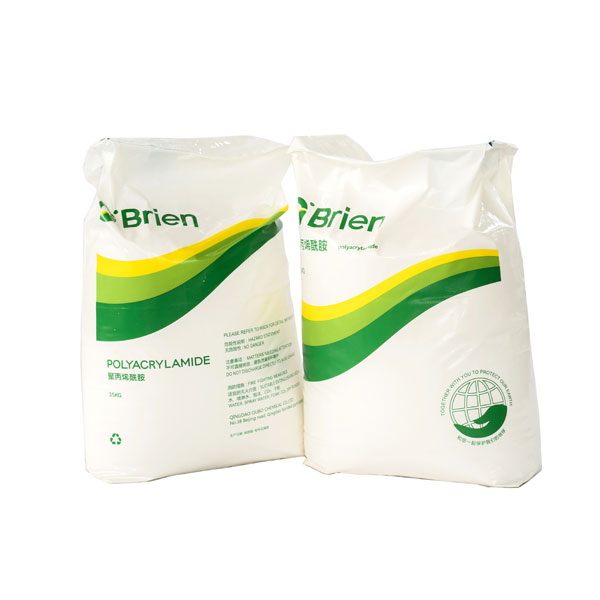
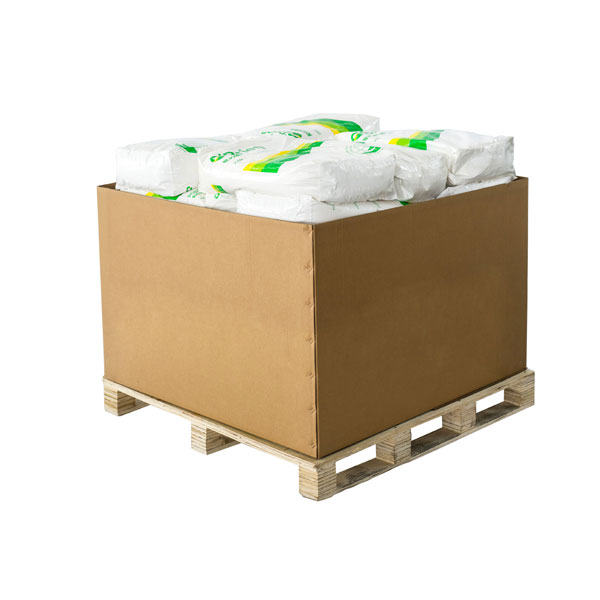
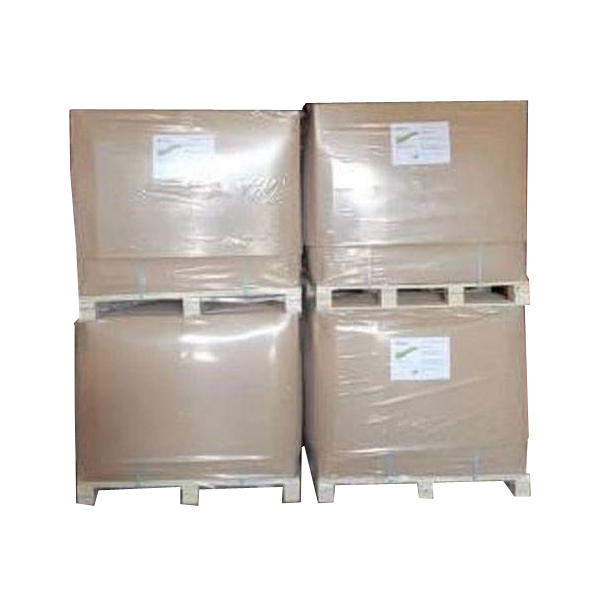
Oubo offers robust, moisture-proof, and fully customizable industrial packaging configurations designed for global sea freight and extended warehouse storage.
Optimizing Chemical Dosage Efficiency to Reduce Operational Expenditure in Industrial Plant Systems
The true cost of polyacrylamide is not measured by price per metric ton, but by active polymer yield per cubic meter of effluent treated. Oubo NPAM’s ultra-high intrinsic viscosity means plants achieve target clarification at 15% to 30% lower dosage rates compared to standard polymers.
Slow dissolving polymer granules waste mixing energy and cause chemical insoluble gel lumps ("fish eyes") that clog pump lines. Oubo's micro-crystalline particle size control ensures rapid, lump-free dissolution in under 45-60 minutes, cutting agitator power consumption significantly.
Oubo provides global pre-sales jar testing support, dosage optimization consulting, and site technical assistance. Our expert polymer engineers analyze your site water chemistry to match the exact molecular weight and hydrolysis specs required for lowest operational cost.
Expert Insights into Polyacrylamide Selection, Storage, Hydrolysis, and Handling
Complete Cationic, Anionic, and Nonionic Product Portfolios Available for Bulk Dispatch
Looking for verified bulk PAM supply, customized molecular weight formulations, or direct factory pricing from Qingdao Free Trade Zone?
 Oubo Chemical