Explore our primary range of anionic, cationic, and nonionic polyacrylamide polymers synthesized for ultra-high sedimentation velocity, sludge dewatering efficiency, and chemical resistance.
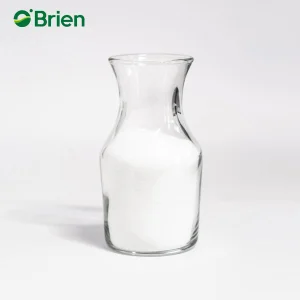
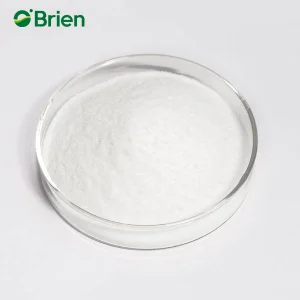
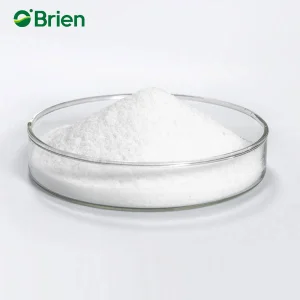
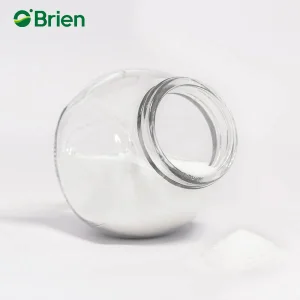
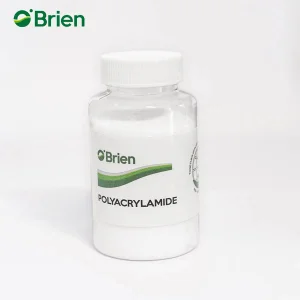
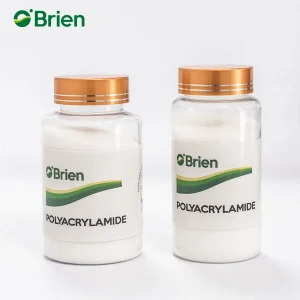
Founded in 2011 and strategically situated within the Free Trade Zone of Qingdao, China, Qingdao Oubo Chemical Co., Ltd. has evolved into a global powerhouse in synthetic resin synthesis and macromolecular chemistry. Registered under the renowned O'brien global brand umbrella, our organization combines bio-catalytic engineering with rigorous international quality standards to deliver high-performance Polyacrylamide (PAM) solutions worldwide.
Operating under a fully automated infrastructure, Oubo Chemical purchases raw monomer feedstocks from tier-one energy and chemical conglomerates including SINOPEC and Eni. By pioneering patented bio-catalytic microbial techniques to synthesize acrylamide monomers, Oubo drastically reduces energy intensity, eliminates environmental contaminants, and delivers higher purity polymers with ultra-narrow molecular weight distributions. Every batch undergoes a mandatory 3-stage Quality Control (QC) screening, verifying intrinsic viscosity, charge density, insoluble solids, and residual monomer levels prior to dispatch.
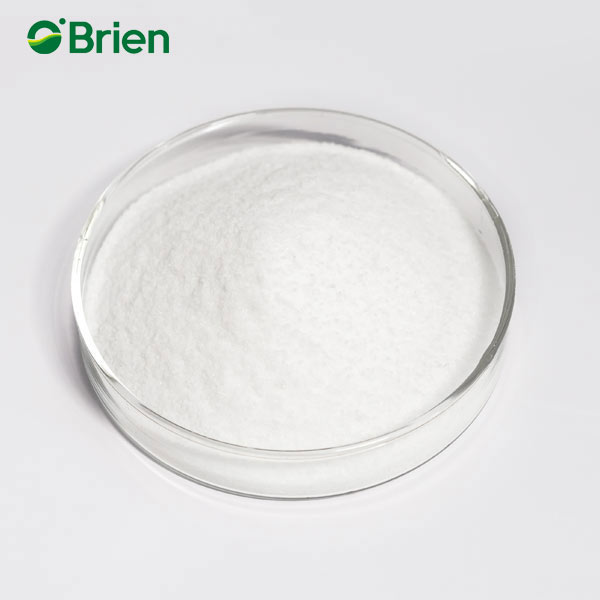
Anionic Polyacrylamide (APAM) is a water-soluble linear high-polymer formed by the co-polymerization of acrylamide (AM) and acrylic acid (AA) or sodium acrylate monomers. The introduction of negative carboxylate groups ($-\text{COO}^-$) along the polyacrylamide backbone imparts strong anionic electrostatic properties, making APAM an unexcelled flocculant for positively charged suspended solids, metallic hydroxides, and mineral fine particulates in aqueous media.
Our industrial synthesis allows precise tuning of anionic hydrolysis degree from 10% to 60%. This tailoring enables exact matching with the Zeta potential of target effluent suspended solids.
Spanning from 6 Million to 25 Million Daltons, Oubo's APAM polymers create extended macromolecular bridges, rapidly adsorbing multiple solid particles to build dense, fast-settling flocs.
Using third-generation bio-enzymatic conversion of acrylonitrile, our acrylamide monomers contain zero copper ion trace contaminants, preserving polymer backbone integrity and shear stability.
Engineered with controlled granule mesh sizes (20-80 mesh), Oubo APAM dissolves fully within 40–60 minutes, preventing "fish-eye" agglomerations and maximizing chemical utilization efficiency.
| Polymer Type | Ionic Charge Degree (%) | Molecular Weight (Million Daltons) | Solid Content (%) | Dissolution Time (Mins) | Primary Industrial Field |
|---|---|---|---|---|---|
| Anionic PAM (APAM) | 10 - 60 (Anionic) | 6.0 - 25.0 | ≥ 88% | ≤ 60 | Municipal Water, Mineral Processing, Paper, Oilfield EOR |
| Cationic PAM (CPAM) | 5 - 80 (Cationic) | 5.0 - 14.0 | ≥ 88% | ≤ 45 | Sludge Dewatering, Organic Wastewater, Dyeing Effluent |
| Nonionic PAM (NPAM) | < 5 (Nonionic) | 3.0 - 15.0 | ≥ 88% | ≤ 90 | Acidic Wastewater Treatment, Soil Stabilization, Mining |
| Amphoteric PAM | Variable Dual Charge | 4.0 - 12.0 | ≥ 88% | ≤ 60 | Complex Wastewater, Refractory Sludge Dewatering |
As global industrial compliance tightens and operations demand cost optimization alongside technical reliability, sourcing Anionic Polyacrylamide from established China brand factories like Oubo Chemical provides undeniable strategic advantages across procurement, technical customization, and supply chain resilience.
Located in the Free Trade Zone of Qingdao, Oubo benefits from direct pipeline integration and bulk raw material procurement contracts with PetroChina and Sinopec. This guarantees continuous supply of high-purity Acrylonitrile (AN) monomer regardless of global market volatility.
Our continuous gel polymerization lines feature fully computerized PLC process control monitoring reaction enthalpy, initiator dosing, and thermal drying. This automated rigor eliminates batch variance and guarantees precise charge density and viscosity profile adherence.
China's economies of scale in chemical synthesis allow Oubo to provide premium-grade polymers at significantly lower cost thresholds than European or North American producers, freeing capital for industrial end-users without compromising treatment efficiency.
Our direct access to Qingdao Port—one of the largest deep-water shipping terminals worldwide—enables rapid sea-freight vessel dispatch, streamlined customs clearing in free-trade zones, and flexible shipping options (FOB, CIF, DDP, DAP).
Polyacrylamide is not a one-size-fits-all product. Chemical performance depends heavily on water chemistry, pH balance, shear rate, and suspended solids concentration. Below are the macro-industry solutions where Oubo's "O'brien" brand polymers excel:
In primary sedimentation and secondary clarification stages, Anionic Polyacrylamide acts as a primary flocculant. By neutralizing charge and establishing polymer bridges, APAM converts micro-flocs into large, rapid-settling macro-flocs.
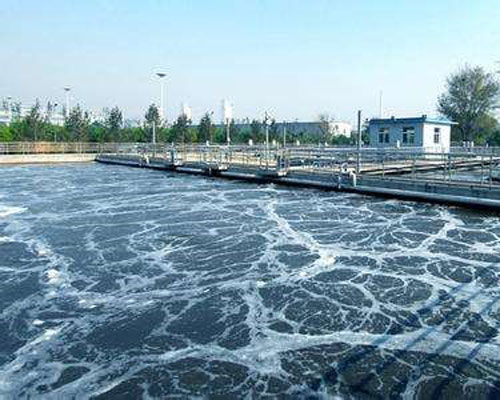
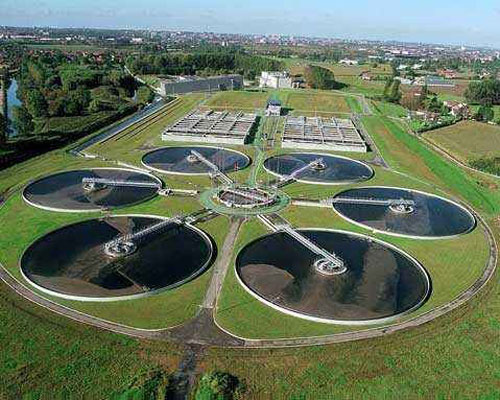
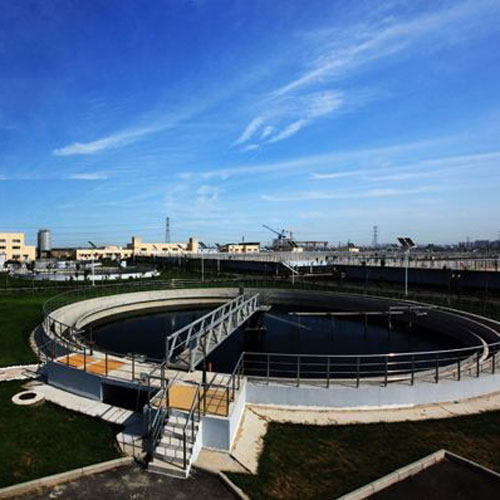
For municipal sludge dewatering (using belt filter presses, centrifuges, or screw presses), our high-charge Cationic and Anionic series optimize cake solids content, reducing total sludge transport and disposal overheads.
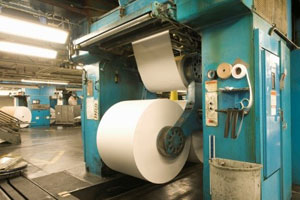
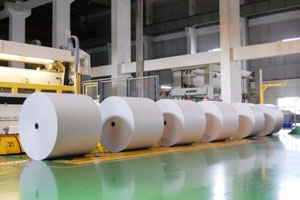
Oubo's specialized PAM polymers serve critical functions in the wet-end chemical section of paper machines, improving operational speed, machine cleanliness, and sheet quality.
In oil exploration, ultra-high molecular weight APAM is indispensable for Enhanced Oil Recovery (EOR) via polymer flooding. It increases sweep efficiency by expanding water-phase viscosity and lowering reservoir permeability in high-conduction channels.


Additionally, Oubo polymers act as shale inhibitors, fluid-loss control agents, and friction reducers in hydraulic fracturing operations, enduring high shear forces and subterranean salinity.
Hydrometallurgical extraction and coal preparation processes require rapid solid-liquid separation to recover process water and compact waste tailings.

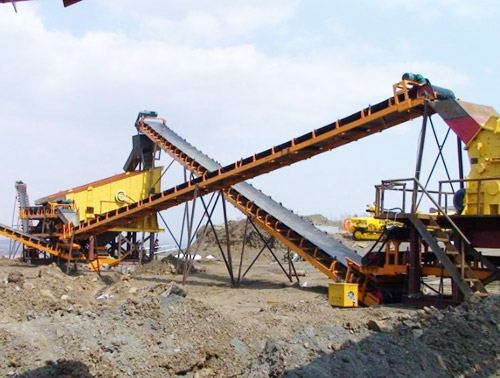

Oubo APAM and NPAM grades accelerate settling in gold, copper, iron, alumina, and nickel tailings thickeners, enabling rapid recycling of process water and meeting strict environmental mine tailings management codes.
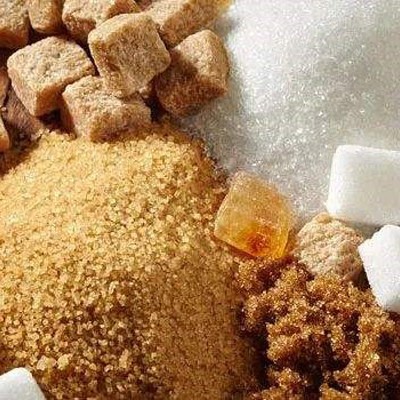
In Sugar Refining, food-grade APAM polymers accelerate sugarcane juice clarification and syrup flotation, removing colloidal non-sugar impurities while preserving sucrose purity.
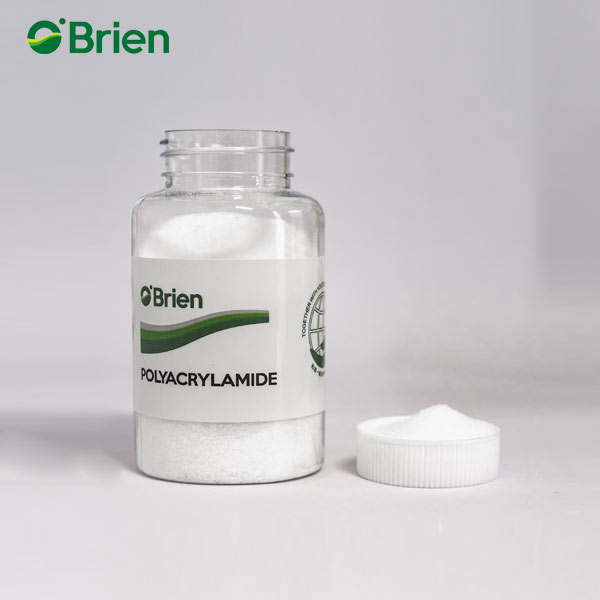
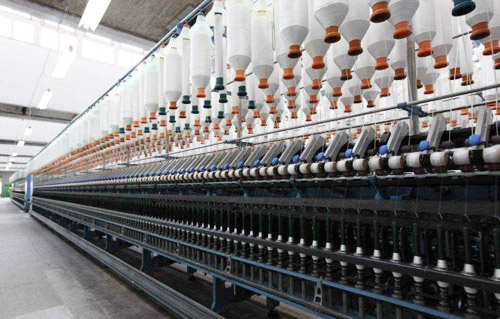
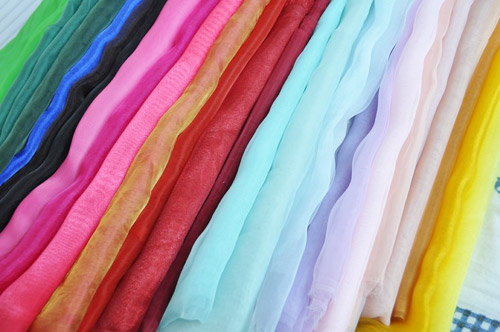
In the Textile Industry, PAM functions as a high-efficiency textile sizing agent and fabric finishing additive, providing smooth protective films, reducing yarn breakage during high-speed weaving, and flocculating heavy color dyes in textile dyeing wastewater operations.
To ensure zero property degradation during long-distance oceanic transits, Oubo Chemical adheres to international packaging, moisture barrier, and palletization standards.
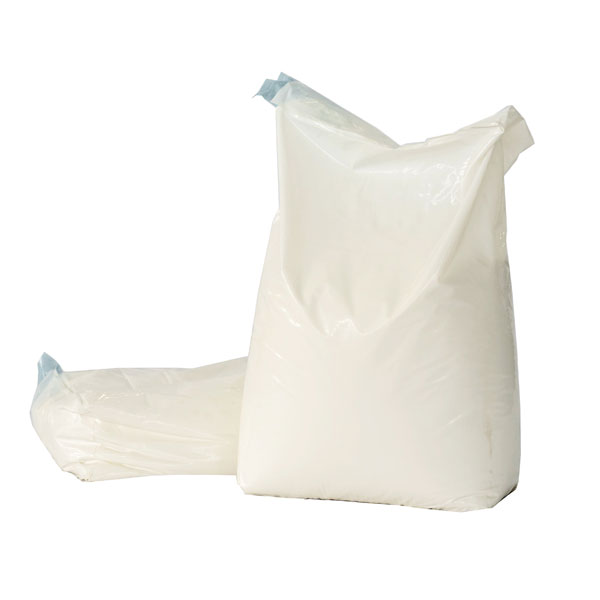
25kg kraft paper / PE inner-lined moisture-proof bags ideal for OEM distributor re-branding.
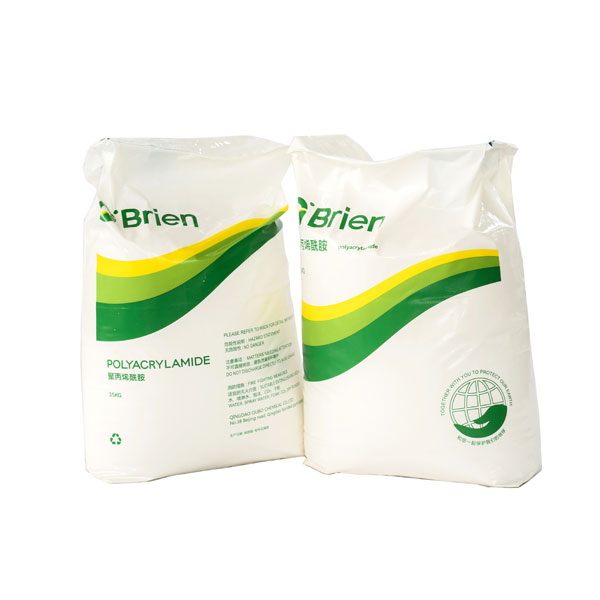
Standard branded 25kg multi-wall paper bags with standard technical labeling and safety codes.
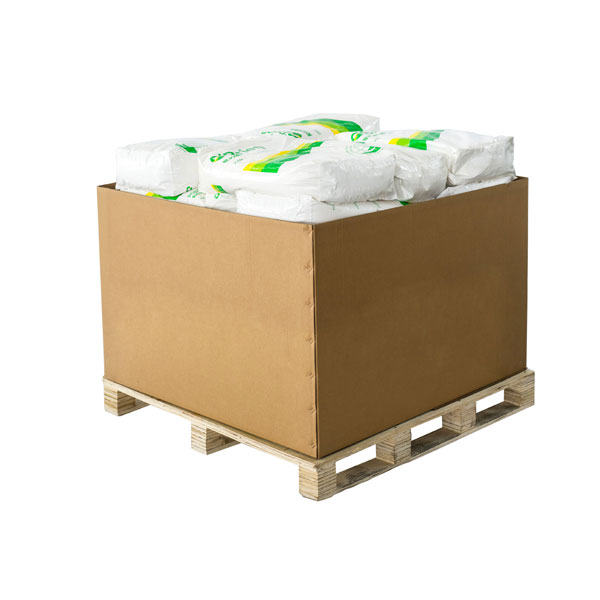
750kg - 1000kg heavy-duty super sacks for high-volume automated industrial dosing plants.
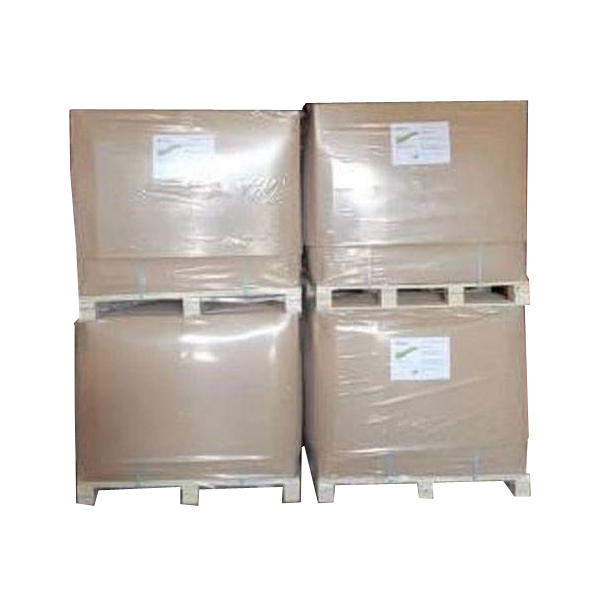
Fumigated wooden or plastic pallets, shrink-wrapped with corner boards for maximum container stability.
The global polyacrylamide sector is undergoing a rapid evolution toward green chemistry, ultra-low toxicity, and specialized thermal stability. Oubo Chemical is at the forefront of this industrial transformation.
Driven by strict environmental and municipal drinking water safety directives (NSF/ANSI Standard 60), our advanced bio-catalysis reduces residual acrylamide monomer (AM) down to < 0.02% (200 ppm), safeguarding aquatic ecosystems and potable water supplies.
For deep offshore oil reservoirs and hyper-saline mining process water, Oubo has engineered specialized hydrophobic monomer modified APAM polymers capable of maintaining viscosity at temperatures exceeding 95°C and total dissolved solids (TDS) over 200,000 mg/L.
Integrating real-time inline optical turbidity meters, streaming Zeta potential sensors, and automated polymer dosing pumps reduces chemical overconsumption by up to 25%, drastically lowering operating expenses for plant operators.
The choice depends primarily on the electrical surface charge (Zeta potential) of your suspended solids. Inorganic mineral slurries (clay, silica, metal hydroxides, coal tailings) generally carry positive surface charges and respond best to Anionic Polyacrylamide (APAM). Organic biological sludges (such as municipal activated sludge) possess negative surface charges and require Cationic Polyacrylamide (CPAM). Neutral or strongly acidic mineral suspensions often yield optimal flocculation with Nonionic Polyacrylamide (NPAM). Jar testing in a lab is recommended to confirm optimal polymer selection.
Molecular Weight (MW) refers to the length of the polymer chain (expressed in Millions of Daltons), which controls physical bridging capacity between particles. Hydrolysis Degree (HD) represents the percentage of carboxylate anion groups along the chain, controlling charge density and electrostatic attraction. Higher MW increases settling speed and floc size, while target HD optimizes charge neutralization for specific mineral types.
Oubo Chemical operates under ISO 9001 certified management systems. Every production batch undergoes triple-stage QC testing evaluating solid content, degree of ionicity, intrinsic viscosity, and residual monomer levels. COA (Certificate of Analysis) documentation accompanies every shipment, and third-party inspections (SGS, Intertek) are available upon request.
Dry polyacrylamide powder has a shelf life of 24 months when stored in original unopened packaging in a cool, dry, ventilated warehouse at temperatures between 5°C and 30°C. Protect the polymer from moisture, rain, and direct solar radiation to prevent caking and hydrolytic degradation.
Browse our comprehensive list of specialized PAM grades formulated for food processing, pulp strength enhancement, acidic wastewater, and mineral thickening.
 Oubo Chemical