High-Purity Cationic, Anionic & Nonionic Polyacrylamide Synthetics Manufactured in China
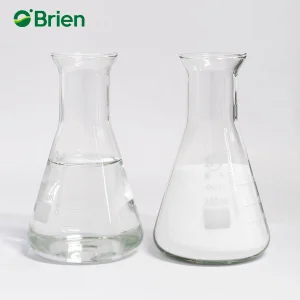
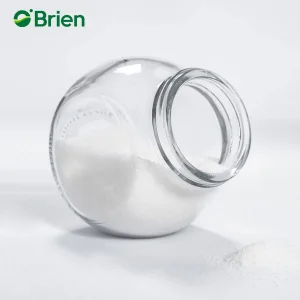
In modern industrial operations, corrosion and scale build-up inside open-recirculating cooling systems, high-pressure boilers, reverse osmosis (RO) membranes, and wastewater treatment assets lead to billions of dollars in annual capital degradation. As a premier China Anti Corrosion Water Treatment Chemicals Supplier & Factories anchor, Qingdao Oubo Chemical Co., Ltd (established in 2011 within the Qingdao Free Trade Zone) provides technical mastery over water-soluble polymer chemistry. The NACE International Impact Study estimates global metallic corrosion costs exceed $2.5 trillion annually; incorporating specialized Polyacrylamide (PAM) and polymeric anti-corrosion/scale inhibitor blends offers a vital defense mechanism.
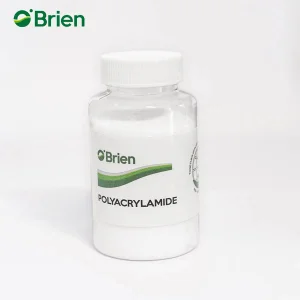
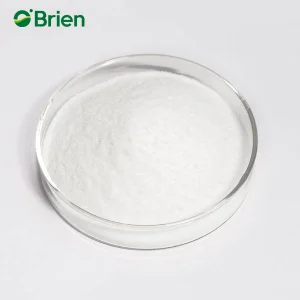
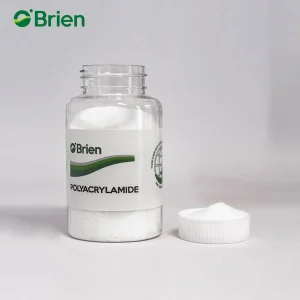
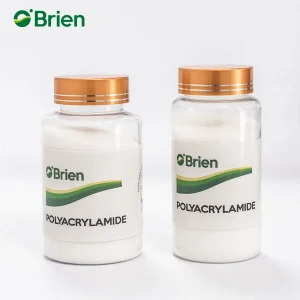
Polyacrylamide (PAM) is a versatile synthetic polymer synthesized through the controlled polymerization of acrylamide monomers ($C_3H_5NO$). In anti-corrosion and water processing workflows, PAM functions as a multi-modal agent: controlling fluid rheology, stabilizing protective passivation films on metallic surfaces, flocculating suspended solids to prevent localized under-deposit corrosion, and serving as a high-performance filtration aid. Oubo Chemical combines patented biological synthesis methods with global raw material sourcing to deliver exceptional batch-to-batch purity.
Next-Generation Bio-Catalytic Synthesis & Synergistic Anti-Corrosion Mechanisms
Traditional acrylamide production relies on copper-catalyzed chemical hydration of acrylonitrile, which often leaves trace heavy metal residues and unpredictable secondary side-chains. Qingdao Oubo Chemical utilizes advanced bio-enzymatic conversion technology (nitrile hydratase biocatalysis).
Polymer-based water treatment solutions protect metallic heat exchangers and pipeline infrastructure through three primary chemical pathways:
The industrial water chemical market is shifting rapidly towards high-efficiency, environmentally compliant, green chemistry matrix systems. Oubo Chemical's ongoing R&D focuses on three strategic pillars:
Development of green bio-polymer backbones (polyaspartic acid & modified polysaccharide derivatives) achieving rapid environmental degradation without sacrificing performance in hyper-saline loops.
Incorporation of fluorescent tracer monomers within polyacrylamide chains, enabling real-time fluorescent concentration monitoring and automated dosing adjustment via AI water controllers.
Optimizing hydrophobic monomer grafting to maintain high viscosity stability under extreme oilfield formation temperatures (>120°C) and total dissolved solids (TDS > 200,000 ppm).
Oubo Chemical Co., Ltd was established in 2011, located in the strategically connected Free Trade Zone of Qingdao, China. Over the past decade, Oubo has sustained an annual business growth rate of over 10%, backed by strict, end-to-end Quality Control (QC) protocols. Qingdao Oubo Chemical Co., Ltd is deeply committed to product quality, technical field services, and environmental stewardship throughout polymer synthesis and application lifecycle management.
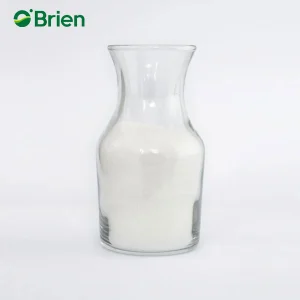
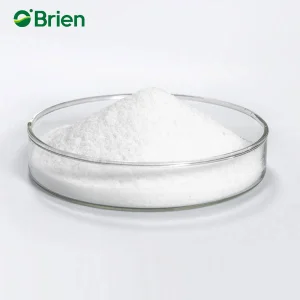
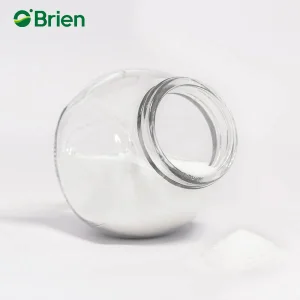
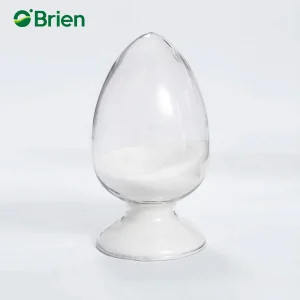
Oubo specializes in supplying Cationic Polyacrylamide (CPAM), Anionic Polyacrylamide (APAM), and Nonionic Polyacrylamide (NPAM). Equipped with modern automated production facilities and highly trained chemical engineers, Oubo ensures all manufacturing operations run seamlessly. The enterprise's annual polyacrylamide production capacity surpassed 50,000 Metric Tons in 2018, with a quality management framework certified strictly to ISO9001:2008 specifications. We proudly stand behind our product integrity worldwide under our globally registered trademark brand O'brien.
All core raw materials (acrylonitrile, cationic monomers like DAC/ADAME) are procured directly from tier-one global chemical titans including SINOPEC and Eni. Every production line operates under continuous PLC automation, ensuring batch consistency across all 50,000 tons.
Each product batch undergoes rigorous testing three separate times prior to dispatch: 1) Raw monomer purity check, 2) Polymerization degree & viscosity verification during synthesis, and 3) Final product solubility, residual monomer, and particle size distribution analysis by our dedicated analytical team.
Engineered Polyacrylamide Solutions Tailored for Severe Operating Conditions
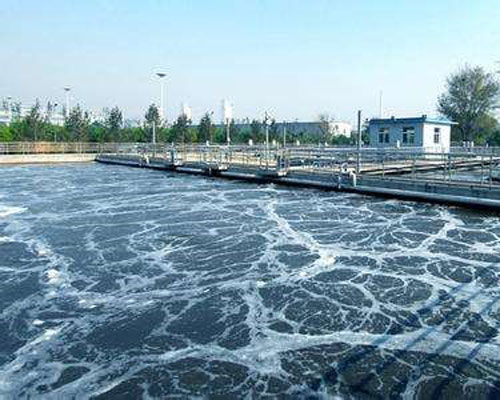
Functions as a primary flocculant in solid-liquid separation processes including sedimentation, clarification, and sludge dewatering. Widely deployed in municipal sewage facilities as well as leather, paper, citric acid, vegetable protein extraction, pharmaceutical, and incense manufacturing effluent systems.
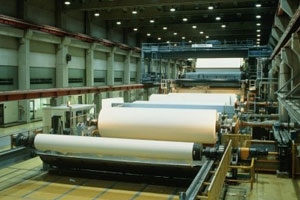
Serves as retention agents, filter aids, and dry/wet strength additives. Improves paper tensile strength, minimizes fine fiber loss, captures anionic trash, balances wet-end electrokinetics, and clarifies white water loops for closed-circuit reuse.
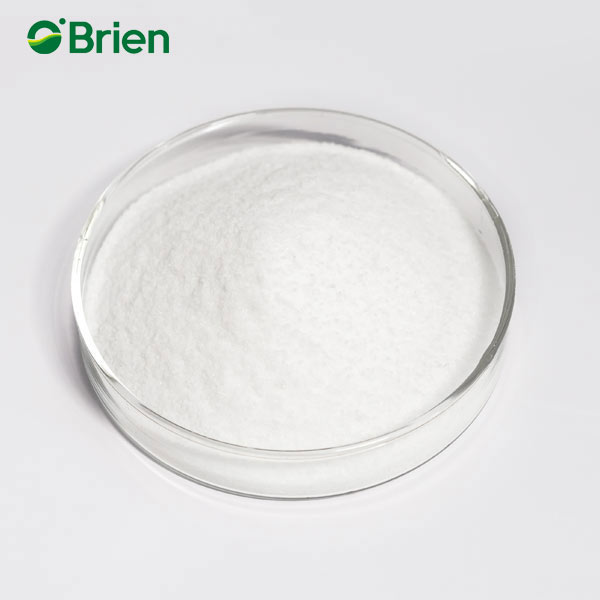
Extensively used in enhanced oil recovery (EOR), profile modification, water shut-off plugging agents, drilling fluid fluid-loss reducers, shale inhibitors, and slickwater fracturing additives. Improves drill bit lubrication and debris-carrying capacity.

Essential for coal washing tailings dewatering, mineral flotation, and solid-liquid separation in gold, silver, iron, copper, and nickel extraction circuits. Sealing mining pipe networks against frictional wear and slurry corrosion.

High-purity anionic flocculants accelerate sugarcane and sugar beet juice clarification and mud flotation. Provides rapid settling rates while strictly adhering to food-contact trace residual acrylamide safety thresholds.
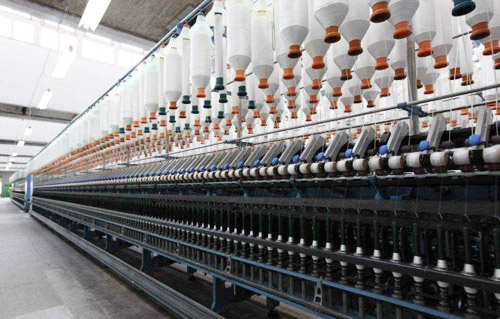
Utilized as textile sizing agents, fabric finishing treatments, and high-efficiency decolorizing flocculants for complex azo-dye effluent water streams, protecting downstream biological units from toxic chemical shock.
Flexible Logistics Solutions & Customized OEM Packaging for Global Export
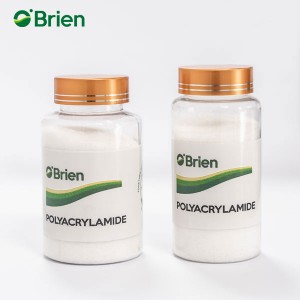
Ideal for organic sludge dewatering, municipal wastewater centrifugation, and acidic industrial systems.
High molecular weight polymer engineered for mineral processing, oil recovery, and high-turbidity water settling.
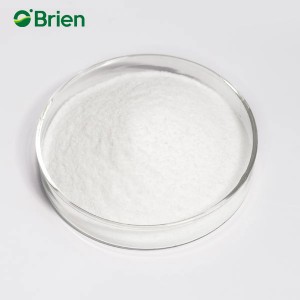
Exceptional stability in highly acidic wastewater streams, soil erosion control, and selective mineral leaching operations.
Polyacrylamide hygroscopicity demands multi-layer moisture barriers to avoid powder caking during ocean transit. Oubo provides customized packaging formats compliant with international sea freight regulations:
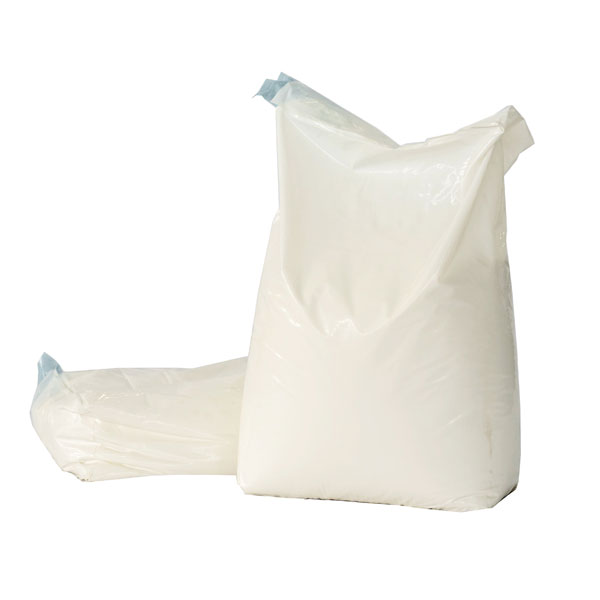
Neutral 25kg Kraft paper / PE lined bags for OEM redistributors.
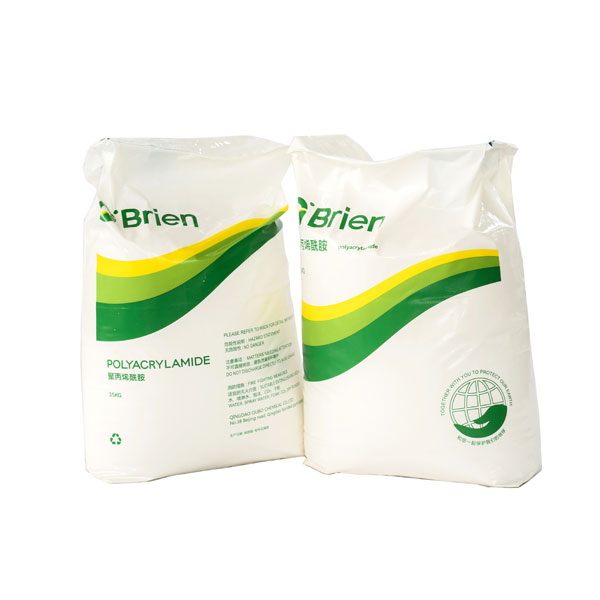
Standard O'brien branded 25kg woven bags with inner plastic liners.
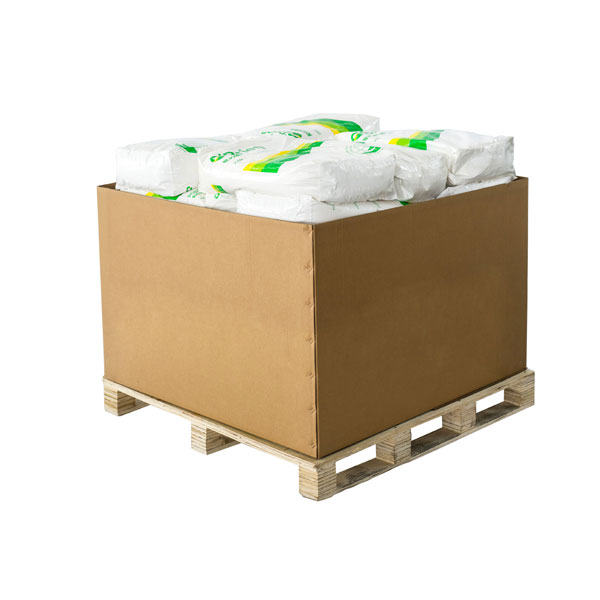
750kg - 1000kg ton bags optimized for large mining & oilfield operations.
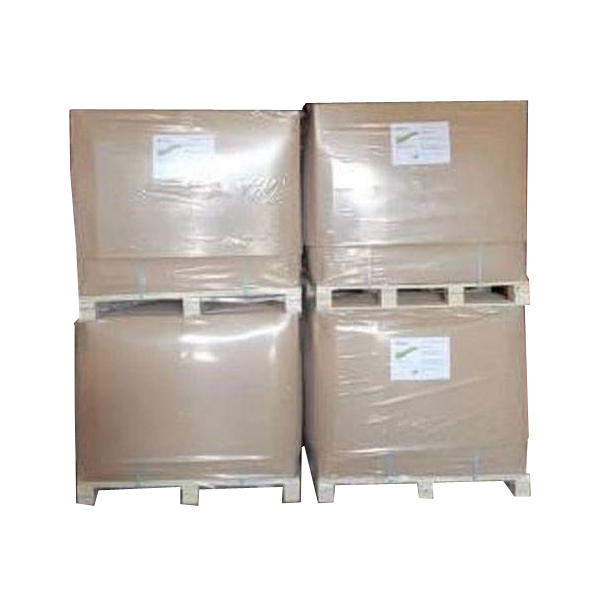
Fumigated wooden/plastic pallets wrapped with multi-layer shrink film.
Why Global Enterprises Partner with Qingdao Oubo Chemical Co., Ltd
Situated within the Qingdao Free Trade Zone, Oubo Chemical enjoys immediate access to one of the world's largest deep-water container ports (Qingdao Port). This geographic positioning guarantees continuous vessel availability, streamlined customs clearance, and reduced inland transport lead-times. Raw material monomers from SINOPEC and global refiners enter via direct pipelines and dedicated tank fleets.
Operating a annual production facility exceeding 50,000 metric tons grants Oubo substantial economies of scale. High thermal integration during biological acrylamide synthesis reduces energy consumption per ton by up to 28% compared to traditional chemical synthesis, shielding overseas partners from sudden market price fluctuations.
Water treatment efficacy depends heavily on selecting the correct ionic charge and molecular weight. Oubo's dedicated technical engineer team participates in pre-sales, sales, and after-sales processes. We conduct free sample jar testing, dosage calculations, and field application optimization to guarantee customer satisfaction.
Our quality management system strictly adheres to ISO9001:2008 standards. Products exported to Europe, North America, Southeast Asia, and the Middle East comply with EU REACH registration guidelines and global environmental discharge criteria, keeping trace monomer levels well below international threshold limits.
Expert Insights into Polyacrylamide Selection, Anti-Corrosion Efficacy & Field Application
Polyacrylamide (PAM) mitigates corrosion primarily by controlling suspended particle deposition, preventing under-deposit corrosion cells. Additionally, modified PAM polymers work synergistically with inorganic corrosion inhibitors (such as zinc salts and orthophosphates) to form a uniform, microscopic passivating film on steel and copper metallurgy.
Oubo's enzymatic biological method produces acrylamide monomer without using heavy metal copper catalysts. This results in higher purity polymer chains, zero copper ion contamination, higher molecular weights, faster dissolution rates, and consistent performance across varying water salinity levels.
Selection depends on the surface charge of suspended solids and operating pH. Anionic PAM (APAM) is suited for positively charged inorganic mineral suspensions and neutral-to-alkaline water. Cationic PAM (CPAM) excels in dewatering negatively charged organic sludge (municipal wastewater). Nonionic PAM (NPAM) is preferred in highly acidic wastewater environments.
When stored in original sealed moisture-proof packaging in a cool, dry, well-ventilated warehouse under 35°C, dry powder polyacrylamide maintains technical stability for 24 months. Aqueous solutions should be prepared fresh and consumed within 24 to 48 hours for optimal chain performance.
Specialized Polyacrylamide Formulations for Heavy Industry & Wastewater Applications
 Oubo Chemical