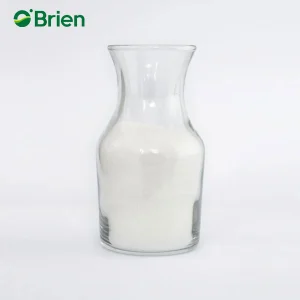
Direct from China's premier polymer manufacturer. Engineered for extreme flocculation efficiency, rapid sedimentation, and tailored molecular weight profiles.
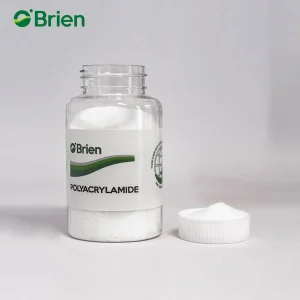
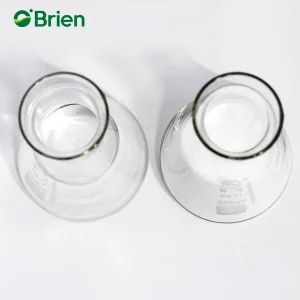
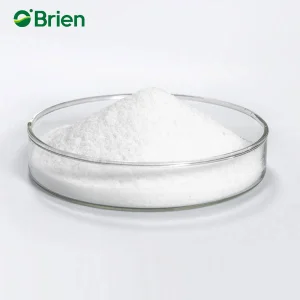
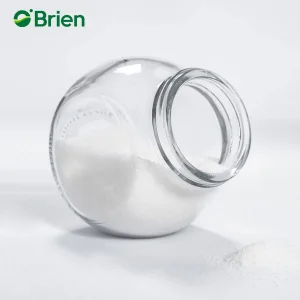
In the global chemical processing landscape, sourcing reliable, ultra-high molecular weight water-soluble polymers is essential for operational efficiency, environmental compliance, and cost minimization. As a premier China Anionic Polymer Supplier & Suppliers enterprise, Qingdao Oubo Chemical Co., Ltd. stands at the forefront of bio-catalytic monomer synthesis and advanced polyacrylamide (PAM) formulation.
Established in 2011 within the Qingdao Free Trade Zone, China, Oubo Chemical (under the strategic brand O'brien) has cultivated over a decade of continuous technological innovation. Operating with an annual production capacity surpassing 50,000 metric tons, our facility integrates real-time digital quality monitoring with biological monomer synthesis—a patented, eco-friendly technological process that significantly reduces trace residual monomers compared to traditional chemical hydrolysis methods.
Our quality control system adheres strictly to ISO 9001:2008 standards. Every production lot undergoes a comprehensive 3-stage validation process before dispatch: raw material verification (sourcing from tier-1 global partners like SINOPEC and Eni), inline polymerization monitoring, and final batch analytical testing for charge density, dissolution rate, and molecular weight distribution.
By implementing enzymatic bio-catalysis for acrylamide monomer synthesis, Oubo Chemical eliminates toxic side-products and yields polymer chains with ultra-high linearity and structural integrity. This provides superior floc formation kinetics and higher shear stability during high-stress industrial separation processes.
We do not merely supply chemicals; we deliver tailored application engineering. Our senior technical team collaborates with client engineering units across pre-sales bench testing, dosage optimization, full-scale plant trial supervision, and ongoing post-implementation parameter tuning.
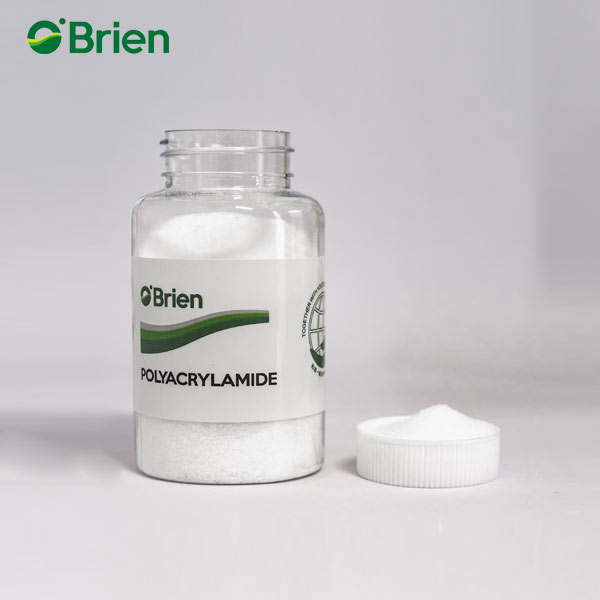
Polyacrylamide (PAM) is a high-molecular-weight synthetic linear polymer synthesized from acrylamide monomers. In its Anionic Polyacrylamide (APAM) state, the polymer chain incorporates negatively charged carboxylate groups, typically introduced via co-polymerization of acrylamide with acrylic acid (AA) or sodium acrylate, or through the partial hydrolysis of nonionic polyacrylamide.
The performance of Anionic Polymers in solid-liquid separation, water treatment, and rheology modification is dictated by two fundamental physicochemical parameters:
| Parameter | Operational Range | Chemical Mechanism | Primary Industrial Applications |
|---|---|---|---|
| Molecular Weight (MW) | 6 Million – 25 Million Daltons | Long polymer chains expand in aqueous solution, facilitating inter-particle bridging by binding to multiple suspended solids simultaneously. | Mineral tailings settling, high-shear sludge dewatering, Enhanced Oil Recovery (EOR). |
| Charge Density (Degree of Hydrolysis) | 5% – 80% Anionic Charge | Negatively charged carboxylate groups ($\text{-COO}^-$) extend the polymer backbone via electrostatic repulsion, neutralizing positively charged mineral particles. | Paper strength enhancement, clay suspension clarification, municipal wastewater primary treatment. |
| Physical Form | Powder / Granular / Emulsion | Granular forms offer extended shelf-life and economical transport; liquid emulsions provide rapid dissolution rates for automated dosing. | Continuous industrial processes, automated sugar refining, fast-response oilfield fracturing. |
When APAM is introduced into a suspension containing negatively or weakly positively charged colloidal matter (such as inorganic silt, metallic oxides, or clay particles), it operates via a dual-action mechanism. First, in the presence of divalent or trivalent cations (such as $\text{Ca}^{2+}$, $\text{Mg}^{2+}$, or $\text{Al}^{3+}$), cation bridging neutralizes surface charges, lowering the zeta potential. Second, the ultra-long polymer macromolecule adsorbs onto particle surfaces, forming dense, rapidly-settling micro-flocs that aggregate into large, easily filterable macro-flocs.
Qingdao Oubo Chemical tailors its anionic polymer synthesis to solve specific rheological and liquid-solid separation challenges across global heavy industries. Below are the key engineering sectors where O'brien polymers set performance standards:
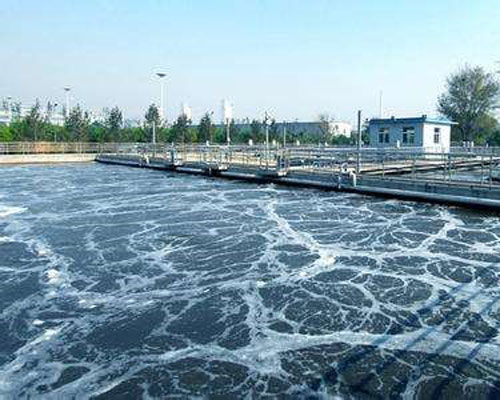
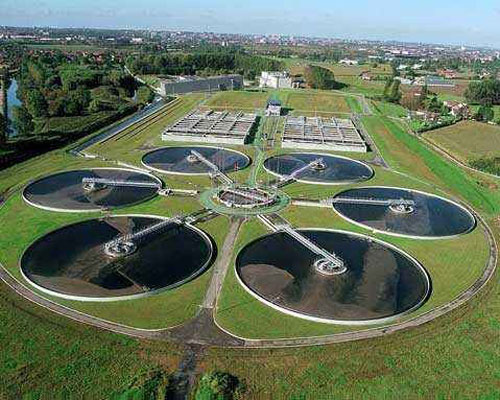
APAM acts as a high-performance coagulant aid and settling accelerator in industrial effluent clarification. By aggregating fine suspended solids in chemical, tannery, electroplating, and municipal facilities, it yields crystal-clear supernatant water while optimizing cake solids content during belt-filter or centrifuge sludge dewatering.
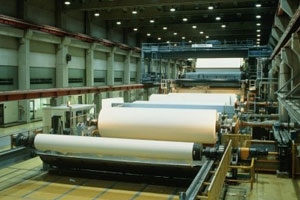
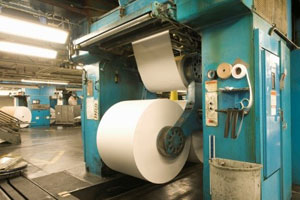
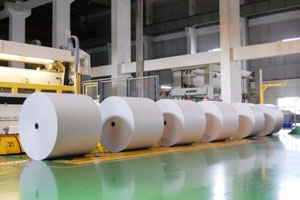
In wet-end paper chemistry, specialized anionic polymers function as dry strength additives, retention aids, and drainage accelerators. APAM captures short fibers and titanium dioxide fillers, neutralizing anionic trash while increasing paper sheet burst strength, tensile resistance, and overall machine runnability.
Utilized extensively in Enhanced Oil Recovery (EOR), friction reduction for slickwater hydraulic fracturing, and drilling fluid modification. High-viscosity APAM increases sweep efficiency in tertiary recovery, stabilizes shale formations, lubricates drill bits, and prevents fluid loss in high-temperature, high-salinity reservoir environments.
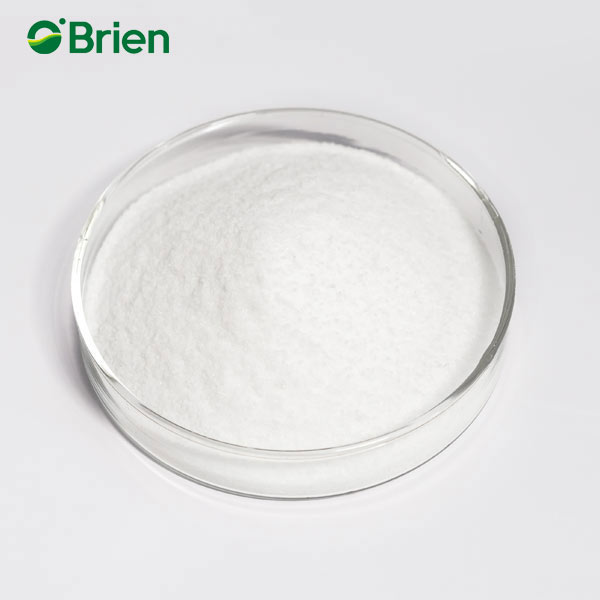


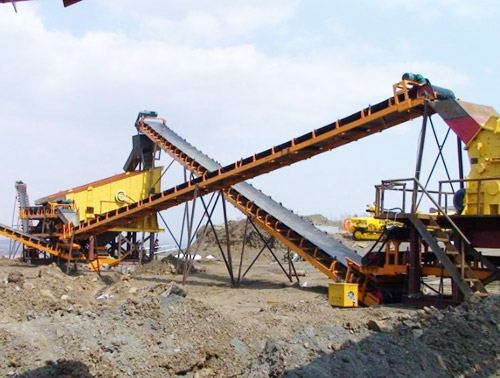
Essential for coal washing, copper/gold extraction, alumina red mud settling, and iron ore processing. APAM promotes rapid thickener overflow clarification and thickens mineral tailings prior to pressure filtration or tailings dam disposal, supporting closed-loop process water recycling.


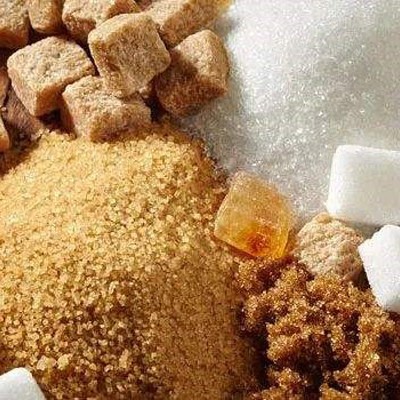
In sugar cane and sugar beet processing, high-purity food-grade APAM speeds up juice clarification and syrup flotation. It efficiently removes non-sugar impurities, insolubles, and colloidal color bodies while minimizing sucrose degradation.
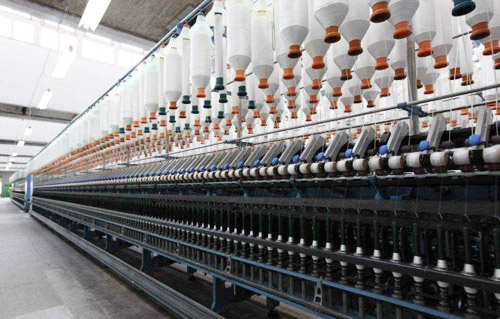
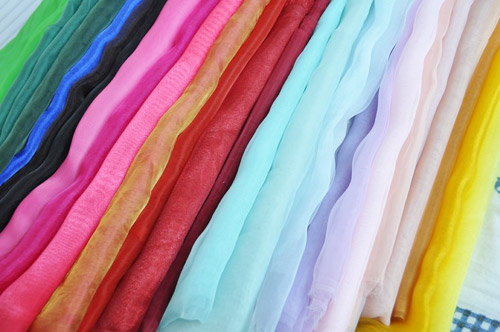
APAM is utilized as a warp sizing agent to increase yarn strength and reduce breakage during high-speed weaving. Furthermore, in textile dye wastewater, it works synergistically with primary coagulants to remove residual reactive dyes and heavy organic loads.

The global chemical supply chain demands absolute stability, competitive total cost of ownership (TCO), and zero-defect quality control. Qingdao Oubo Chemical leverages China's advanced industrial ecosystem, modern logistics hubs, and Factory 4.0 automation to deliver unmatched supply reliability to international buyers.
Located in the chemical infrastructure hub of Shandong and backed by long-term strategic partnerships with industry giants such as SINOPEC and Eni, Oubo guarantees uninterrupted raw monomer supply (Acrylamide, Acrylic Acid) even during global market volatility. This upstream integration allows for consistent batch-to-batch polymer purity and stable pricing.
Our Qingdao production complex operates fully automated DCS-controlled reaction lines. Temperature control, initiator micro-dosing, drying, grinding, and screening are governed by AI-assisted feedback loops. This automation minimizes human error, yields narrow molecular weight distributions, and ensures uniform granule sizing.
Situated directly inside the Free Trade Zone of Qingdao, Oubo enjoys direct access to Qingdao Port—one of the largest deep-water shipping terminals in the world. This proximity drastically reduces inland transport times, lowers export customs processing latency, and allows for flexible FOB, CIF, or DDP delivery terms globally.
As environmental regulations tighten globally (such as the EU REACH standards and zero-liquid-discharge mandates), Oubo Chemical is actively advancing its R&D pipeline toward ultra-green chemistry, micro-emulsion breakthroughs, and high-temperature salt-resistant polymers.
Reducing residual acrylamide (AM) content down to < 200 ppm in standard grades and < 50 ppm in specialized drinking water grades, meeting stringent NSF/ANSI Standard 60 requirements.
Developing hydrophobic modification (HAPAM) architecture capable of maintaining solution viscosity in produced water with total dissolved solids (TDS) exceeding 100,000 mg/L at temperatures above 90°C.
Incorporating polysaccharide and starch graft co-polymers into the synthetic anionic matrix to accelerate soil biodegradability without sacrificing mechanical floc strength.
International B2B procurement managers must evaluate potential polymer suppliers across multiple criteria beyond unit price. Oubo Chemical provides comprehensive compliance support, customization flexibility, and international logistics documentation.
| Evaluation Vector | Oubo Chemical Capabilities & Standards | Value Deliverable to Buyer |
|---|---|---|
| Regulatory Certifications | ISO 9001:2008, ISO 14001, REACH Compliance, SDS according to GHS standards. | Ensures smooth customs clearance across EU, North American, and Asian markets. |
| Custom Formulation | Tailor-made Molecular Weight (3M to 25M) and Hydrolysis Degree (5% to 80%). | Optimizes dosage efficiency and minimizes chemical expenditure per ton of dry sludge. |
| Batch Consistency | 3-time QC test per batch; automated viscosity, mesh size, and insoluble content check. | Eliminates plant downtime caused by variable chemical performance. |
| Packaging Flexibility | 25kg multi-wall paper bags, 750kg/1000kg jumbo bags, private label blank bags, palletized. | Protects polymer against moisture absorption during ocean transit; matches site automated handling systems. |
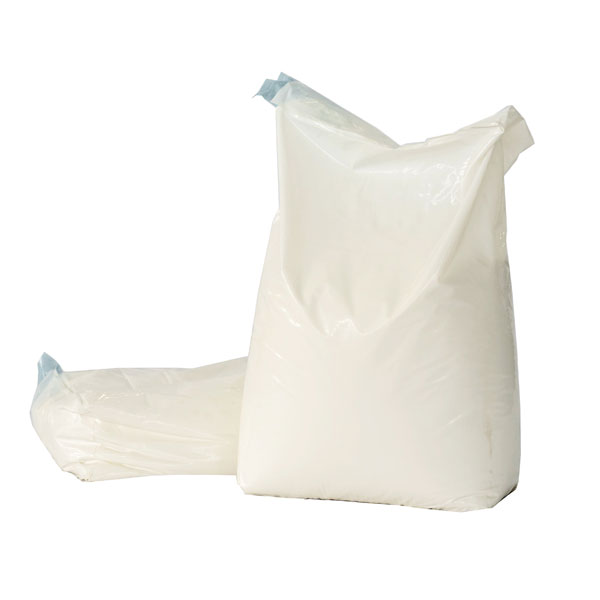
Neutral packaging designed for distributors and OEM clients.
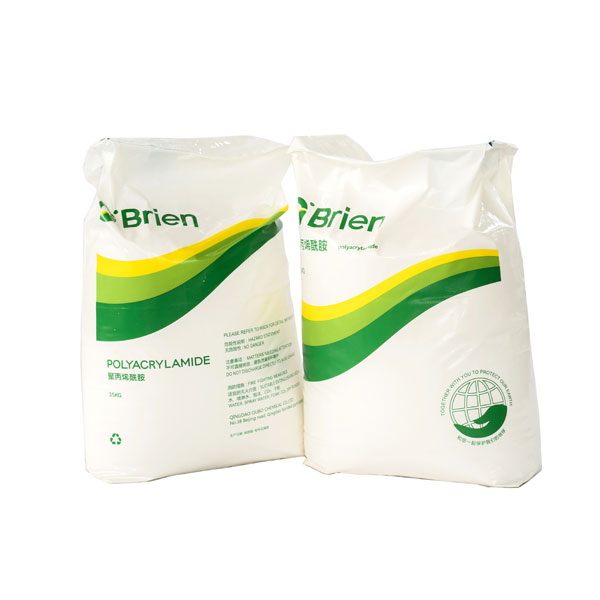
Heavy-duty 25kg multi-wall craft paper bag with inner PE liner.
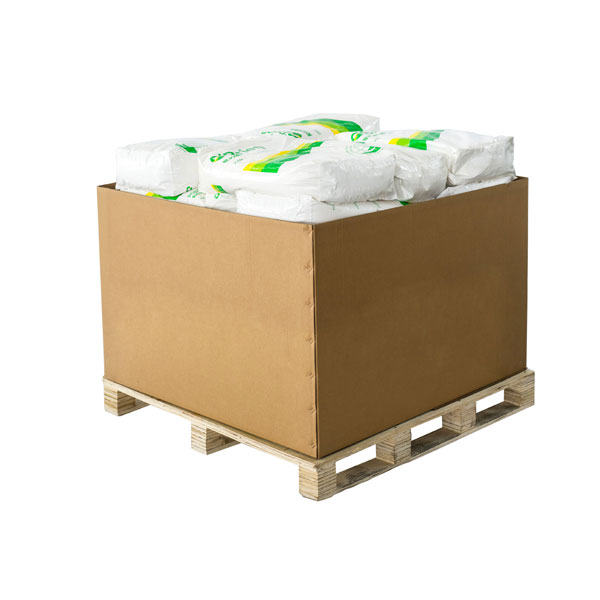
750kg - 1000kg FIBC bags optimized for high-volume automated feeding.
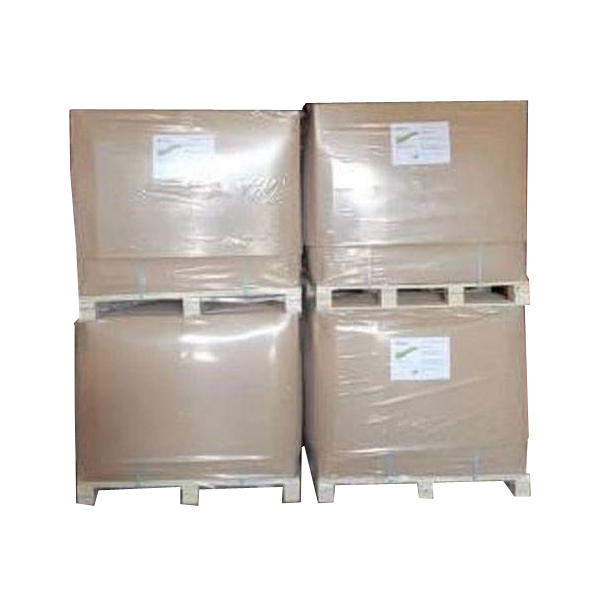
ISPM-15 compliant wooden/plastic pallets shrink-wrapped for maritime safety.
Key operational insights answered by Qingdao Oubo's senior polymer application engineers.
Explore our full range of Cationic, Anionic, and Nonionic polymers designed for demanding industrial applications.
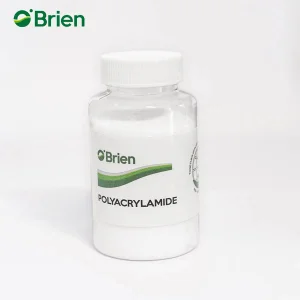
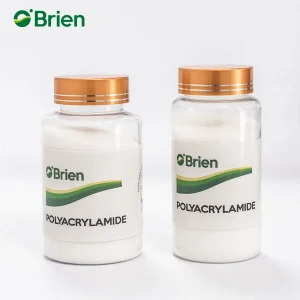
Explore Oubo Chemical's core ionic polymer series available for direct global supply.
High-charge density polymers optimized for organic sludge dewatering and municipal wastewater.
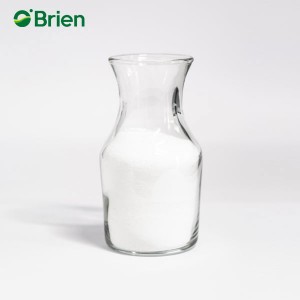
Ultra-high molecular weight polymers for mineral processing, coal washing, and EOR.
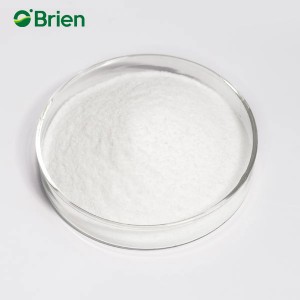
Neutral polymers engineered for acidic wastewater clarification and soil stabilization.
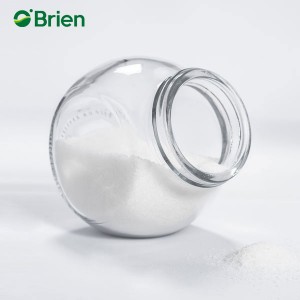
Specialty grade polymers for paper retention, dry strength, and textile sizing applications.
 Oubo Chemical