China Anionic Polymer Flocculant MSDS Manufacturer & Global Supplier

High-Molecular Weight Anionic Polyacrylamide (APAM) | ISO 9001 Certified Bio-Synthesis Manufacturing | Global Material Safety Data Sheet (MSDS) Compliance & Technical Solutions

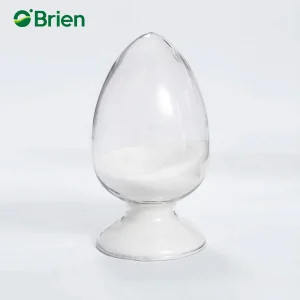
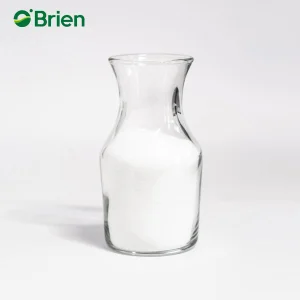
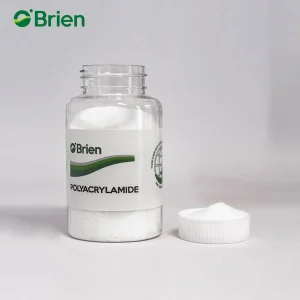
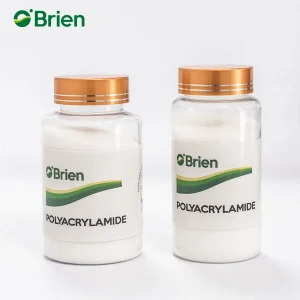
Featured Water Treatment & Industrial Polymers

Engineered high-performance flocculants for municipal, industrial, and resource extraction operations.
China Nonionic Polyacrylamide Manufacturers
China Nonionic Polyacrylamide Manufacturers, Supplier
View Product Details
Wholesale Cationic Polyacrylamide Powder
Wholesale Cationic Polyacrylamide Powder for Industrial Wastewater Treatment
View Product Details
Wholesale Anionic Polyacrylamide APAM
Wholesale Anionic Polyacrylamide (APAM) for Municipal Sewage Treatment
View Product Details
Nonionic Polyacrylamide NPAM Mineral Processing
Wholesale Nonionic Polyacrylamide (NPAM) for Mineral Processing
View Product Details
Cationic Polyacrylamide CPAM Sludge Dewatering
Wholesale Cationic Polyacrylamide (CPAM) for Sludge Dewatering
View Product Details
Wholesale Anionic Polyacrylamide Suppliers
Wholesale Anionic Polyacrylamide Manufacturers, Supplier
View Product Details
Cationic Polyacrylamide Paper Making
China Cationic Polyacrylamide Retention & Drainage Aid for Paper Making
View Product Details
Nonionic Polyacrylamide Flocculant Acidic
China Nonionic Polyacrylamide Flocculant for Acidic Industrial Wastewater
View Product Details

Industrial White Paper: Anionic Polyacrylamide Technical Specifications & MSDS Overview

Comprehensive Analysis of Molecular Architecture, Chemical Safety Data, and Global Compliance Standards

Executive Summary & Core Chemistry of Anionic Polymer Flocculants

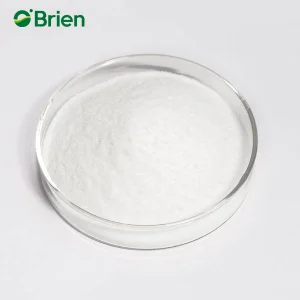
Anionic Polyacrylamide (APAM), designated under CAS Registry Number 9003-05-8, represents a class of water-soluble linear high-molecular-weight polymers synthesized via copolymerization of acrylamide monomers with negative charge functional groups (primarily acrylic acid or sodium acrylate). Functioning as a high-efficiency synthetic organic flocculant, APAM plays an indispensable role in solid-liquid separation, water clarification, sludge dewatering, and enhanced resource recovery across global heavy industries.

The molecular dynamics of Anionic Polymer Flocculants depend on two core parameters: Molecular Weight (MW), ranging from 5 Million to upwards of 25 Million Daltons, and Anionic Charge Density (Degree of Hydrolysis), spanning from 10% to 60%. When introduced into aqueous suspensions containing positively charged colloidal particles or inorganic mineral slurries, APAM operates via dual mechanism: charge neutralization and macromolecular bridging. The extended polymer chains adsorb onto particle surfaces, binding suspended fines into large, fast-settling macroscopic flocs, drastically accelerating sedimentation and filtration rates.

Molecular Weight Customization

From 6 Million to 25 Million Daltons. Optimized for high-shear environments, thickener underflow clarification, and rapid flocs formation in mining and municipal applications.

Charge Density Tailoring

Precise control of hydrolysis degree (10% to 60%). Custom charge density matching ensures optimal zeta-potential neutralization across varying effluent pH levels.

Ultra-Low Residual Monomer

Manufactured using advanced bio-enzymatic processes maintaining acrylamide residual monomer levels below 0.05% (500 ppm), satisfying stringent potable and environmental standards.

Global Chemical Safety Data Sheet (MSDS / SDS) Technical Analysis

Comprehensive GHS, OSHA & REACH Compliance Parameters for Handling Anionic Polyacrylamide

As a leading China Anionic Polymer Flocculant Manufacturer, Qingdao Oubo Chemical Co., Ltd. provides rigorously validated Material Safety Data Sheets (MSDS) compliant with Globally Harmonized System (GHS), EU REACH, ISO 11014-1, and US OSHA Hazard Communication Standards. Understanding the chemical handling profile of APAM is paramount for plant engineers, safety officers, and procurement managers.

MSDS Section Parameter / Standard Item Technical Specification & Safety Compliance Guidance
Section 1: Identification Chemical Name & Synonyms Anionic Polyacrylamide (APAM), Acrylamide-sodium acrylate copolymer, CAS No: 9003-05-8. HS Code: 3906.90.1000.
Section 2: Hazard Identification GHS Classification & Physical Risk Not classified as a hazardous chemical under GHS. Non-toxic. Physical Danger: Spilled powder combined with water creates extremely slippery surfaces.
Section 3: Composition Active Polymer & Purity Anionic Polyacrylamide Active Content ≥ 88-90%. Moisture content ≤ 10-12%. Free Acrylamide Monomer Residual < 0.05%.
Section 4: First-Aid Measures Inhalation, Eye & Skin Exposure Inhalation: Move to fresh air. Eye contact: Rinse thoroughly with water for 15 min. Skin: Wash thoroughly with water and soap.
Section 7: Handling & Storage Operational Precautions Store in cool, dry, ventilated area (< 40°C). Avoid dust formation. Sealed packaging required due to hygroscopic nature. Shelf life: 24 months.
Section 8: Exposure Controls Personal Protective Equipment (PPE) Use dust mask (N95), safety goggles, rubber gloves, and anti-static protective clothing during bulk handling and dissolution preparation.
Section 11 & 12: Ecotoxicological Data Toxicity & Environmental Impact Non-toxic to aquatic organisms at recommended dosage rates. LC50 (Fish, 96h) > 100 mg/L. Polymer matrix slowly biodegrades into natural minerals.
Section 14: Transport Information UN Classification & Freight Status Not regulated as dangerous goods for transport (ICAO/IATA, RID/ADR, IMDG, DOT). Non-hazardous standard container freight.

China Manufacturing Infrastructure & Supply Chain Efficiency

Empowering global industries through scale, biological innovation, and seamless logistics.
50,000+
Metric Tons Annual Capacity
10+
Years Industry Expansion
3x
Quality Testing Per Batch
ISO9001
Quality Management Certified

Bio-Enzymatic Monomer Synthesis Advantage

Qingdao Oubo Chemical Co., Ltd. utilizes patented bio-catalytic biological processes to synthesize acrylamide monomer. Unlike traditional chemical catalytic methods, biological synthesis operates under mild reaction conditions, yielding higher purity monomers without copper ions or hazardous contaminants. This guarantees superior polymer chain linearity, elevated molecular weights, and ultra-stable performance during industrial dewatering and clarification.

Qingdao Free Trade Zone Logistics Hub

Situated inside the Free Trade Zone of Qingdao, China, Oubo Chemical benefits from direct access to one of the world's premier deep-water shipping terminals. Raw materials are sourced directly from global petrochemical leaders such as SINOPEC and Eni. Fully automated production lines coupled with integrated port logistics ensure fast lead times, duty-free storage flexibility, and resilient container availability for international clients.
Localized Heavy Industrial Application Scenarios

Engineered polymer formulations optimized for diverse sector demands across global operations.
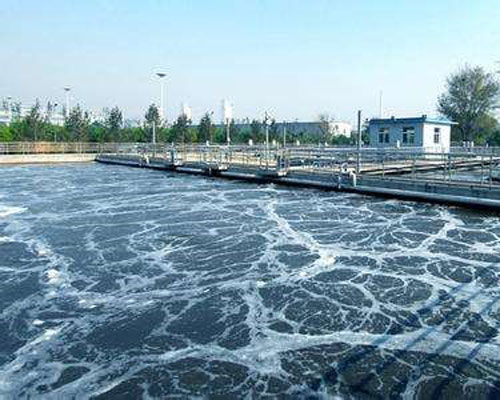
Municipal Wastewater Treatment

Water Treatment & Sewage Dewatering

Applied in industrial solid-liquid separation, sedimentation, and clarification. APAM accelerates coagulation in raw water clarification and works synergistically with coagulants in municipal sewage and tannery effluent plants.

Mining Mineral Processing Flocculant

Mining & Ore Processing Tailings

Essential for coal washing tailings recovery, gold, silver, iron, copper, and aluminum ore slurry settling. Provides fast clarification in thickeners and improves cake dry solids during belt filter pressing.
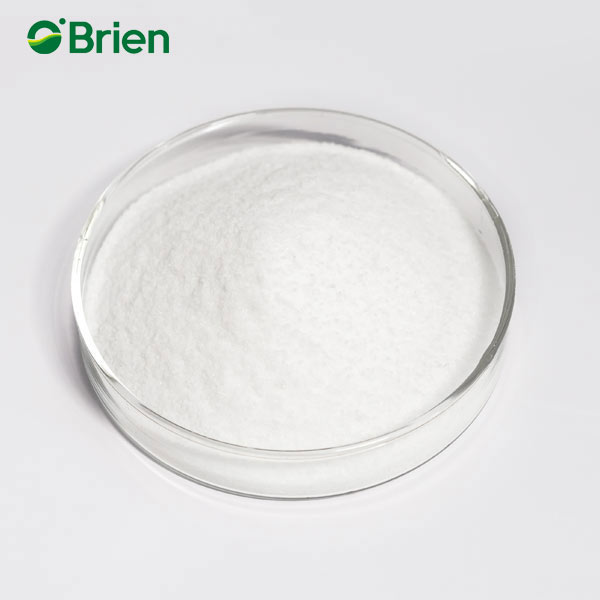
Oilfield Drilling Fluids & EOR

Oilfield Drilling Fluids & EOR

Functions as a mobility control agent in Enhanced Oil Recovery (EOR), friction reducer in hydraulic fracturing, profile control agent, and fluid loss reducer in water-based drilling mud systems.
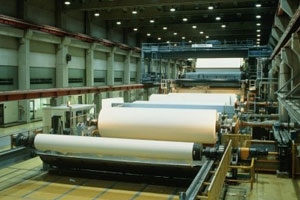
Paper & Pulp Industry Retention Aid

Paper & Pulp Manufacturing

Serves as dry/wet strength agents, retention aids, and filter aids. Enhances fine fiber retention, speeds wet-end machine dewatering, reduces furnish costs, and clarifies white water loops.
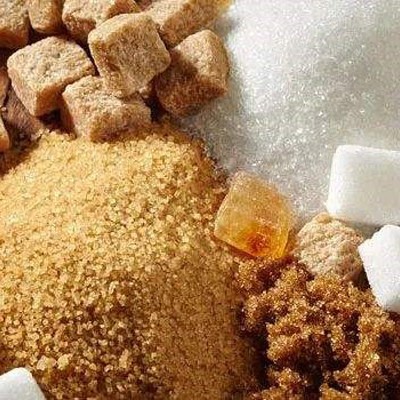
Sugar Refining Clarification

Sugar & Food Processing Clarification

Food-grade compliant APAM formulations used for juice clarification, sugar cane liquor flotation, and starch processing effluent settling, optimizing sugar yields and mud filtration speed.
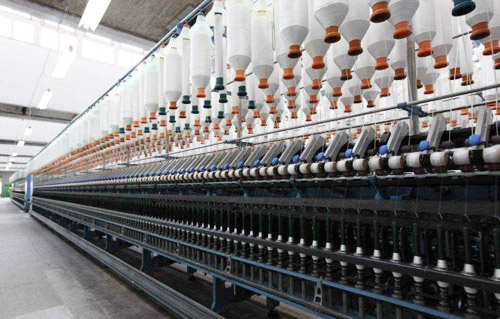
Textile Effluent Treatment

Textile Sizing & Effluent Decolorization

Functions as a durable textile sizing agent and fabric finishing additive. Highly effective in coagulating residual dyes and organic suspended solids in textile dyeing wastewater operations.

About Oubo Chemical Co., Ltd.

A Decade of Excellence in Polyacrylamide R&D, Quality Control, and Global Distribution

Oubo Chemical Co., Ltd. was established in 2011, located in the Free Trade Zone of Qingdao, China. The Quality Control (QC) system of O'brien is strict and comprehensive. In the past 10 years, our business growth rate has sustained 10% per year. Qingdao Oubo Chemical Co., Ltd. is highly committed to quality, service, and environmental protection during polymer synthesis and field application.

Oubo specializes in supplying Cationic Polyacrylamide, Anionic Polyacrylamide, and Nonionic Polyacrylamide. We feature advanced production equipment and dedicated professional technical staff, ensuring all products and technical services maintain pristine order. Annual capacity surpassed 50,000 Metric Tons in 2018, and our management system is ISO 9001 certified. We proudly stand behind every shipment.
Why Global Enterprises Select Oubo Chemical

  • Professional Producer: Biological synthesis process with proprietary patents and annual research reinvestment.
  • Quality Assurance: Global supply chain sourcing from SINOPEC, Eni. Automated production lines with 3-stage QC testing per batch.
  • Specialized & Efficient: Technical assistance integrated into pre-sales, sales, and post-sales polymer selection and laboratory jar testing.
  • Environmental Commitment: Continuous performance improvement targeting planetary protection and sustainable chemical development.

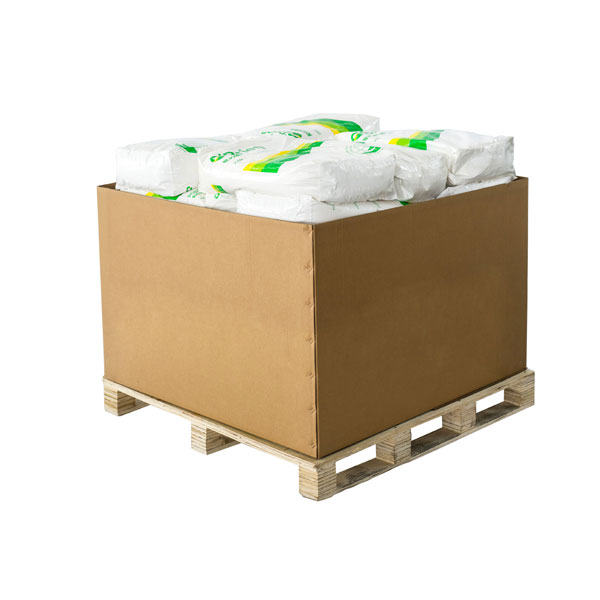
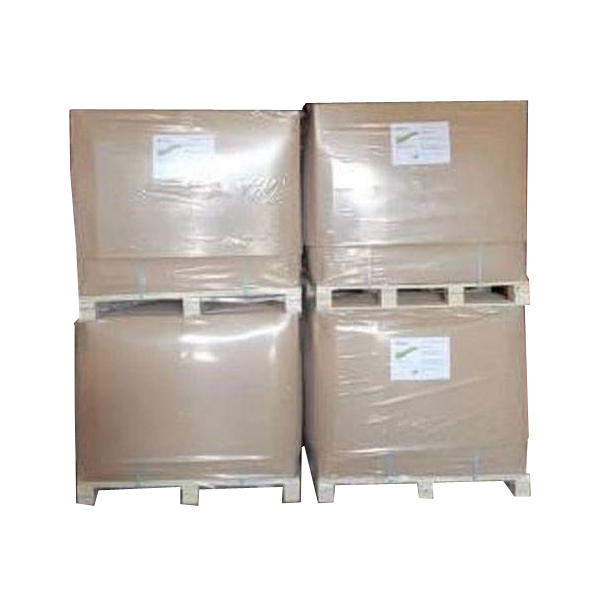
Standard Packaging & Bulk Logistics Options

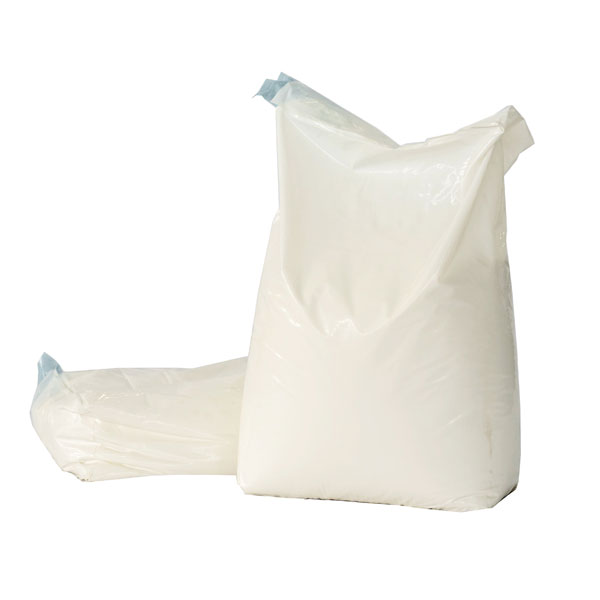
Blank Bag Packaging

Blank-Bag Packaging

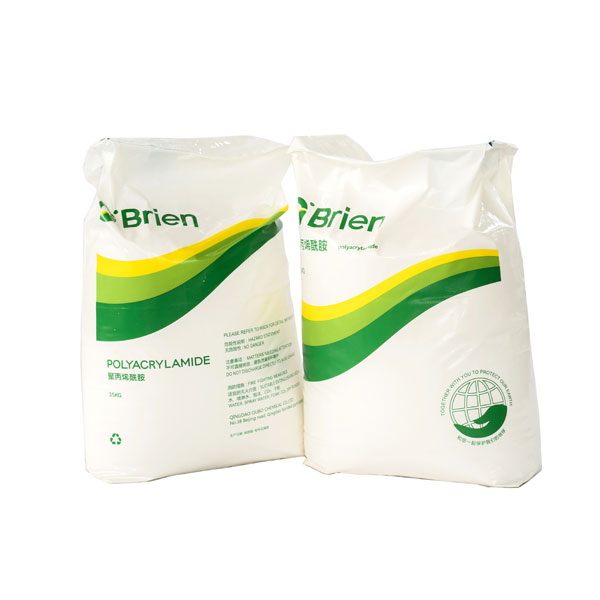
Normal Bag Packaging

Standard Kraft Paper Bag

Customized Package

Customized Packaging

Palletized Delivery

Palletized Container Load

Global Industry Trends & Procurement Selection Criteria

Navigating the Future of Sustainable Water Treatment and High-Efficiency Polymer Engineering

Future Development Trends in Flocculants

  • Zero Liquid Discharge (ZLD) Compliance: Industrial facilities are adopting closed-loop water recycle systems, driving demand for high-purity APAM with minimal salinity footprint.
  • Bio-Based & Eco-Friendly Polymers: Research into hybrid bio-polymers that reduce environmental persistence while maintaining high molecular bridging efficacy.
  • Smart Dosing & AI Integration: Automation in chemical feed systems requires hyper-consistent polymer particle size and fast dissolution times (< 45 minutes) to sync with real-time turbidimetric sensors.

Key B2B Procurement Evaluation Matrix

  • Active Polymer Content & Dissolution Rate: Higher active content (≥ 90%) reduces freight cost per effective weight while ensuring complete hydration without gel formation ("fish eyes").
  • Monomer Residue Limits: Strict verification of acrylamide monomer (< 0.05%) to comply with local environmental discharge permits.
  • Batch Consistency & COA Matching: Every shipment must include batch-specific Certificate of Analysis verifying viscosity, hydrolysis degree, and mesh size distribution.

Frequently Asked Questions (FAQ)

Technical Answers on Anionic Polyacrylamide MSDS, Application, and Storage
What is the purpose of an MSDS for Anionic Polyacrylamide, and why is it important for buyers?
An Material Safety Data Sheet (MSDS) or Safety Data Sheet (SDS) outlines the chemical properties, health hazards, protective measures, handling, storage, and transport guidelines for Anionic Polyacrylamide. For procurement officers and safety engineers, the MSDS verifies regulatory compliance (such as GHS, OSHA, and REACH), details residual monomer limits, safe handling practices, and confirms that the product is non-hazardous under international shipping codes.
How do I select the right molecular weight and charge density for my application?
Selection depends on your water or slurry characteristics. For high-inorganic solids sedimentation (e.g., mineral tailings or sand washing), high molecular weight (18-22 Million) with low-to-medium charge density (15-30%) is typically optimal. For inorganic industrial wastewater clarification, medium MW with higher charge density (30-50%) provides stronger charge neutralization. We recommend conducting standard laboratory Jar Tests to determine exact parameters.
What is the standard procedure for dissolving dry APAM powder?
APAM powder should be dissolved in clean water at a stock concentration of 0.1% to 0.3% (w/v). Slowly sprinkle the powder into the vortex of well-agitated water (stirring speed 200-400 RPM) to prevent clumping ("fish eyes"). Continue stirring for 45 to 60 minutes until completely dissolved. Avoid excessive high-shear mechanical agitation to prevent degradation of macromolecular chains.
What is the shelf life and proper storage condition for Anionic Polyacrylamide?
Dry powder APAM has a shelf life of 24 months when stored in original unopened packaging in a cool, dry, dark environment below 40°C. Once prepared as an aqueous solution, it should be used within 24 to 48 hours, as diluted liquid solutions naturally degrade over time, losing viscosity and flocculation efficacy.
Why buy Anionic Polymer Flocculants directly from Oubo Chemical in China?
Oubo Chemical combines biological synthesis technology, ISO 9001 certified batch consistency, annual manufacturing capacity exceeding 50,000 tons, and strategic Free Trade Zone shipping access in Qingdao. Purchasing directly from the manufacturer guarantees competitive pricing, fresh product stock, specialized technical support, and reliable global supply logistics.

Complete Polyacrylamide Product Range

Explore our full line of specialized cationic, anionic, and nonionic polymer formulations.
Cationic Polyacrylamide Textile Wastewater
Wholesale Cationic Polyacrylamide (CAS 9003-05-8) for Textile Wastewater
View Product Details
PAM Anionic Polyacrylamide Paper Strength Agent
China PAM Anionic Polyacrylamide Dry & Wet Strength Agent for Paper
View Product Details
Wholesale PAM Anionic Polyacrylamide
Wholesale PAM Anionic Polyacrylamide Manufacturer, Suppliers
View Product Details
Anionic Polyacrylamide Powder Food Processing
Wholesale Anionic Polyacrylamide Powder for Food Processing & Sugar
View Product Details
China Cationic Polyacrylamide Supplier
China Cationic Polyacrylamide Manufacturer, Supplier
View Product Details
High Molecular Weight NPAM Coal Washing
Wholesale High Molecular Weight Nonionic PAM for Coal Washing
View Product Details
High Molecular Weight APAM Petrochemical
Wholesale High Molecular Weight Anionic PAM for Petrochemical Wastewater
View Product Details
Nonionic Polyacrylamide PAM Thickener Oilfield
China Nonionic Polyacrylamide (PAM) Thickener for Oilfield Drilling Fluid
View Product Details