Explore our specialized polyacrylamide formulations engineered for industrial effluent clarification, sludge dewatering, and enhanced oil recovery.
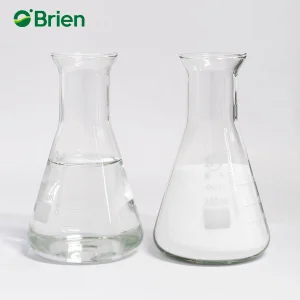
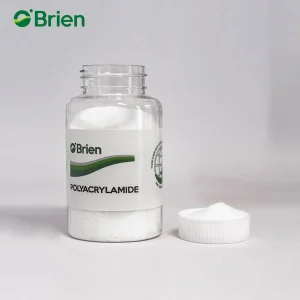
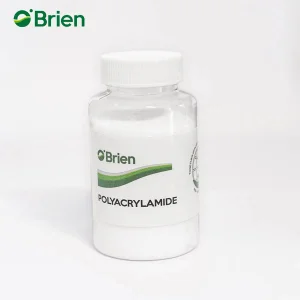
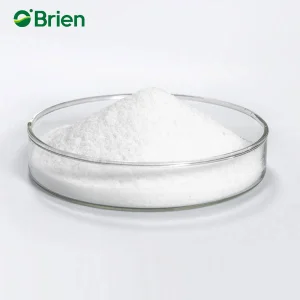
Synthesizing chemical operational intelligence, raw material dynamics, and industrial scale production in China's premier Free Trade Zone.
Polyacrylamide (PAM) (Chemical Formula: (C3H5NO)n; CAS Registry Number: 9003-05-8) represents the backbone of modern industrial solid-liquid separation science. As a linear, water-soluble synthetic polymer derived from acrylamide monomers, PAM functions through complex charge neutralization, hydrogen bonding, and molecular bridging mechanisms. In global industrial water management, municipal sewage clarification, enhanced oil recovery (EOR), and mineral processing, selecting the precise ionic charge (Anionic, Cationic, Nonionic, or Amphoteric) and molecular weight (ranging from 3 Million to over 25 Million Daltons) dictates process efficiency and operational expenditure.
Established in 2011, Oubo Chemical Co., Ltd has grown into a world-leading polyacrylamide manufacturer situated within the Free Trade Zone of Qingdao, China. Operating under a rigorous quality management system certified by ISO9001:2008, Oubo Chemical has maintained a decade-long annual business growth rate exceeding 10%, achieving an annual production capacity breakthrough of 50,000 Metric Tons in 2018. By utilizing patented biological enzymatic catalysts to produce acrylamide monomers, Oubo delivers higher purity, lower residual monomer levels (<0.05%), and superior molecular chain linearity compared to conventional chemical synthesis routes.
Understanding charge density, degree of hydrolysis, molecular weight distribution, and aquatic flocculation mechanics.
Copolymerized from acrylamide and acrylate monomers. Carries negative charges along its polymer backbone. Highly effective for positively charged inorganic suspended solids, mineral slurries, and neutral-to-alkaline industrial wastewater stream treatment.
Synthesized via copolymerization with cationic monomers (e.g., DAC, DMC). Features positive charge sites designed to neutralize negatively charged organic colloids and municipal sludge particles during mechanical belt press or centrifuge dewatering.
Homopolymer with minimal ionic charge density. Relies primarily on intense hydrogen bonding via amide (-CONH2) groups. Ideal for acidic wastewater systems, highly concentrated mineral tailings, and specific paper pulp retention applications.
| Polymer Variant | Molecular Weight (Million Daltons) | Degree of Hydrolysis / Charge (%) | Solid Content (%) | Dissolving Time (Mins) | Primary Application Fields |
|---|---|---|---|---|---|
| High MW APAM | 18 - 25 Million | 20% - 40% (Medium-High) | ≥ 88% | ≤ 60 | Coal Washing Tailings, Petrochemical Effluent, EOR Polymer Flooding |
| Ultra-High MW APAM | 22 - 28 Million | 10% - 30% (Low-Medium) | ≥ 89% | ≤ 60 | Soil Stabilization, Mining Ore Dressing, Alumina Clarification |
| Cationic PAM (CPAM) | 8 - 14 Million | 10% - 60% (Ionicity) | ≥ 88% | ≤ 45 | Municipal Sewage Sludge Dewatering, Paper Retention & Drainage |
| Nonionic PAM (NPAM) | 6 - 12 Million | 0% - 5% (Hydrolysis) | ≥ 88% | ≤ 90 | Acidic Wastewater Neutralization, Textile Warp Sizing, Drilling Fluid Loss Control |
Why global procurement entities choose Qingdao Oubo Chemical Co., Ltd for bulk industrial polymer sourcing.
Unlike traditional chemical synthesis utilizing sulfuric acid or copper catalysts—which leave hazardous residual copper ions and acrylamide monomer (AM) impurities—Oubo Chemical utilizes bio-enzymatic conversion. This proprietary microbiological route creates hyper-pure acrylamide monomers. The result is a polyacrylamide product with extended molecular weight chains, consistent performance, and exceptional environmental compatibility.
Located in the Free Trade Zone of Qingdao, Oubo Chemical maintains direct raw material supply alliances with global energy giants including SINOPEC and Eni. By securing continuous bulk feedstock supplies of acrylonitrile (AN) at preferential tariff structures, we insulate global buyers from drastic market volatility while ensuring 100% automated, uninterrupted continuous polymerization production lines.
Every single batch of Oubo polyacrylamide undergoes 3 strict analytical evaluations prior to release: Raw Material Spectrometry Verification, In-line Viscosity & Hydrolysis Tracking during polymerization, and Final Product Performance Testing (measuring dissolution rates, filterability ratio, insoluble content, and ionic charge density). Our ISO9001:2008 quality system leaves zero room for variance.
Oubo Chemical does not merely sell chemical powder; we deliver tailored application engineering. Our technical team participates in pre-sales analysis, jar testing, on-site industrial trial runs, and post-sales process optimization. Whether adjusting molecular weight for deep oilfield reservoirs or customizing charge density for high-salinity mining effluent, Oubo guarantees optimal ROI.
From heavy industrial effluent clarification to subterranean enhanced oil recovery, examine how Oubo PAM performs across major sectors.
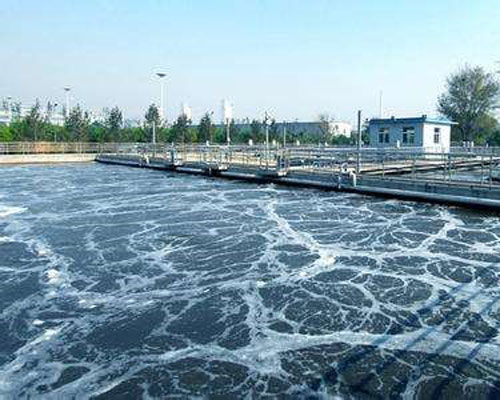
APAM acts as a high-efficiency primary coagulant aid and solid-liquid separator in municipal sewage, industrial wastewater, leather processing, and citric acid effluent. It forms dense, fast-settling micro-flocs, dramatically speeding up sedimentation tanks, lamella clarifiers, and dissolved air flotation (DAF) units while reducing total chemical sludge volume.
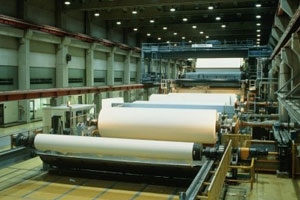
Serves as a dual retention aid, drainage promoter, and dry/wet strength enhancement agent. By neutralizing anionic trash and micro-fibers, Oubo PAM improves short-fiber retention, preserves costly titanium dioxide or calcium carbonate fillers, enhances sheet evenness, and lowers fiber loss in white water recycling systems.
Crucial for Enhanced Oil Recovery (EOR) polymer flooding, drilling fluid viscosity control, shale stabilization, profile control, and fracturing fluid friction reduction. High-molecular weight APAM increases the viscosity of injected water, improves sweep efficiency in mature petroleum reservoirs, and cools/lubricates drill strings.

Extensively applied in coal washing, tailings dewatering, and hydrometallurgical solid-liquid separation (gold, silver, iron, copper, nickel, alumina Bayer process). Accelerates pulp settling rates, yields clear overflow water for plant recycling, and forms compact filter cakes during vacuum filtration or centrifugation.
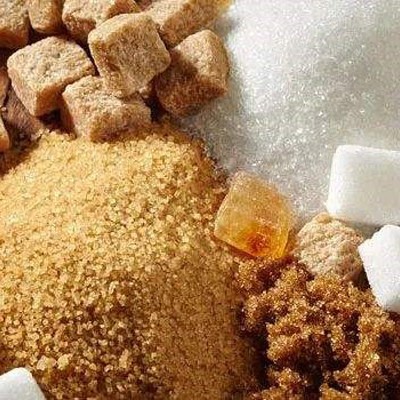
Utilized in sugarcane juice clarification, sugar beet liquor flotation, and food industry wash-water recovery. Food-grade APAM with ultra-low residual acrylamide monomer ensures rapid sediment separation without contaminating finished sugar products or process steam condensers.
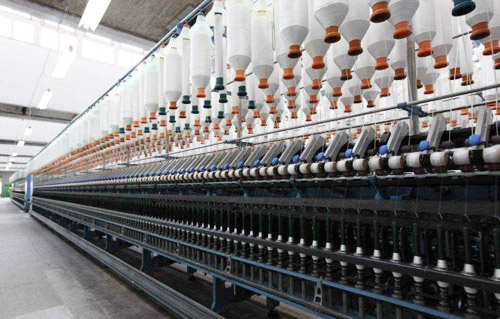
Serves as a textile sizing agent, fabric finishing thickener, and high-performance decolorizing flocculant for textile dyeing wastewater. Effectively destabilizes complex azo dye molecules, suspended starch sizing agents, and heavy metals present in textile discharge streams.
Protecting dry powder integrity, preventing moisture absorption, and facilitating streamlined port handling at Qingdao Port.
Polyacrylamide powder is hygroscopic; exposure to humidity can lead to moisture absorption, lumping, and reduced dissolution performance. Oubo Chemical provides engineered multi-layer moisture-barrier packaging tailored for sea freight, containerized transport, and long-term warehouse storage.
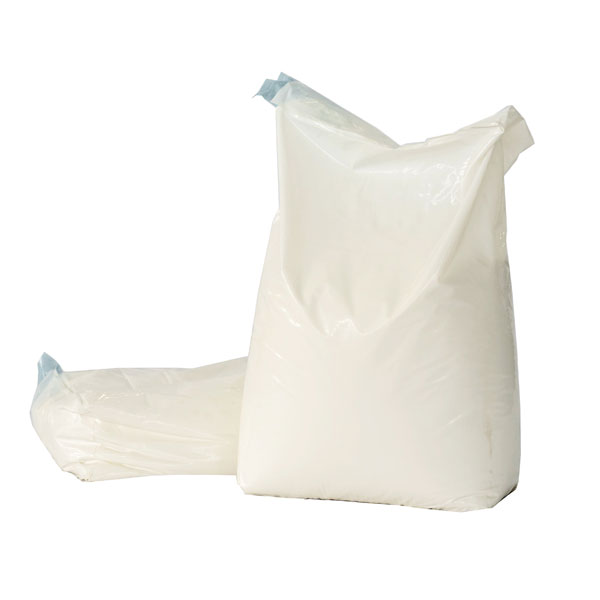
25kg Kraft paper outer bag with internal PE liner. Ideal for private-label distributors and custom branding.
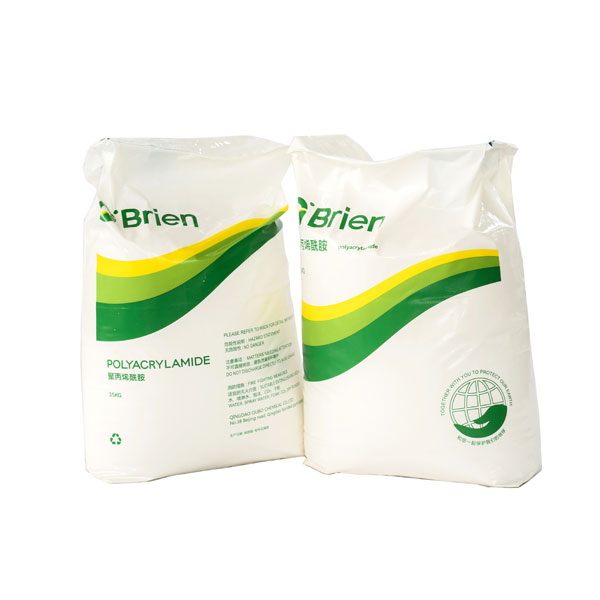
25kg standard O'brien branded heavy-duty PE/PP woven sack with high moisture protection.
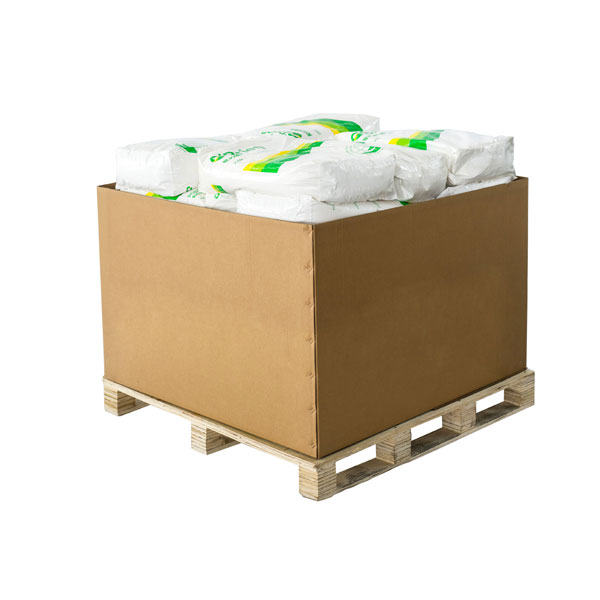
Bulk FIBC big bags fitted with bottom discharge spouts for automated automatic dosing systems.
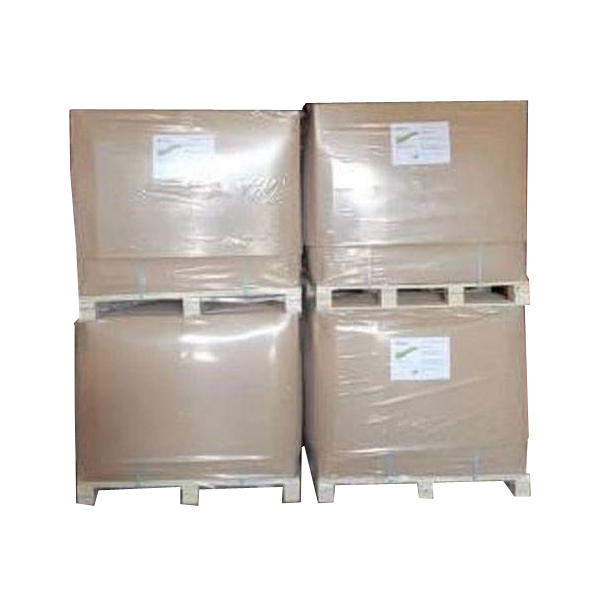
ISPM-15 compliant wooden or plastic pallets, shrink-wrapped with corner boards for ocean freight safety.
Anticipating ESG mandates, ultra-low toxicity parameters, and next-generation polymer flooding technologies.
Environmental protection agencies in North America, Europe, and Asia-Pacific are enforcing stricter limits on unreacted Acrylamide Monomer (AM) residues in water treatment polymers, particularly for potable drinking water clarification and food-contact paper packaging. Modern China manufacturers like Oubo Chemical lead this transition by utilizing advanced bio-enzymatic catalysis, driving AM residue levels below 0.05% (500 ppm), fulfilling global eco-toxicity compliance standards.
As conventional oilfields age and offshore deep-water reservoir exploration expands, standard polymers degrade under high shear, thermal stress (>85°C), and hyper-saline formation water (>100,000 ppm TDS). The industry trend is moving toward salt-tolerant, thermal-resistant modified APAM copolymers incorporating hydrophobic monomers (e.g., AMPS/Acrylamide copolymers), maintaining structural viscosity in severe subterranean environments.
Expert technical solutions to key operational challenges in polyacrylamide selection and application.
Browse our full range of Anionic, Nonionic, and Cationic PAM products manufactured to international standards.
 Oubo Chemical