Explore our high-performance anionic, cationic, and nonionic PAM product portfolio synthesized for global industrial applications.
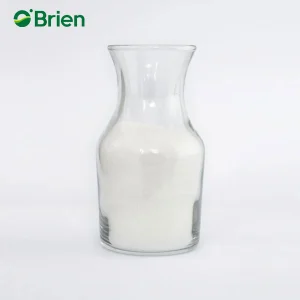
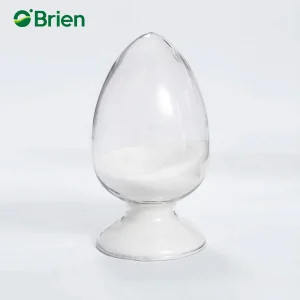
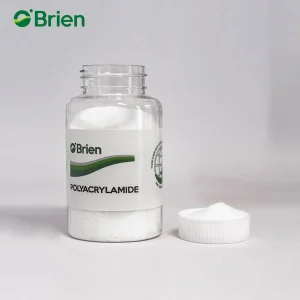
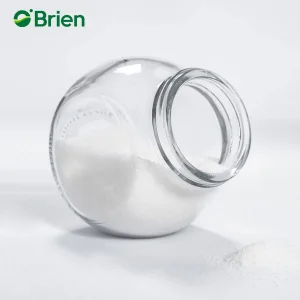
A comprehensive analysis of bio-catalytic monomer synthesis, macromolecular flocculation dynamics, and industrial process optimization.
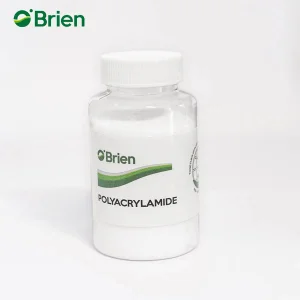
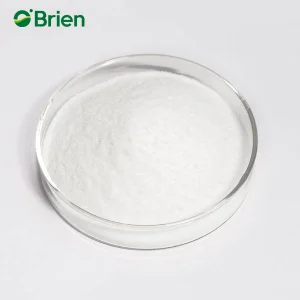
Polyacrylamide (PAM), specifically Technical Grade Anionic Polyacrylamide (APAM), represents a cornerstone of modern industrial solid-liquid separation, tertiary oil recovery, wet-end papermaking, and complex wastewater clarification. Chemically defined as a synthetic, linear water-soluble polymer derived from acrylamide subunits $[-CH_2-CH(CONH_2)-]_n$, its anionic functionalization is achieved via co-polymerization with acrylic acid derivatives or through controlled post-polymerization hydrolysis of polyacrylamide chains.
Key Technical Distinction: Technical Grade Anionic Polyacrylamide engineered by leading Chinese suppliers leverages advanced bio-enzymatic catalysis (Nitrile Hydratase) rather than traditional chemical copper-catalyzed hydration, eliminating toxic trace heavy metals and yielding molecular weights exceeding 25 Million Daltons with residual monomer levels strictly controlled under 0.05% (500 ppm).
The efficiency of Anionic Polyacrylamide in industrial applications is primarily dictated by two core macromolecular parameters: Molecular Weight ($M_w$) and Charge Density (Degree of Hydrolysis, DH).
APAM operates through a dual-action physical chemistry mechanism: Charge Neutralization and Interparticle Adsorption Bridging. In suspensions containing fine colloidal silica, iron ore tailings, or clay particles, the expanded anionic polymer chain adsorbs onto particle surfaces at multiple anchor points. The remaining unattached segments extend into the bulk solution, capturing adjacent suspended solids to form dense, macro-flocs (micro-gel agglomerates). This dramatic increase in effective particle radius ($\text{R}_p$) exponentially accelerates settling velocity in accordance with Stokes' Law:
$$\mathbf{V = \frac{2 g r^2 (\rho_p - \rho_f)}{9 \mu}}$$
Where V is settling velocity, r is floc radius, $\rho_p$ is particle density, $\rho_f$ is fluid density, and $\mu$ is dynamic viscosity. Increasing floc radius through APAM bridging yields up to a 500% increase in clarification throughput in continuous thickeners.
| Grade Type | Molecular Weight (Million Da) | Hydrolysis Degree (%) | Solid Content (%) | Dissolution Time (min) | Primary Application Field |
|---|---|---|---|---|---|
| APAM Ultra-High MW | 20 - 25+ | 20 - 30% | ≥ 88% | ≤ 50 min | Tertiary Oil Recovery (EOR), High-Salinity Drilling Fluids |
| APAM High MW | 15 - 20 | 25 - 35% | ≥ 88% | ≤ 45 min | Coal Washing, Iron/Copper Ore Dewatering, Tailings Thickening |
| APAM Medium MW | 10 - 15 | 15 - 25% | ≥ 88% | ≤ 40 min | Municipal Wastewater Clarification, Industrial Sedimentation |
| APAM Paper Grade | 8 - 14 | 10 - 20% | ≥ 89% | ≤ 35 min | Dry/Wet Strength Agent, Retention Aid, Anionic Trash Capture |
| APAM Sugar/Food Grade | 12 - 18 | 20 - 30% | ≥ 90% | ≤ 45 min | Juice Clarification, Sugar Refining Syrup Settling |
Why global industrial procurement leaders partner with Qingdao Oubo Chemical Co., Ltd. for reliable polymer supply.
Oubo Chemical Co., Ltd was established in 2011, located strategically within the Free Trade Zone of Qingdao, China. Operating from China’s chemical manufacturing heartland affords unprecedented access to raw material pipelines, continuous automated polymerization technologies, and deep-water maritime logistics. Over the past decade, Oubo Chemical has sustained a consistent business growth rate of 10% annually, reaching a production benchmark breaking through 50,000 Metric Tons in 2018.
Qingdao Oubo Chemical Co., Ltd is highly committed to quality, service, and pays stringent attention to environmental sustainability during polymer production and application. Our quality management system has been rigorously audited and certified under ISO9001:2008.
Cationic Polyacrylamide
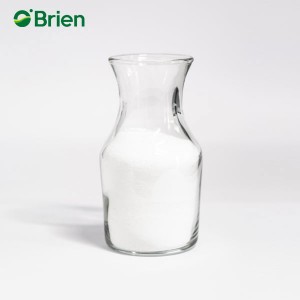
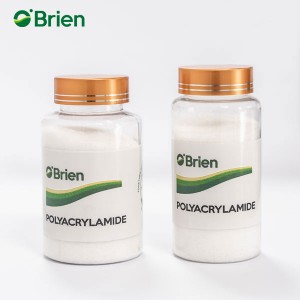
Anionic Polyacrylamide
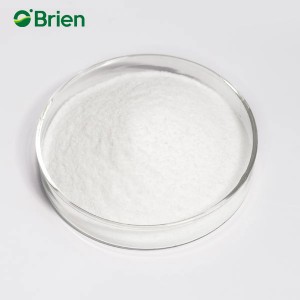
Nonionic Polyacrylamide
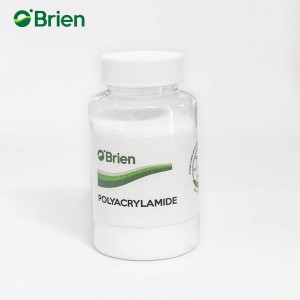
Cationic PAM Flocculant
Anionic PAM Polymer
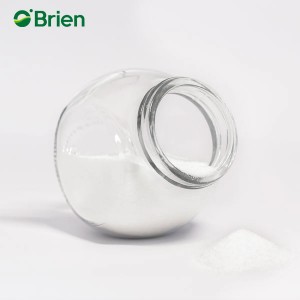
Nonionic PAM Granules
Tailored polyacrylamide formulations designed to meet rigorous performance benchmarks across diverse industrial sectors.
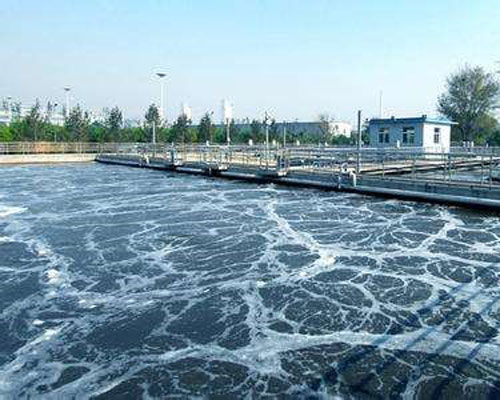
Used as an essential flocculating agent in industrial solid-liquid separation processes including primary clarification, secondary sedimentation, and mechanical sludge dewatering (belt filter press, centrifuge, screw press). High efficiency in treating effluents from municipal sewage, leather, citric acid, and pharmaceutical facilities.
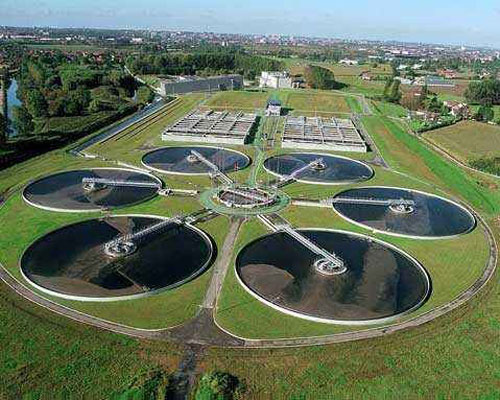
Rapidly clarifies heavy metal-laden effluent and high-turbidity wastewater from petrochemical, iron, and steel mills. Promotes compact sludge cake formation, reducing cake moisture content below 70% and minimizing hazardous waste disposal fees.
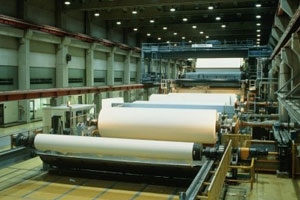
Serves as wet-end retention aids, drainage accelerators, and dry/wet strength additives. Neutralizes anionic garbage in white water recycling loops, increases retention rates of titanium dioxide and clay fillers, and dramatically enhances tensile and burst index of paper sheets.
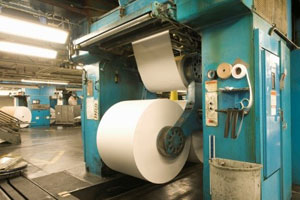
Specialized low-charge cationic and medium-charge anionic PAM polymers interact with pulp fibers to form ionic linkages and hydrogen bonds. Increases machine speed, reduces fiber loss in effluent white water, and lowers raw material unit costs.
Extensively deployed in Enhanced Oil Recovery (EOR) as polymer flooding mobility control agents. Functions as mud thickeners, fluid-loss control additives, shale inhibitors, friction reducers in slickwater fracturing, and well plugging agents under high pressure and temperature.

Critical for coal washing slurry clarification, tailings thickener underflow concentration, and solid-liquid filtration for precious metals (Gold, Silver, Copper, Iron, Nickel, Zinc). Delivers clear overflow water for immediate recycling within closed-loop mining circuits.
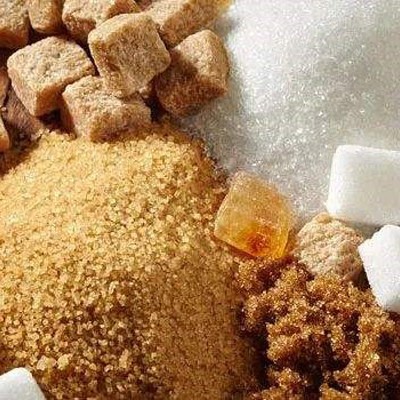
Formulated for high-purity sugar cane and sugar beet juice clarification and syrup flotation. Rapidly aggregates micro-impurities without altering Brix levels or sucrose purity, complying with stringent food-contact impurity standards.
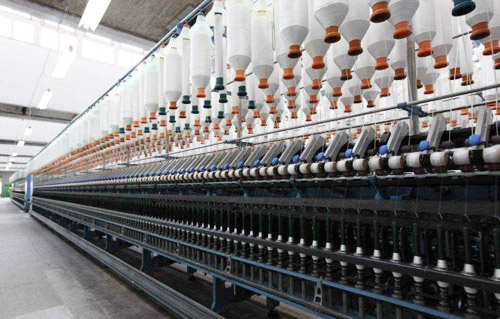
Acts as an effective warp sizing agent, fabric finishing enhancer, and dye-house wastewater decolorant. Coagulates soluble azo dyes and organic pigments, drastically reducing chemical oxygen demand (COD) and biochemical oxygen demand (BOD) prior to discharge.
Engineered packaging protection preventing moisture ingress and polyacrylamide chain degradation during transit.
Polyacrylamide polymers are highly hygroscopic solid granules. Exposure to ambient humidity induces premature swelling and lump formation. Oubo Chemical implements multi-layer moisture barrier packaging protocols guaranteed for long-distance maritime shipments and multi-month site storage under harsh environmental conditions.
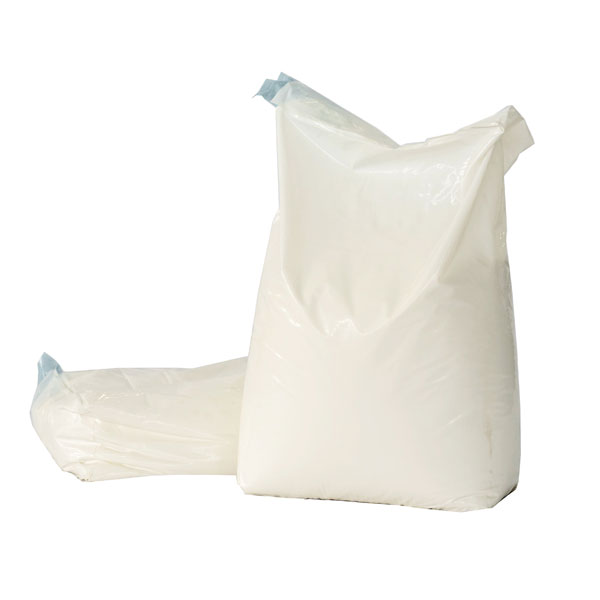
Blank Neutral Bag (25kg)
Multi-wall kraft paper with internal PE moisture liner.
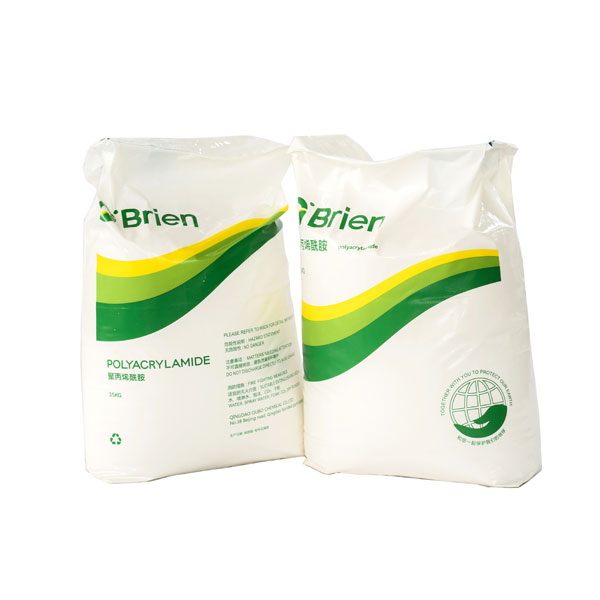
Standard Brand Bag (25kg)
O'brien branded high-strength PP woven bag.
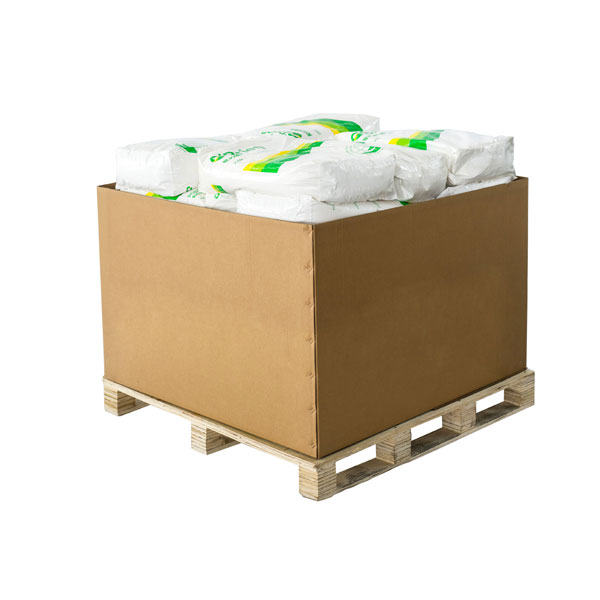
Custom OEM/ODM Packaging
Customized multilingual printing & barcoding.
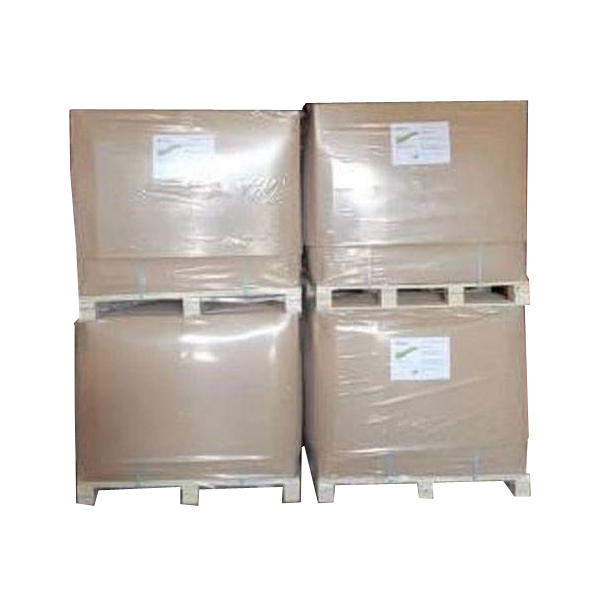
Fumigated Palletization
750kg/1000kg pallet loads wrapped with stretch film.
Expert engineering answers to common procurement, field preparation, and polymer selection queries.
When stored in original sealed 25kg moisture-proof packaging in a cool, dry, ventilated environment under 35°C, dry powder APAM has a shelf life of 24 months. Aqueous stock solutions (prepared at 0.1% - 0.3% concentration) should be consumed within 48 to 72 hours to prevent viscosity loss caused by polymer chain degradation.
Selection depends on the surface zeta potential of your target suspended solids. Anionic PAM is ideal for inorganic suspended solids (clay, mineral ores, silica, metal precipitates). Cationic PAM is designed for organic biological sludges (municipal sludge, food processing, fermentation residue). Nonionic PAM performs best in strong acidic mineral processing fluids or complex mixed slurries where ionic interference must be minimized.
APAM powder must be dissolved in clean water (pH 6-8, temperature 20°C - 40°C) at a concentration of 0.1% to 0.3% (w/v). Ensure continuous mechanical stirring at 200–400 RPM while slowly sprinkling the powder into the vortex to avoid "fish-eyes" (undissolved gel lumps). High-shear mixing (above 800 RPM) should be avoided as it clips high-molecular polymer chains.
Oubo Chemical operates continuous automated polymerization lines under ISO9001:2008 certification. Raw materials are tested prior to reaction, continuous sensor telemetry monitors reaction exotherms, and finished batches undergo 3-tier lab validation measuring molecular weight, hydrolysis degree, purity, and dissolution rate prior to batch release.
Yes. We provide comprehensive OEM/ODM packaging options including neutral blank bags, customized branded multi-ply paper/PE bags, jumbo bulk bags (750kg and 1000kg), and custom pallet protection according to global distributor specifications.
Due to our factory's location inside the Qingdao Free Trade Zone, standard inventory orders ship within 7 to 10 days. Customized formulations or specialized private label packaging orders typically ship within 14 to 21 days from order confirmation.
Review additional technical grade polyacrylamide products produced by Qingdao Oubo Chemical Co., Ltd.
 Oubo Chemical