Explore our targeted polyacrylamide grades designed to match and exceed global market benchmarks including Flopam AN 923 and AN 926.
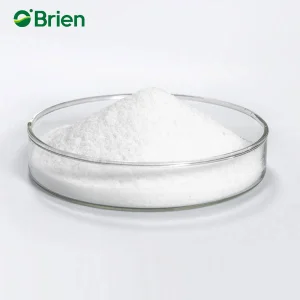
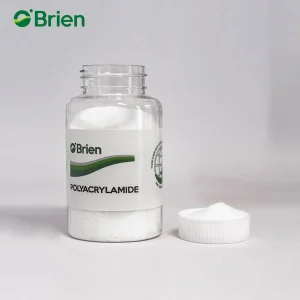
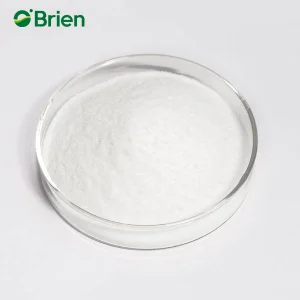
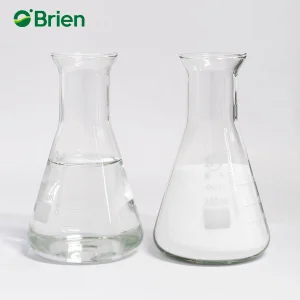
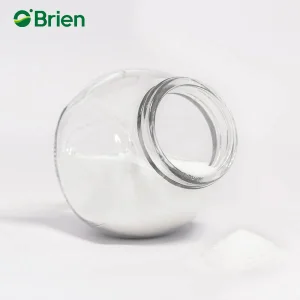
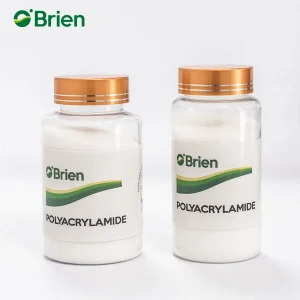
Oubo Chemical Co., Ltd was established in 2011 and is strategically located within the Free Trade Zone of Qingdao, China. Operating under an uncompromising Quality Control (QC) framework, Oubo has maintained a consistent annual business growth rate of over 10% for more than a decade. We are deeply committed to chemical quality, operational safety, and minimizing environmental impacts throughout our synthetic polymer production cycles.
Oubo specializes in the synthesis of Anionic Polyacrylamide (APAM), Cationic Polyacrylamide (CPAM), and Nonionic Polyacrylamide (NPAM). Utilizing state-of-the-art enzymatic polymer synthesis lines and automated quality inspection rigs, our manufacturing infrastructure surpassed an annual capacity of 50,000 Metric Tons in 2018. Our rigorous quality management system is fully certified under ISO 9001:2008 and compliant with global environmental standards.
By implementing cutting-edge bio-acrylamide monomer production techniques, Oubo reduces carbon intensity while guaranteeing ultra-high molecular weight retention and exceptionally low residual monomer levels (<0.05%), matching standard chemical benchmarks such as SNF Flopam AN 923 and AN 926.
Industrial procurement managers frequently seek drop-in replacements for standard international anionic flocculants such as Flopam AN 923 and Flopam AN 926. Oubo Chemical’s custom polymer formulations provide exact functional and physical equivalence:
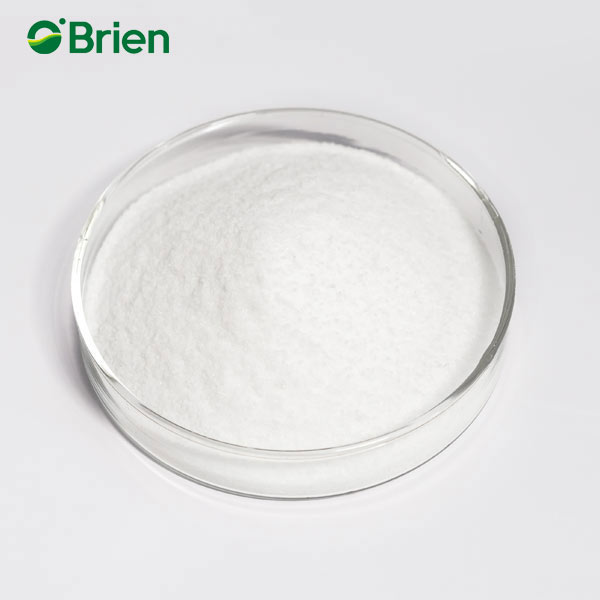
Comprehensive analytical comparison of polymer chemistry metrics between standard international grades and Oubo Anionic Polyacrylamide Series.
| Property Parameter | Flopam AN 923 Equivalent | Flopam AN 926 Equivalent | Oubo Technical Testing Standard |
|---|---|---|---|
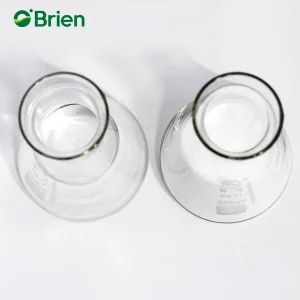
| Physical Appearance | White Granular Powder | White Granular Powder | Visual Inspection |
| Ionic Type & Charge | Anionic (Medium-High) | Anionic (High Charge) | Colloid Titration |
| Molecular Weight (Million) | 18 - 20 Million | 20 - 22 Million | Viscometry (Intrinsic Viscosity) |
| Degree of Hydrolysis | 20 - 25 % | 30 - 35 % | Potentiometric Titration |
| Bulk Density | ~0.80 g/cm³ | ~0.80 g/cm³ | Gravimetric Method |
| Dissolution Time (Mins) | ≤ 60 Mins | ≤ 60 Mins | Standard Mechanical Agitation (0.1% sol) |
| Insoluble Solids / Filterability | ≤ 0.2 % | ≤ 0.2 % | 100 Mesh Screen Filtration |
| Residual Monomer (AM) | < 0.05 % (500 ppm) | < 0.05 % (500 ppm) | HPLC Analysis |
Polyacrylamide (PAM) (CAS Registry Number 9003-05-8) is a synthetic, water-soluble polymer produced via the free-radical polymerization of acrylamide monomers. Based on functional charge modifications, PAM is categorized into Anionic Polyacrylamide (APAM), Cationic Polyacrylamide (CPAM), and Nonionic Polyacrylamide (NPAM). The high-molecular weight anionic polymers—such as the AN 923 and AN 926 equivalents—contain carboxylate functional groups alongside amide groups. These molecular structures act as powerful flocculants, coagulants, and rheology modifiers by bridging suspended charged solids in aqueous environments, forming heavy flocs that settle rapidly.
Engineered polyacrylamide products fulfilling rigorous global compliance, process optimization, and environmental remediation standards.
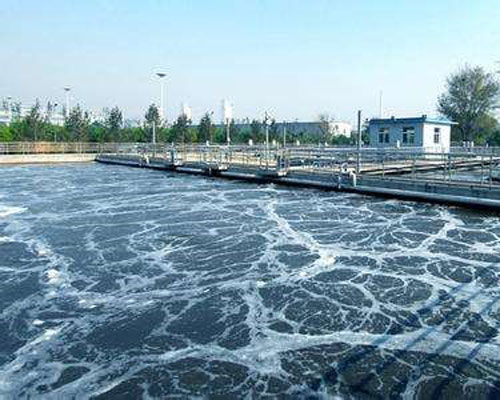
In municipal sewage and industrial effluent purification, our AN 923/926 equivalent APAM rapidly destabilizes colloidal suspensions. It is extensively applied in primary clarification, dissolved air flotation (DAF), and secondary sludge dewatering equipment, including belt filter presses, decanter centrifuges, and screw presses, dramatically reducing chemical sludge volume and disposal fees.
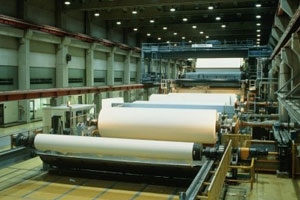
Our APAM acts as an advanced dry strength agent, retention aid, and filtration accelerator. By balancing wet-end chemistry and scavenging anionic trash, it enhances short-fiber filler retention, minimizes fiber loss into white water, and accelerates paper machine dewatering speeds while elevating tensile and bursting strength.
Polyacrylamide plays a critical role in Enhanced Oil Recovery (EOR), profile control, and drilling mud modification. High molecular weight APAM increases the viscosity of injected water, improving sweep efficiency in reservoir porous media. It serves as a friction reducer in hydraulic fracturing and stabilizes shale formations against fluid loss.

Used widely across coal washing, copper extraction, alumina red mud settling, gold, silver, and iron recovery. AN 926 equivalent APAM facilitates ultra-fast solid-liquid separation in thickeners and tailing ponds, enabling closed-loop circuit water recycling and compliant tailing dry-stacking.
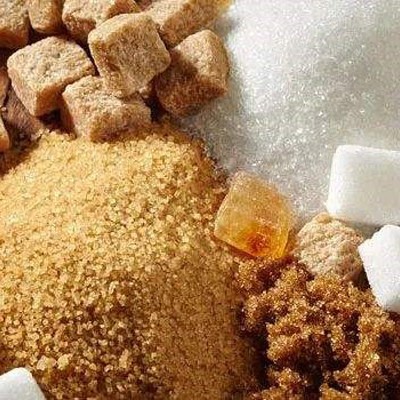
Specifically purified food-grade APAM polymers accelerate sugarcane juice clarification and syrup flotation. The polymer effectively binds organic impurities and insoluble plant matter, producing clear juice while optimizing evaporation efficiency and crystal yield.
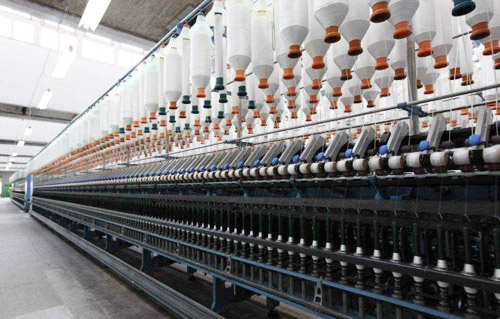
Functions as a warp sizing additive for smoother fabric weaving and as a potent de-colorization flocculant in textile dye effluent. It aggregates fine dye particles and heavy metals, aiding seamless secondary biological or chemical oxidation processes.
Specific operational mechanics of Polyacrylamide applications across key industrial sectors.
1. Paper Retention Agent: Significantly improves the retention rate of short fibers and inorganic fillers (calcium carbonate, kaolin clay), enhancing paper opacity while dropping raw material costs.
2. Anionic Garbage Scavenger: Neutralizes interfering organic anionic charge build-up in wet-end pulp circuits, maintaining chemical additive performance equilibrium.
3. Dry Strength Agent: Amide groups form covalent and hydrogen bonds with fiber hydroxyl groups across the entire pH range, substantially elevating tensile and burst indices.
4. Fiber Dispersant: Promotes uniform fiber distribution in thin stock sheets, perfecting paper visual formation, softness, and structural toughness.
Enhanced Oil Recovery (EOR): High-MW polymers increase water phase viscosity to lower mobility ratios, driving trapped crude from low-permeability rock pores.
Drilling Fluid Additive: Imparts high shear-thinning rheology, lubricates drill strings, cools bits, prevents borehole shale swelling, and lifts drill cuttings to the surface.
Coal Washing & Tailings Dewatering: Rapidly clarifies slurry circuit water. Agglomerates sub-micron fine clay particles into massive flocs, allowing rapid vacuum filter dewatering.
Built upon robust supply chains, advanced biotechnology, and dedicated application engineering support.
Qingdao OUBO Chemical Co., Ltd. is a global leader in PAM production. We utilize proprietary biological enzymatic monomer synthesis (patented tech), investing over €2,000,000 annually in advanced polymer laboratory research.
Integrated global supply chain sourcing raw materials from premium suppliers (SINOPEC, Eni). Automated continuous production lines operating under strict ISO 9001 oversight, with every batch tested 3 times by QC prior to dispatch.
Over a decade of dedicated focus on synthetic polyacrylamide manufacturing. We balance top-tier chemical performance with highly competitive direct factory pricing, ensuring maximum client ROI.
Our senior technical specialists assist across pre-sales jar testing, dosage calibration, equipment selection, plant trial runs, and long-term after-sales performance monitoring.
Robust, moisture-proof packaging options tailored for long-distance maritime freight and bulk industrial storage.
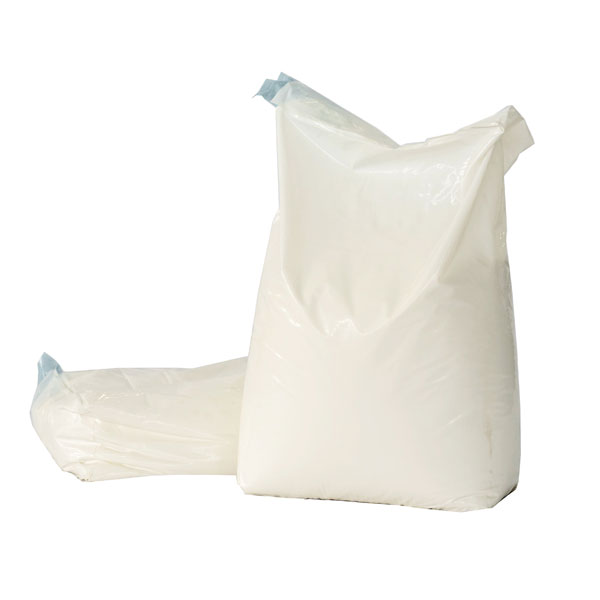
25kg multi-wall kraft paper bags with inner PE moisture barrier lining. Unbranded for OEM distributors.
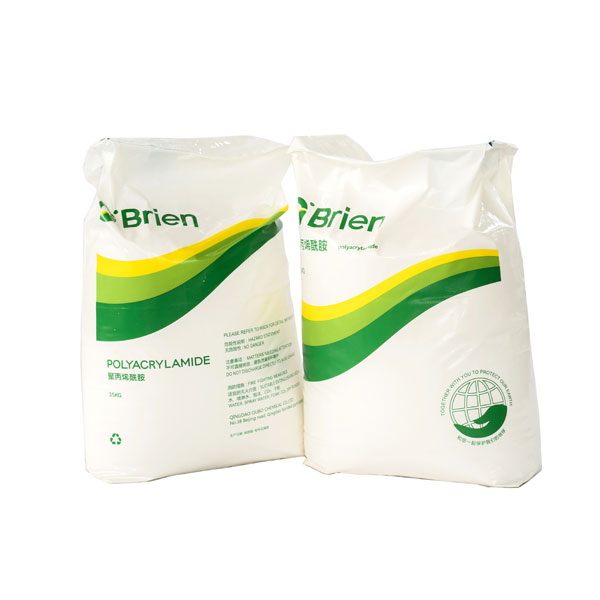
Standard Oubo branded export packaging featuring clear lot batch numbers and specification tracking marks.
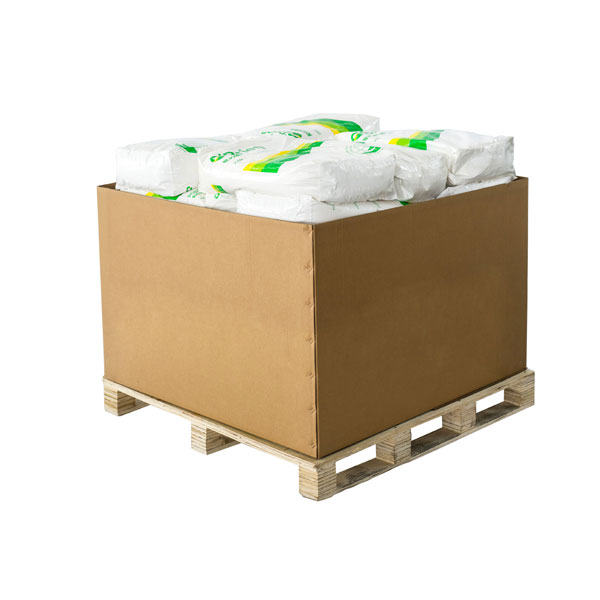
750kg – 1000kg flexible intermediate bulk containers (Jumbo Big Bags) equipped with bottom discharge spouts.
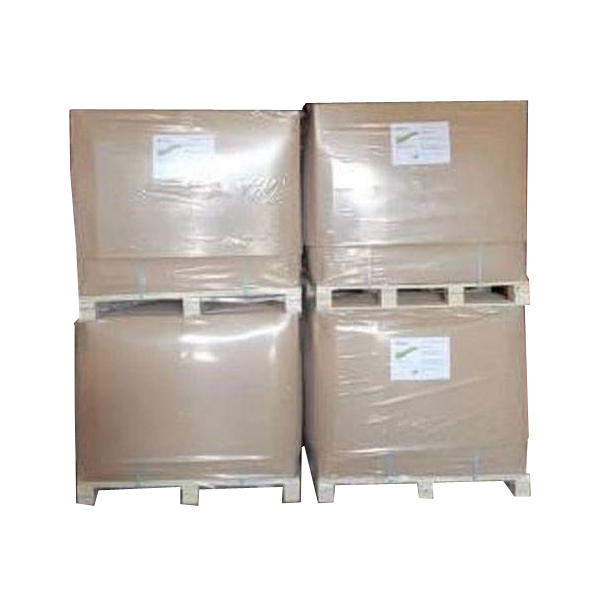
Fumigated wooden or plastic pallets, fully heat-shrink wrapped with edge protection guards for safe sea transit.
Pioneering sustainable chemistry through low-carbon bio-catalytic synthesis and intelligent dosage control technologies.
Transitioning entirely to 3rd generation biocatalytic conversion of acrylonitrile to acrylamide at ambient temperature, completely eliminating copper catalysts and cutting carbon emissions by 40%.
Refining polymer chain architecture to create block-copolymer anionic PAM structures with tailored ionic charge distribution, dramatically increasing floc strength under high shear forces.
Researching hybrid polysaccharide-graft-polyacrylamide copolymers to enhance environmental degradation profiles in soil and agricultural runoff applications.
Developing real-time optical clarity turbidity sensors integrated with automated pump skids to adjust PAM dosing dynamically, reducing client chemical overconsumption by up to 25%.
Technical & commercial insights regarding Anionic Polyacrylamide equivalent to AN 923 and AN 926 grades.
Complete range of Anionic, Cationic, and Nonionic PAM formulations synthesized for specialized global industrial sectors.
 Oubo Chemical